Unlocking Wellness Naturally
100% Ayurvedic Treatment


Living in New Delhi is an absolute trip. We have the best street food, the richest history, and a hustle that just doesn't quit. But let’s be honest; between the heavy chole bhature, the crazy summer heatwaves, and the infamous winter smog, our bodies take a serious beating. While we often complain about our lungs or our waistlines, there is an unsung hero working 24/7 inside us that bears the brunt of our Delhi lifestyle: our kidneys.
When these little bean-shaped filters start struggling, life can slow down fast. If you or a loved one is facing renal issues, you might feel overwhelmed by the mechanical world of endless blood tests, dialysis machines, and scary prognoses. But what if the answer lies in balancing your body naturally? Let’s dive into how ancient wisdom is changing the game right here in the capital.
When it comes to managing renal health, Ayurvedic kidney treatment in New Delhi has emerged as a beacon of hope for thousands of families. Ayurveda doesn't just look at your kidney as an isolated organ that needs fixing; it looks at you as a whole person. Instead of just managing the symptoms or relying entirely on invasive machines, it focuses on reviving the structural and functional capacity of your renal filters using natural therapies, deep detoxification, and specialized herbal formulations.
Why are our kidneys under fire in the capital? Well, Delhi throws a unique set of challenges our way. According to the Global Burden of Disease Study, chronic kidney disease (CKD) has grown to become one of the leading causes of death globally, and urban centers bear a huge chunk of this burden.
In New Delhi, our love for high-sodium street food, high rates of diabetes, uncontrolled hypertension, and shocking air pollution levels create a perfect storm. Particulate matter isn’t just bad for your lungs; recent medical data reveals it enters the bloodstream and triggers systematic inflammation, directly damaging the delicate blood vessels in your kidneys. Add to that the extreme summer dehydration, and our poor kidneys are left working double-time.
At a dedicated kidney hospital in New Delhi, patients arrive with a wide variety of renal conditions. Ayurveda categorizes these under Vrika Roga (kidney disorders) and offers tailored recovery pathways for each:
Chronic Kidney Disease (CKD) is a slow, progressive loss of kidney function over time. In its advanced stages, conventional medicine often labels it irreversible, leaving patients with dialysis as the only option. Ayurveda, however, focuses on stopping this progression using cellular-level rejuvenation (Rasayana therapies) to repair damaged nephrons.
When the kidneys lose their ability to filter waste from your blood entirely, it is termed kidney failure. Through targeted kidney disease treatment in ayurveda, practitioners aim to stimulate the natural tissue-repair mechanisms of the body, helping many reduce their dependency on regular dialysis cycles.
Creatinine is a waste product from normal muscle breakdown that healthy kidneys easily filter out. When it spikes, it is a warning sign that your filters are clogging up. Specific herbs help actively flush out these accumulated toxins safely.
Leaking protein (albumin) in your urine is a classic sign of damaged kidney filters. Ayurveda uses cooling, binding herbs to repair the cellular membrane of the kidneys and plug this leak.
Common in both children and adults, this condition involves a cluster of symptoms: high protein in the urine, low blood protein, and severe swelling (edema) in the feet and face. Treatment focuses on balancing fluid metabolism and strengthening renal tissues.
Polycystic Kidney Disease (PKD) is a genetic disorder where clusters of fluid-filled cysts develop inside your kidneys, causing them to enlarge and lose function over time.
Whether genetic or acquired, growing cysts cause internal pressure on the healthy parts of the kidney. Ayurvedic formulations work to slowly shrink these cysts and prevent new ones from forming.
The trickiest part about kidney issues is that they are stealthy. They don't scream for attention until they are fairly advanced. However, keep a sharp eye out for these subtle red flags:
What sets off this internal chain reaction? The major culprits include:
In conventional medicine, the focus is often on substitution; using a machine (dialysis) or a donor organ to replace kidney function. Ayurveda takes an entirely different approach: restoration.
According to ancient texts, kidney functions are governed by Vata (specifically Apana Vayu, which manages elimination) and Pitta (which governs filtration and metabolism). When these doshas get corrupted, toxins called Ama build up and block the Srotas (micro-channels) of the kidneys.
An experienced kidney disease ayurvedic doctor will pinpoint your specific dosha imbalance and prescribe potent, bioactive kidney ayurvedic medicine. Herbs like Punarnava (which literally translates to "that which renews the body"), Varun, Gokshura, and Kaasni are utilized to naturally clear these blockages, reduce inflammation, and regenerate tissue.
Why are so many Delhiites switching to a holistic approach? The benefits speak for themselves:
You cannot heal your body if your diet keeps damaging it. A customized diet plan for kidney disease is just as critical as your prescription. Here are some fundamental guidelines:
We get it; commuting through Delhi traffic when you are feeling unwell is the absolute worst. Thankfully, modern technology has made accessing ancient healing simpler than ever. You can easily book an online kidney consultation in New Delhi from the comfort of your living room. You simply upload your latest blood and urine reports, consult with a certified Ayurvedic specialist over a video call, and get your personalized herbs and dietary blueprint delivered right to your doorstep.
When it comes to authentic renal care, Karma Ayurveda stands out as a globally trusted institution. Led by Dr. Puneet Dhawan, a highly esteemed 5th-generation Ayurvedic kidney expert, Karma Ayurveda successfully blends age-old Vedic wisdom with modern clinical diagnostic insights.
Having treated over 35 lakh patients worldwide since its legacy took root in 1937, it is recognized as a premier holistic kidney hospital in New Delhi. Their treatment protocols avoid generic options, providing every patient with highly individualized herbal formulations, precise dietary mapping, and dedicated clinical support to help them regain control of their health safely and naturally.
While advanced-stage CKD involves permanent structural changes, Ayurveda can significantly halt the progression of the disease, improve your remaining kidney function, manage symptoms effectively, and reduce reliance on dialysis.
Yes, absolutely. Ayurvedic treatments can safely run parallel to your existing allopathic medications. Your doctor will carefully monitor your progress and adjust dosages safely as your kidney function improves.
Everybody responds differently based on the severity of the condition, but many patients begin showing positive improvements in their energy levels, swelling reduction, and blood reports within 4 to 8 weeks of strict compliance with the herbs and diet.
Drinking coriander seed water or drinking boiled corn silk tea can act as mild, natural diuretics to help clear out urinary tracts. However, chronic conditions require systemic evaluation rather than home remedies alone.
The initial strictness is meant to give your overworked kidneys a rest. Once your filtration rates normalize and stabilize, your physician will gradually reintroduce a wider variety of foods into your diet.
Established in 1937, Karma Ayurveda is a premier Ayurvedic healthcare institution specializing in non-invasive kidney care. Over nine decades, the center has helped millions of patients globally manage complex renal conditions through authentic herbal medicine, personalized diet planning, and classical panchakarma detoxification.
This educational content has been clinically evaluated and medically reviewed by Dr. Puneet Dhawan (B.A.M.S., Delhi University), Founder and Director of Karma Ayurveda, and a leading international authority on Ayurvedic renal management.
Our holistic approach is backed by clinical data and international public health studies:
Reference Links:
This blog is for informational and educational purposes only and does not constitute direct medical advice. Always consult a qualified medical professional or an external healthcare expert before initiating any new diet, supplement, or medical treatment plan.
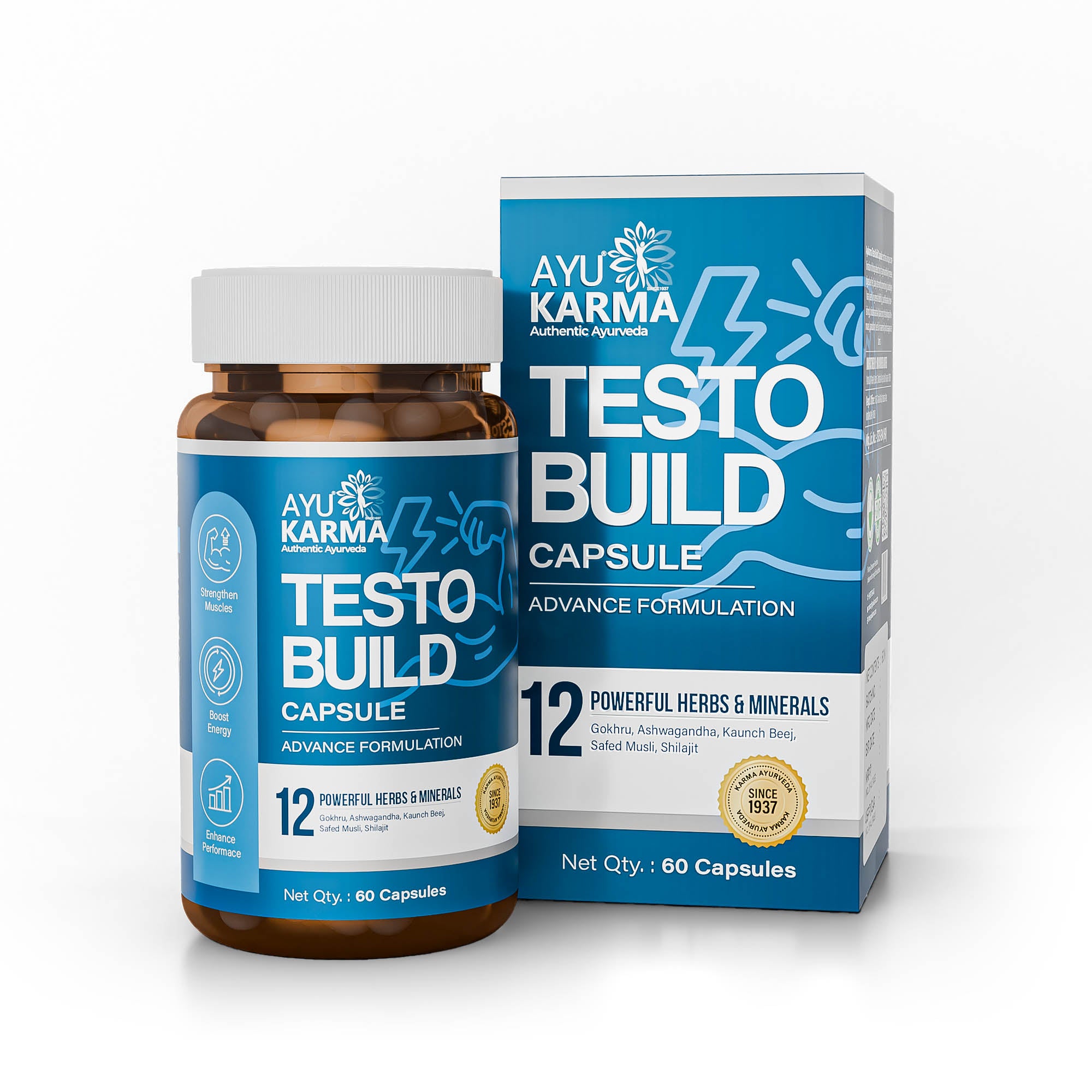
AyuKarma Testo Build Capsules combine 12 Ayurvedic herbs and minerals to support strength, energy, stamina, physical performance, nourishment and overall daily vitality.

AyuKarma Hair Lush Capsules combine Ayurvedic herbs to support hair growth, reduce hair fall, strengthen roots, nourish the scalp and promote healthier-looking hair.

Karma Garcom Capsules contain Garcinia indica to support healthy metabolism, digestion, weight management, digestive comfort and daily wellness alongside a balanced lifestyle.
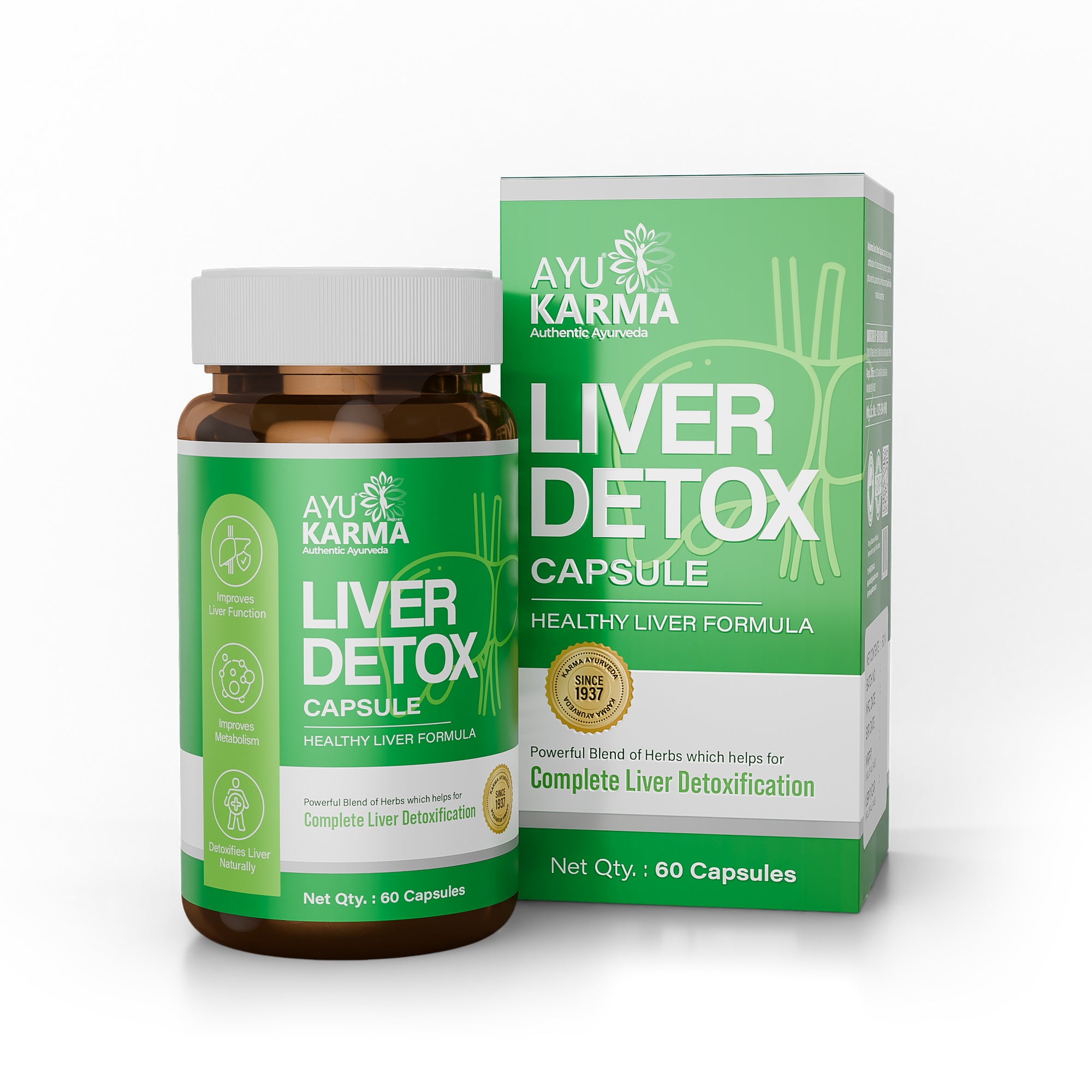
Doctor-recommended liver supplement that helps detoxify the liver, support healthy cholesterol, improve digestion & promote liver health. Developed by Dr. Puneet Dhawan with Karma Ayurveda philosophy.
Second Floor, 77, Block C, Tarun Enclave, Pitampura, New Delhi, Delhi, 110034

Certificate no- AH-2023-0186
JAN 05, 2026 - JAN 04, 2029

US FDA Reg. No.: 14568299376