
Should Kidney Patients Eat Fruits or Avoid Them Completely?
Short answer: most people with kidney disease don't need to swear off fruit for good. What you can eat, and how much, really comes down to your kidney function, your potassium numbers, the medications you're on, whether you're on dialysis, and your diet as a whole.
The confusion almost always starts with one line people repeat to each other: "fruit has potassium, so stay away." And suddenly a banana looks like it's plotting something. It isn't. The real picture is a lot more forgiving than that.
Why Fruit Actually Matters for Kidney Patients
Fruit brings fiber, vitamins, antioxidants, and plant compounds to the table that are genuinely useful; especially for blood pressure, blood sugar, and heart health, all of which matter a great deal when you're managing chronic kidney disease.
Current kidney nutrition guidance doesn't tell every CKD patient to clear fruits and vegetables off their plate. The National Kidney Foundation is pretty clear that there's no single diet that fits everyone with CKD; food choices need to be shaped around your kidney function, your labs, your medications, whether you're on dialysis, and other conditions like diabetes or high blood pressure.
This is exactly where Natural treatment for kidney health needs a dose of realism: eating well can support your overall care, but food isn't a stand-in for medical treatment.
The Real Issue: Potassium
Whenever fruit and kidney disease come up in conversation, potassium is usually the one doing all the talking.
It's a mineral your body actually needs for:
- Heart rhythm
- Muscle function
- Nerve signals
- Fluid balance
Healthy kidneys flush out extra potassium through urine. When kidney function drops significantly, potassium can start piling up in the blood; and both too much and too little can be dangerous.
But here's what often gets left out: not everyone with CKD actually has high potassium. Some people's levels are perfectly normal. Some run low. And people on dialysis can have very different needs depending on their treatment schedule.
So cutting out every fruit just because it contains potassium is a bit like refusing to own an umbrella because it might rain someday.
Fruits That Tend to Be Lower in Potassium
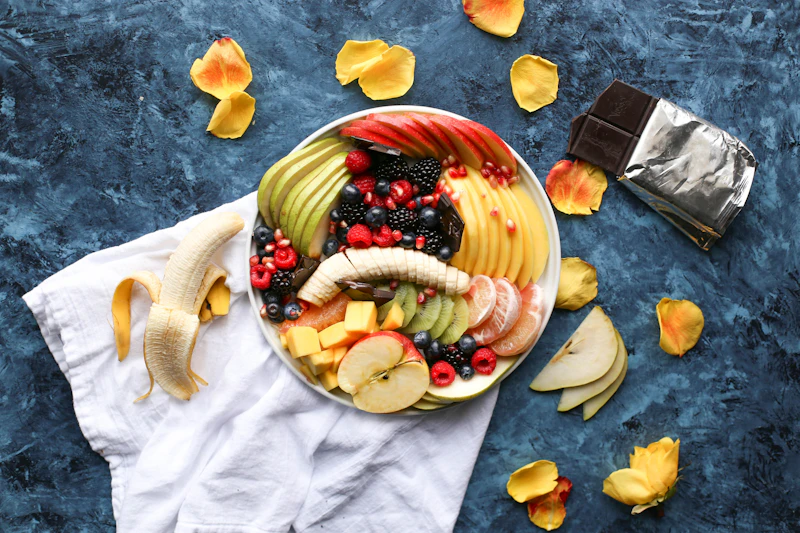
If your doctor or dietitian has put you on a lower-potassium plan, plenty of fruits can still work for you. Common choices include:
- Apples
- Berries
- Cherries
- Grapes
- Peaches
- Pears
- Pineapple
- Plums
- Raspberries
- Strawberries
- Cranberries
The National Kidney Foundation lists these as generally lower in potassium per typical serving. But "lower potassium" doesn't mean unlimited; a mountain-sized bowl of anything, even something healthy, still adds up.
And yes, even the healthiest fruit can become a problem once the portion size gets a little too ambitious.
What About Bananas, Oranges, and Mangoes?
Some fruits run considerably higher in potassium, including:
- Banana
- Orange
- Mango
- Papaya
- Kiwi
- Cantaloupe
- Dried fruits
- Prunes
- Pomegranate
That doesn't mean they're banned for life. How much (if any) you can have depends on your blood potassium and your overall eating plan. Someone with normal potassium is working with a different set of rules than someone who keeps running high.
For anyone who does need to watch potassium closely, the National Kidney Foundation's advice is to pay attention to both the type of food and how much of it you're eating.
This is also why a proper Natural kidney treatment approach should start with your actual bloodwork; not a random list pulled off the internet.
Fresh Fruit or Fruit Juice; Which Wins?
Whole fruit generally beats juice, mostly because it comes with fiber and takes longer to eat. Juice, on the other hand, makes it dangerously easy to drink the potassium equivalent of three or four fruits without even noticing.
Eating one small fruit and downing a big glass of juice are simply not the same experience, nutritionally speaking. If you're watching potassium or fluid intake, juice portions deserve extra attention; the National Kidney Foundation specifically flags fruit juice as a food where serving size counts.
So when you can, go with: whole fruit, sensible portion, eaten slowly. It's a much calmer way to relate to fruit.
A Quick Fruit Comparison
| Fruit | What to know |
|---|---|
| Apple | Usually lower in potassium; portion still matters |
| Berries | Often a convenient lower-potassium option |
| Grapes | Can fit into many lower-potassium plans |
| Banana | Higher in potassium; may need portion control |
| Orange | Higher in potassium; check your blood levels |
| Dried fruit | Potassium gets concentrated, so portions matter |
Think of this as a general reference, not a personal prescription. Your labs get the final word.
What Does the Research Actually Say?
This part is more nuanced than "fruit good, fruit bad"; worth knowing about.
Goraya et al., Kidney International, 2012
Nimrit Goraya and colleagues studied people with hypertensive kidney disease and moderately reduced kidney function. They looked at reducing dietary acid through fruits and vegetables and found improvements in markers tied to kidney injury. Worth noting: it was a short study, focused on a specific patient group, so it's not fair to stretch these findings into a claim that fruit treats every kind of kidney disease.
Goraya et al., Clinical Journal of the American Society of Nephrology, 2013
A follow-up randomized trial looked at people with stage 4 hypertensive kidney disease and compared fruits and vegetables against sodium bicarbonate for managing metabolic acidosis. The results add weight to the idea that carefully chosen plant foods may have a place in dietary management for some CKD patients; again, a specific population, not a blanket recommendation.
Goraya et al., Kidney International, 2014
Another randomized study, this time in stage 3 CKD, found that fruits and vegetables or oral bicarbonate were both linked to reduced urinary angiotensinogen and preserved GFR in patients with metabolic acidosis.
Together, these studies are a good reminder that "potassium equals bad" is too simple a way to think about fruit and CKD.
Healthy Eating Patterns Count Too
A 2019 meta-analysis in the Clinical Journal of the American Society of Nephrology reviewed cohort studies on overall dietary patterns. Diets built around vegetables, fruits, legumes, nuts, and whole grains; while cutting back on sodium, processed meat, and sugary drinks; were tied to a lower risk of CKD and albuminuria. The evidence for actually slowing eGFR decline, though, was less solid.
A separate, much larger study from the Atherosclerosis Risk in Communities cohort tracked over 14,000 adults for a median of 24 years. People who stuck closer to a healthy plant-based diet had a lower risk of developing CKD and slower eGFR decline; while an unhealthy plant-based diet showed the opposite pattern.
The takeaway here isn't "eat unlimited fruit." It's closer to: build a balanced diet, choose foods based on your own condition, and keep an eye on your numbers.
About "Best Medicines for Kidneys"
Worth being careful here. There's no universal list of best medicines for kidneys that applies across the board; treatment depends on your underlying condition, blood pressure, diabetes status, protein in your urine, kidney function, potassium levels, and more.
The same logic applies to best herbs for kidney disease. "Natural" isn't automatically "safe." Some herbal products and supplements can affect potassium, interact with medications, or cause new problems for someone with reduced kidney function. The National Kidney Foundation recommends discussing any herbal supplement with your healthcare team before you start it.
If you're looking into Karma Ayurveda for natural kidney treatment, it makes sense to run the full treatment and dietary plan by your treating doctor; especially if you're dealing with advanced CKD, elevated potassium, or dialysis.
And that goes for Dr. Puneet Dhawan or any other practitioner too: none of that should replace proper nephrology care when serious complications are in the picture.
Including Fruit More Safely; A Few Habits That Help
- 1. Know your potassium level. Don't guess; check your actual lab report.
- 2. Watch your portions. A fruit that's fine in a small amount can become a problem in a large one.
- 3. Reach for whole fruit more often. It has fiber, and it tends to fill you up.
- 4. Go easy on dried fruit. Drying removes water and concentrates everything left behind; including potassium and sugar.
- 5. Don't forget sodium. A kidney-friendly diet isn't only about potassium; phosphorus, protein, calories, blood pressure, and fluid intake all matter too. (National Kidney Foundation)
- 6. Factor in your CKD stage. Someone in early-stage CKD with normal potassium is in a very different spot than someone with advanced disease or on dialysis.
- 7. Keep rechecking your numbers. What worked six months ago might not work now, especially after a change in kidney function, medication, or potassium level.
Can Fruit Be Part of a Natural Kidney-Friendly Diet?
For a lot of people, yes. A sensible Natural treatment for kidney health looks at the whole picture; proper medical care, managing blood pressure and diabetes, staying active, eating well, taking prescribed medicines, and shaping your diet around your actual lab results. No single food is doing all the heavy lifting on its own.
If you're exploring Karma Ayurveda for natural kidney treatment, the dietary side of things should be just as individualized; not built on a blanket rule that all fruit is good or all fruit is bad.
And if you're researching best herbs for kidney disease, check them for safety and possible drug interactions before adding them to your routine. There's no award for the longest row of supplement bottles on your kitchen counter.
What's Worth Remembering
The big picture: having kidney disease doesn't automatically mean saying goodbye to fruit.
The question isn't really "Can kidney patients eat fruit?" It's more useful to ask: "Which fruits, in what amount, and how often, fit my kidney function and potassium level?"
That small shift in the question changes everything.
Conclusion
Fruit can absolutely be part of a healthy diet for many people living with kidney disease; but the right choices depend on potassium levels, kidney function, treatment, dialysis status, and other health conditions.
Research has also pointed to real potential benefits from fruit- and vegetable-rich diets in certain CKD populations, particularly when the overall diet is well thought out.
So there's no need to put the entire fruit bowl on trial. If your potassium is normal, you likely don't need to avoid every potassium-containing fruit. If it's running high, your healthcare team can help you land on the right fruits, portions, or preparation methods.
A proper Natural kidney treatment plan should be built around your actual health status; not fear, not food myths, and definitely not a one-size-fits-all chart. And when it comes to best medicines for kidneys, supplements, or other approaches alongside your regular care, talk them through with your healthcare professional rather than starting anything on your own.
Key Takeaways
- Kidney patients can often eat fruit, though the type and amount may need adjusting
- Potassium level is one of the biggest factors in choosing fruit
- Apples, berries, grapes, pears, and pineapple are usually lower-potassium picks
- Bananas, oranges, mangoes, papaya, and dried fruit tend to run higher in potassium
- Whole fruit generally beats large amounts of fruit juice
- Portion size matters, even for lower-potassium fruits
- Don't start herbal products just because they're marketed as best herbs for kidney disease
- Your CKD stage, labs, medications, and dialysis status should guide your choices
Frequently Asked Questions
Can kidney patients eat fruit every day?
Yes, many can; the right fruit and portion depend on potassium levels, kidney function, and the overall diet plan.
Which fruits are generally lower in potassium?
Apples, berries, grapes, pears, pineapple, peaches, and plums are common lower-potassium choices.
Should kidney patients completely avoid bananas?
Not necessarily. Bananas run higher in potassium, so the right portion depends on your blood potassium and dietary plan.
Is fruit juice safe for kidney patients?
It can fit into some diets, but portions matter, and whole fruit is usually the better everyday choice.
Can herbs replace prescribed kidney medicines?
No. Herbal products should never replace prescribed treatment without talking to your healthcare professional first.
Disclaimer
This article is for general educational purposes and doesn't replace medical advice, diagnosis, or treatment. Fruit and potassium needs vary from person to person with kidney disease. Always talk to your doctor or renal dietitian before changing your diet, medications, herbs, or supplements; especially if you have advanced CKD, high potassium, or are on dialysis.