Unlocking Wellness Naturally
100% Ayurvedic Treatment

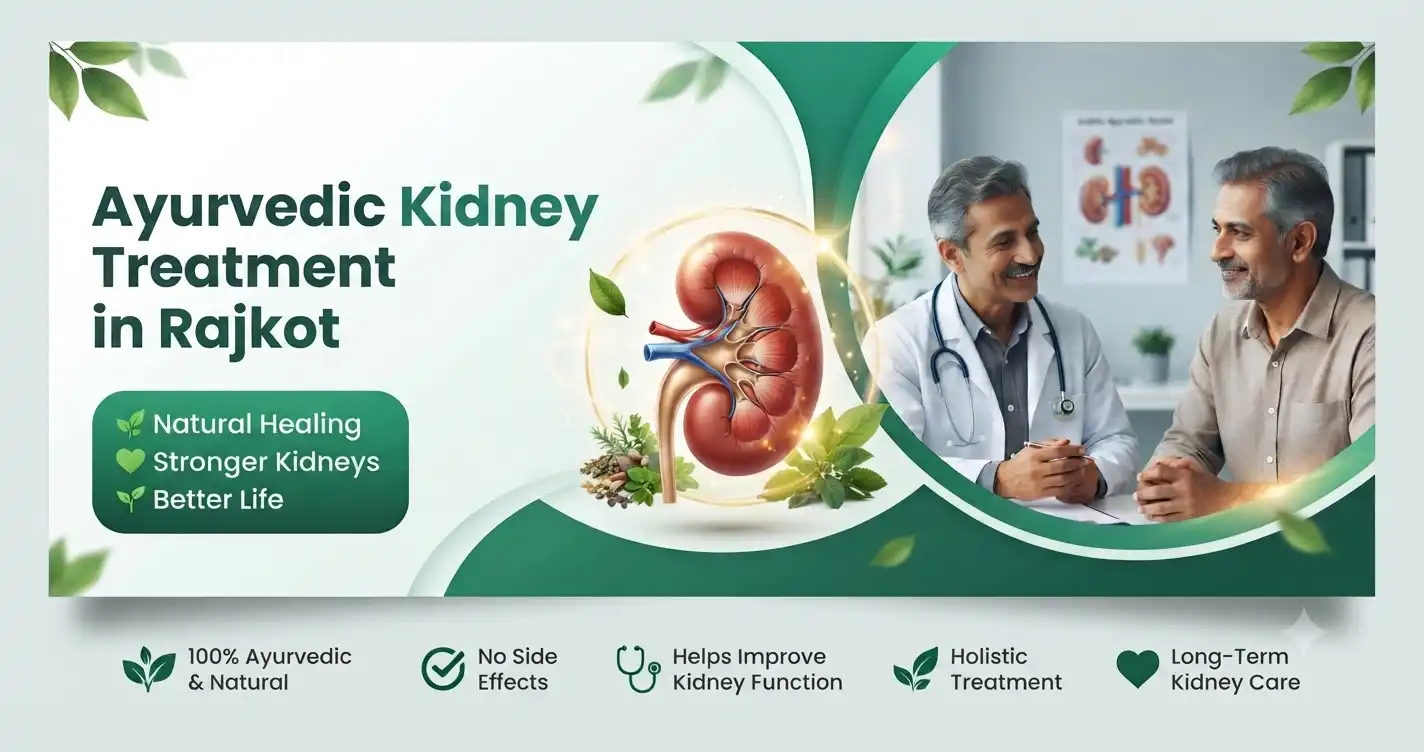
Finding reliable kidney treatment in Rajkot can feel like trying to navigate the bustling lanes of Dharmendra Road during festival season; overwhelming, noisy, and full of conflicting directions.
If you or a loved one are looking into alternative paths to support renal health alongside modern medical care, you have likely come across herbal options. Ayurveda doesn't treat the kidney like a broken mechanical filter that just needs a replacement part; it views your body as an interconnected ecosystem. Let's break down how this traditional system works, what science says about it, and what you should expect if you seek care here in Saurashtra.
When people start looking for an Ayurvedic kidney treatment in Rajkot, they are usually tired of feeling like a collection of test scores. That is often where Karma Ayurveda in Rajkot enters the conversation.
Patients tend to choose this path because Ayurveda focuses on why the organ is struggling in the first place; balancing metabolic fires (Agni), managing fluid accumulation (Shopha), and flushing out cellular waste products (Ama) through customized herbal formulations.
Instead of a generic approach, the focus centers on personalizing care. You aren't just "a Stage 3 CKD case." You are a person who might love gathiya a bit too much, carries a lot of stress, and needs a plan tailored to your body's specific constitution (Prakriti).
Finding a reliable kidney treatment hospital in Rajkot means looking for a blend of traditional knowledge and modern diagnostic monitoring. Whether you visit a physical setup in town or book an online telemedicine video call with top Ayurvedic physicians, the core goal remains the same: stabilizing your health while protecting remaining organ function.
Through a specialized kidney treatment clinic in Rajkot or verified virtual setup, patients gain access to:
When looking for an Ayurvedic hospital in Rajkot, trust is everything. Your kidneys act as your body’s internal filtration crew; working 24/7, processing roughly 180 liters of blood every single day without asking for a raise. When they slow down, you need care that respects both ancient wisdom and modern medical diagnostic tools.
A trustworthy Ayurvedic Kidney treatment hospital in Rajkot won't ask you to throw your lab reports in the trash. Instead, an authentic practitioner will look at your Serum Creatinine, Blood Urea Nitrogen (BUN), and GFR rates alongside traditional pulse diagnostics (Nadi Pariksha). Integrating clinical monitoring with natural remedies ensures patient safety above all else.
Ayurvedic support isn't reserved exclusively for severe, end-stage conditions. Anyone looking for an Ayurvedic treatment for kidney in Rajkot typically falls into a few key categories:
If you are considering seeking kidney treatment in Rajkot, here is what a typical consultation journey looks like:
Living in Saurashtra has its perks; warm community spirit, rich culture, and incredible food. But local dietary habits (like high-salt farsan) and hot climate conditions can sometimes pose specific challenges for kidney health.
Having access to Karma Ayurveda in Rajkot; whether through local clinical consultation or seamless home-delivery of medicines with online doctor calls; means you get advice tailored to your actual environment. You don't need to travel all the way to metro cities like Delhi or Mumbai just to get expert guidance from an established Kidney treatment hospital in Rajkot network.
How does traditional botanical management compare to conventional renal care? Here is a quick look:
It is completely fair; and smart; to ask: "Is there actual science behind these herbs, or is it just old folklore?"
Modern pharmacological research has begun validating what ancient Ayurvedic texts noted centuries ago:
These studies suggest that when herbal therapies are administered under expert supervision, they can serve as valuable allies in renal care.
No, you should never stop prescribed medications abruptly; Ayurvedic treatments work best when integrated gradually under medical supervision.
Response times vary per individual, but lab improvements are typically evaluated after 4 to 12 weeks of consistent treatment.
Yes, specific supportive Ayurvedic herbs can be safely administered alongside dialysis to help improve vitality and manage symptoms.
Yes, tailored dietary changes; such as controlling sodium, fluid, and potassium intake; are essential for supporting recovery.
Medical Disclaimer: This article is for informational and educational purposes only and should not be used as a substitute for professional medical advice, diagnosis, or treatment. Always consult a qualified physician or registered Ayurvedic specialist before starting any new health regimen, especially if you have pre-existing kidney conditions.
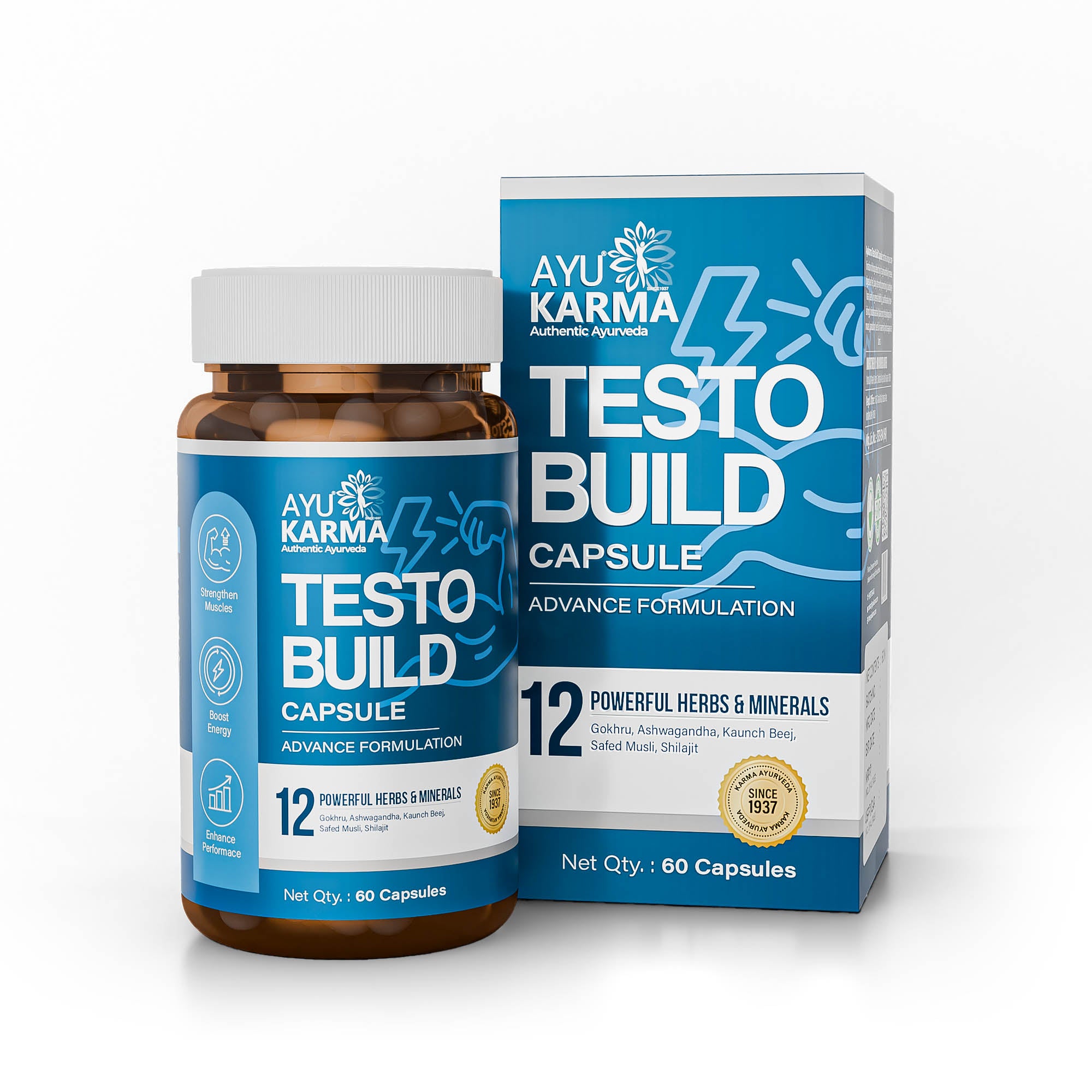
AyuKarma Testo Build Capsules combine 12 Ayurvedic herbs and minerals to support strength, energy, stamina, physical performance, nourishment and overall daily vitality.

AyuKarma Hair Lush Capsules combine Ayurvedic herbs to support hair growth, reduce hair fall, strengthen roots, nourish the scalp and promote healthier-looking hair.

Karma Garcom Capsules contain Garcinia indica to support healthy metabolism, digestion, weight management, digestive comfort and daily wellness alongside a balanced lifestyle.
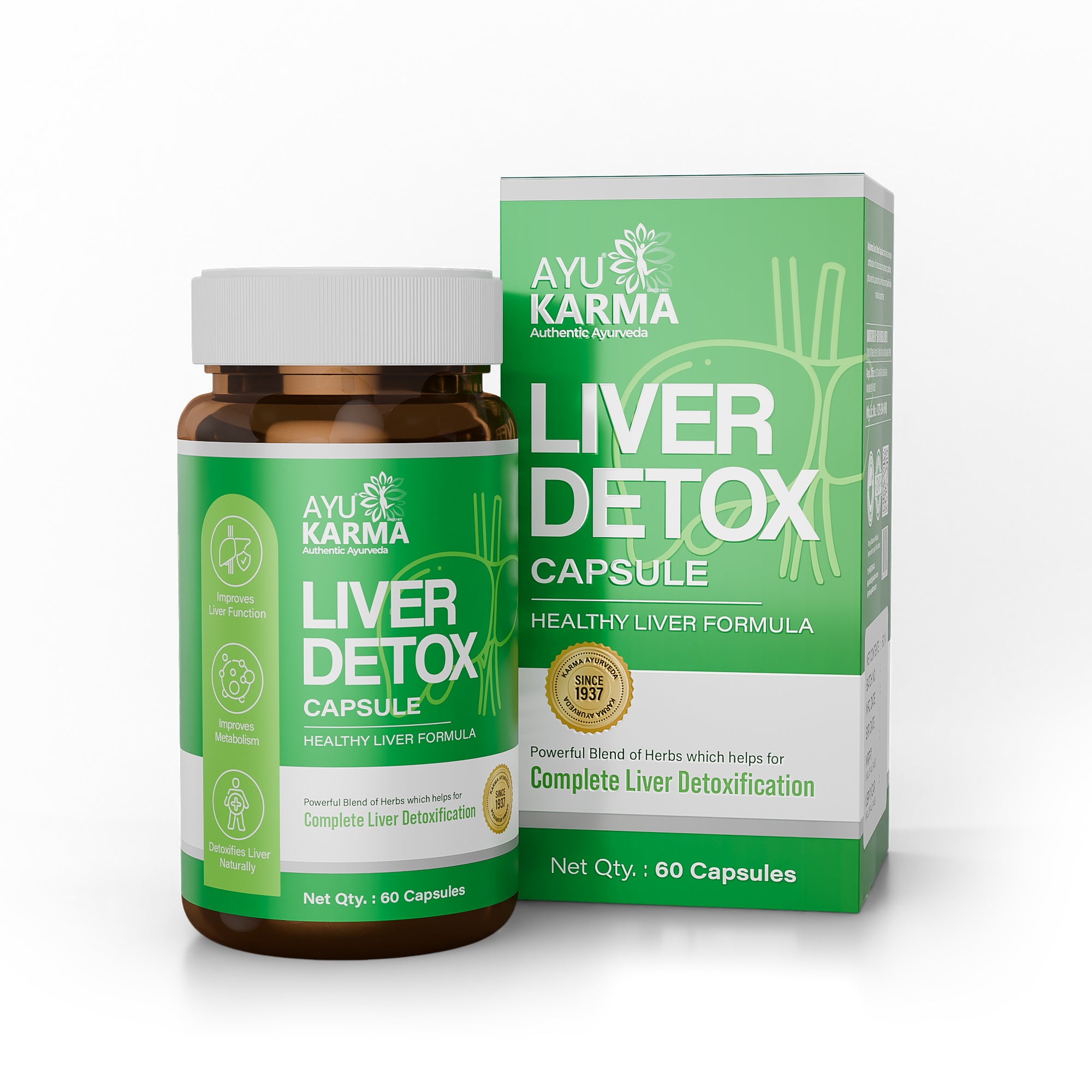
Doctor-recommended liver supplement that helps detoxify the liver, support healthy cholesterol, improve digestion & promote liver health. Developed by Dr. Puneet Dhawan with Karma Ayurveda philosophy.
Second Floor, 77, Block C, Tarun Enclave, Pitampura, New Delhi, Delhi, 110034

Certificate no- AH-2023-0186
JAN 05, 2026 - JAN 04, 2029

US FDA Reg. No.: 14568299376