Unlocking Wellness Naturally
100% Ayurvedic Treatment


So, your kidney reports came back looking like a bad report card, your doctor used the word "creatinine" about six times in one sentence, and now you're here, Googling at 11 PM. Relax. You're not alone, and no, your kidneys haven't personally betrayed you (though it might feel that way). Let's talk about kidney treatment in Sahibzada Ajit Singh Nagar, minus the scary jargon and plus a little honesty about what actually works.
Mohali (yes, that's the more commonly used name for the city, and we'll use both because that's how locals talk) has quietly become a place where people are exploring gentler, more sustainable options for kidney issues instead of jumping straight to dialysis or feeling doomed by a diagnosis. And that's where Ayurveda enters the chat.
Here's the thing about modern medicine and kidneys; it's brilliant at managing symptoms, but it doesn't always focus on why your kidneys are struggling in the first place. That's the gap Ayurveda tries to fill, and it's why so many families researching Karma Ayurveda in Sahibzada Ajit Singh Nagar end up sticking around after just one consultation.
People choose this route for a few very human reasons:
And honestly? A little bit of hope helps too. Nobody wants to hear "dialysis is your only option" without at least exploring what else is out there.
While Karma Ayurveda's flagship physical hospital is based out of Delhi NCR, patients across Punjab don't have to pack a bag and book a train ticket. Through structured online consultations, video-based follow-ups, and courier-delivered medicines, residents get full access to the same doctors and treatment protocols used at the main center; basically, the kidney treatment hospital in Sahibzada Ajit Singh Nagar experience, just without the hospital corridor smell.
What's typically included:
Trust isn't something you can slap onto a brochure; it's built over years of actual patient outcomes. Karma Ayurveda has been in this space for decades, and that track record is a big reason it keeps coming up when people search for a reliable kidney treatment clinic in Sahibzada Ajit Singh Nagar.
A quick, slightly cheeky comparison of what patients usually weigh before choosing:
(Not medical advice, just what patients tend to report; your mileage, kidneys, and doctor's opinion may vary.)
Honestly, almost anyone dealing with kidney concerns can explore this route; but a few groups tend to benefit the most:
If you're Googling "kidney treatment in Sahibzada Ajit Singh Nagar" because your reports look worrying, a consultation costs you nothing but a bit of time; and could save you a lot of stress later.
No mystery here, no confusing forms in triplicate. It usually goes like this:
It's the kind of process that makes seeking an Ayurvedic kidney treatment hospital in Sahibzada Ajit Singh Nagar feel less like a chore and more like, well, actual healthcare.
Mohali sits right next to Chandigarh and Panchkula, forming one of those tri-city clusters where people commute, work, and shop across borders like it's nothing. That means demand for good Ayurvedic treatment for kidney in Sahibzada Ajit Singh Nagar isn't just local; it's regional. Families from Zirakpur, Kharar, and even parts of Ludhiana often look here first because the area already has a reputation for solid healthcare infrastructure.
Plus, let's be real; nobody wants to travel to a different state when they're already stressed about a health issue. Local (or near-local, or remotely accessible) options matter.
Every clinic claims to be "different," we know. But here's what genuinely sets apart an Ayurvedic hospital in Sahibzada Ajit Singh Nagar-serving practice like Karma Ayurveda:
If you've been burned before by vague promises, this straightforwardness alone is often what convinces people to continue their Ayurvedic kidney treatment in Sahibzada Ajit Singh Nagar journey.
Ayurveda often gets side-eyed for lacking "real science" behind it, so let's address that directly instead of pretending it doesn't matter.
A study published in the Journal of Ethnopharmacology found that certain herbs traditionally used in Ayurvedic kidney formulations, including Punarnava (Boerhavia diffusa), showed measurable diuretic and anti-inflammatory effects in animal models, supporting their traditional use in renal disorders.
Research published in BMC Complementary Medicine and Therapies examined Rehmannia-based and Boerhavia-based formulations and reported improvements in markers related to kidney function in preclinical settings.
A review in the International Journal of Ayurveda Research discussed how herbo-mineral formulations, when used under supervision, were associated with reduced oxidative stress markers linked to progressive kidney damage.
None of this means Ayurveda replaces emergency dialysis or transplant care when those are medically necessary; it means there's a growing body of research suggesting these herbs aren't just placebo dressed in tradition. Worth discussing with your treating doctor either way.
Yes, when supervised by a qualified doctor, formulations are usually adjusted specifically for these conditions.
It can support and slow progression in many cases, but complete reversal depends heavily on the individual's condition and stage.
Not necessarily; online consultations cover reports, prescriptions, and follow-ups without any travel required.
Most patients notice changes over a few months, though timelines vary based on kidney function stage.
Not always; sometimes it's used alongside dialysis rather than as a full replacement, based on doctor's advice.
This blog is for general informational purposes only and isn't a substitute for professional medical advice, diagnosis, or treatment. Kidney conditions vary widely between individuals; always consult a qualified healthcare provider before starting or stopping any treatment, Ayurvedic or otherwise.
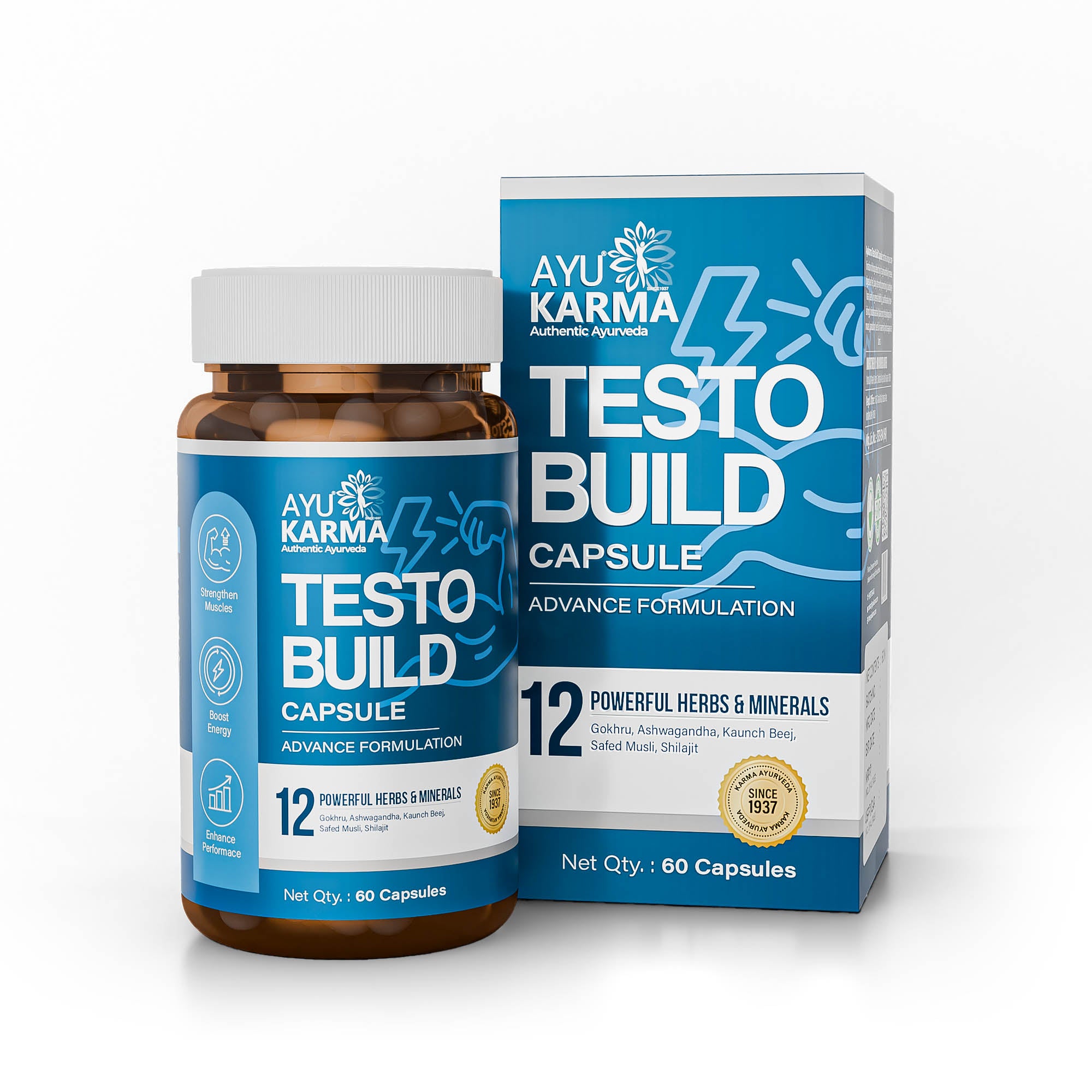
AyuKarma Testo Build Capsules combine 12 Ayurvedic herbs and minerals to support strength, energy, stamina, physical performance, nourishment and overall daily vitality.

AyuKarma Hair Lush Capsules combine Ayurvedic herbs to support hair growth, reduce hair fall, strengthen roots, nourish the scalp and promote healthier-looking hair.

Karma Garcom Capsules contain Garcinia indica to support healthy metabolism, digestion, weight management, digestive comfort and daily wellness alongside a balanced lifestyle.
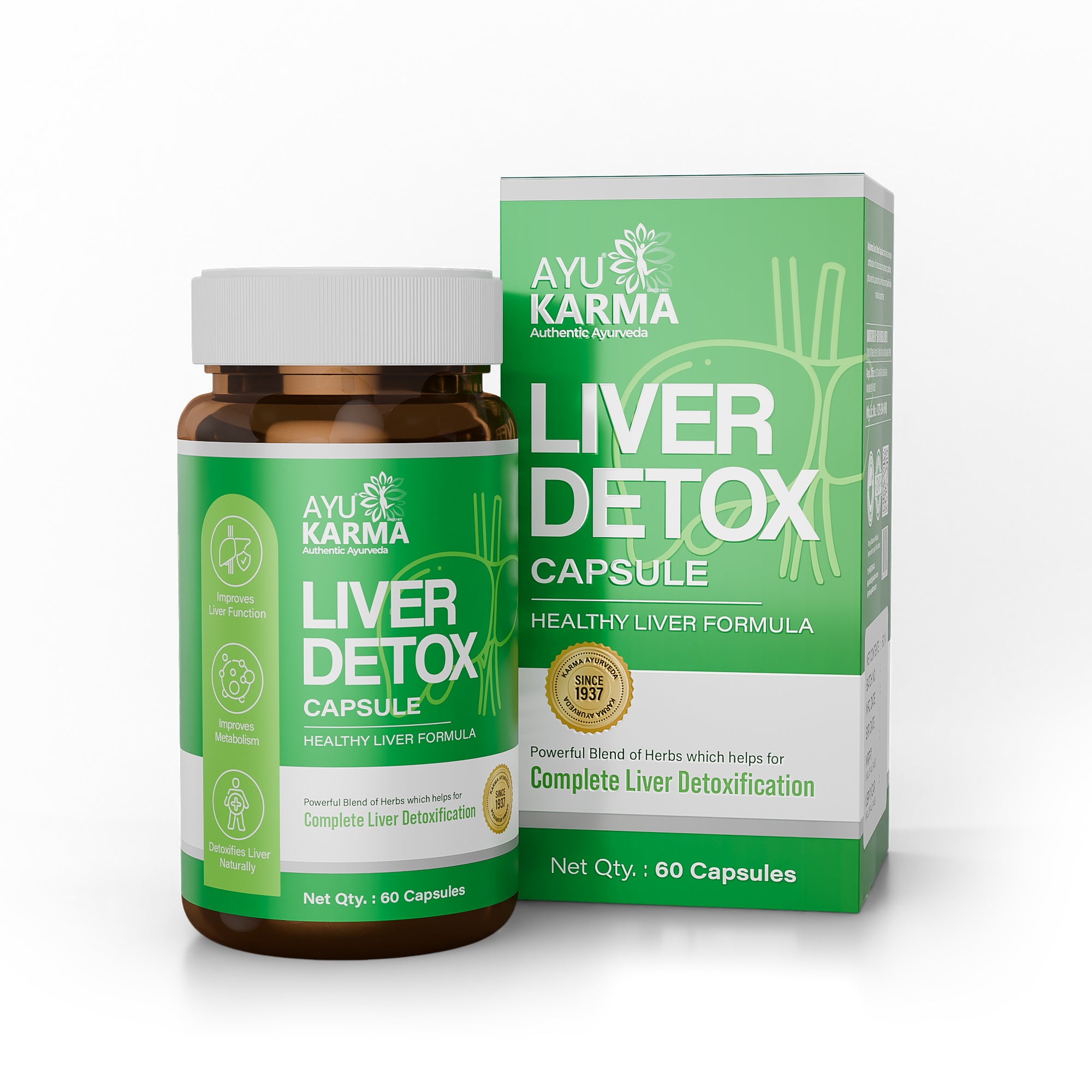
Doctor-recommended liver supplement that helps detoxify the liver, support healthy cholesterol, improve digestion & promote liver health. Developed by Dr. Puneet Dhawan with Karma Ayurveda philosophy.
Second Floor, 77, Block C, Tarun Enclave, Pitampura, New Delhi, Delhi, 110034

Certificate no- AH-2023-0186
JAN 05, 2026 - JAN 04, 2029

US FDA Reg. No.: 14568299376