Unlocking Wellness Naturally
100% Ayurvedic Treatment

If you're looking for kidney treatment in Surat while also exploring natural and holistic options, Ayurveda is often one of the approaches people consider alongside conventional medical care. Instead of focusing only on symptoms, Ayurvedic care looks at the body's overall balance, lifestyle, and long-term wellness. Let's explore how this approach works and what patients in Surat should know before making a decision.
When dealing with a chronic kidney condition, people usually want more than just medicines. They want answers, reassurance, and a treatment plan that fits into real life.
Although Karma Ayurveda in Surat does not currently have a permanent physical hospital, patients from Surat can still access expert Ayurvedic care through online consultations, medicine delivery, and guided follow-up programs. This allows individuals to receive continuous support without travelling frequently.
Many patients choose Karma Ayurveda because it focuses on:
For individuals searching for Ayurvedic kidney treatment in Surat, virtual consultations have made specialized care much more accessible than before.
While there isn't a physical center in the city, patients from Surat can still receive comprehensive guidance through online services.
Here's what typically includes:
Patients looking for an Ayurvedic hospital in Surat often appreciate that online care eliminates unnecessary travel while maintaining regular communication with experienced practitioners.
After all, your kidneys probably don't care whether the advice reaches you through a clinic chair or a video call; they just want you to take good care of them.
Finding the right healthcare provider isn't just about fancy buildings or impressive websites.
A good Kidney treatment hospital in Surat should ideally offer:
Remember, Ayurveda should complement; not replace; appropriate medical evaluation, especially in moderate to advanced kidney disease.
Trust isn't built with advertisements.
It's built when:
Whether someone visits a Kidney treatment clinic in Surat or consults specialists online, these qualities matter far more than shiny reception areas.
Patients searching for an Ayurvedic Kidney treatment should also verify practitioner qualifications and ensure that treatment plans are transparent and evidence-informed.
Although consultations are currently available online, many types of kidney patients may benefit from Ayurvedic supportive care after proper medical evaluation.
These include people with:
Individuals considering Ayurvedic treatment for kidney disease should always discuss their treatment plans with both their nephrologist and Ayurvedic physician.
Because teamwork usually works better than guesswork.
One of the biggest concerns people have is, "How does an online kidney consultation even work?"
Thankfully, it's simpler than assembling furniture from an instruction manual.
Here's the usual process:
Step 1: Share Your Reports
Recent blood tests, urine reports, imaging, and current medications are reviewed.
Step 2: Medical Consultation
The physician understands:
Step 3: Personalized Plan
Recommendations may include:
Step 4: Regular Monitoring
Kidney conditions change over time, so periodic review is important.
This is one reason many patients continue consulting Karma Ayurveda in Surat through online follow-up services.
Surat has become one of Gujarat's fastest-growing cities, with increasing awareness about preventive healthcare.
As diabetes and hypertension continue to rise, so do kidney-related disorders.
Many families now prefer exploring holistic healthcare options alongside standard treatment, especially for chronic illnesses requiring long-term management.
This growing awareness has increased interest in kidney treatment in Surat that combines lifestyle improvement with conventional medical monitoring.
Ayurveda doesn't usually ask just one question.
Instead of asking only "What's your creatinine level?"
It also asks:
This whole-person perspective is one reason many individuals seek Ayurvedic kidney treatment in Surat as supportive care.
Ayurvedic recommendations often include:
People looking for Ayurvedic treatment for kidney in Surat often appreciate this personalized approach.
Similarly, those searching for an Ayurvedic hospital in Surat frequently value guidance that extends beyond medicines alone.
Ayurveda has a long traditional history, but modern research is gradually exploring its role in chronic diseases, including kidney disorders.
Some noteworthy studies include:
1. KDIGO Clinical Practice Guidelines (Kidney Disease: Improving Global Outcomes)
The internationally recognized KDIGO guidelines emphasize:
These recommendations align with several supportive lifestyle practices encouraged in Ayurveda.
2. Chronic Renal Insufficiency Cohort (CRIC) Study
The CRIC Study demonstrated the importance of:
All of these significantly influence kidney disease progression.
3. National Center for Complementary and Integrative Health (NCCIH)
NCCIH recommends that herbal therapies should always be discussed with healthcare providers, particularly in chronic kidney disease, since not all herbal products are safe for reduced kidney function.
This is why qualified supervision is essential when choosing an Ayurvedic Kidney treatment hospital in Surat or any complementary therapy.
Current scientific evidence suggests that Ayurveda may have a supportive role in overall wellness, symptom management, and lifestyle modification, but it should not replace evidence-based medical care, dialysis when indicated, or kidney transplantation where medically necessary.
Living with kidney disease can feel overwhelming, but it doesn't have to feel lonely.
The good news is that healthcare today is becoming more integrated. Conventional medicine provides accurate diagnosis and emergency management, while Ayurveda may offer supportive strategies focused on nutrition, lifestyle, and long-term wellbeing.
If you're exploring kidney treatment in Surat, choose qualified professionals, ask plenty of questions, and look for a treatment plan that respects both science and your individual needs.
Your kidneys have been quietly working for you every single day. Returning the favor seems like a pretty fair deal.
It may provide supportive care alongside standard medical treatment under expert supervision.
Sometimes yes, but only after both your doctors review the medications together.
Yes, follow-up consultations can often be managed effectively with medical reports and regular communication.
Your nephrologist decides the schedule based on your kidney condition and overall health.
Absolutely; they're one of the most important parts of long-term kidney care.
This article is for educational purposes only and should not be considered medical advice. Ayurvedic therapies should always be used under the guidance of qualified healthcare professionals and alongside appropriate medical care. Never stop prescribed medicines or delay consultation with a nephrologist based solely on information shared in this article.
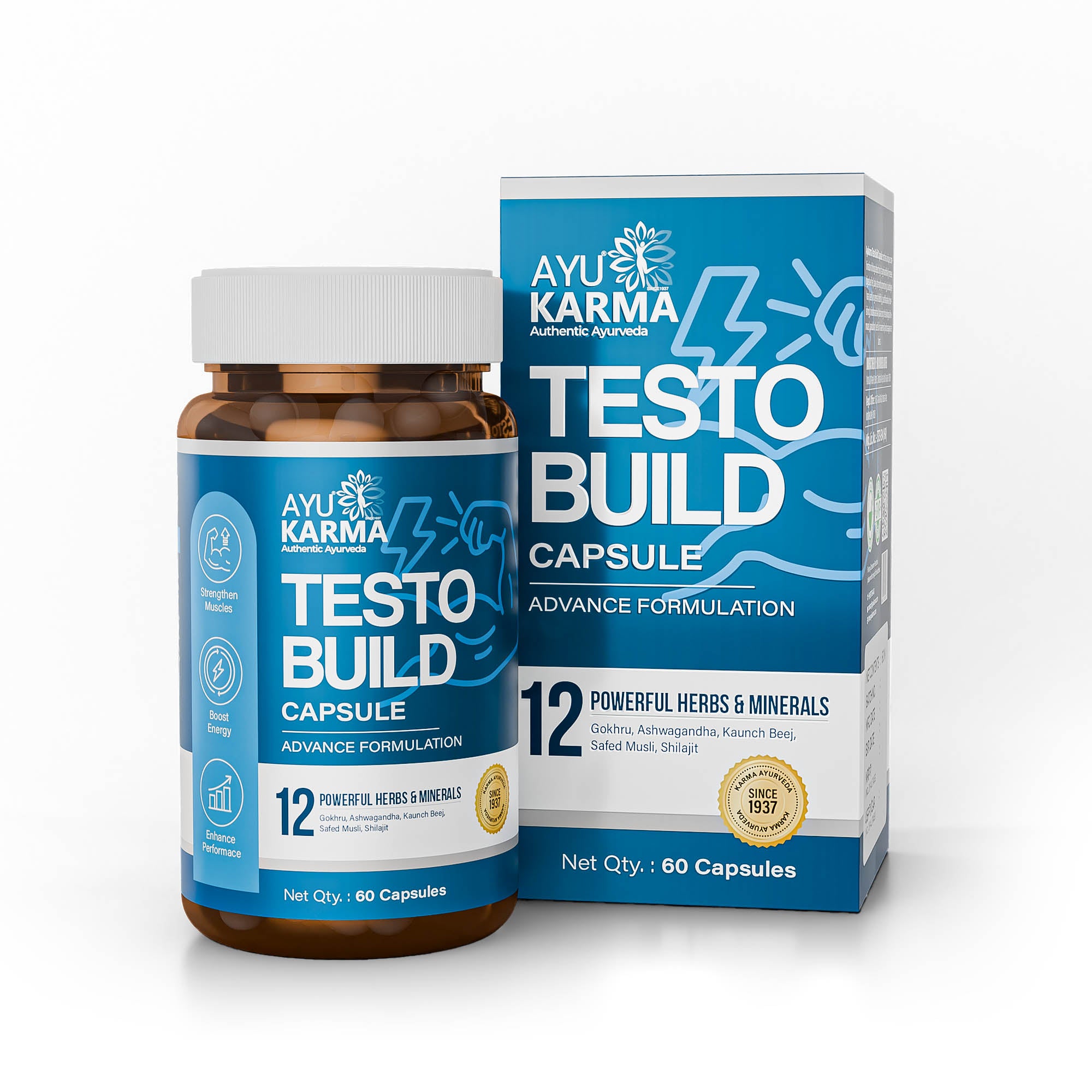
AyuKarma Testo Build Capsules combine 12 Ayurvedic herbs and minerals to support strength, energy, stamina, physical performance, nourishment and overall daily vitality.

AyuKarma Hair Lush Capsules combine Ayurvedic herbs to support hair growth, reduce hair fall, strengthen roots, nourish the scalp and promote healthier-looking hair.

Karma Garcom Capsules contain Garcinia indica to support healthy metabolism, digestion, weight management, digestive comfort and daily wellness alongside a balanced lifestyle.
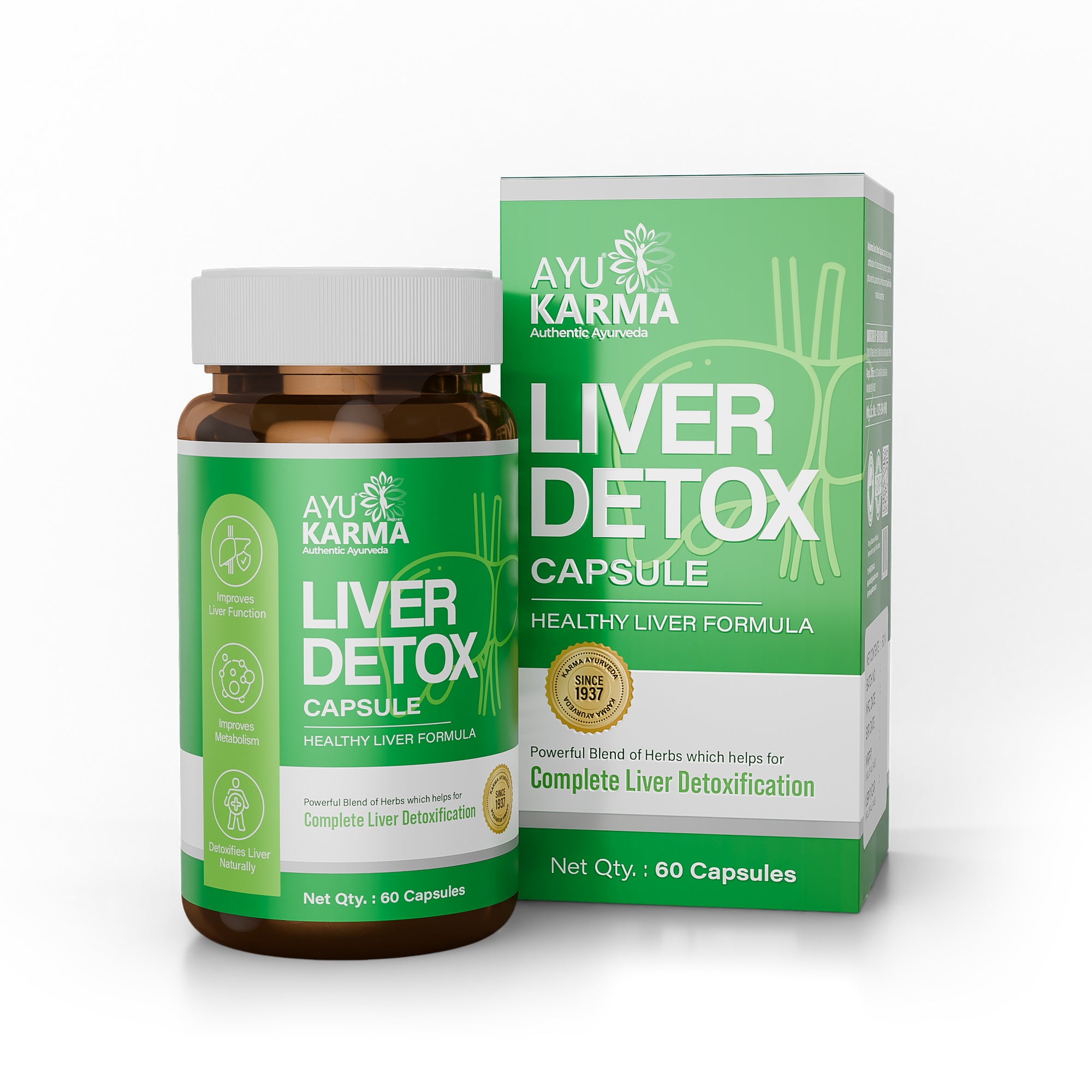
Doctor-recommended liver supplement that helps detoxify the liver, support healthy cholesterol, improve digestion & promote liver health. Developed by Dr. Puneet Dhawan with Karma Ayurveda philosophy.
Second Floor, 77, Block C, Tarun Enclave, Pitampura, New Delhi, Delhi, 110034

Certificate no- AH-2023-0186
JAN 05, 2026 - JAN 04, 2029

US FDA Reg. No.: 14568299376