Unlocking Wellness Naturally
100% Ayurvedic Treatment
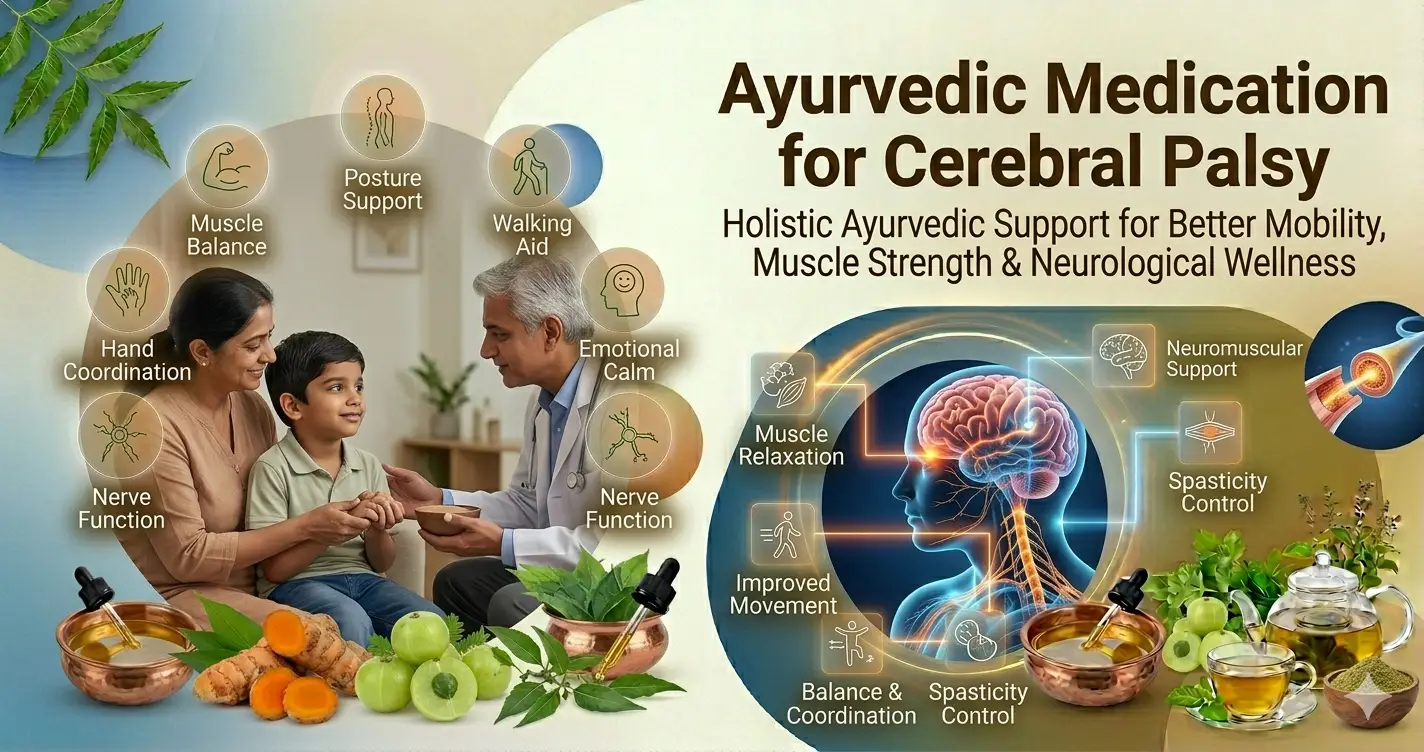
When a child is diagnosed with cerebral palsy, life can suddenly feel like someone pressed the fast-forward button on stress. Therapy appointments, medical terms you’ve never heard before, and advice coming from every direction. In the middle of all this, many parents start looking for natural and supportive options like Ayurvedic medicine for cerebral palsy.
And honestly, that curiosity makes sense. When you’re caring for a child with special needs, you want to explore every safe and supportive path available.
Let’s understand how Ayurveda looks at cerebral palsy; in simple, real-world language.
Cerebral palsy (CP) happens due to damage to the developing brain, usually before or during birth. It mainly affects muscle movement, posture, balance, and sometimes speech.
In Ayurveda, conditions like CP are often linked to an imbalance in Vata dosha. Vata controls movement, nerve impulses, and coordination. When Vata becomes disturbed, it can lead to stiffness, poor muscle control, tremors, and delayed development.
So, in Ayurvedic thinking, the goal is simple: calm the aggravated Vata and nourish the nervous system.
No complicated rocket science. Just balance.
Unlike modern medicine, which focuses mainly on managing symptoms, Ayurvedic treatment for cerebral palsy takes a whole-body approach. It looks at digestion, sleep, immunity, muscle tone, and mental development; everything together.
The idea is not to “cure” CP (because brain injury cannot simply be reversed), but to improve muscle flexibility, coordination, strength, and overall quality of life.
And yes, this requires patience. Ayurveda is not instant noodles. It’s slow cooking.
A major part of herbal treatment for cerebral palsy includes carefully selected Ayurvedic herbs that support nerve and muscle function.
Some commonly recommended herbs include:
These herbs aim to gently nourish the nervous system over time. When given under expert supervision, they may help reduce stiffness and improve muscle response.
Many reputed Ayurvedic centers, including Karma Ayurveda Hospital, have worked with families seeking holistic support for neurological conditions. Under the guidance of experienced practitioners like Dr. Puneet Dhawan, treatment plans are usually personalized based on the child’s condition, age, and body constitution.
That personalization is very important. Every child is different.
One of the most beneficial parts of natural treatment for cerebral palsy is therapeutic massage and Panchakarma-based therapies.
Abhyanga (medicated oil massage) is widely used to calm Vata. Warm herbal oils are gently massaged into the body to improve blood circulation, reduce muscle stiffness, and relax tight areas.
Shirodhara, where warm oil is poured steadily on the forehead, is sometimes used to soothe the nervous system. It may help with sleep issues and irritability.
These therapies are not painful or aggressive. In fact, many children find them deeply relaxing. And let’s be honest; even adults would happily sign up for that kind of relaxation.
Ayurveda strongly believes that digestion plays a key role in healing. Weak digestion can reduce nutrient absorption, which affects overall strength and immunity.
Children with CP may sometimes face constipation or digestive issues. Ayurvedic practitioners often recommend warm, freshly prepared, easy-to-digest meals. Soft foods like khichdi, vegetable soups, and lightly spiced dishes are preferred.
Cold, dry, and highly processed foods are usually limited because they aggravate Vata.
In simple terms: warm food, regular timing, and less junk.
Sometimes the smallest dietary changes make noticeable improvements.
Let’s keep this real and honest.
Cerebral palsy is caused by brain injury. Ayurveda does not claim to reverse that injury. However, Ayurveda for cerebral palsy focuses on improving muscle flexibility, reducing stiffness, supporting nerve health, and enhancing overall development.
Parents who opt for long-term Ayurvedic care often report improvements in sleep, digestion, muscle relaxation, and attention span.
The keyword here is “support.” It’s about helping the child function better and live more comfortably.
Here’s something important: Ayurveda works best alongside physiotherapy, speech therapy, and occupational therapy.
Think of it as teamwork.
Together, they can create better outcomes than relying on one method alone.
Even though herbs are natural, they are powerful. Dosage, preparation, and duration matter greatly.
If you are considering Ayurvedic medicine for cerebral palsy, always consult a qualified and experienced Ayurvedic doctor. Reputed institutions like Karma Ayurveda Hospital, led by professionals such as Dr. Puneet Dhawan, emphasize personalized care and proper supervision.
Self-medication is never a good idea, especially in children.
Living with cerebral palsy is a journey; not a sprint. Some days will feel like victories. Some days will test your patience. That’s normal.
Ayurveda offers a gentle, supportive path. It focuses on balance, nourishment, and calming the nervous system. With consistent care, small improvements can add up over time.
And sometimes, those small improvements; better sleep, relaxed muscles, improved focus; mean everything.
If you’re exploring options, take your time. Ask questions. Consult experts. And remember, progress may be slow, but every step forward matters.
Yes, when taken under the supervision of a qualified Ayurvedic doctor.
No, but it may help improve muscle flexibility, strength, and overall quality of life.
Results vary, but consistent treatment over several months is usually required.
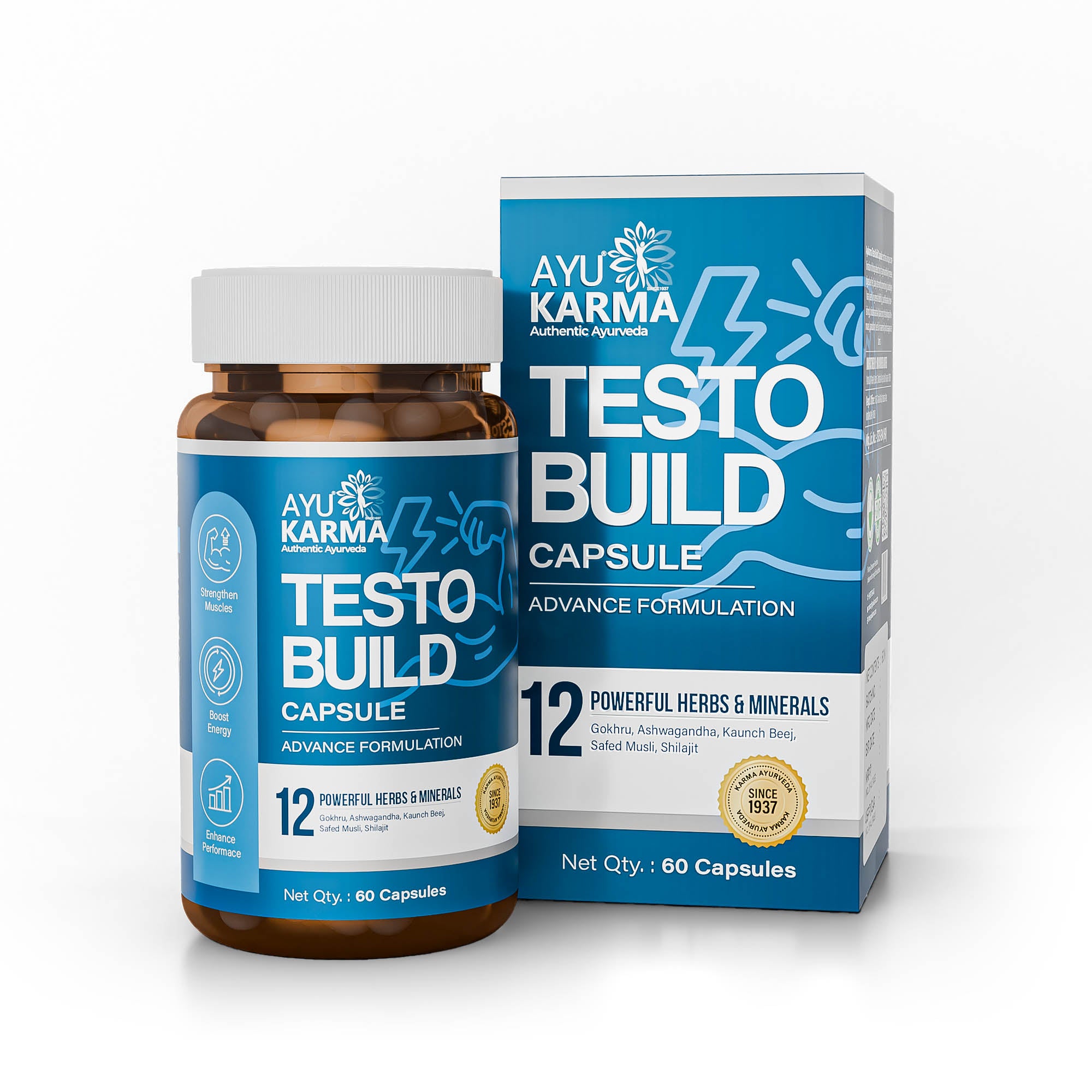
AyuKarma Testo Build Capsules combine 12 Ayurvedic herbs and minerals to support strength, energy, stamina, physical performance, nourishment and overall daily vitality.
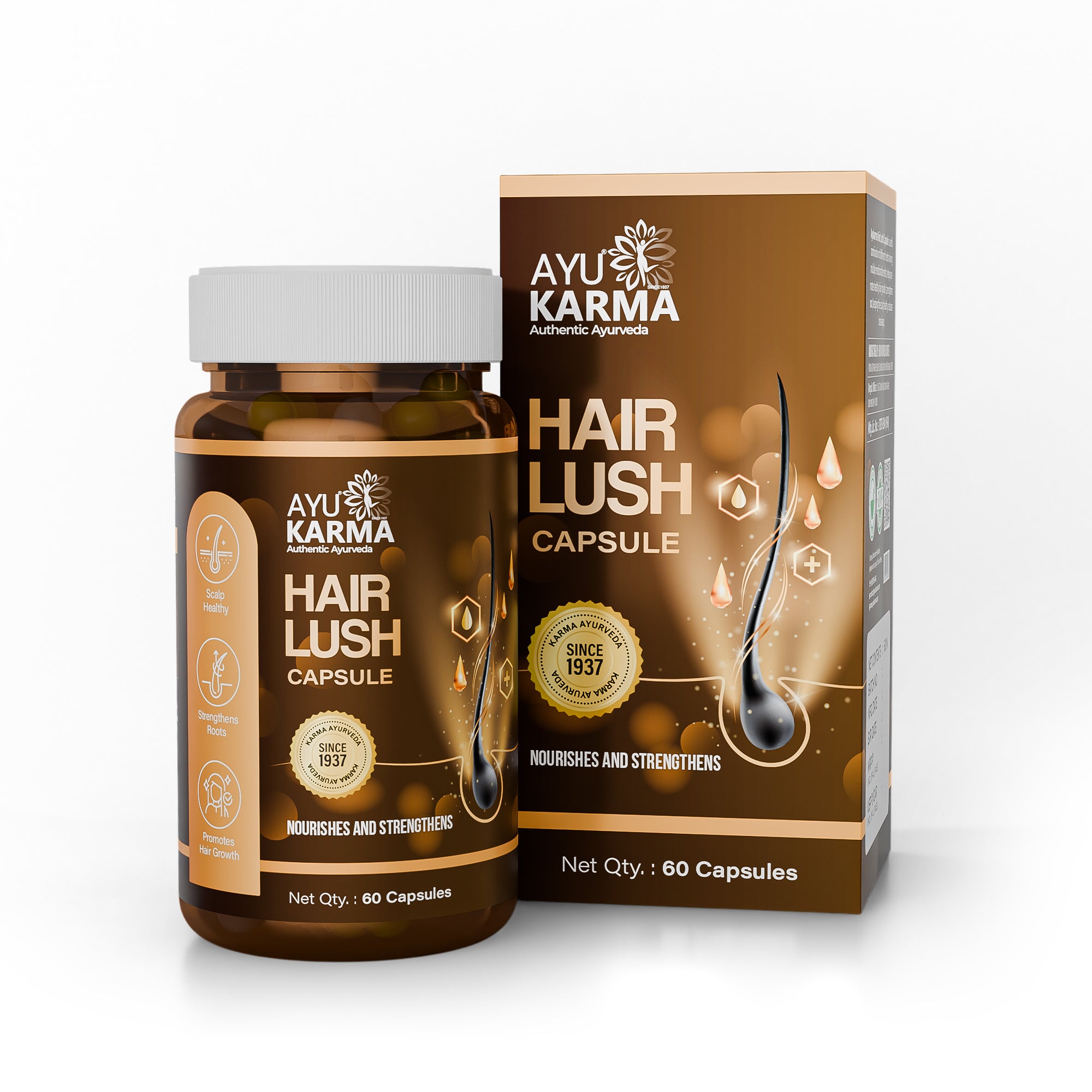
AyuKarma Hair Lush Capsules combine Ayurvedic herbs to support hair growth, reduce hair fall, strengthen roots, nourish the scalp and promote healthier-looking hair.
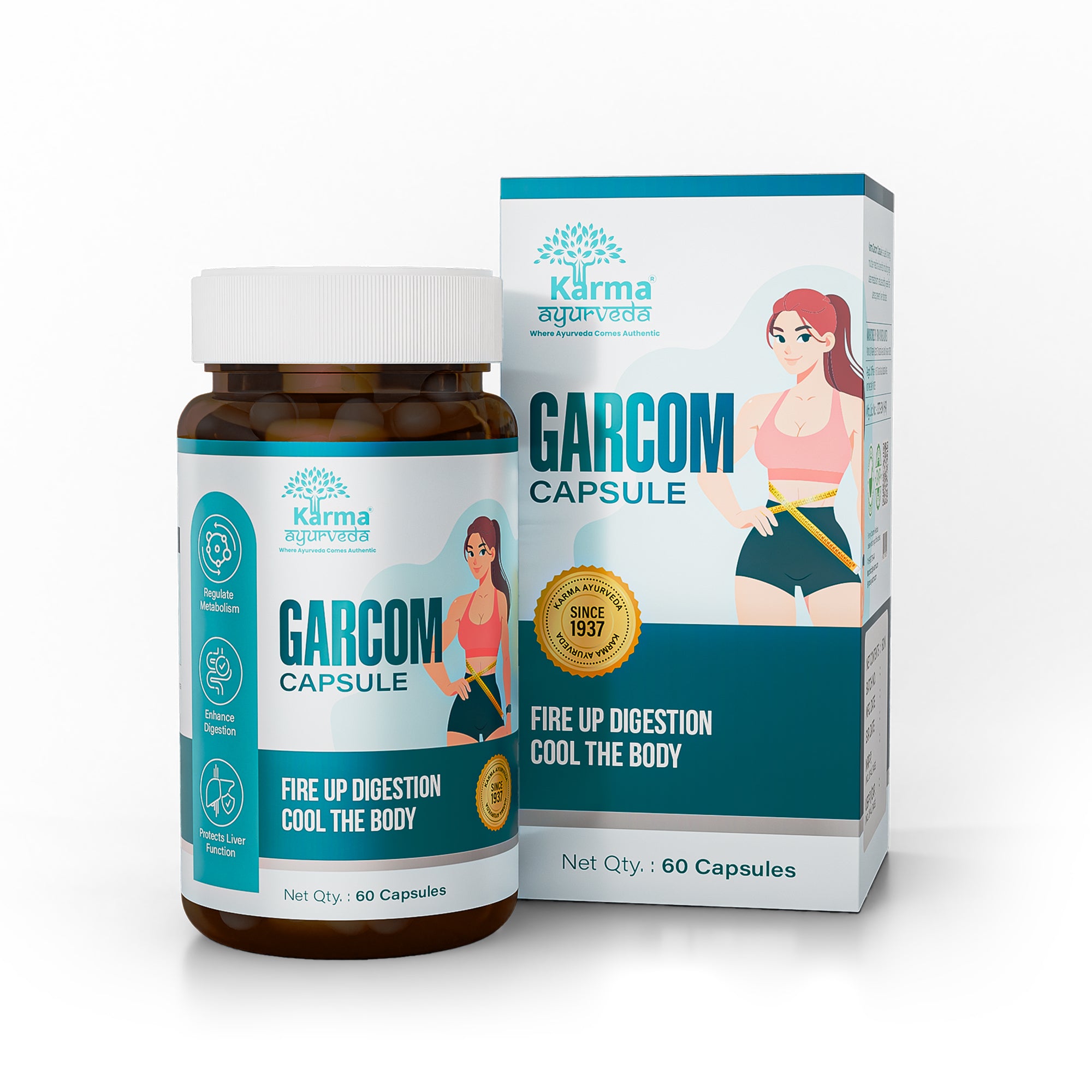
Karma Garcom Capsules contain Garcinia indica to support healthy metabolism, digestion, weight management, digestive comfort and daily wellness alongside a balanced lifestyle.
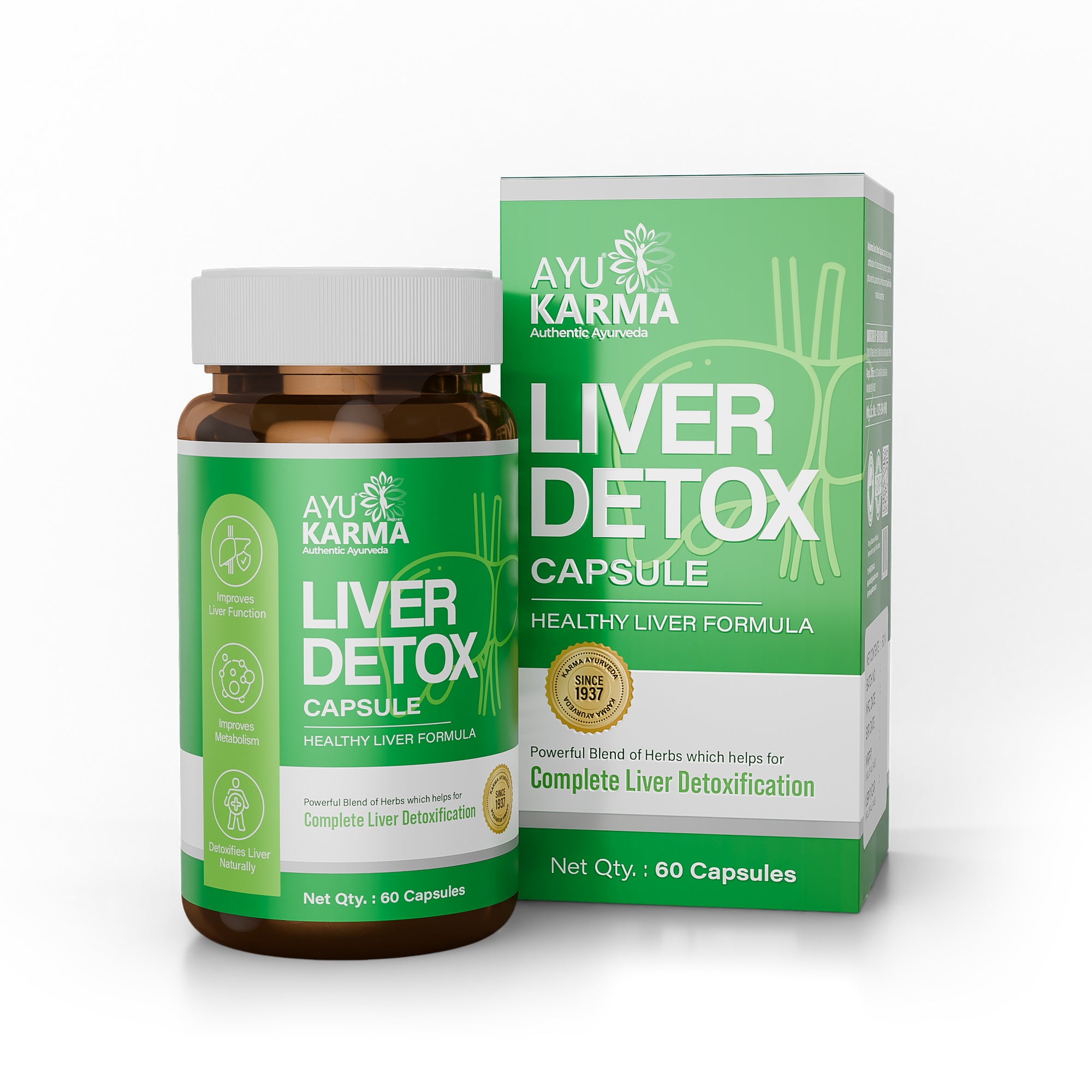
Doctor-recommended liver supplement that helps detoxify the liver, support healthy cholesterol, improve digestion & promote liver health. Developed by Dr. Puneet Dhawan with Karma Ayurveda philosophy.
Second Floor, 77, Block C, Tarun Enclave, Pitampura, New Delhi, Delhi, 110034
Certificate no- AH-2023-0186
JAN 05, 2026 - JAN 04, 2029
US FDA Reg. No.: 14568299376