
What Dal Is Best for Kidneys?; Friendly Guide
The best dal for kidneys is usually moong dal, especially the green one. The reasons for it are that moong dal is very easily digested and has less potassium and phosphorus in it compared to other kinds of lentils.
If you've heard the phrase "Watch your diet", your first thought was "So... no dal?". Relax. It's not prohibited. It just needs some strategy.
Dal's Shortcomings as a Protagonist
Dal is a plant protein that is easier on exhausted filters compared to heavy red meat. In the study by Moe and colleagues (Clinical Journal of the American Society of Nephrology, 2011), vegetarian protein sources resulted in reduced phosphorus levels compared to meat in people with chronic kidney disease.
There is a problem; lentils also contain lots of potassium and phosphorus. A big bowl of it every day will contribute a lot to the excess minerals in the blood, which will stay there for some time due to the reduced functioning of the cleanup crew.
Moong Dal VS Others
Well, it's a quick, honest comparison. Your lab report is the last word, not me.
| Dal | Relative Mineral Load | Funny Verdict |
|---|---|---|
| Yellow moong (skinned) | Lower | The polite houseguest |
| Masoor (red lentil) | Moderate | Fine, but keep portions modest |
| Toor/arhar | Moderate to higher | Tasty, so watch your second helping |
| Rajma, chana, urad | Higher | Delicious, but a negotiation |
That's why moong dal for kidney patients is a good starting point. They are easy to cook and tasty and rarely cause bloating problems.
Cooking Tricks Which Really Work
Ways of cooking dal result in the following:
- Soak it for a few hours.
- Boil in fresh water and drain prior to final tempering.
- Take small quantities; usually, it's half a katori, but your dietician can specify otherwise.
- Be very conservative with salt because tadka itself has a lot of it already.
According to the paper of Burrowes and Ramer published in the Journal of Renal Nutrition (2008), the potassium content of vegetables is reduced by boiling and soaking. In addition, this idea of leaching is often applied to legumes. Also, the 2024 KDIGO guideline on chronic kidney disease suggests personalized nutrition recommendations for each person.
Teasing the Ayurvedic Perspective
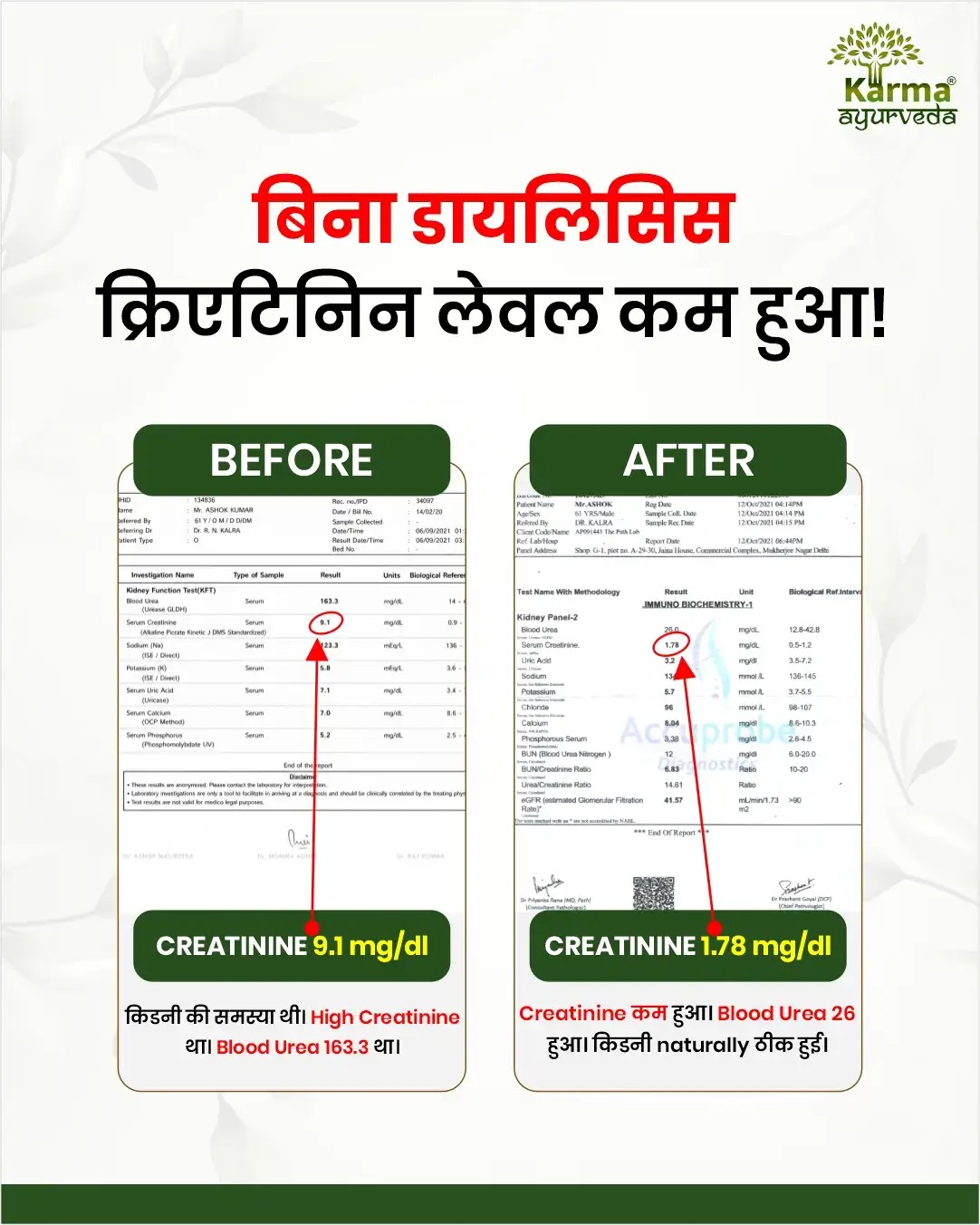
It is common when people start looking for Ayurvedic treatments for renal disease due to restrictions. In Ayurveda, there is an emphasis on the digestive system, routines, and combinations of food items. This explains why moong dal is frequently used in khichdi dishes. If you are looking for the best Ayurvedic treatment for kidney disease, consider Ayurveda as an additional measure and your nephrologist as a primary practitioner.
Additionally, some people are searching for natural treatment approaches to kidney disease. These techniques usually involve drinking more water, engaging in physical activities and paying attention to one's diet. Although this may be a useful supplement to medical care, they cannot be used as a substitute for it.
Herbalism, practitioners, reality checks
Punarnava and Gokshura are often called the top herbs for kidneys in Ayurveda. Nevertheless, the amount of scientific studies on their usage is limited. Moreover, some herbs might negatively interact with medications or affect your potassium level, so you cannot treat yourself. Dr. Puneet Dhawan suggests that a personalized approach to the treatment is required because everybody responds differently.
Who Should Be Extra Careful?
Talk to your doctor or renal dietitian before changing dal consumption if you have any of the following conditions:
- Have chronic kidney disease or are on dialysis.
- You were told your potassium or phosphorus level runs high
- Take medications that affect potassium
Closing Thoughts
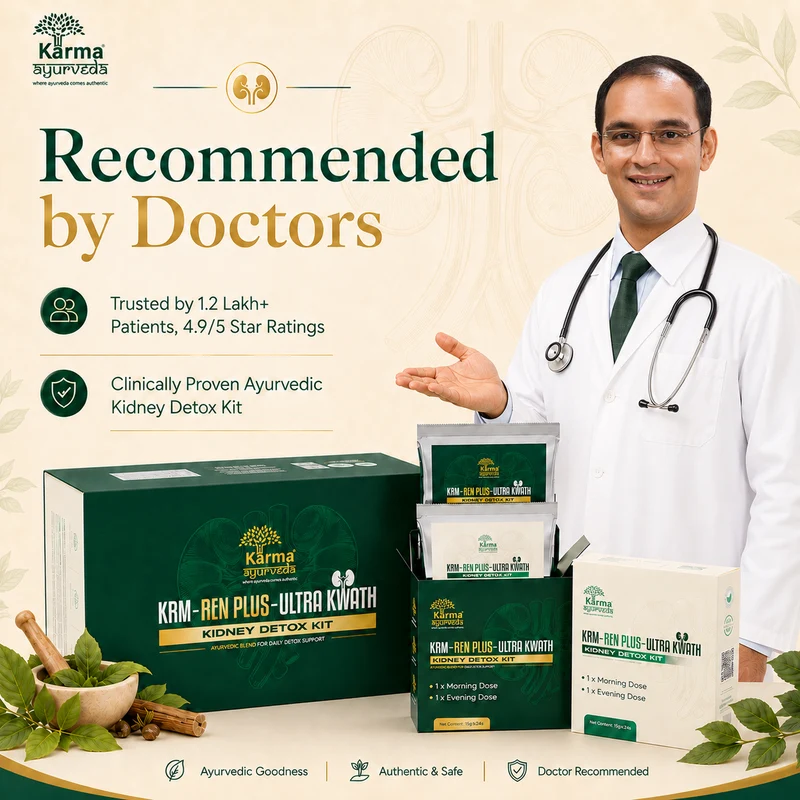
Still, you can enjoy delicious dishes cooked with dal. Just choose moong dal and cook it wisely in modest portions. You can find a number of resources like Karma Ayurveda when dealing with kidney disease treatment. But do not forget to consult your doctor about it.
Key Takeaways
- Yellow moong dal is normally the safest choice.
- Soaking and boiling in fresh water helps in decreasing the mineral content.
Portion size is of no less importance than the choice of dal
- The results of laboratory tests decide whether you should take your tests in another clinic or country.
- Ayurvedic treatments should be used in addition to the conventional treatment, but not instead of it.
Disclaimer
This blog is for general education only and isn’t medical advice. Dietary needs vary widely in kidney conditions. Please consult your nephrologist or renal dietitian before changing your diet, medicines or starting any herbal remedy.