Unlocking Wellness Naturally
100% Ayurvedic Treatment

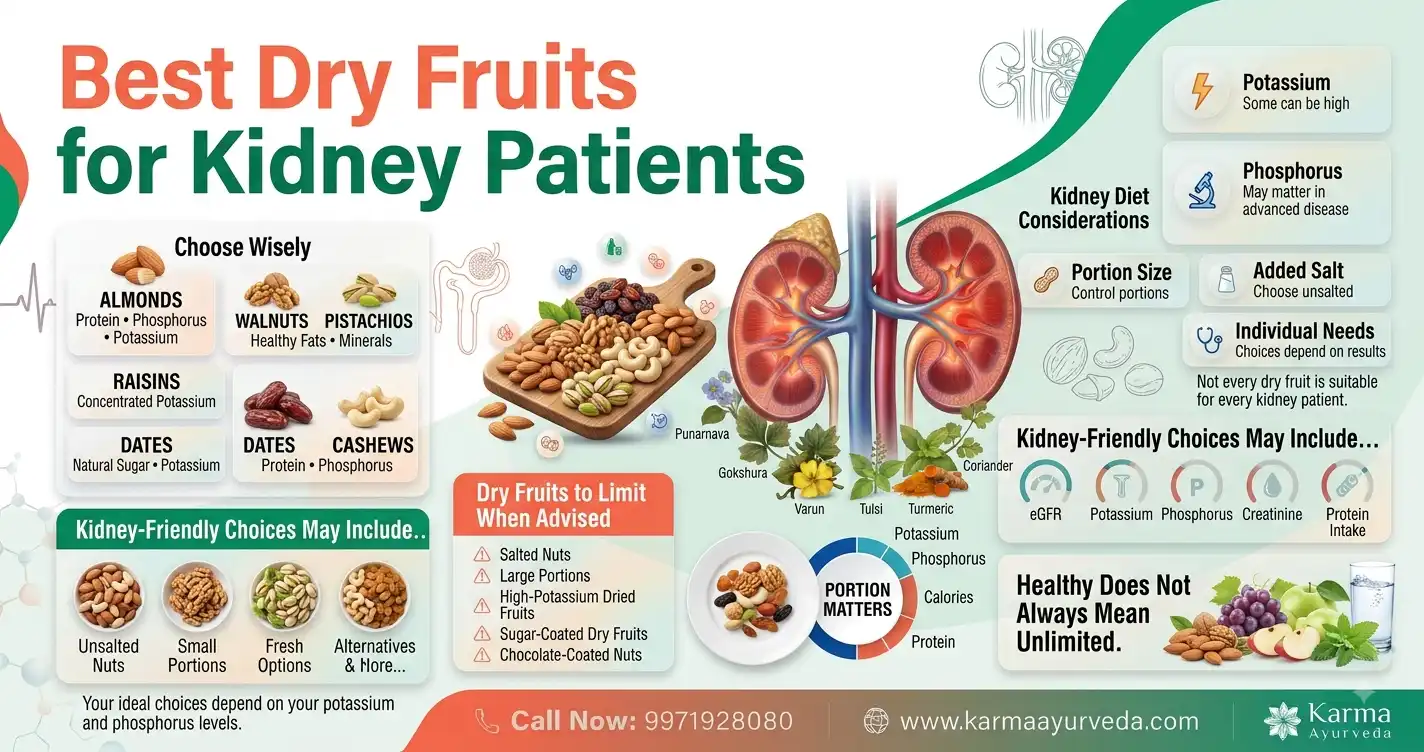
Macadamia nuts, pecans, walnuts, and strictly soaked or portion-controlled almonds for kidney patients are generally the safest dry fruits to consume in moderation, while high-potassium dried fruits like raisins and dates must be strictly limited.
Navigating a renal diet often feels like trying to crack a safe without the combination code. One day you’re enjoying a healthy trail mix, and the next, your doctor gives you a worried look over your lab results. The good news is that living with kidney issues doesn’t mean your snacking life is reduced to plain ice cubes and rice cakes.
Your kidneys are like high-efficiency water filters working around the clock. When they hit a snag, minerals like potassium and phosphorus start backing up in the system.
For years, standard medical advice was simple: ban all nuts and dried fruits. But modern nutritional science has gotten a lot smarter. It turns out that plant-based phosphorus; found naturally in nuts; isn't absorbed nearly as aggressively by the human body as synthetic phosphorus additives. In fact, studies published in the Journal of Renal Nutrition demonstrate that only 20% to 40% of plant-bound phosphorus (phytate) is actually absorbed during digestion. That means best dry fruits for kidney patients can actually stay on the menu if chosen wisely!
Not all nuts are created equal in the eyes of a renal dietitian. Here are the top performers when you want a satisfying crunch without overworking your organs:
Values are approximate and based on standard nutritional data for unsalted, raw, or dry-roasted nuts.
When dealing with chronic condition management, exploring integrative dietary strategies often comes up. Approaches like Ayurvedic treatment for kidney disease emphasize balancing internal bodily energies (Doshas) through customized plant-based diets, herbal formulations, and gentle lifestyle routines.
Institutions specializing in traditional wellness, such as Karma Ayurveda, frequently advocate for natural, unrefined foods that minimize metabolic strain on the filtration system. Integrating these traditional principles alongside modern clinical nephrology can offer a well-rounded perspective on daily lifestyle management.
Yes, but only in small, controlled portions and ideally soaked overnight to reduce mineral levels.
Macadamia nuts hold the crown with the lowest potassium and phosphorus levels among popular tree nuts.
Removing water concentrates their natural potassium levels into a dense, dangerous package for weak kidneys.
Yes, holistic frameworks like Ayurvedic treatment for kidney disease focus on tailored herbal and dietary routines to reduce renal workload.
This article is for informational and educational purposes only and does not constitute medical advice. Renal diet needs vary drastically based on blood work, CKD stage, and dialysis status. Always consult your nephrologist or a qualified renal dietitian before making changes to your diet.
Continue using AI Cursor?Keep it onTurn Off
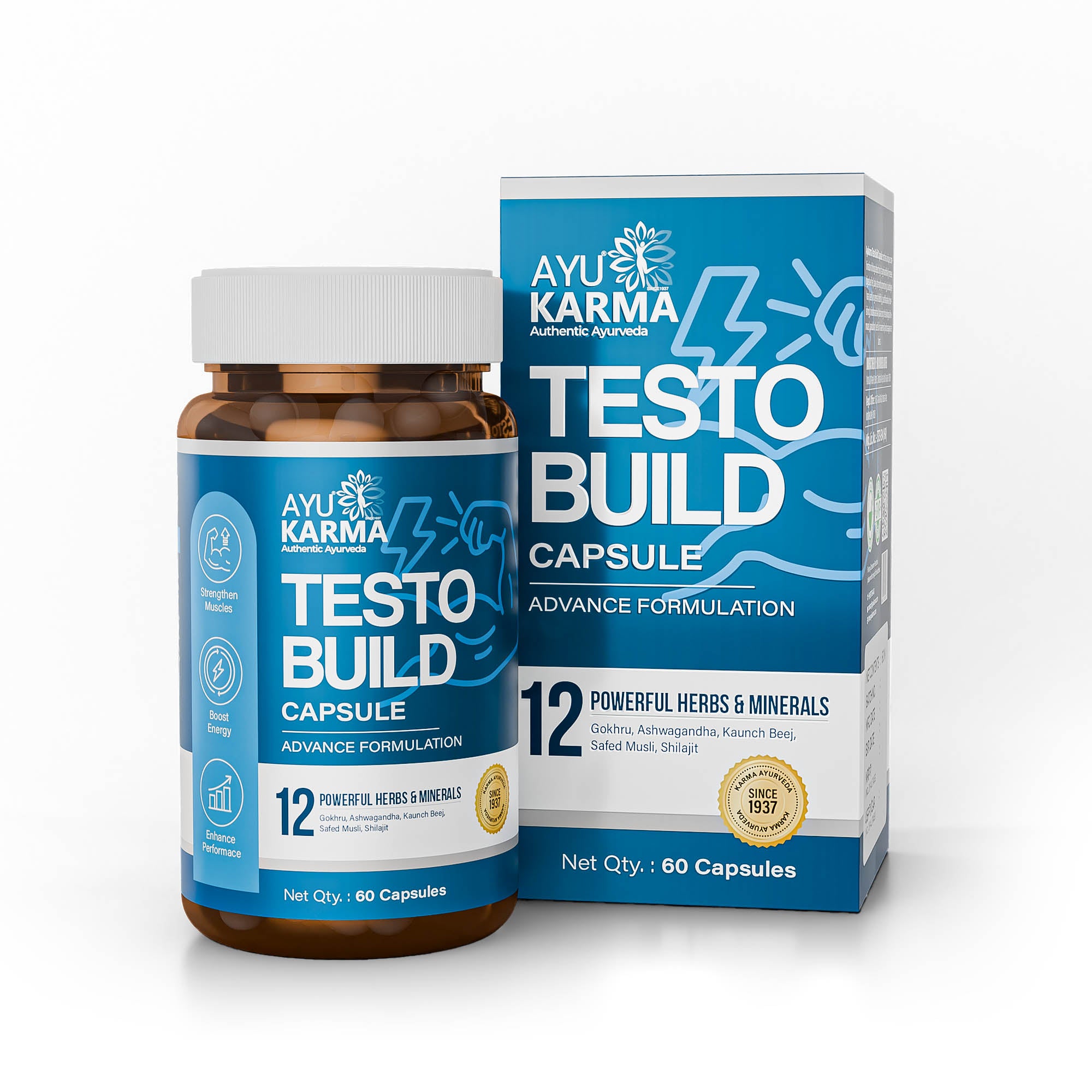
AyuKarma Testo Build Capsules combine 12 Ayurvedic herbs and minerals to support strength, energy, stamina, physical performance, nourishment and overall daily vitality.

AyuKarma Hair Lush Capsules combine Ayurvedic herbs to support hair growth, reduce hair fall, strengthen roots, nourish the scalp and promote healthier-looking hair.
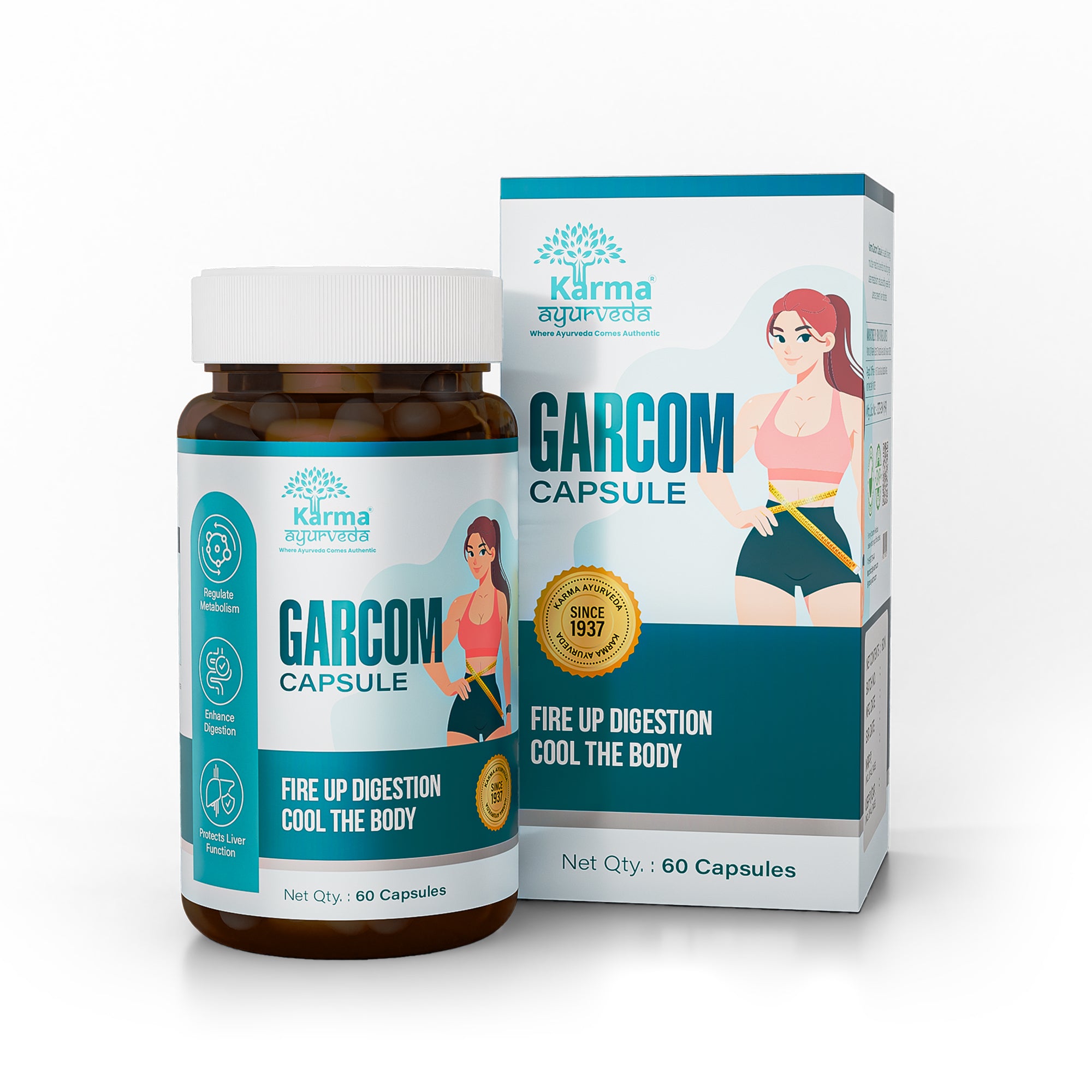
Karma Garcom Capsules contain Garcinia indica to support healthy metabolism, digestion, weight management, digestive comfort and daily wellness alongside a balanced lifestyle.
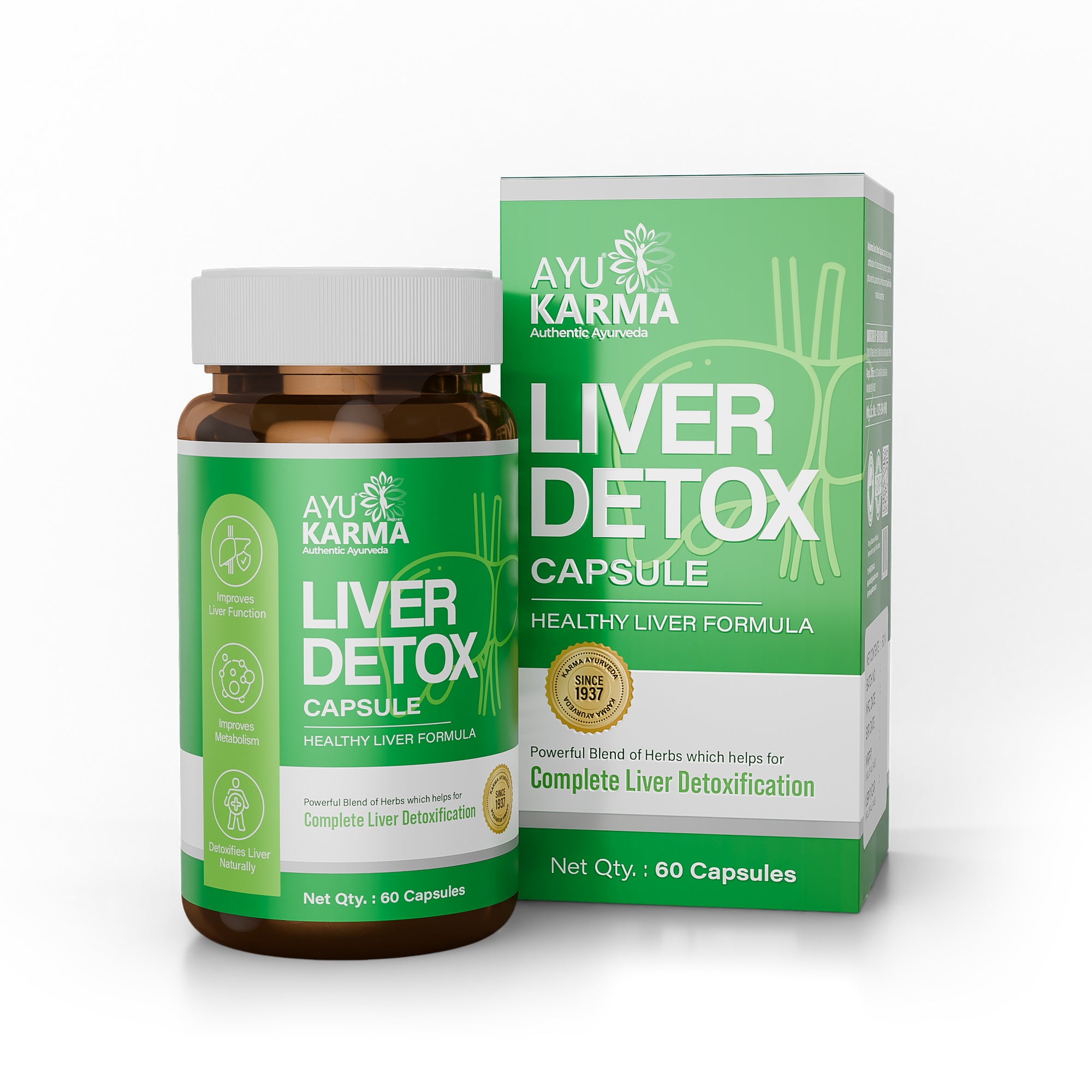
Doctor-recommended liver supplement that helps detoxify the liver, support healthy cholesterol, improve digestion & promote liver health. Developed by Dr. Puneet Dhawan with Karma Ayurveda philosophy.
Second Floor, 77, Block C, Tarun Enclave, Pitampura, New Delhi, Delhi, 110034

Certificate no- AH-2023-0186
JAN 05, 2026 - JAN 04, 2029

US FDA Reg. No.: 14568299376