Unlocking Wellness Naturally
100% Ayurvedic Treatment

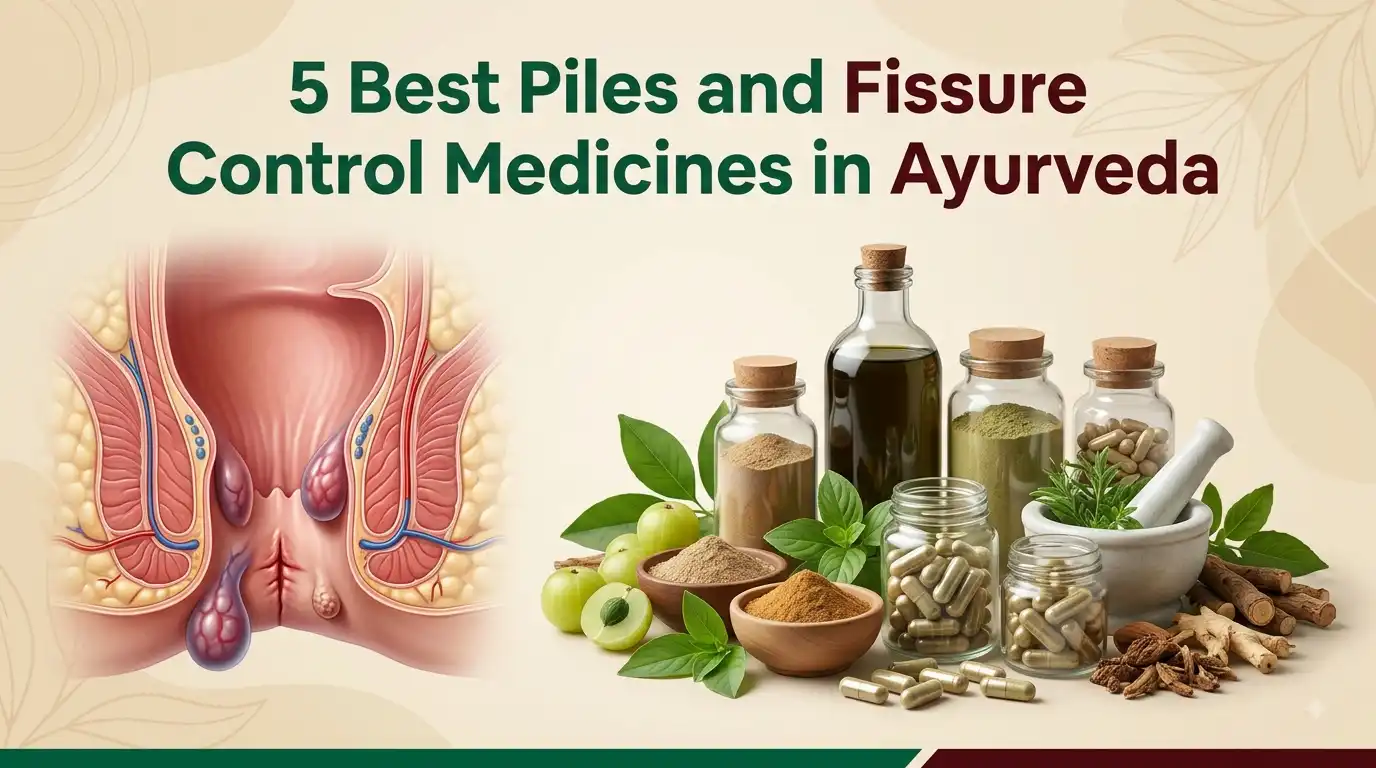
When it comes to controlling piles and anal fissures, Ayurveda usually focuses on softer stools, better digestion, reducing irritation and supporting the affected area rather than simply “stopping the bleeding.” The 5 best piles and fissure control medicines in Ayurveda can include classical herbal formulations and external preparations, but the right choice depends on whether you are dealing with hemorrhoids, a fissure, constipation, or a combination of these.
And yes, that distinction matters. The backside, unfortunately, does not come with a diagnostic label.
Piles, medically called hemorrhoids, are swollen blood vessels and supporting tissues around the anus and lower rectum. A fissure, on the other hand, is a small tear in the lining of the anal canal. Both can cause discomfort, itching or bleeding, but the pain pattern can be quite different.
A fissure often causes sharp or burning pain during and after passing stool, while hemorrhoids may cause itching, swelling, discomfort or bright-red bleeding.
Ayurveda approaches these complaints through diet, bowel regularity, herbal medicines, local therapies and lifestyle changes. In traditional Ayurvedic practice, conditions resembling hemorrhoids are discussed under Arsha, while fissure-like symptoms are commonly correlated with Parikartika.
So, what are the best medicines for piles and fissure? Here are five commonly discussed Ayurvedic options; but think of this as a guide, not a prescription pad.
Triphala Guggulu is a classical Ayurvedic formulation containing Triphala and Guggulu. It is traditionally used in conditions involving inflammation, swelling and sluggish bowel function.
It is often considered when constipation accompanies anorectal discomfort because keeping bowel movements regular is an important part of managing these problems.
A clinical study published in AYU examined Triphala Guggulu along with Kshara Vasti in 129 people with bleeding hemorrhoids. The researchers reported marked relief in 55 participants, although the study design does not prove that Triphala Guggulu alone caused the improvement.
That little detail is worth remembering whenever someone says, “This one medicine fixed everything.”
Ayurvedic pharmacies offer several formulations traditionally described for Arsha, or hemorrhoid-like complaints. These may contain combinations of herbs selected according to symptoms such as bleeding, swelling, discomfort or constipation.
One clinical study compared Arshohara Vati with Apamarga Kshara application and infrared coagulation in first- and second-degree hemorrhoids. The study was small, with only 30 participants, but reported improvement across the groups.
Because formulations and ingredients can differ between manufacturers, checking the label and taking professional guidance is much wiser than choosing a product because its packaging looks particularly convincing.
For fissure-like discomfort, external Ayurvedic preparations such as Jatyadi Taila are traditionally used to support local soothing and healing.
Interestingly, modern research is still investigating this area. A 2026 JMIR Research Protocol describes a randomized controlled trial evaluating an Ayurvedic protocol for anal fissure that includes Jatyadi Taila, Triphala-based sitz baths and internal formulations. However, this is a study protocol, not complete evidence, so it cannot yet establish effectiveness.
That distinction is important: promising research is not the same thing as proven treatment.
Sometimes the biggest troublemaker is not the hemorrhoid itself; it is the hard stool that keeps irritating the area.
Triphala is traditionally used in Ayurveda to support digestion and bowel regularity. Depending on the individual, an Ayurvedic practitioner may recommend a Triphala preparation or another gentle bowel-supporting formulation.
This fits with modern fissure guidance too. The American Society of Colon and Rectal Surgeons recommends adequate dietary fiber and stool-bulking agents as important first-line measures for many acute fissures.
In simple language: soft stool gives irritated tissue a fighting chance to settle down.
Ayurvedic care is not always about swallowing a tablet and waiting for magic to happen.
Depending on the condition, practitioners may use medicated oils, herbal sitz baths, dietary changes and personalized internal medicines together. For fissure symptoms, local care can be particularly relevant because the area is sensitive and repeated straining can keep reopening the tear.
A 2025 clinical-trial protocol is studying Murivenna anal infiltration compared with topical diltiazem for chronic anal fissure. Again, it is a protocol, meaning researchers are investigating the question rather than having already produced final results.
Triphala Guggulu – Usually considered for swelling + bowel irregularity. Helpful territory, but not a universal fix.
Arshohara formulations – Usually considered for hemorrhoid symptoms. Formulation matters.
Jatyadi Taila – Usually considered for local fissure care. External use needs proper guidance.
Triphala preparations – Usually considered for constipation. Soft stool is your friend.
Medicated oils/sitz baths – Usually considered for local discomfort. Sometimes simple care does heavy lifting.
A sensible piles treatment in Ayurveda approach generally looks beyond the visible swelling.
An Ayurvedic practitioner may first ask about:
The goal is to identify what may be repeatedly irritating the area.
This is also why Ayurvedic medicines for fissure should not be selected solely from an online list. A fissure caused by repeated constipation may need a different approach from a chronic fissure with significant muscle spasm.
Similarly, someone with occasional bleeding from hemorrhoids may need a different plan from someone with persistent or heavy bleeding.
There is some clinical research, but it is important to keep expectations realistic.
A 2015 study published in the Journal of Ayurveda and Integrative Medicine evaluated a polyherbal formulation in people with hemorrhoids and reported improvements in symptoms and clinical findings over 14 days. The study had limitations, so it adds evidence without settling the entire question.
Another report involving 127 anorectal cases assessed Ksharasutra-based management, including hemorrhoids and fissures, and reported favorable outcomes. However, it was a clinical report rather than a large randomized controlled trial.
So, the honest answer is that research into Ayurvedic medicines for fissure and hemorrhoids is developing, but evidence quality varies considerably.
For people exploring personalized Ayurvedic care, Karma Ayurveda Hospital is one setting where such concerns can be discussed with an Ayurvedic doctor; Dr. Puneet Dhawan is associated with Karma Ayurveda’s public-facing educational content.
Whatever treatment approach you choose, daily habits matter.
Try to:
Modern clinical guidance similarly emphasizes fiber, stool-softening measures and warm baths for many acute fissures.
Not every instance of rectal bleeding is automatically hemorrhoids.
Seek medical evaluation if bleeding is recurrent, heavy or unexplained, if you have severe pain, fever, pus, dizziness, black stools, unexplained weight loss, or symptoms that do not improve.
And please don't spend six months treating “probably piles” when nobody has actually checked what is going on. Your body deserves slightly better detective work.
The 5 best piles and fissure Control Medicines in Ayurveda are better understood as categories of traditional care rather than five miracle products. Triphala Guggulu, Arshohara formulations, Jatyadi Taila, Triphala-based bowel support and personalized local therapies may have a role depending on the individual.
The Best medicines for piles and fissure are ultimately the ones selected after understanding the actual condition, severity and bowel habits; not simply the ones with the fanciest label.
Likewise, Piles treatment in Ayurveda works best when medicines are combined with sensible food, hydration, bowel habits and appropriate medical supervision.
Triphala Guggulu, Arshohara formulations and selected local therapies may be considered, depending on the person's symptoms.
Ayurvedic medicines for fissure may include practitioner-selected internal formulations along with local preparations such as Jatyadi Taila.
Yes, Piles treatment in Ayurveda often includes improving bowel regularity, diet and stool consistency alongside individualized medicines.
Not necessarily, because herbs can interact with medicines and some conditions require conventional medical treatment.
Many acute fissures improve with conservative care, but persistent or chronic symptoms need professional assessment.
This article is for general educational purposes and does not replace diagnosis or medical advice. Herbal medicines can have side effects or interact with other medicines. Do not self-treat persistent bleeding, severe pain or unexplained symptoms. Consult a qualified healthcare professional before starting any Ayurvedic medicine or procedure.
Continue using AI Cursor?Keep it onTurn Off
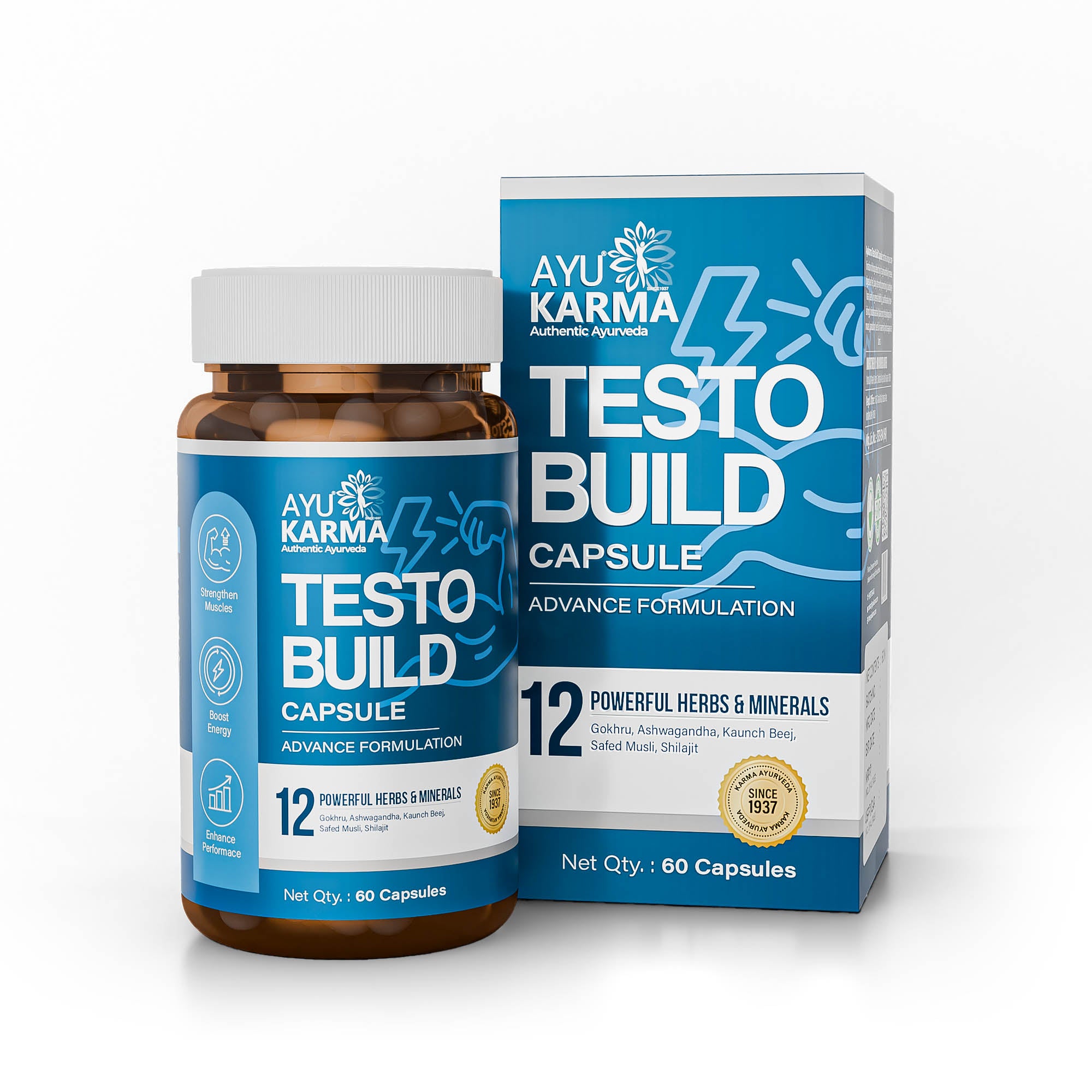
AyuKarma Testo Build Capsules combine 12 Ayurvedic herbs and minerals to support strength, energy, stamina, physical performance, nourishment and overall daily vitality.
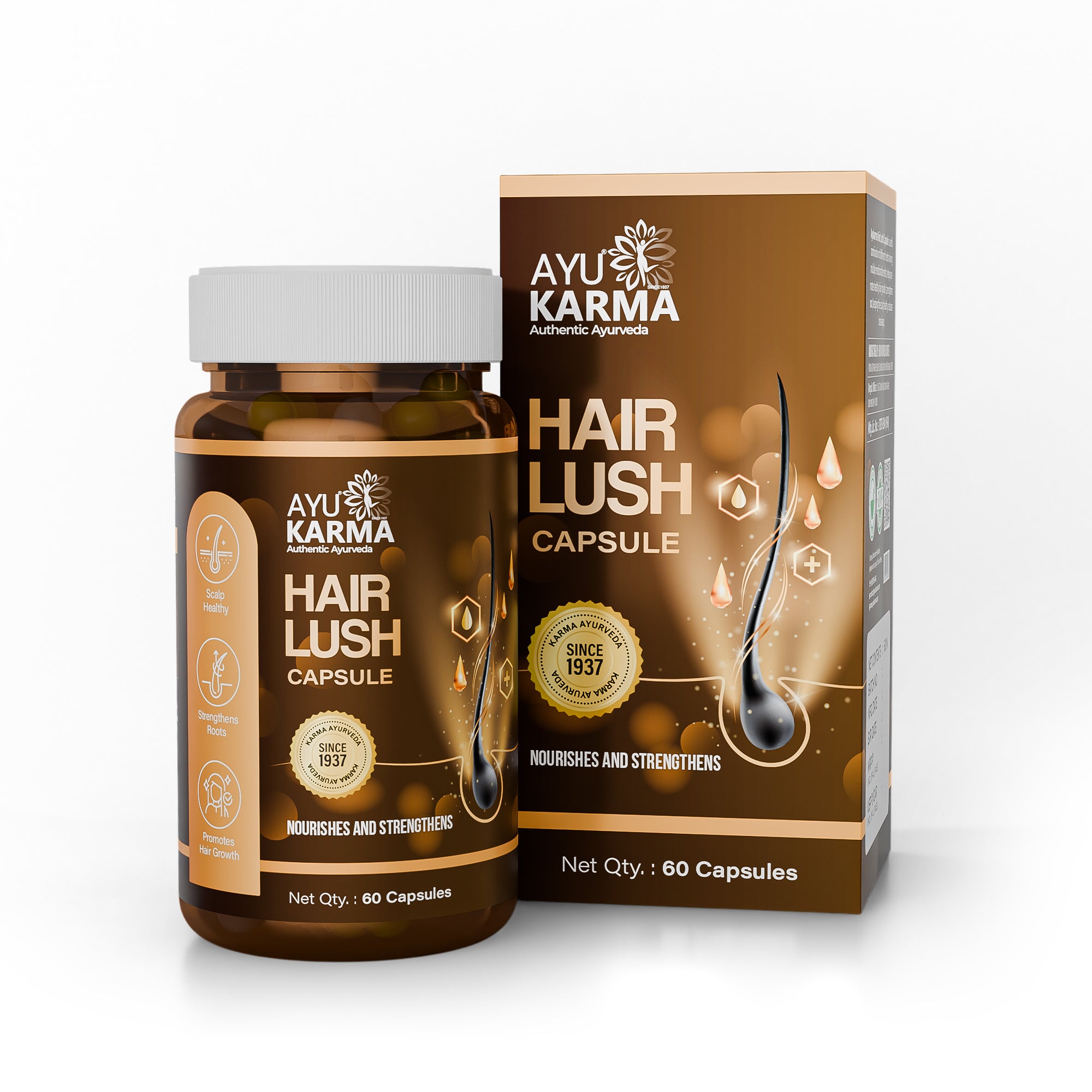
AyuKarma Hair Lush Capsules combine Ayurvedic herbs to support hair growth, reduce hair fall, strengthen roots, nourish the scalp and promote healthier-looking hair.
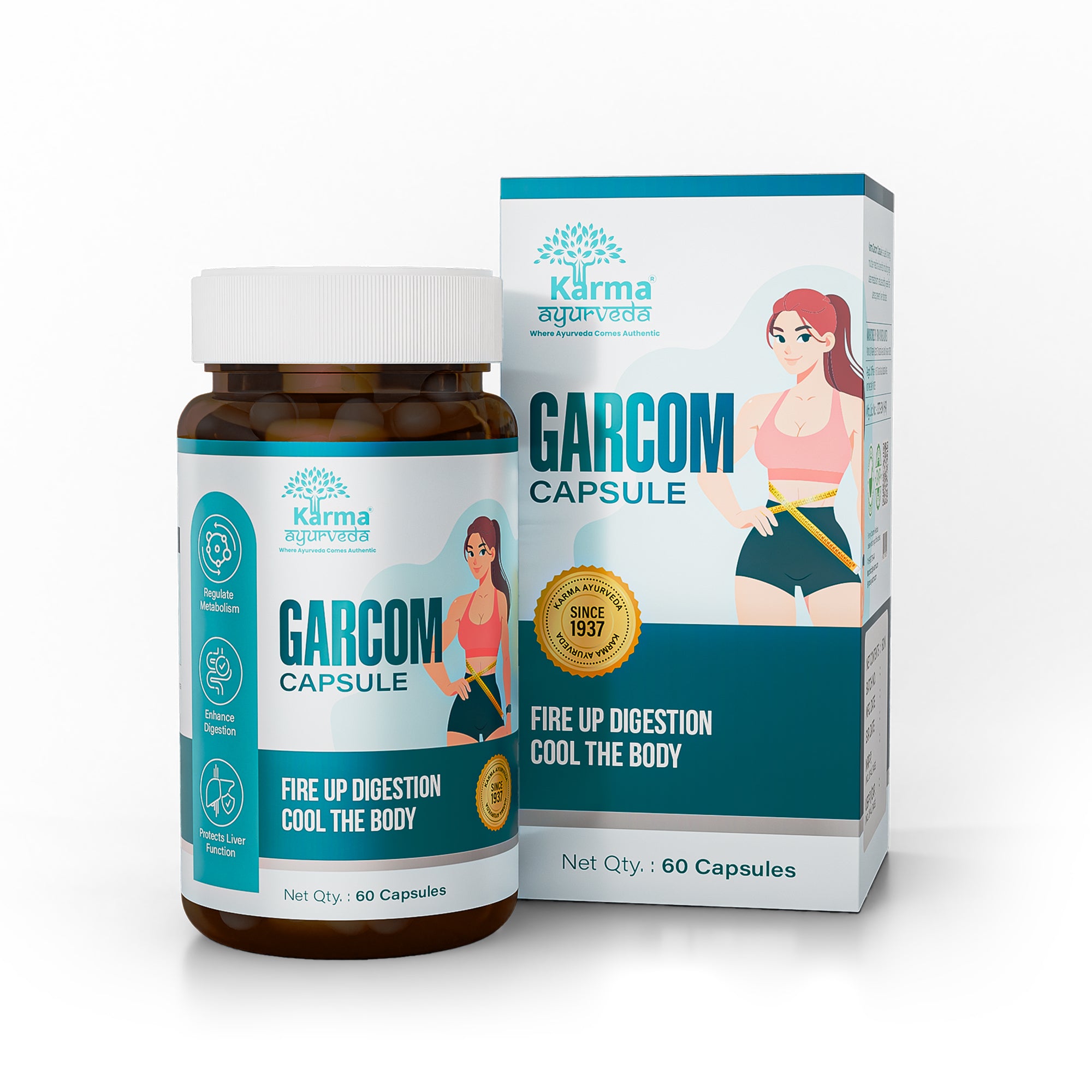
Karma Garcom Capsules contain Garcinia indica to support healthy metabolism, digestion, weight management, digestive comfort and daily wellness alongside a balanced lifestyle.
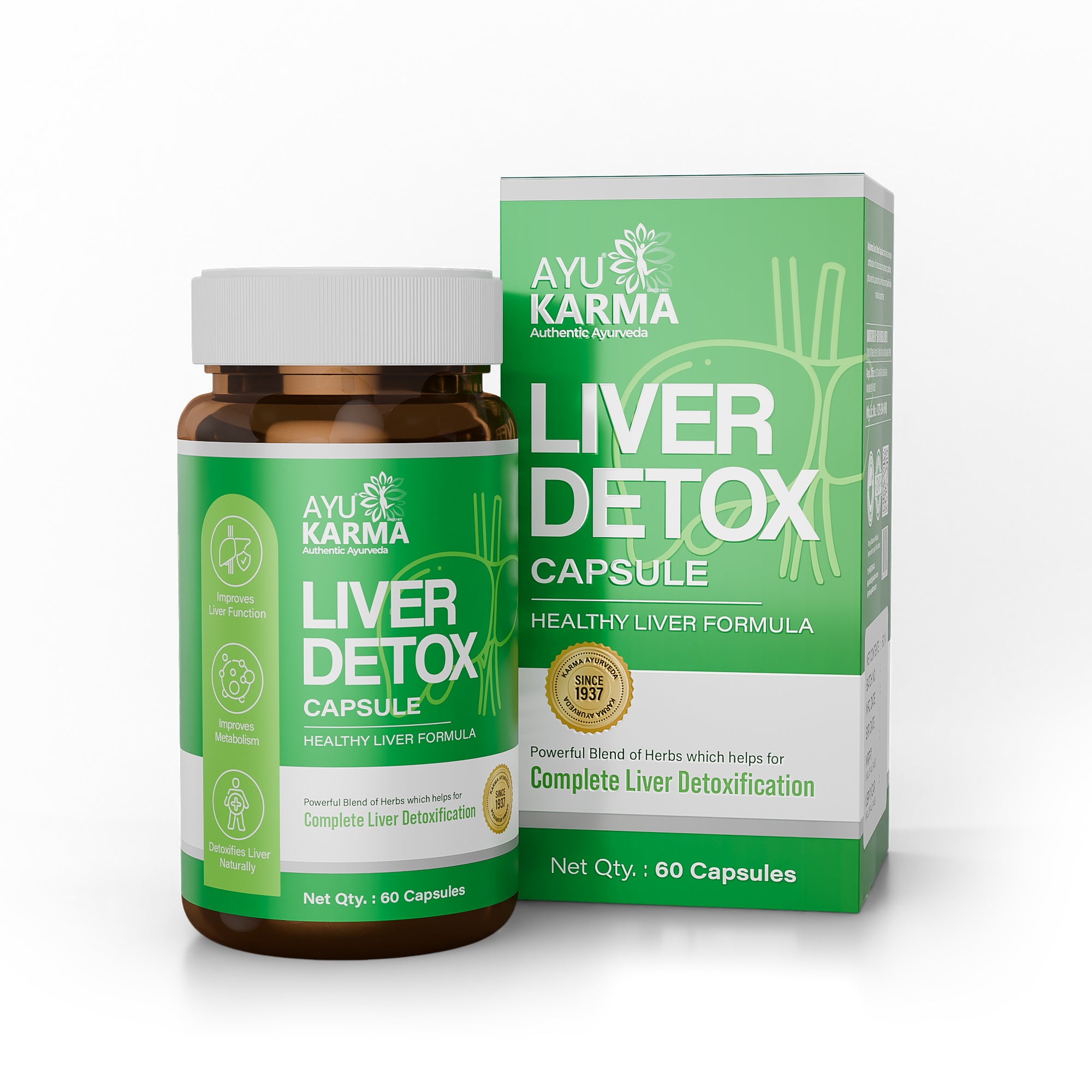
Doctor-recommended liver supplement that helps detoxify the liver, support healthy cholesterol, improve digestion & promote liver health. Developed by Dr. Puneet Dhawan with Karma Ayurveda philosophy.
Second Floor, 77, Block C, Tarun Enclave, Pitampura, New Delhi, Delhi, 110034

Certificate no- AH-2023-0186
JAN 05, 2026 - JAN 04, 2029

US FDA Reg. No.: 14568299376