
Can Diabetes Damage the Kidneys?
Yes, diabetes can damage the kidneys over time, especially when blood sugar levels remain high for a long period. This damage is called diabetic kidney disease or diabetic nephropathy.
Think of your kidneys as the body’s cleaning crew. They work quietly every day, filtering waste from your blood. But when diabetes keeps sending extra sugar into the bloodstream, it is like making the cleaning crew work overtime without a break. Eventually, they can become tired and less efficient.
Diabetes is one of the most common causes of kidney problems worldwide. But the good news is that understanding the connection between diabetes and kidney health can help you take steps to protect these important organs.
How Does Diabetes Affect the Kidneys?
Your kidneys contain millions of tiny filters called nephrons. These filters remove waste and extra fluid from your blood while keeping useful substances inside your body.
When blood sugar stays high, it can slowly damage the small blood vessels inside these filters. Over time, the filters may start leaking proteins, especially albumin, into the urine. This is often one of the earliest signs of diabetic kidney disease.
Imagine your kitchen strainer developing tiny holes and letting things pass through that shouldn’t. That is somewhat similar to what happens inside damaged kidney filters.
The process usually happens gradually, which is why regular kidney checkups are important even when a person feels completely fine.
What Happens to the Kidneys Due to Diabetes?
- High blood sugar damages kidney filters: Constantly elevated glucose levels can injure the delicate blood vessels in the kidneys.
- Protein leakage in urine: Damaged kidneys may allow proteins like albumin to escape into urine.
- Increased kidney workload: The kidneys may initially work harder to compensate, but over time their filtering ability may decline.
- High blood pressure risk: Diabetes often goes hand-in-hand with hypertension, which can further stress the kidneys.
The kidneys are hardworking organs; they rarely complain loudly. They usually send quiet signals, which is why ignoring regular testing is like ignoring your car’s “check engine” light because the car still starts.
Symptoms of Diabetes-Related Kidney Damage
Early kidney damage from diabetes often does not show obvious symptoms. Many people discover kidney problems during routine blood or urine tests.
As the condition progresses, some possible signs may include:
- Swelling in the feet, ankles, hands, or around the eyes
- Increased tiredness or weakness
- Changes in urination patterns
- Foamy urine due to protein leakage
- Loss of appetite
- Nausea or feeling unwell
- Difficulty controlling blood pressure
However, these symptoms can occur in many other conditions too, so proper medical evaluation is important.
How Can You Know If Diabetes Is Affecting Your Kidneys?
Doctors usually check kidney health through simple blood and urine tests.
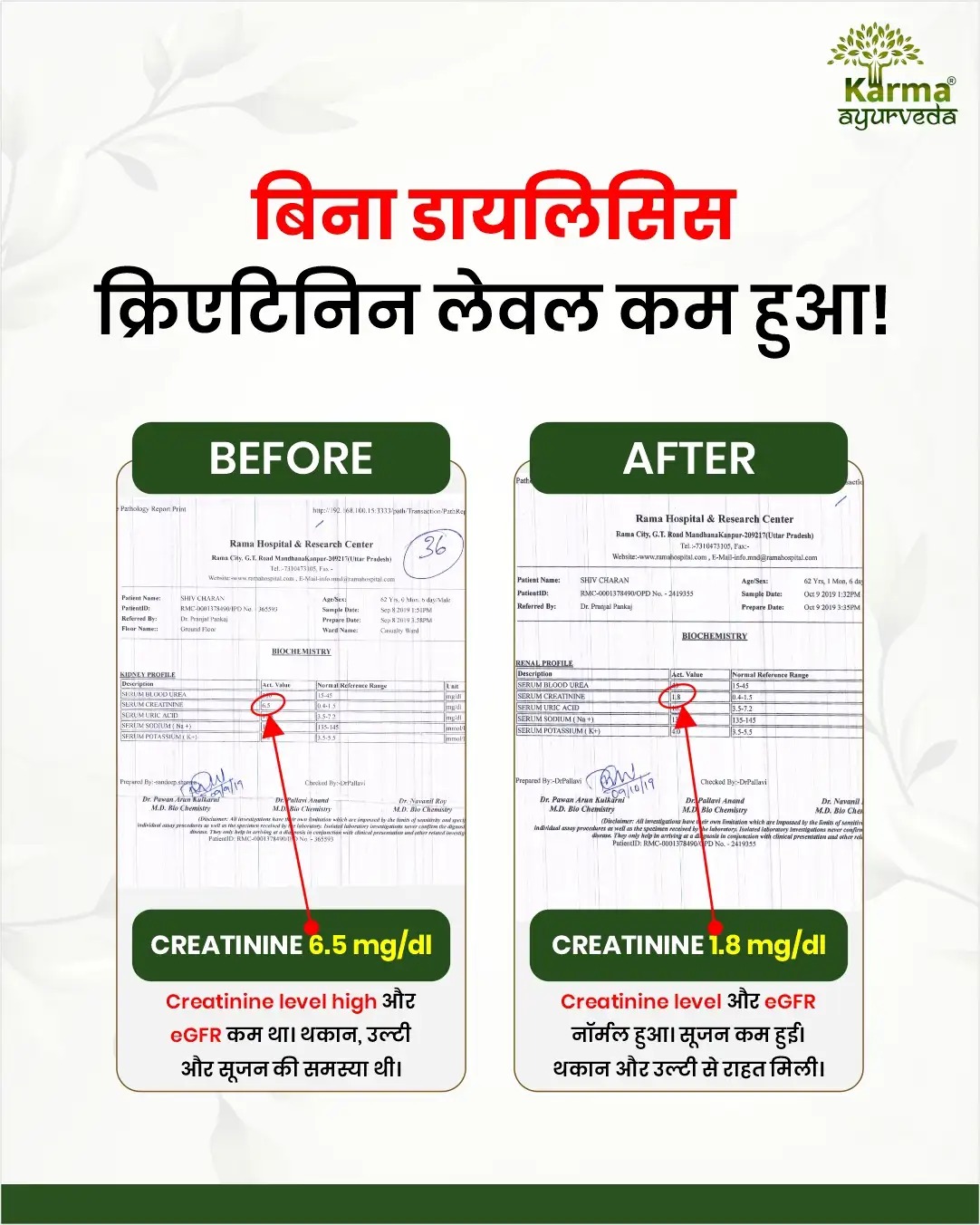
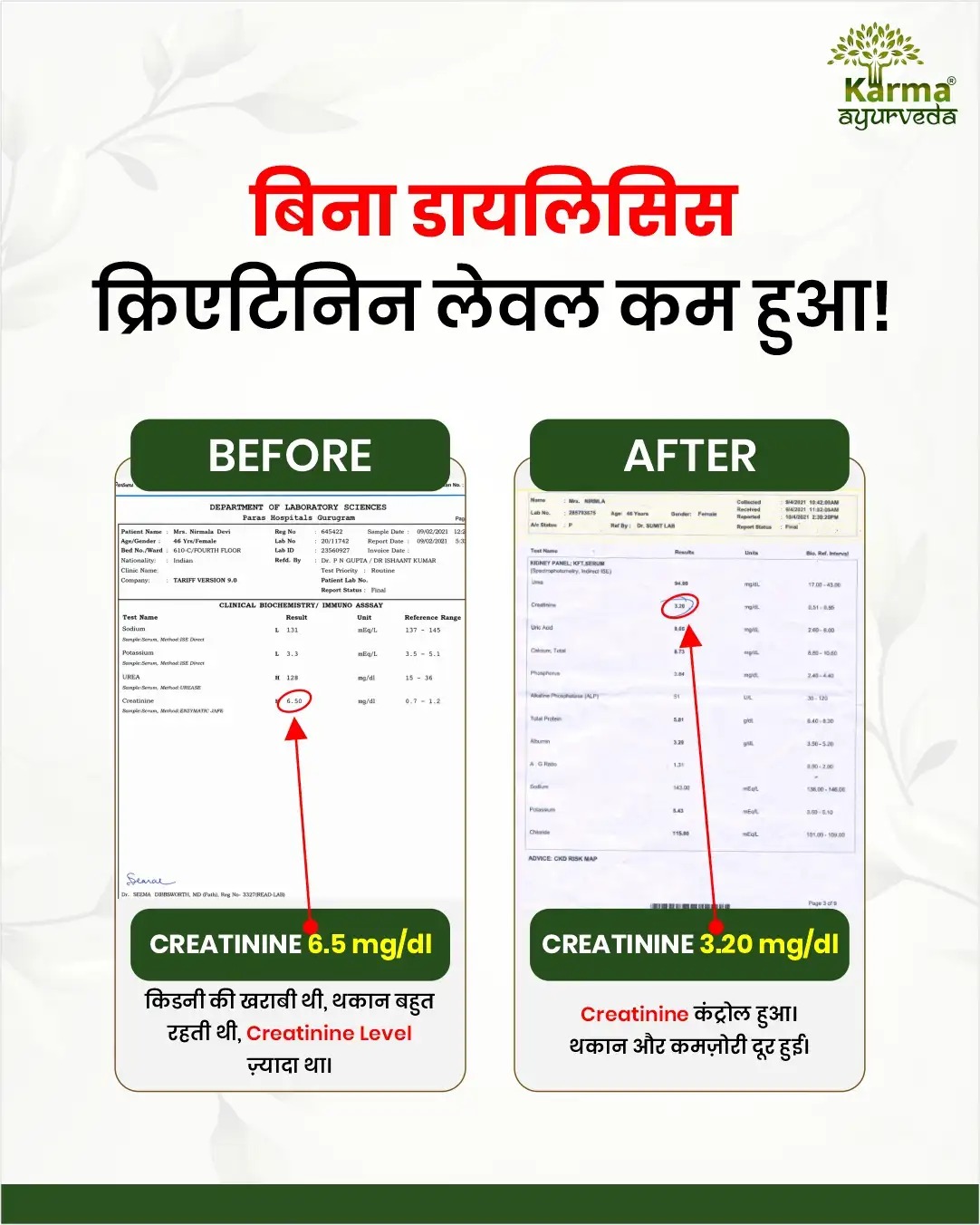
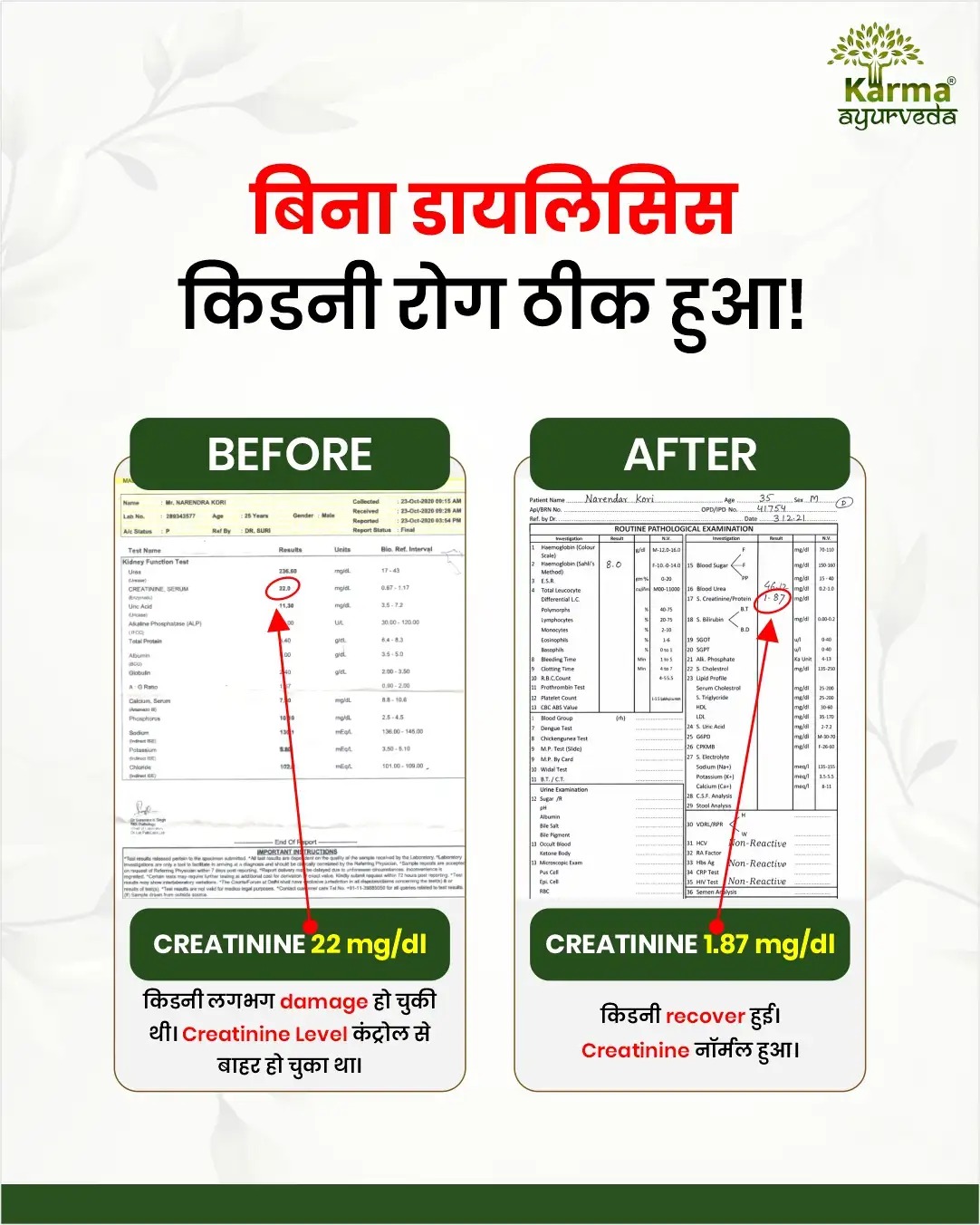
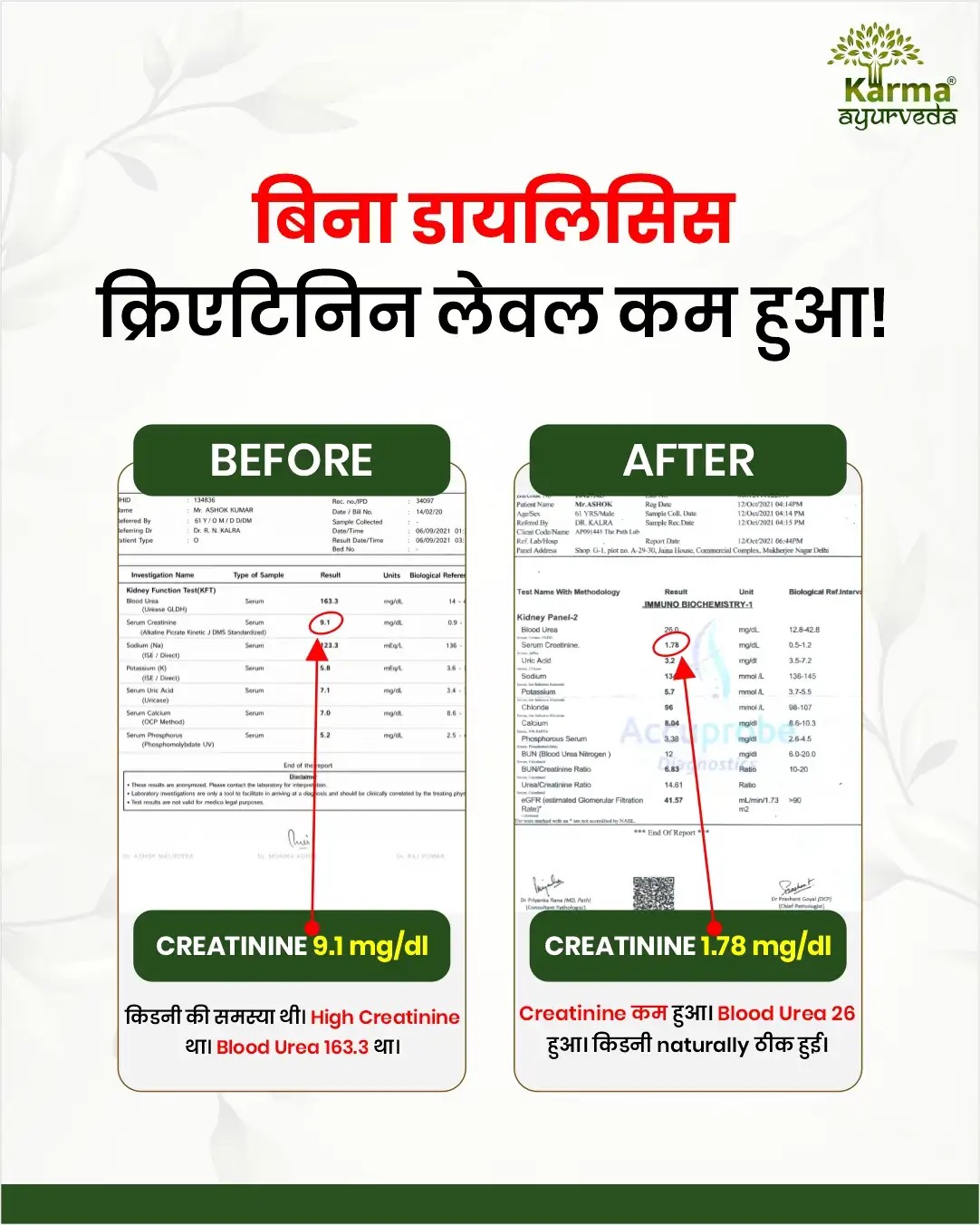
- Serum Creatinine Test: Kidney filtering ability – Checks how well kidneys are cleaning the blood.
- eGFR Test: Overall kidney function – Gives an estimate of kidney filtering power.
- Urine Albumin-to-Creatinine Ratio (uACR): Protein leakage – Shows if kidney filters are becoming damaged.
Regular screening is especially important for people living with diabetes because kidney changes can begin silently.
Who Is More at Risk of Diabetic Kidney Disease?
Not everyone with diabetes develops kidney problems, but certain factors can increase the risk:
- Poorly controlled blood sugar levels
- Long duration of diabetes
- High blood pressure
- Smoking
- High cholesterol levels
- Family history of kidney disease
- Being overweight or physically inactive
Managing these factors can make a big difference in protecting kidney health.
Can Controlling Diabetes Protect the Kidneys?
Yes, maintaining healthy blood sugar levels can help reduce the risk of kidney damage.
Managing diabetes is not about being perfect every single day. Nobody eats a salad while watching a pizza commercial and feels like a superhero every time! It is about making consistent, healthier choices most of the time.
Helpful habits include:
- Monitoring blood sugar regularly
- Following a balanced diet
- Staying physically active
- Taking prescribed medicines properly
- Keeping blood pressure under control
- Avoiding smoking
- Getting regular kidney tests
Small daily habits often create bigger results than occasional big efforts.
What Foods Support Kidney Health in Diabetes?
A diabetes-friendly kidney diet depends on your kidney function, blood sugar levels, and overall health. There is no single diet that fits everyone.
Generally, people with diabetes are encouraged to focus on:
- Fresh vegetables suitable for their condition
- High-fiber foods
- Healthy sources of protein in appropriate amounts
- Whole grains when suitable
- Limiting excessive salt and processed foods
A registered dietitian or healthcare professional can help create a plan based on individual needs.
What Does Research Say About Diabetes and Kidney Damage?
Several scientific studies have highlighted the strong connection between diabetes and kidney disease.
The United Kingdom Prospective Diabetes Study (UKPDS) found that better blood sugar control in people with type 2 diabetes reduced the risk of diabetes-related complications, including kidney problems.
The Diabetes Control and Complications Trial (DCCT) showed that intensive blood glucose management in people with type 1 diabetes significantly reduced the development and progression of diabetic kidney changes.
The ADVANCE Trial (Action in Diabetes and Vascular Disease: Preterax and Diamicron Modified Release Controlled Evaluation) also demonstrated that managing blood pressure and blood sugar can help lower the risk of kidney-related complications in people with diabetes.
These studies highlight one important message: early attention and consistent management matter.
Diabetes and Kidney Disease: A Quick Comparison
- Diabetes Alone: High blood sugar problem – May have no symptoms – Managed through lifestyle and medicines.
- Diabetes With Kidney Damage: High blood sugar plus kidney stress – May show urine changes or swelling – Needs closer kidney monitoring.
Can Diabetic Kidney Disease Be Prevented?
While diabetes itself may not always be completely preventable, kidney complications can often be reduced with proper care.
The key is not waiting for symptoms. Your kidneys do not usually send a dramatic warning message saying, “Hey, please check me!” They prefer quiet signals through blood and urine tests.
Regular monitoring, healthy habits, and timely medical guidance can help keep these silent workers running smoothly.
Conclusion
Diabetes can damage the kidneys, especially when blood sugar remains uncontrolled for years. This damage usually develops slowly, making regular kidney tests extremely important.
The relationship between diabetes and kidney health is closely connected, but taking care of blood sugar, blood pressure, diet, and lifestyle can help protect kidney function.
Your kidneys work for you every single day. Giving them a little care in return is a pretty fair deal.
Key Takeaways
- Diabetes can damage the kidneys by harming tiny blood vessels and filters.
- Diabetic kidney disease may develop silently without early symptoms.
- Regular tests like creatinine, eGFR, and uACR help detect kidney changes.
- Controlling blood sugar and blood pressure can support kidney health.
- Healthy lifestyle choices play an important role in reducing kidney risks.
CASE STUDY
A patient from Patna had been struggling with kidney cysts that affected his daily life through persistent pain, discomfort, leg swelling, and increased stress about his kidney health. Along with these concerns, he was also dealing with elevated blood pressure, which added further strain to his kidneys. Looking for a natural and holistic approach, he decided to begin his treatment journey with Karma Ayurveda.
After a detailed assessment of his symptoms, medical history, and reports, a personalized Ayurvedic treatment plan was prepared. The treatment included herbal formulations, dietary guidance, lifestyle modifications, and regular follow-ups to support kidney health naturally. The approach focused on addressing the underlying factors contributing to his discomfort while promoting overall wellness.
Over the course of treatment, the patient experienced noticeable improvements in his health. The pain and discomfort associated with kidney cysts reduced significantly, leg swelling improved, and his blood pressure levels became more balanced. These positive changes helped him feel more comfortable and confident in managing his daily activities.
His journey highlights how personalized Ayurvedic care, combined with consistent treatment and healthy lifestyle practices, may help support kidney health and improve quality of life. While individual results can vary, this case reflects the potential benefits of a holistic approach focused on natural support, regular monitoring, and comprehensive kidney care.
Frequently Asked Questions (FAQs)
Can diabetes cause kidney failure?
Yes, uncontrolled diabetes over many years can increase the risk of kidney failure, but proper management can help lower this risk.
How does diabetes damage the kidneys?
High blood sugar slowly harms kidney filters, making them leak proteins and work less efficiently.
Can kidney damage from diabetes be reversed?
Early kidney changes may improve with proper management, while advanced damage usually requires careful medical support.
How often should people with diabetes check kidney health?
Most people with diabetes should have regular kidney screening as advised by their healthcare provider.
Is high creatinine always caused by diabetes?
No, high creatinine can happen due to several reasons, and proper testing is needed to find the cause.
Disclaimer
This article is for educational purposes only and should not replace professional medical advice. Diabetes and kidney health vary from person to person. Always consult a qualified healthcare professional for diagnosis, treatment decisions, and personalized guidance.