Unlocking Wellness Naturally
100% Ayurvedic Treatment

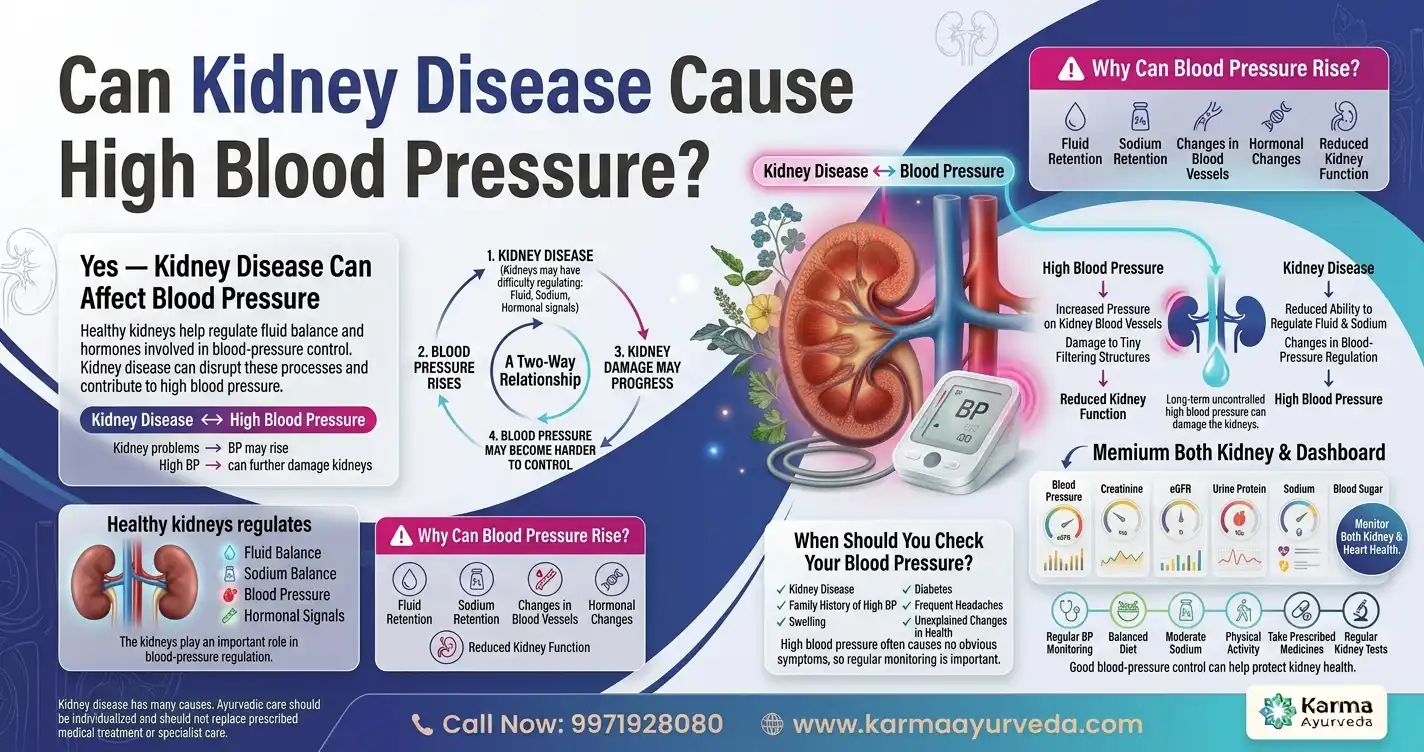
Yes, kidney disease can definitely cause high blood pressure, creating a dangerous feedback loop in the human body. When damaged kidneys fail to filter out extra fluid and salt, blood volume rises and arteries tighten, directly driving up arterial pressure.
If you have ever wondered why your doctor immediately checks your urine and blood work the moment your blood pressure monitor displays alarming numbers, you are not alone. The connection between your bean-shaped filtration units and the pressure humming through your blood vessels is one of the most intriguing; and underappreciated; relationships in human anatomy. Let's break down how this happens, why your kidneys act like over-dramatic plumbing directors, and what you can do to keep both systems happy.
Most people think of kidneys as simple waste filters; the body’s internal coffee filters straining out metabolic leftovers. In reality, your kidneys are sophisticated control hubs that regulate fluid volume, electrolyte balance, and systemic pressure.
Every single day, healthy kidneys filter roughly 150 to 180 liters of fluid. To pull off this massive daily feat, they require a constant, steady stream of blood flow. Because they are so sensitive to changes in blood flow, nature gave them the master remote control for your entire cardiovascular system.
When your kidneys notice even a slight drop in blood pressure or fluid levels, they panic. They instantly signal your blood vessels to constrict and instruct your body to hold onto salt and water. Under normal circumstances, this is a brilliant survival mechanism that keeps you from fainting when you get dehydrated. But when kidney disease enters the picture, this delicate control system gets hopelessly thrown off balance.
When kidneys experience structural damage or inflammation, their ability to maintain balance breaks down. Here is how kidney damage triggers elevated arterial pressure step by step:
When high blood pressure develops specifically as a consequence of underlying renal dysfunction, medical professionals refer to it as secondary hypertension. Unlike primary hypertension, which creeps up gradually due to aging and lifestyle, secondary hypertension often appears rapidly and can be stubborn to treat unless the underlying kidney issue is addressed.
To visualize how much work your kidneys do behind the scenes, here is a quick side-by-side comparison of how healthy kidneys manage your system versus how kidneys dealing with chronic kidney disease handle the workload:
Medical researchers have spent decades unraveling the deep connection between renal health and cardiovascular strain. Several landmark studies have reshaped how doctors treat both conditions simultaneously:
The fundamental proof that renal tissue directly controls blood pressure dates back to Dr. Harry Goldblatt’s classic 1934 study published in the Journal of Experimental Medicine. By restricting blood flow to animal kidneys, Goldblatt demonstrated that ischemic kidney tissue releases a chemical agent (later identified as renin) that causes persistent, severe secondary hypertension throughout the body. This groundbreaking work established the physiological baseline for understanding renal vascular disease today.
Funded by the National Institutes of Health and published in landmark medical journals like JAMA Network Open, the SPRINT trial evaluated thousands of adults, including a large subgroup with chronic kidney disease. The study revealed that intensive blood pressure control; aiming for a systolic target under 120 mm Hg rather than the traditional 140 mm Hg; significantly lowered overall cardiovascular events and reduced mortality risk in patients with renal impairment.
The long-running CRIC study has tracked thousands of individuals with impaired renal function. Its findings consistently show that elevated blood pressure is both a primary driver and a direct result of declining glomerular filtration rate (eGFR). The study emphasized that controlling systemic arterial pressure is the single most effective intervention to prevent progression toward kidney failure.
One of the trickiest aspects of renal medicine is figuring out which issue started first. Did high pressure destroy the kidneys, or did silent kidney damage cause the pressure to spike?
Because delicate renal blood vessels are easily injured by turbulent flow, uncontrolled pressure damages the tiny filters in your kidneys over time. As those filters scar, kidney disease worsens, which in turn drives blood pressure even higher. Breaking this loop requires early detection, active monitoring, and targeted lifestyle modifications.
Managing your numbers when your kidneys are feeling cranky does not require a complete life overhaul overnight. Small, deliberate shifts make a massive difference:
Yes, acute kidney injuries or sudden blockages in renal arteries can cause rapid, severe spikes in blood pressure.
High blood pressure resulting from underlying renal failure or disease is classified clinically as secondary hypertension.
Lowering blood pressure cannot erase permanent scarring, but it dramatically slows further decline and preserves remaining function.
ACE inhibitors and ARBs are generally preferred because they lower blood pressure while reducing stress on renal capillaries.
Physicians evaluate urine for protein, measure blood creatinine to calculate eGFR, and perform renal ultrasounds to check structure.
This article is intended strictly for educational and informational purposes and should not be taken as medical advice, diagnosis, or treatment. Always consult a qualified healthcare professional regarding any medical conditions, changes to your treatment plan, or questions about high blood pressure and kidney health.
Continue using AI Cursor?Keep it onTurn Off
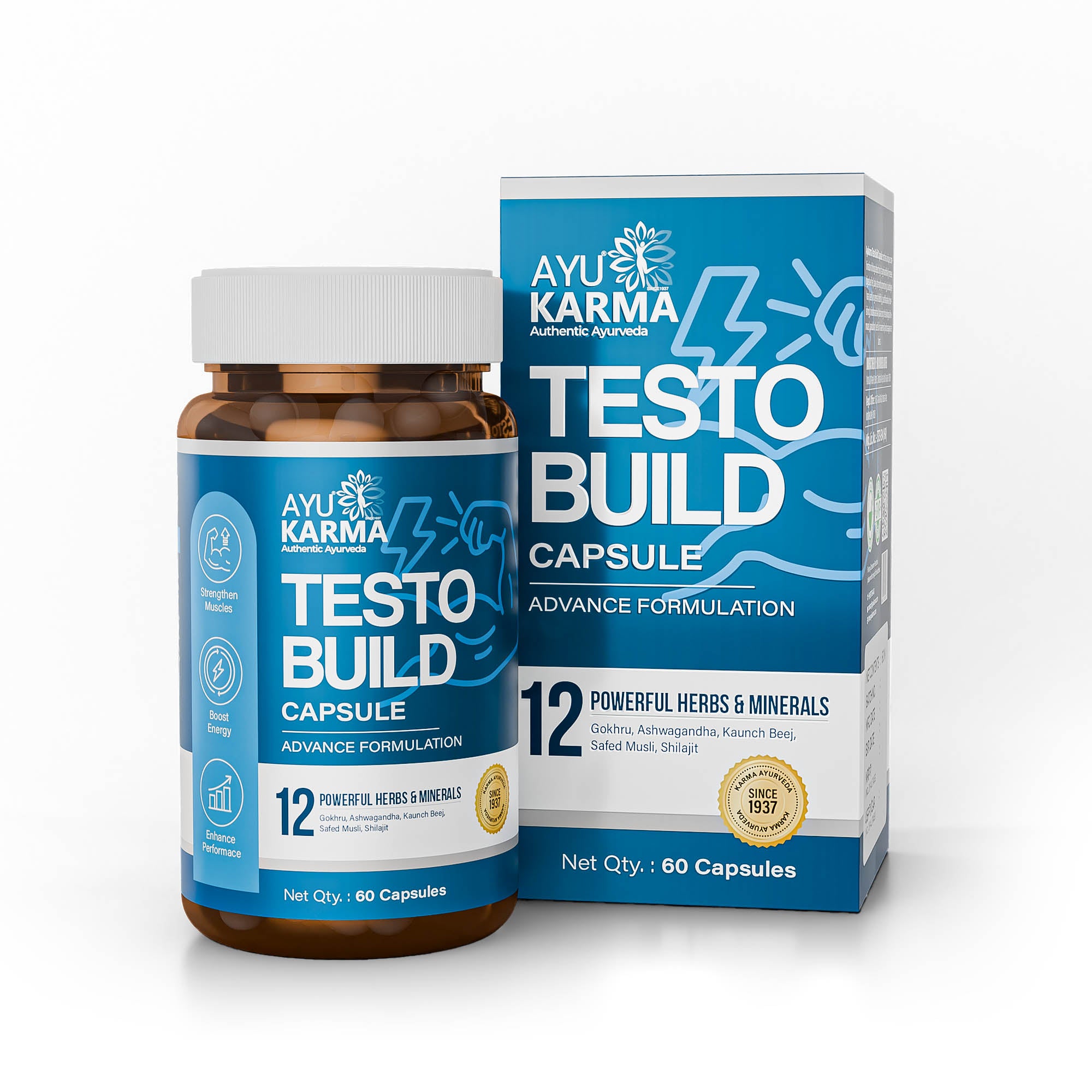
AyuKarma Testo Build Capsules combine 12 Ayurvedic herbs and minerals to support strength, energy, stamina, physical performance, nourishment and overall daily vitality.

AyuKarma Hair Lush Capsules combine Ayurvedic herbs to support hair growth, reduce hair fall, strengthen roots, nourish the scalp and promote healthier-looking hair.

Karma Garcom Capsules contain Garcinia indica to support healthy metabolism, digestion, weight management, digestive comfort and daily wellness alongside a balanced lifestyle.
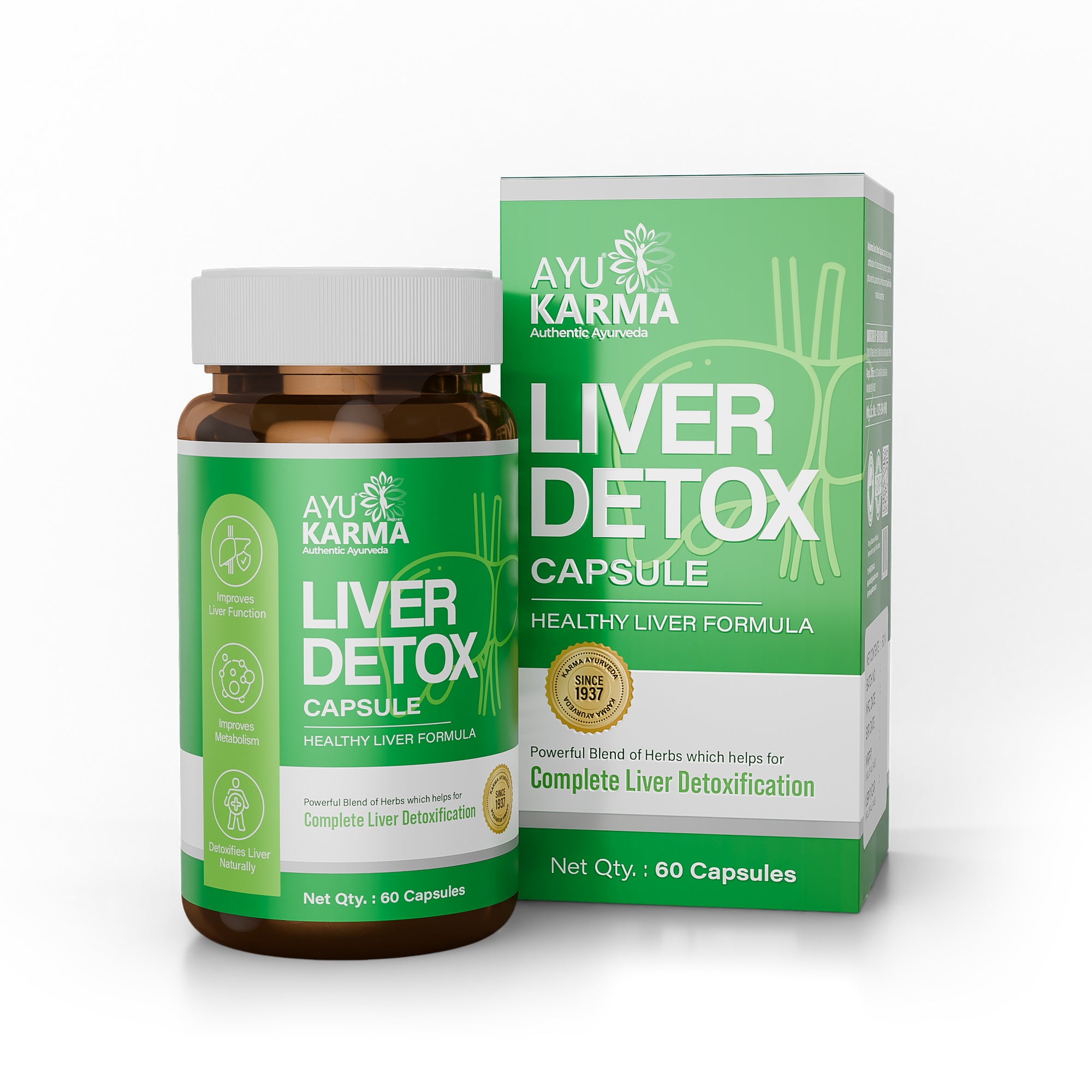
Doctor-recommended liver supplement that helps detoxify the liver, support healthy cholesterol, improve digestion & promote liver health. Developed by Dr. Puneet Dhawan with Karma Ayurveda philosophy.
Second Floor, 77, Block C, Tarun Enclave, Pitampura, New Delhi, Delhi, 110034

Certificate no- AH-2023-0186
JAN 05, 2026 - JAN 04, 2029

US FDA Reg. No.: 14568299376