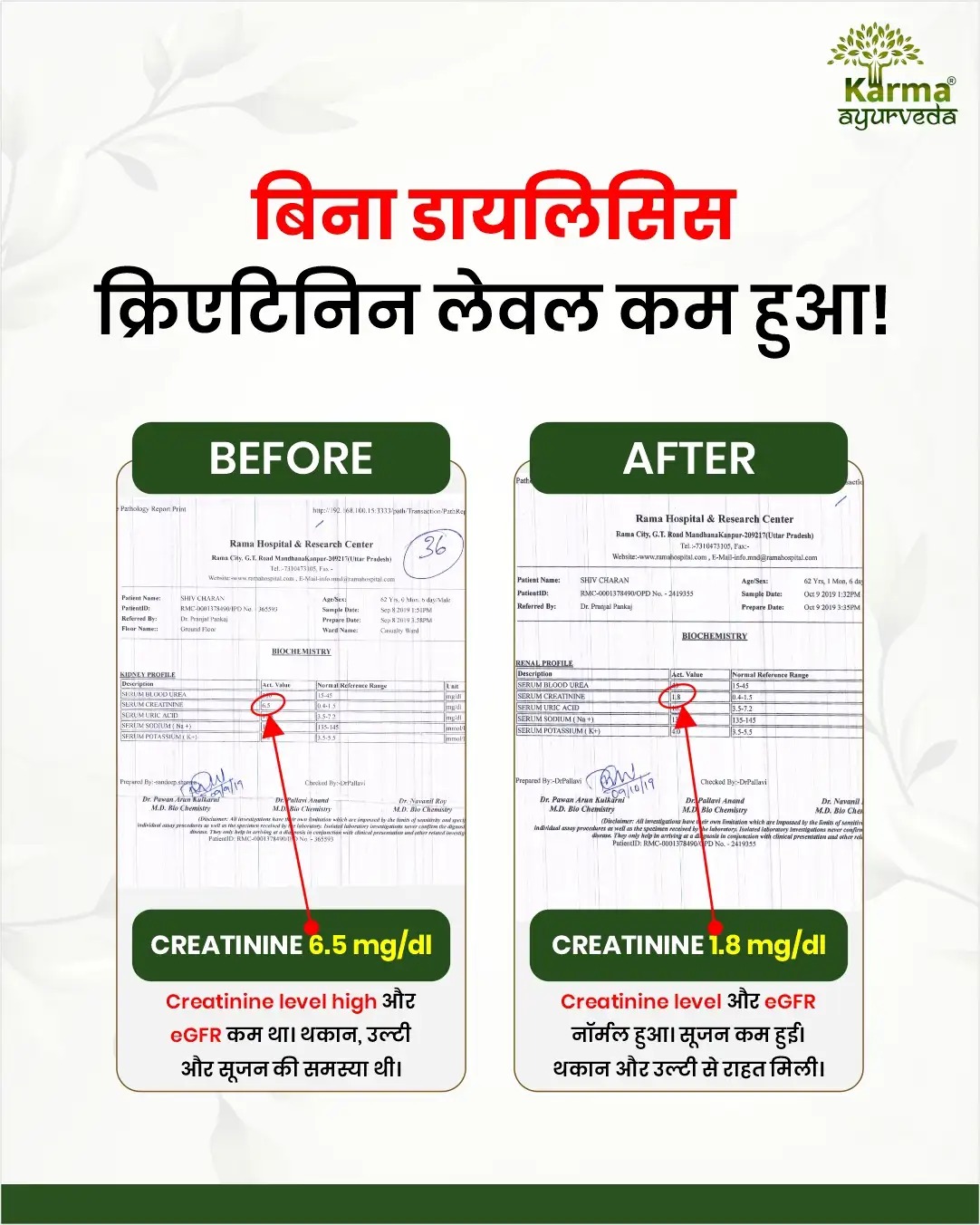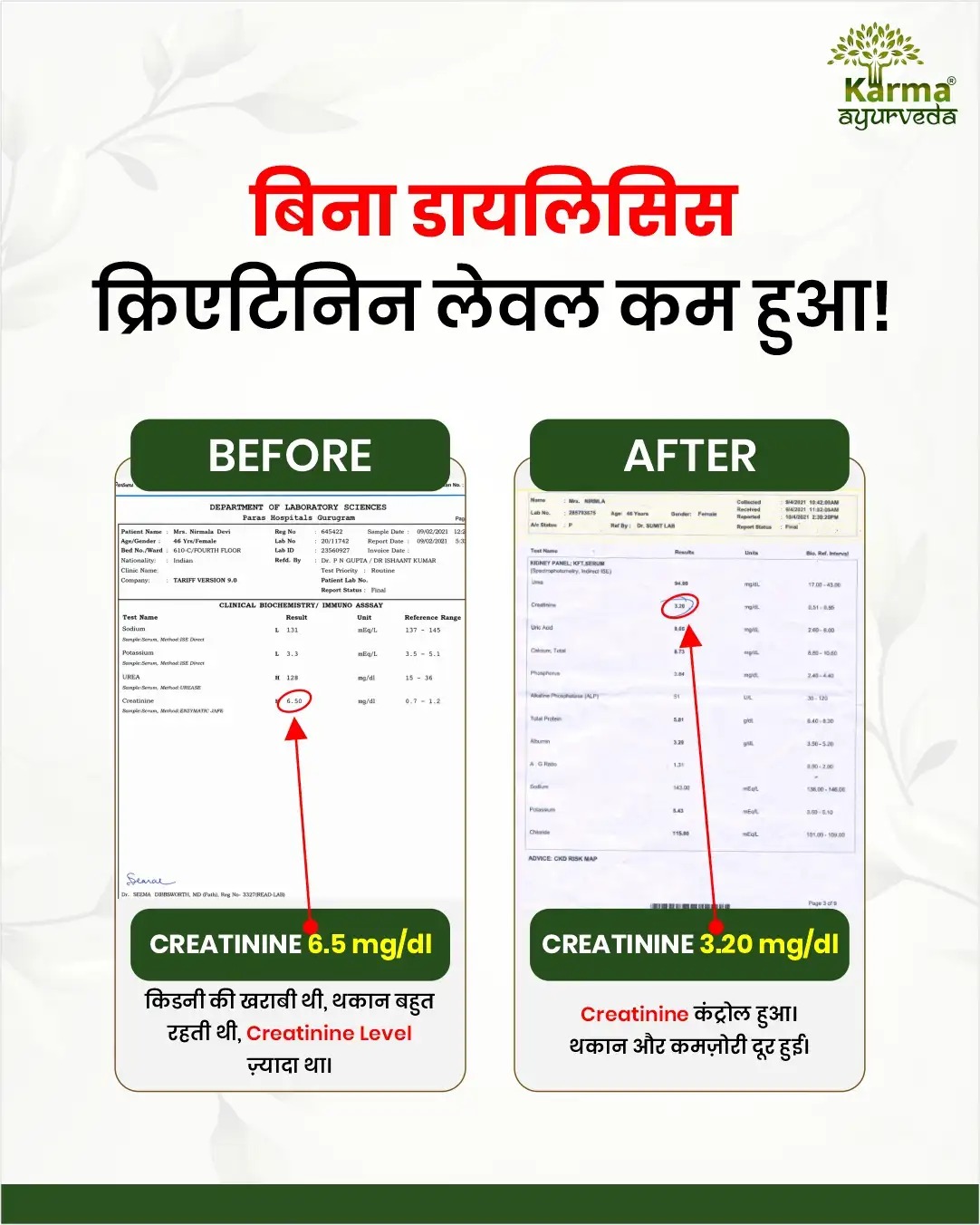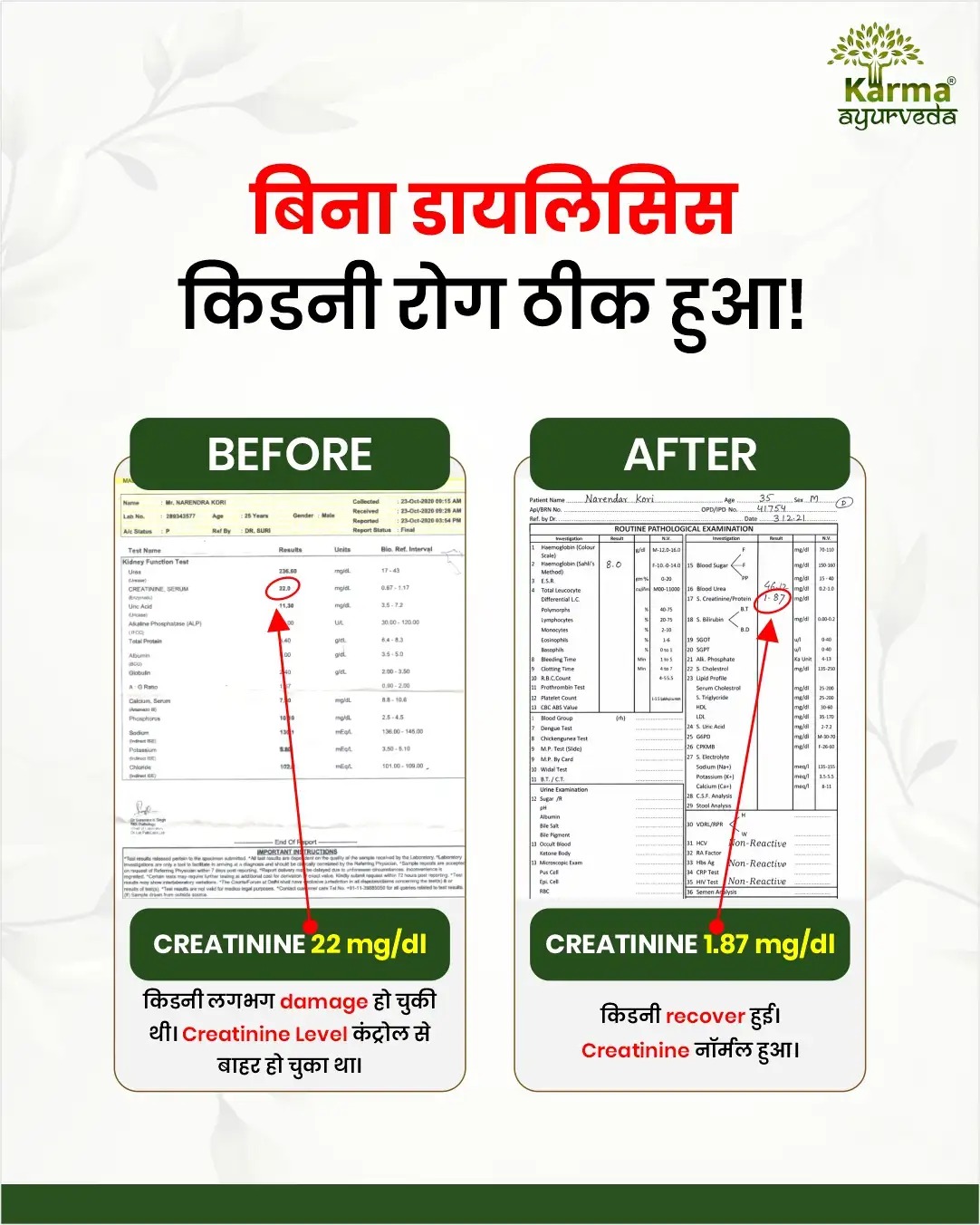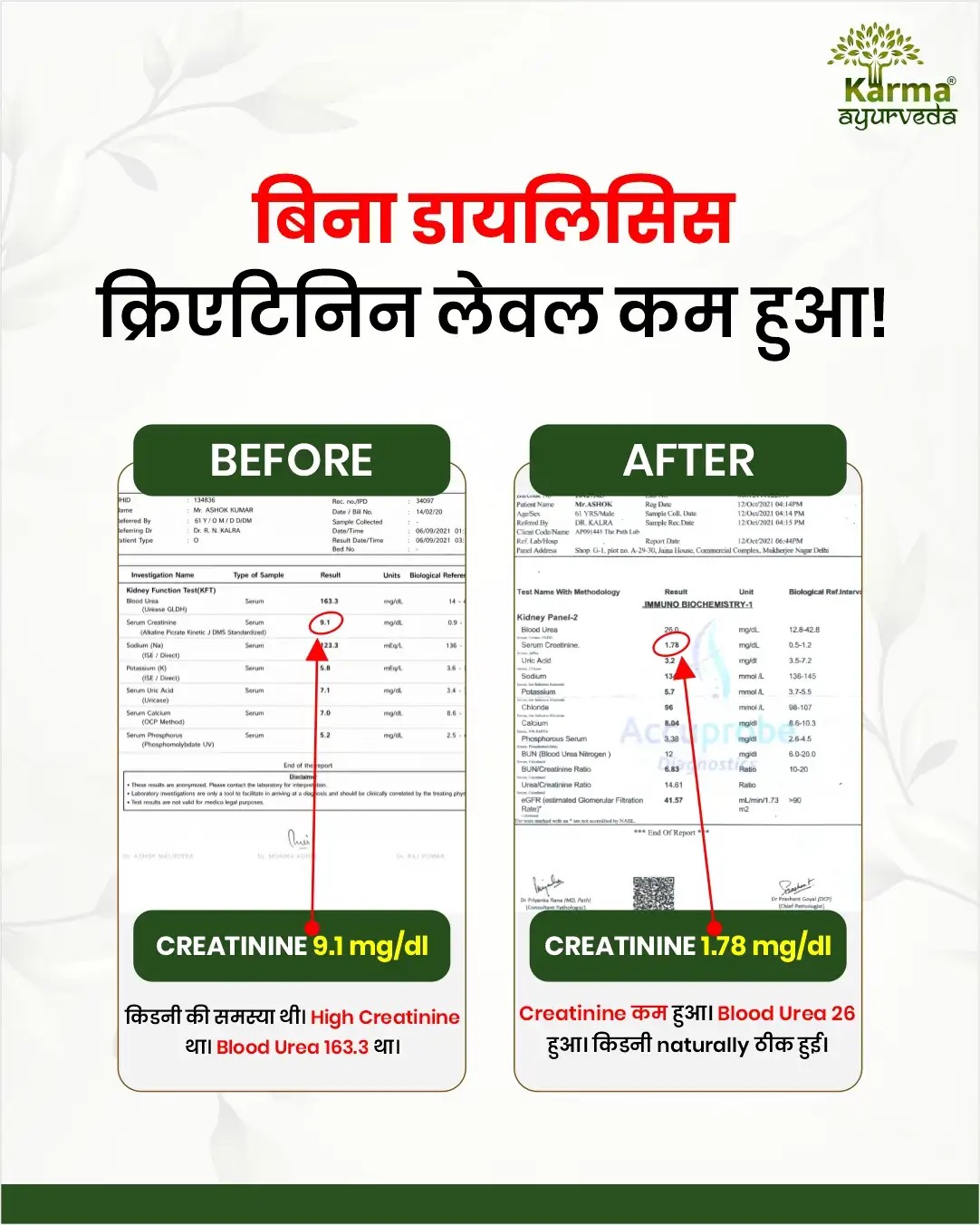
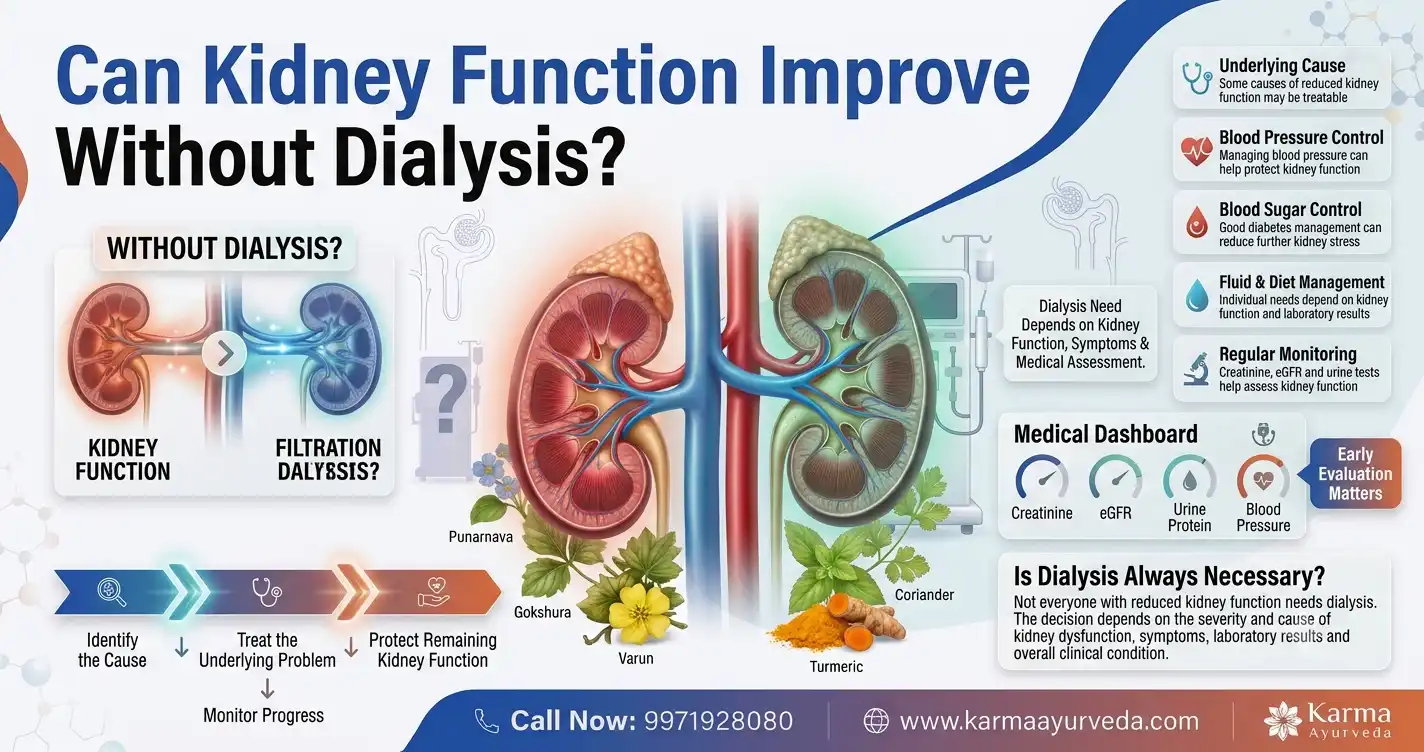
Can Kidney Function Improve Without Dialysis?
Yes, kidney function can improve without dialysis in some situations, particularly when the kidney problem is temporary, such as acute kidney injury (AKI). However, recovery depends heavily on the cause, severity, and whether the kidneys still have enough function to keep the body’s fluid, electrolyte, and waste levels under control.
For someone searching “How to improve kidney function without dialysis,” the first thing to understand is that dialysis is not automatically required every time creatinine rises or eGFR falls. Sometimes the kidneys need treatment and time to recover; sometimes dialysis is genuinely necessary and delaying it can be dangerous.
What does it mean when kidney function improves?
Your kidneys have a fairly thankless job. They filter waste, balance fluids and electrolytes, help regulate blood pressure, and perform several other important tasks—without ever asking for a vacation.
Kidney function is commonly assessed using tests such as:
- Serum creatinine
- eGFR (estimated glomerular filtration rate)
- Blood urea nitrogen (BUN)
- Urine protein or albumin
- Urine output
- Electrolytes such as potassium and sodium
When these measurements improve, it can suggest that kidney function is recovering or that the underlying problem is better controlled.
But one important point: a lower creatinine does not automatically mean the kidneys are completely healed. Doctors usually look at the whole picture rather than celebrating one laboratory number.
When can kidney function improve without dialysis?
The answer is particularly encouraging when the problem is acute kidney injury.
AKI can happen suddenly because of dehydration, severe infection, low blood pressure, certain medications, urinary blockage, surgery, or other illnesses. In some cases, the kidney tissue has been injured but has not suffered permanent damage.
When the underlying problem is treated, kidney function may improve.
For example, depending on the cause, treatment may involve:
- Correcting dehydration or abnormal fluid balance
- Treating an infection
- Relieving a urinary obstruction
- Reviewing medications that may be affecting the kidneys
- Managing blood pressure
- Controlling blood sugar
- Correcting electrolyte abnormalities
- Treating the underlying medical condition
The 2026 KDIGO AKI/AKD guideline update continues to emphasize appropriate assessment, kidney replacement therapy when indicated, and follow-up after AKI because recovery can vary considerably from person to person.
AKI vs CKD: This distinction matters
Situation: Acute kidney injury
Can kidney function improve? Often, depending on cause
What usually matters most? Treat the underlying problem
Situation: Early/moderate CKD
Can kidney function improve? Function may stabilize; some reversible factors may improve
What usually matters most? Control the causes and complications
Situation: Advanced CKD
Can kidney function improve? Recovery is less predictable
What usually matters most? Slow progression and manage complications
Situation: Kidney failure requiring dialysis
Can kidney function improve? Sometimes temporary dialysis can be stopped after recovery, especially in AKI
What usually matters most? Medical monitoring is essential
So, improving kidney function without dialysis isn't one-size-fits-all. The kidney story depends on why the kidneys are struggling in the first place.
Does everyone with low eGFR need dialysis?
No.
This is one of the most common misunderstandings around kidney disease.
A low eGFR is important, but the decision to start dialysis isn't based on a single number alone. Doctors consider symptoms, fluid status, potassium levels, acid-base balance, waste buildup, urine output, overall health, and whether kidney function is changing.
In fact, the large STARRT-AKI trial, published in the New England Journal of Medicine, compared accelerated versus standard initiation of kidney replacement therapy in critically ill people with AKI. The accelerated strategy did not reduce 90-day mortality and resulted in more patients remaining dependent on kidney replacement therapy among survivors. (https://www.nejm.org/doi/abs/10.1056/NEJMoa2000741?utm_source=chatgpt.com)
That doesn't mean dialysis is unnecessary. Quite the opposite: when dialysis is medically indicated, it can be lifesaving. The lesson is that dialysis timing should be individualized rather than treated like an automatic response to one laboratory value.
Can kidneys recover after dialysis has already started?
Surprisingly, yes—especially when dialysis was started because of acute kidney injury rather than irreversible kidney failure.
Dialysis can temporarily take over some kidney functions while the kidneys recover.
Research has looked closely at this question. The Liberation From Acute Dialysis (LIBERATE-D) randomized clinical trial, published in JAMA, included 220 adults with dialysis-requiring AKI. A conservative dialysis strategy based on clinical and metabolic indications resulted in kidney-function recovery at hospital discharge in 64% of participants compared with 50% receiving conventional thrice-weekly dialysis. (https://pmc.ncbi.nlm.nih.gov/articles/PMC12595548/?utm_source=chatgpt.com)
That is an important distinction: some people who receive dialysis during an acute illness may eventually be able to come off it.
On the other hand, long-standing kidney failure caused by advanced CKD is very different. If a large amount of permanent kidney damage has occurred, returning to normal kidney function may not be realistic.
So, how can you support kidney function?
If you're wondering “How to improve kidney function without dialysis?”, forget miracle shortcuts for a moment. The boring basics are often the useful ones.
1. Find and treat the underlying cause
This is number one.
Kidney function won't improve much if the thing damaging the kidneys continues unchecked.
Depending on the person, that may mean addressing:
- High blood pressure
- Diabetes
- Kidney infection
- Urinary obstruction
- Certain medications
- Dehydration
- Heart-related problems
- Autoimmune kidney conditions
The right treatment depends on the diagnosis.
2. Keep blood pressure under control
High blood pressure and kidney disease can become a rather unpleasant two-way conversation: high BP can damage the kidneys, while damaged kidneys can make BP harder to control.
Regular monitoring and prescribed treatment can help protect remaining kidney function.
3. Manage blood sugar if you have diabetes
High blood sugar over time can damage the kidney's tiny filtering units.
Keeping diabetes under appropriate control is therefore an important part of kidney disease treatment and long-term kidney protection.
4. Be careful with painkillers and supplements
Some medicines, particularly certain NSAID pain relievers, can be risky for people with kidney problems, especially when used frequently or in the wrong circumstances.
And “natural” doesn't automatically mean “kidney-friendly.”
That applies to herbal products and supplements too. Discuss them with your doctor before using them, particularly if you have reduced kidney function.
5. Follow a kidney-appropriate diet
There isn't one magical kidney diet that works for everyone.
Depending on kidney function and laboratory results, a healthcare professional may recommend adjustments to:
- Sodium
- Protein
- Potassium
- Phosphorus
- Fluid intake
Don't dramatically restrict foods or water simply because someone on the internet declared them “bad for kidneys.” Kidneys deserve better science than that.
What about Ayurvedic treatment?
People also search for Ayurvedic treatment for kidney disease, particularly when they want supportive approaches alongside conventional care.
Ayurveda may be used by some people as a complementary approach involving diet, lifestyle practices, and traditional therapies. However, there is not enough high-quality clinical evidence to say that an Ayurvedic treatment can reliably restore advanced kidney failure or replace dialysis when dialysis is medically necessary.
Similarly, Karma Ayurveda for kidney diseases should not be understood as a substitute for nephrology care, prescribed medicines, dialysis, or transplantation when those treatments are indicated.
If you are considering Ayurvedic medicines or therapies, tell your nephrologist about everything you're taking. “Herbal” and “harmless” are not synonyms.
What are the signs that kidneys may be recovering?
Doctors may look for several changes rather than one magic number.
Possible signs include:
- Creatinine trending downward
- eGFR improving
- Increasing or appropriate urine output
- Better control of potassium
- Reduced fluid retention
- Less swelling
- Improved energy and appetite
- Reduced symptoms related to waste buildup
Importantly, these changes need to be interpreted in context.
A person can make plenty of urine while still having poor filtration, so urine volume alone cannot prove that kidney function has recovered.
When is dialysis necessary?
Sometimes there simply isn't enough kidney function to safely wait.
Dialysis may be required when kidney failure causes serious problems such as:
- Dangerous potassium elevation
- Severe fluid overload
- Certain severe acid-base disturbances
- Significant symptoms from waste buildup
- Certain toxin exposures
- Other complications that cannot be adequately controlled through medical treatment
In these situations, trying to avoid dialysis at all costs is not a kidney-recovery strategy. It can be dangerous.
The goal is not “dialysis versus no dialysis.” The goal is the safest treatment for the person's kidneys and overall health.
Conclusion
So, can kidney function improve without dialysis? Yes, it can—especially when kidney dysfunction is caused by a reversible problem such as AKI. Some people even recover enough kidney function to stop dialysis after temporarily needing it.
For chronic kidney disease, however, the picture is different. Treatment generally focuses on identifying the cause, controlling blood pressure and blood sugar, managing complications, protecting remaining kidney function, and monitoring changes over time.
If you're looking for how to improve kidney function without dialysis, start with the cause rather than the shortcut. Your kidneys may not appreciate dramatic promises, but they generally respond much better to sensible medical care, monitoring, and consistency.
Key Takeaways
- Kidney function can improve without dialysis, particularly in some cases of AKI.
- Dialysis is not automatically required just because creatinine is high or eGFR is low.
- Some people with AKI can recover kidney function after temporarily requiring dialysis.
- Treating the underlying cause is one of the most important steps toward recovery.
- Blood pressure, diabetes, medicines, diet, hydration, and underlying disease all matter.
- Advanced chronic kidney failure is different from temporary kidney injury.
- Never delay medically necessary dialysis in an attempt to “heal the kidneys naturally.”
Dafedar Singh – Kidney Health Case Study
YouTube Video: Watch the case study on YouTube (https://www.youtube.com/watch?v=PuAcXhS2T00\&utm_source=chatgpt.com)
Patient: Dafedar Singh
Age: 65 years
Location: Uttar Pradesh
Condition: Elevated creatinine and kidney-related concerns
Case Overview:
Dafedar Singh had been dealing with elevated creatinine levels and concerns about declining kidney function. After consulting multiple doctors and being advised to consider dialysis, he began exploring other options and eventually consulted Karma Ayurveda for a personalized approach to kidney care.
Key Symptoms & Concerns:
- General weakness and reduced vitality
- Concerns related to impaired kidney function
- Electrolyte imbalance reported in his medical investigations
- Stress associated with ongoing medications and the possibility of dialysis
Medical Reports:
According to the case study, his serum creatinine was 1.6 mg/dL on July 1, 2023, along with reported electrolyte abnormalities. These findings prompted concerns about his kidney health and the need for appropriate medical management.
Treatment Journey:
Dafedar began a personalized Ayurvedic care plan that included herbal formulations, dietary recommendations, fluid management, and guidance aimed at supporting kidney function and maintaining electrolyte balance. He followed the recommended regimen consistently while his progress was monitored.
Outcome:
The case study reports that after approximately 1.5 months, his creatinine decreased from 1.6 mg/dL to 0.95 mg/dL, with improvements also reported in his overall health and stability.
Key Takeaway:
Dafedar Singh’s case highlights the importance of regular kidney-function testing, appropriate diet, lifestyle management, and individualized medical care. His reported improvement occurred during Ayurvedic treatment, but a creatinine result alone does not determine whether dialysis is needed; decisions about dialysis depend on the overall clinical picture, symptoms, kidney function, and other laboratory findings.
FAQs
Can kidney function improve naturally?
Yes, kidney function can recover when the underlying problem is reversible, particularly with acute kidney injury.
Can creatinine go down without dialysis?
Yes, creatinine can decrease when kidney function improves or the underlying cause of the elevation is treated.
Does low eGFR always mean dialysis?
No, dialysis decisions depend on the overall clinical situation rather than eGFR alone.
Can kidneys recover after starting dialysis?
Yes, some people with dialysis-requiring acute kidney injury recover enough function to discontinue dialysis.
Can Ayurvedic treatment replace dialysis?
No, Ayurvedic therapies should not replace medically necessary dialysis or other evidence-based kidney treatments.
Disclaimer
This article is for general educational purposes only and is not a substitute for medical diagnosis or treatment. Kidney disease can vary greatly between individuals. If you have reduced kidney function, rising creatinine, severe symptoms, or have been advised to start dialysis, consult a qualified nephrologist before changing medicines, diet, fluids, or treatment.