Unlocking Wellness Naturally
100% Ayurvedic Treatment

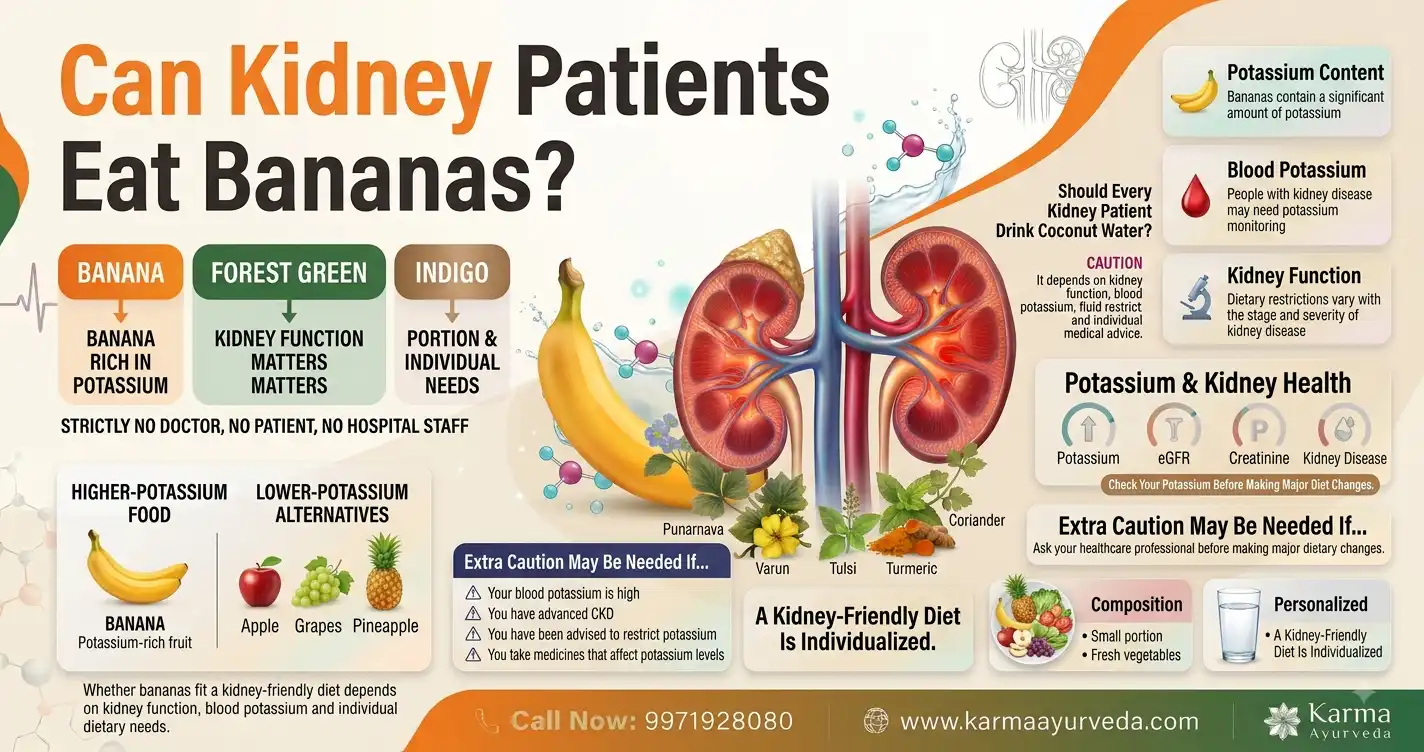
Yes, kidney patients can sometimes eat bananas, but it depends mainly on their kidney function and, more importantly, their blood potassium level. Bananas are nutritious, but they are also relatively high in potassium, which can become a concern when the kidneys are not removing potassium efficiently.
So, should you ban the banana from your kitchen forever? Not necessarily. In kidney health, things are rarely as dramatic as “eat this” or “never touch that.” Portion size, kidney disease stage, lab results, medications, and your overall diet all matter.
Bananas have a lot going for them. They contain carbohydrates, fiber, vitamin B6, vitamin C and potassium. For someone with healthy kidneys, potassium is an important mineral that helps nerves, muscles and the heart function properly.
The tricky part comes when kidney function declines.
Healthy kidneys help maintain the right amount of potassium in the blood. When kidney function becomes significantly reduced, the body may have more difficulty getting rid of excess potassium. If potassium becomes too high, a condition called hyperkalemia can develop, which can affect muscles and the heart. (National Kidney Foundation)
And this is where bananas enter the conversation.
The National Kidney Foundation lists half a banana as a higher-potassium serving, meaning people who have been advised to restrict potassium may need to limit bananas. (National Kidney Foundation)
But; and this is important; not every person with CKD needs a low-potassium diet.
The answer to “Can kidney patients eat bananas?” isn't the same for everyone.
Someone with early-stage CKD and normal potassium levels may have very different dietary needs from someone with advanced CKD, hyperkalemia or someone receiving dialysis.
Your potassium blood test is therefore a much better guide than simply looking at your diagnosis and declaring bananas “good” or “bad.”
Here’s a simple way to look at it:
Situation — What about bananas?
The National Kidney Foundation also emphasizes that potassium needs vary according to kidney function, laboratory results and medications. (National Kidney Foundation)
In other words, your kidneys get a vote; and your blood test gets the final word.
Potassium isn't the villain here. Far from it.
Your body needs potassium for normal muscle contractions, nerve function and heart rhythm. The problem is having too much or too little.
With kidney disease, maintaining the right potassium level can become more difficult. Certain medications can also influence potassium levels, which is why blindly following a food list found online isn't always the best idea.
This is also why two people with the same stage of CKD may receive completely different dietary advice.
One person may be told, “A small portion is fine.”
Another may hear, “Let's skip bananas for now.”
Neither doctor is contradicting the other. Their patients simply have different potassium needs.
Interestingly, bananas aren't automatically forbidden even for people receiving dialysis.
A 2024 randomized controlled trial, “Effect of banana intake on serum potassium level in patients undergoing maintenance hemodialysis,” studied 122 people receiving maintenance hemodialysis. Participants who consumed approximately 250 grams of banana during dialysis did not develop hyperkalemia during the study; the banana group actually had fewer episodes of hypokalemia and arrhythmia compared with the control group.
Now, before anyone celebrates by ordering a banana mountain, there's an important catch.
This was a specific study involving a particular group of dialysis patients under medical supervision. It does not mean that every person on dialysis should eat 250 grams of banana.
Research can provide useful clues, but individual medical care still matters.
The National Kidney Foundation similarly notes that even foods considered high in potassium can sometimes fit into a kidney-friendly diet when serving sizes and individual potassium needs are considered. (National Kidney Foundation)
There isn't one universal “kidney-safe banana amount.”
That depends on:
If bananas are allowed in your diet, portion control becomes especially important.
Instead of thinking, “Bananas are healthy, so more must be better,” think of them as one item in your daily potassium budget.
Because yes, the banana is innocent. The giant banana smoothie with three bananas, coconut water and dried fruit may be another story.
If you have been advised to limit potassium, there are plenty of fruits that may be easier to fit into your diet.
Depending on your individual dietary plan, lower-potassium choices can include:
The National Kidney Foundation lists many of these as lower-potassium fruit choices. (National Kidney Foundation)
However, “low potassium” does not mean “eat unlimited quantities.” Portion size still matters. Even a food with relatively little potassium can contribute a significant amount if you eat a very large serving.
People exploring Ayurvedic treatment for kidney disease often have questions about diet, including whether traditional dietary approaches can be combined with their existing kidney-care plan.
If you're considering Karma Ayurveda or any other complementary approach, it's important to discuss herbs, supplements and dietary changes with your nephrologist or qualified healthcare professional first.
This is particularly important in CKD because some herbal products or supplements may contain ingredients that affect potassium, phosphorus, blood pressure or interact with prescribed medicines.
The National Kidney Foundation specifically advises people with kidney disease to check with their healthcare provider before taking herbal supplements.
Ayurvedic care may be explored as a complementary approach, but it shouldn't replace necessary medical monitoring, prescribed treatment or dialysis when dialysis is medically required.
If you're wondering about kidney patients and bananas, remember these three things:
1. Check potassium first.
Your blood potassium level matters more than a generic internet food list.
2. Watch the portion.
A small serving and a large serving are not nutritionally the same thing.
3. Look at your entire diet.
Bananas aren't eaten in isolation. Potassium from potatoes, tomatoes, oranges, dried fruits, certain dairy products and other foods can add up during the day.
And if your doctor has already asked you to restrict potassium, don't change that plan simply because you read that bananas are “healthy.”
Healthy for one person doesn't automatically mean healthy in unlimited amounts for another.
So, can kidney patients eat bananas? Sometimes, yes; but it depends on kidney function, potassium levels and the individual's overall treatment plan.
Bananas are nutritious, but their relatively high potassium content means some people with CKD may need to limit them, especially when blood potassium is elevated.
The smartest approach isn't to fear every banana sitting innocently in the fruit bowl. It's to understand your potassium needs, follow appropriate portion sizes and make dietary decisions based on your own lab results and medical advice.
Kidney-friendly eating doesn't have to mean saying goodbye to every food you love. It usually means learning how to enjoy the right foods in the right amounts.
And honestly, that's a much more pleasant diet than living by a giant list of “NEVER EAT THIS” foods.
It depends on kidney function, blood potassium levels and the dietary plan recommended by your healthcare team.
Yes, bananas are considered a higher-potassium fruit and may need to be limited when potassium levels are high.
Some people with CKD may be able to eat half a banana, but the right portion depends on their individual potassium needs.
Some dialysis patients may be able to eat bananas, but their portions should be based on their potassium levels and dialysis diet plan.
Apples, berries, grapes, pears, peaches, pineapple and strawberries are among the lower-potassium choices commonly recommended.
This article is intended for general educational purposes and does not replace medical advice, diagnosis or treatment. Kidney disease and potassium requirements vary from person to person. Always consult your nephrologist or a qualified kidney dietitian before changing your diet, medications, supplements or treatment plan.
Continue using AI Cursor?Keep it onTurn Off
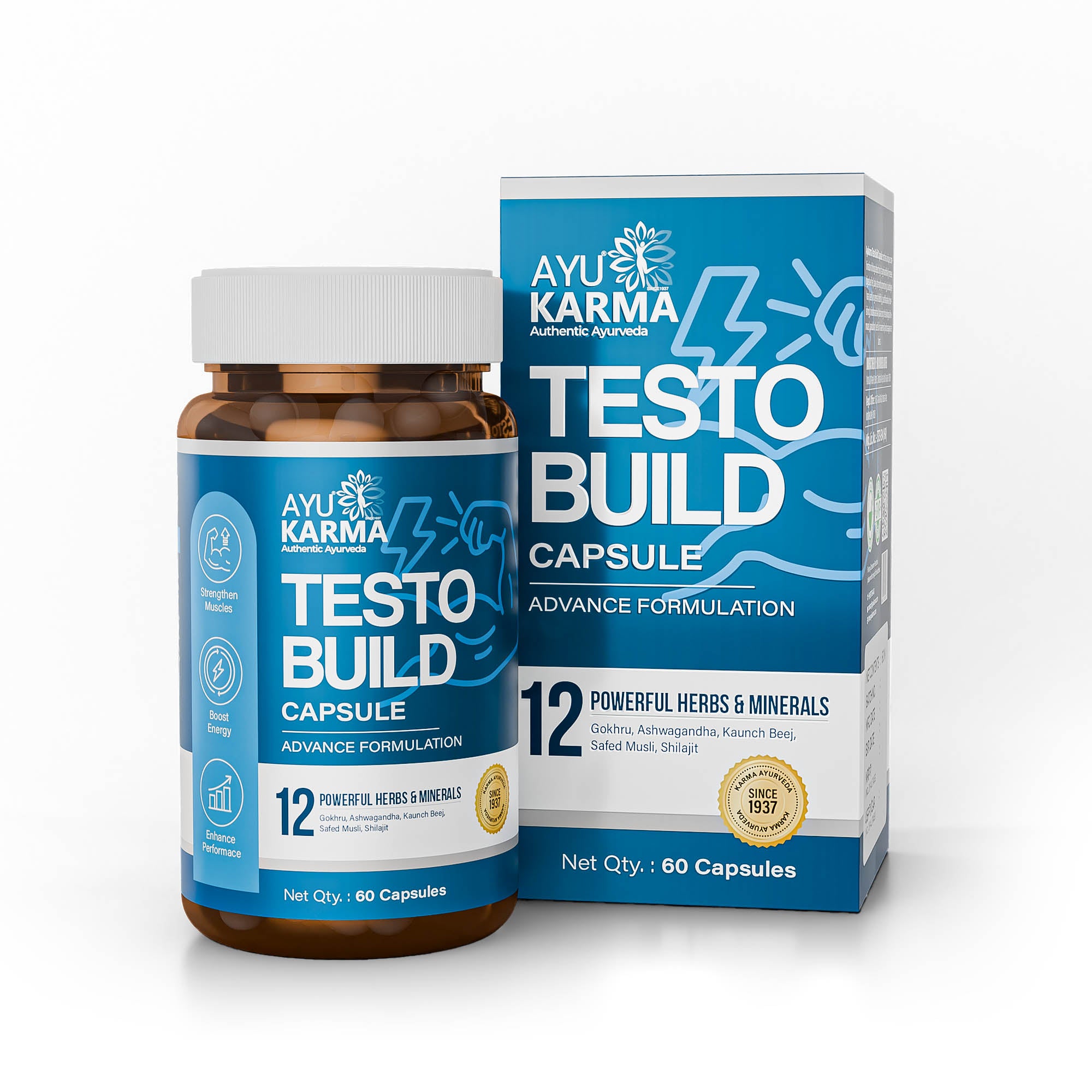
AyuKarma Testo Build Capsules combine 12 Ayurvedic herbs and minerals to support strength, energy, stamina, physical performance, nourishment and overall daily vitality.

AyuKarma Hair Lush Capsules combine Ayurvedic herbs to support hair growth, reduce hair fall, strengthen roots, nourish the scalp and promote healthier-looking hair.
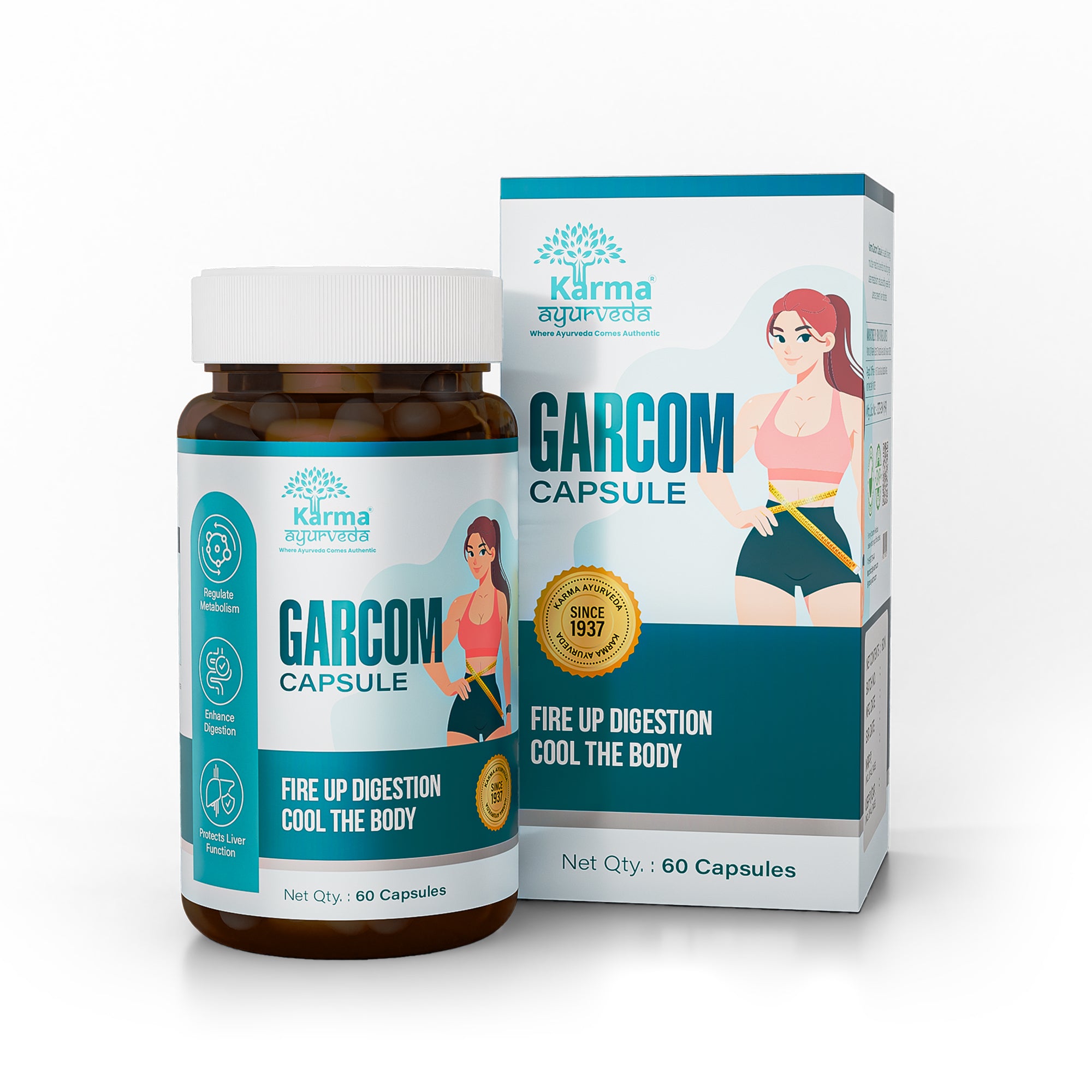
Karma Garcom Capsules contain Garcinia indica to support healthy metabolism, digestion, weight management, digestive comfort and daily wellness alongside a balanced lifestyle.
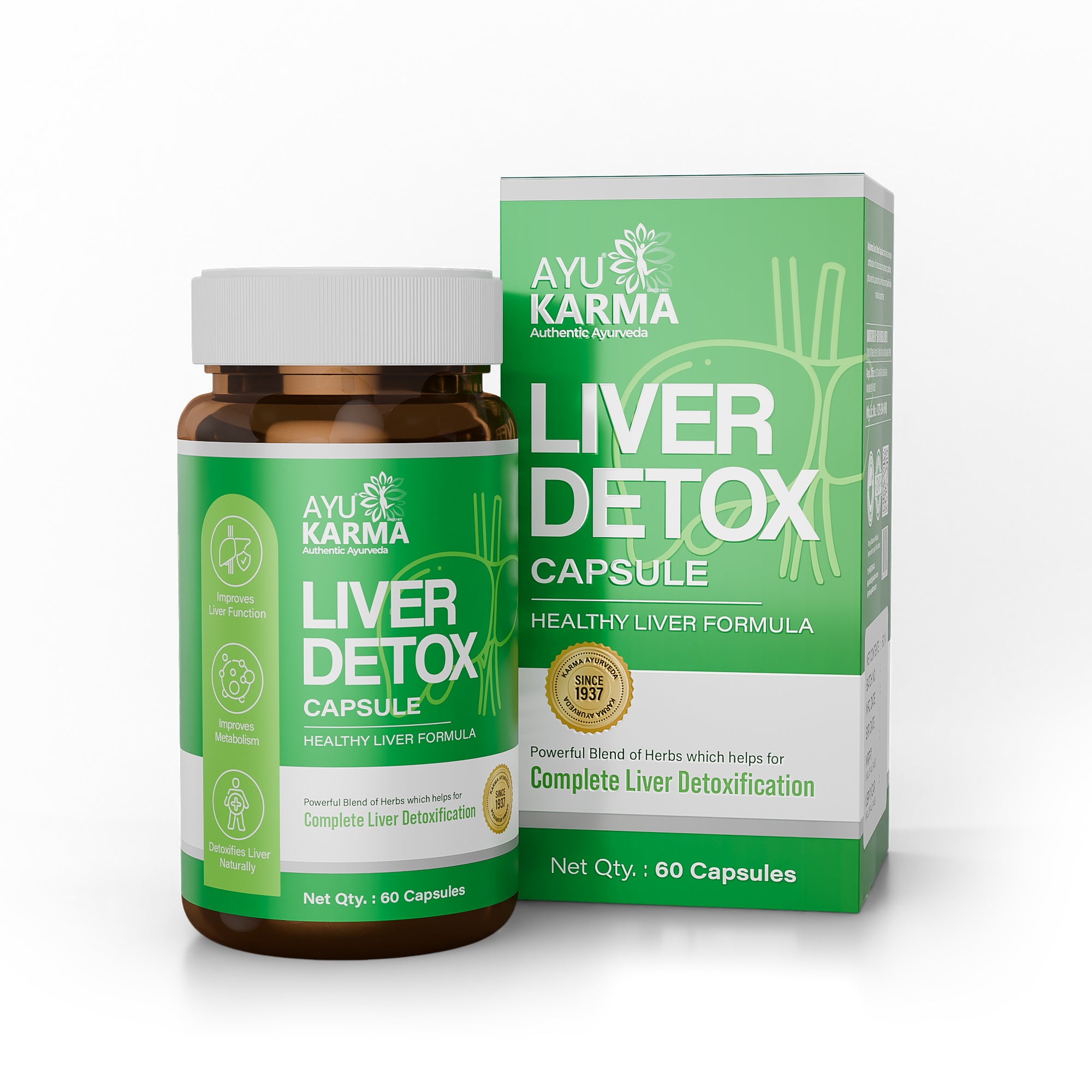
Doctor-recommended liver supplement that helps detoxify the liver, support healthy cholesterol, improve digestion & promote liver health. Developed by Dr. Puneet Dhawan with Karma Ayurveda philosophy.
Second Floor, 77, Block C, Tarun Enclave, Pitampura, New Delhi, Delhi, 110034

Certificate no- AH-2023-0186
JAN 05, 2026 - JAN 04, 2029

US FDA Reg. No.: 14568299376