Unlocking Wellness Naturally
100% Ayurvedic Treatment

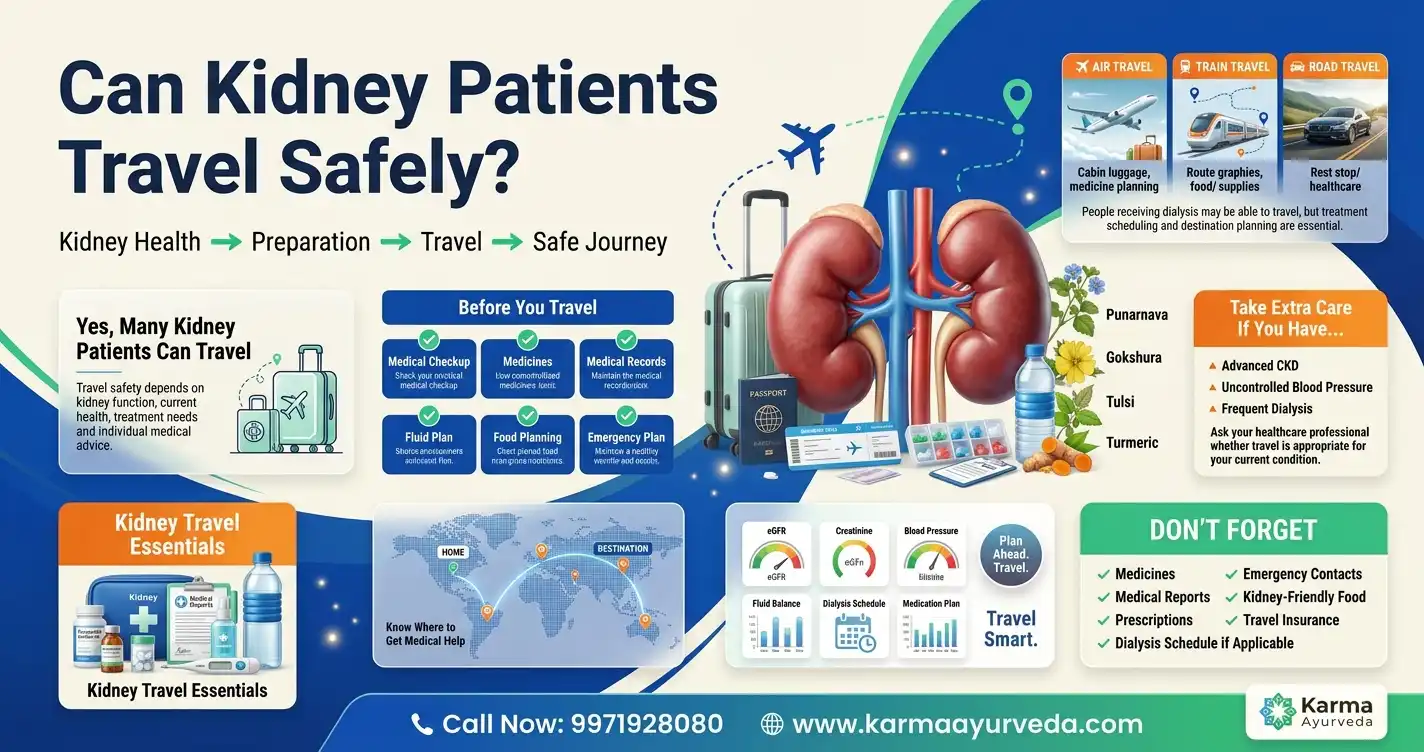
Yes, kidney patients can absolutely travel safely, provided they plan ahead, pack smart, and coordinate closely with their medical team. Having chronic kidney disease or being on dialysis does not mean you are grounded at home forever; it just means your packing list looks a little more interesting than a average beachgoer's!
Living with a chronic health condition can sometimes make the world feel very small. You might find yourself staring at your calendar, wondering if you’ll ever get to sip a tropical drink on a sunny beach again or visit relatives two states over without risking your health. The good news? Traveling with a kidney condition is not only possible, but it is also widely encouraged by medical experts because of the massive boost it gives to your mental health and overall quality of life.
Science backs this up completely. A landmark observational study published in Nephrology Dialysis Transplantation evaluated dialysis patients who took planned vacations and found that temporary travel resulted in a significant improvement in health-related quality of life and psychological well-being, without any measurable increase in medical complication rates compared to staying home. In short: getting out into the world is good for your soul, and as long as you respect your body's ground rules, your kidneys can come along for the ride safely!
Before you go buying non-refundable plane tickets, you need a solid game plan. Think of this phase as building your travel launchpad; get these details locked in, and the rest of your trip will feel like smooth sailing.
Your first stop isn't the travel booking website; it’s your doctor's office. Schedule a quick chat with your nephrologist at least 6 to 8 weeks before your target departure date. They will check your recent blood work, review your stability, and issue a official medical clearance letter detailing your current diagnosis, prescription list, and vascular access specifications.
If you receive in-center hemodialysis, you will need to set up what the renal community calls transient dialysis (or holiday dialysis).
If you use peritoneal dialysis (PD) or home hemodialysis, you actually have a bit more freedom, but you still have supply logistics to wrangle. PD fluid boxes are heavy; like, "bring a forklift" heavy. Fortunately, major medical supply manufacturers will deliver your boxes of dialysate directly to your hotel, cruise ship, or relative’s doorstep if you give them a few weeks' notice.
Standard travel insurance policies often turn a blind eye to pre-existing conditions unless you purchase a specific rider. Look for travel insurance with pre-existing condition waivers. Read the fine print carefully; some policies require your health to have been completely stable (meaning no prescription adjustments) for 60 to 90 days before purchase.
Getting to your destination is half the battle, and traveling while managing chronic kidney disease (CKD) means staying mindful of a few bodily quirks while in transit.
Stage 1–3 CKD: Packing Level: Normal suit-case + extra water bottle. Key Travel Challenge: Resisting sodium-heavy airport fast food. The "Silver Lining": Total freedom of movement; no clinic scheduling needed!
In-Center Hemodialysis: Packing Level: Carry-on packed with charts & meds. Key Travel Challenge: Booking guest clinic slots 2 months early. The "Silver Lining": Professional nurses manage your treatments while you relax.
Peritoneal Dialysis (PD): Packing Level: Heavy boxes delivered to hotel. Key Travel Challenge: Keeping your exchange area squeaky clean. The "Silver Lining": You can do exchanges in your hotel room on your own schedule!
Kidney Transplant: Packing Level: Pill organizers galore + sanitizer. Key Travel Challenge: Remembering meds across confusing time zones. The "Silver Lining": Zero dialysis machines to pack; freedom to roam!
Vacations are built around food, which can feel a bit scary when you are keeping an eye on sodium intake, potassium levels, and phosphorus restrictions.
A clinical study published in the American Journal of Kidney Diseases observed that dietary indiscretions during holiday periods were responsible for over 40% of short-term fluid overload hospitalizations among renal patients. But you don't have to eat plain cardboard while your family enjoys gourmet meals!
Here is how to eat like a king without angering your kidneys:
Even the best-laid plans encounter a bump in the road occasionally. Being prepared takes the panic out of any unexpected scenario.
At the end of the day, having a kidney condition might require you to pack a little extra paperwork and plan your itinerary with a bit more precision, but it certainly shouldn't stop you from making memories. With your nephrologist’s stamp of approval, a well-stocked carry-on, and a booked dialysis slot or shipped supplies, you are ready to explore the world with complete peace of mind. So go ahead; start browsing those travel destinations!
Yes, airlines allow home dialysis machines as medical equipment without counting toward your carry-on luggage limits.
You should reserve your guest dialysis treatment slot 4 to 8 weeks in advance for domestic trips and 8 to 12 weeks for international travel.
Standard policies usually exclude pre-existing conditions unless you purchase a specific pre-existing condition medical waiver rider.
Adjust your medication schedule gradually by moving doses an hour or two closer to the new time zone over a couple of days.
Commercial air travel is generally safe for stable CKD patients, provided you stay hydrated, move around during the flight, and consult your doctor first.
This article is provided for educational and informational purposes only and does not constitute professional medical advice. Always consult your nephrologist or qualified healthcare provider regarding your specific medical condition, travel safety, medication schedules, or treatment plans before making any travel arrangements.
Continue using AI Cursor?Keep it onTurn Off
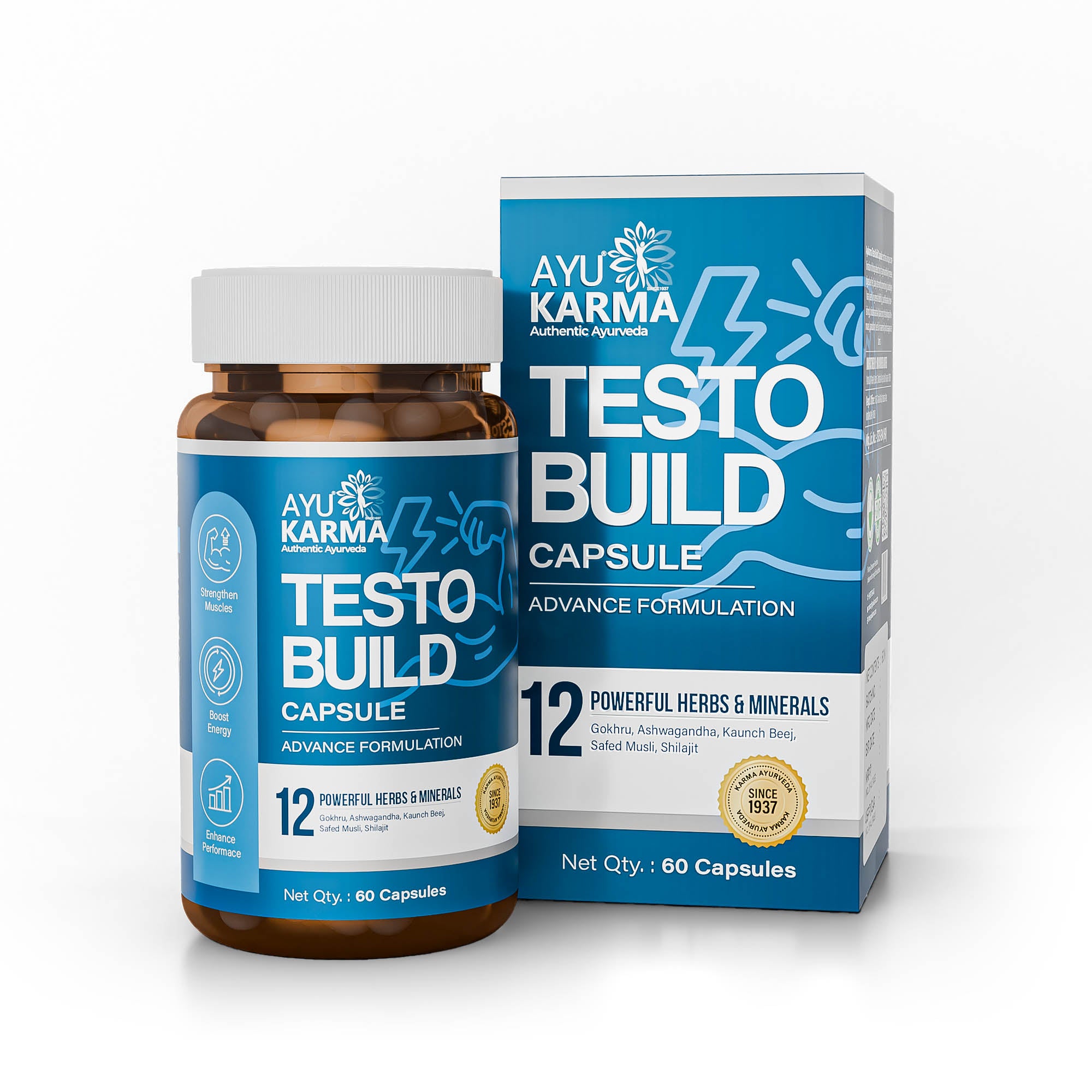
AyuKarma Testo Build Capsules combine 12 Ayurvedic herbs and minerals to support strength, energy, stamina, physical performance, nourishment and overall daily vitality.

AyuKarma Hair Lush Capsules combine Ayurvedic herbs to support hair growth, reduce hair fall, strengthen roots, nourish the scalp and promote healthier-looking hair.

Karma Garcom Capsules contain Garcinia indica to support healthy metabolism, digestion, weight management, digestive comfort and daily wellness alongside a balanced lifestyle.
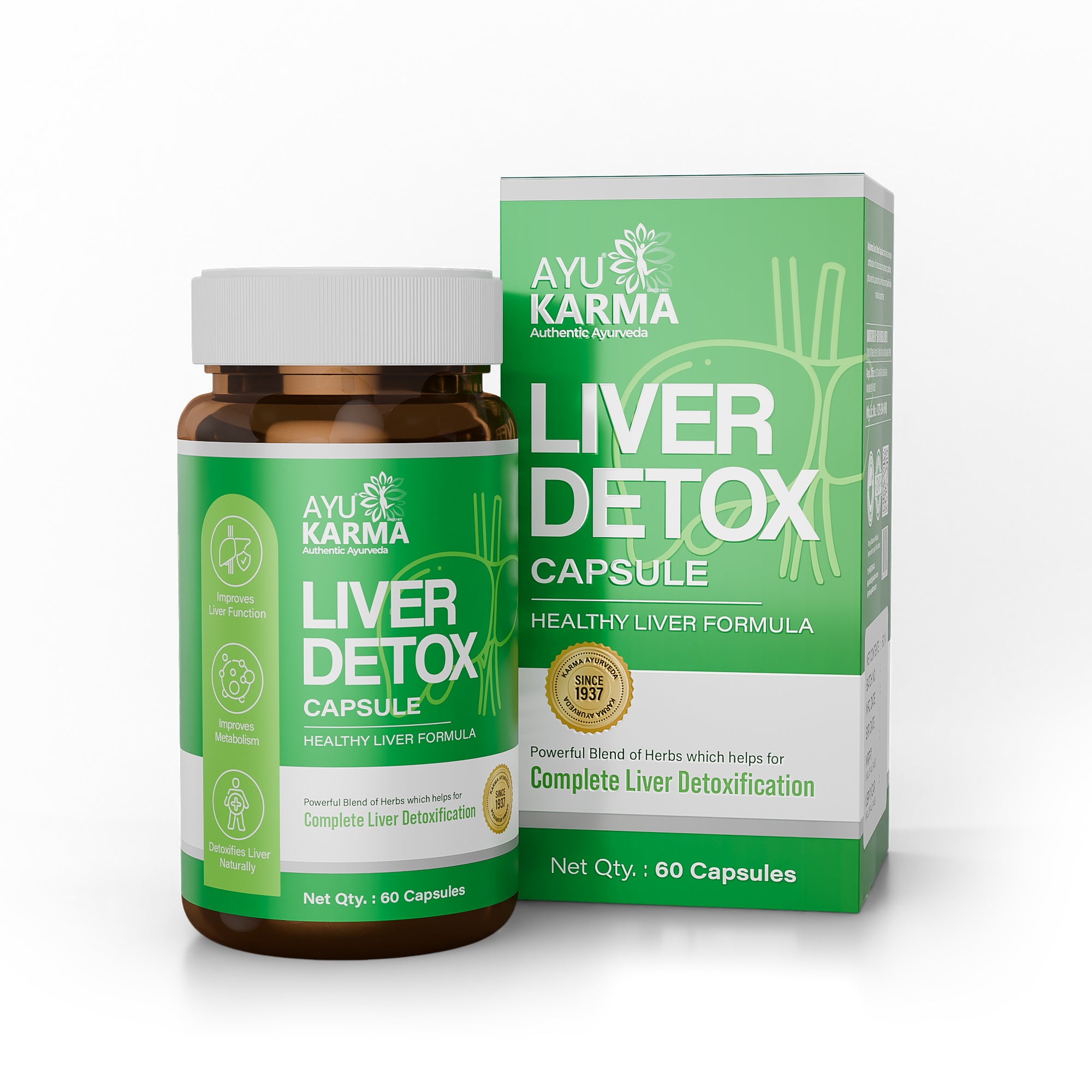
Doctor-recommended liver supplement that helps detoxify the liver, support healthy cholesterol, improve digestion & promote liver health. Developed by Dr. Puneet Dhawan with Karma Ayurveda philosophy.
Second Floor, 77, Block C, Tarun Enclave, Pitampura, New Delhi, Delhi, 110034

Certificate no- AH-2023-0186
JAN 05, 2026 - JAN 04, 2029

US FDA Reg. No.: 14568299376