Can Kidneys Heal Themselves?
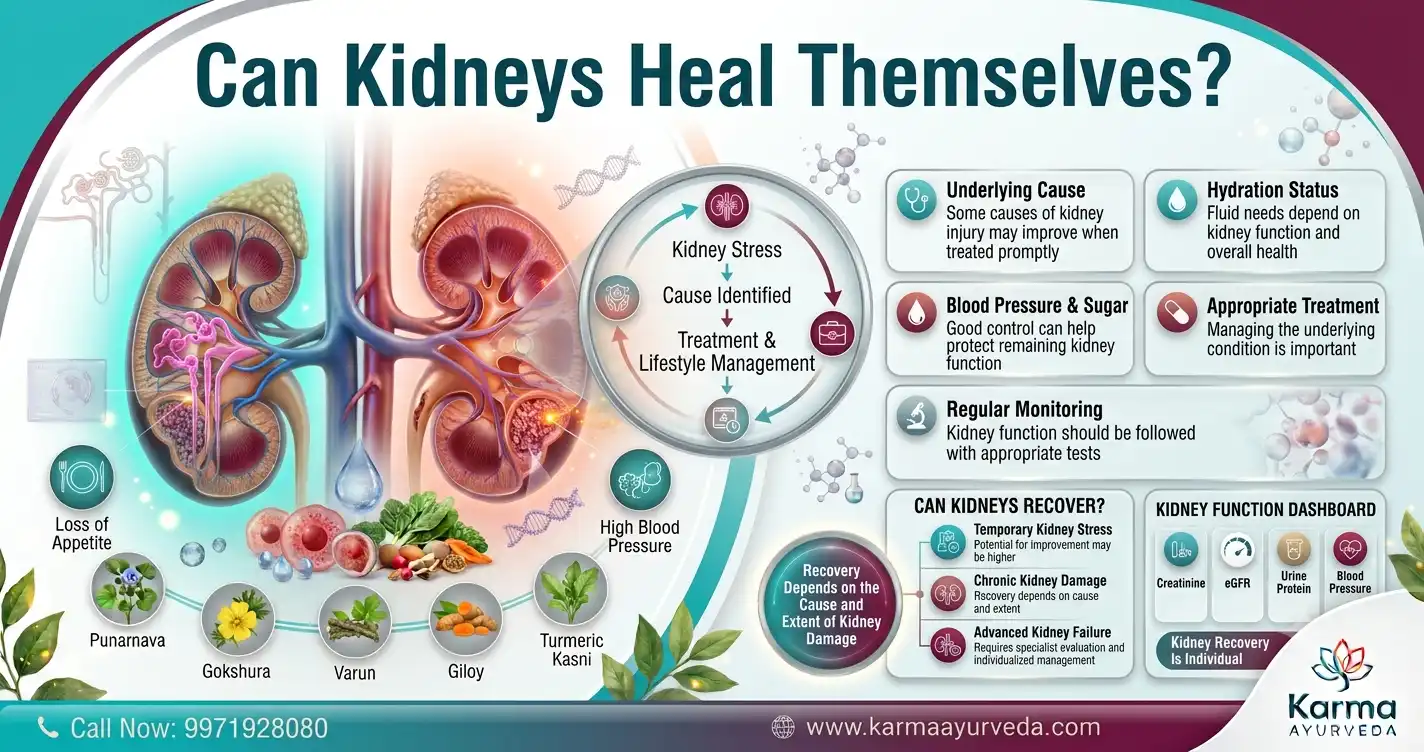
Yes, kidneys can heal themselves to some extent; but it depends on what caused the damage and how severe it is. While minor or sudden kidney injuries may recover with proper treatment and lifestyle changes, long-term or chronic kidney damage usually cannot be completely reversed.
Here's the interesting part: your kidneys are surprisingly hardworking. They quietly filter around 50 gallons of blood every single day without asking for applause (or even a thank you). But like every overworked employee, they also have their limits. So, the big question isn't just "Can kidneys heal themselves?" It's also "How much healing is actually possible?"
Let's break it down in simple language.
Why Are Kidneys So Good at Recovering?
Your kidneys have something called functional reserve. This simply means they have more filtering capacity than your body needs on an average day.
Think of it like owning a four-burner stove but cooking on just two burners most of the time. If one burner stops working, dinner can still happen.
This is why people can donate one kidney and continue living perfectly healthy lives.
However, having extra capacity doesn't mean kidneys are invincible. Once too many filtering units (called nephrons) are permanently damaged, the body cannot grow brand-new ones.
What Helps Kidneys Heal?
When people ask whether kidneys heal themselves naturally, the answer often depends on what caused the problem in the first place.
The kidneys have a much better chance of recovering when:
- Acute Kidney Injury (AKI) is treated early
- Dehydration is corrected quickly
- Certain medications causing temporary injury are stopped
- Infections are treated promptly
- Blood pressure returns to normal
- Blood sugar stays under control
The earlier the cause is removed, the better the chances of recovery.
Acute Kidney Injury vs Chronic Kidney Disease
Here's where many people get confused.
Condition: Acute Kidney Injury (AKI)
Can It Heal? Often yes, partially or completely
Think of It Like... Spraining your ankle; you may recover with rest and treatment.
Condition: Chronic Kidney Disease (CKD)
Can It Heal? Usually not completely, but progression may slow
Think of It Like... Slowly wearing down your favorite shoes; they can last longer with care but won't become brand new.
This is why doctors always try to identify kidney problems as early as possible.
Can Chronic Kidney Disease Be Reversed?
This is probably one of the most searched questions online.
Unfortunately, Chronic Kidney Disease (CKD) usually cannot be completely reversed because damaged nephrons do not regenerate.
But don't lose hope just yet.
Many people successfully slow the progression of chronic kidney disease by focusing on:
- Blood pressure control
- Diabetes management
- Kidney-friendly diet
- Healthy body weight
- Regular medical follow-up
- Avoiding smoking
- Staying physically active
Sometimes, protecting the healthy kidney tissue you still have is the biggest victory.
Signs That Your Kidneys May Need Attention
Kidney disease often develops quietly.
Watch out for symptoms like:
- Swelling in feet or ankles
- Changes in urination
- Persistent fatigue
- Foamy urine
- Loss of appetite
- High blood pressure
- Nausea
- Difficulty concentrating
These symptoms don't always mean kidney disease, but they're definitely worth discussing with a healthcare professional.
Can Lifestyle Changes Help Kidneys Recover?
Absolutely.
While lifestyle changes cannot magically regenerate damaged kidneys, they can significantly support overall kidney health and help reduce further injury.
Here are a few habits your kidneys secretly appreciate:
Stay Hydrated
Your kidneys need enough water to filter waste effectively.
No, this doesn't mean drinking five liters just because someone on social media said so. Drink according to your body's needs and your doctor's advice.
Eat a Kidney-Friendly Diet
A balanced diet rich in fruits, vegetables, whole grains (where appropriate), and controlled sodium intake supports overall kidney function.
People with advanced kidney disease may need personalized advice regarding potassium, phosphorus, and protein intake.
Control Blood Pressure
High blood pressure is both a cause and a consequence of kidney disease.
Keeping it within the recommended range protects those tiny filtering units.
Keep Blood Sugar Under Control
Diabetes remains one of the leading causes of kidney disease worldwide.
Better glucose control means less stress on your kidneys.
Exercise Regularly
No need to become a marathon runner overnight.
Even 30 minutes of walking most days can improve cardiovascular health, which indirectly benefits the kidneys.
Avoid Unnecessary Painkillers
Frequent use of certain painkillers (NSAIDs) may increase the risk of kidney injury in some individuals, especially when taken without medical guidance.
Your kidneys would probably vote "no" if they had a ballot.
Foods That Support Kidney Health
While no single food can "heal" kidneys overnight, a balanced eating pattern can support overall kidney function.
Some commonly recommended foods include:
- Blueberries
- Apples
- Cauliflower
- Cabbage
- Bell peppers
- Garlic
- Olive oil
- Cranberries (when appropriate)
Diet recommendations vary depending on the stage of kidney disease, so individualized guidance is important.
What Does Research Say?
Scientific evidence supports the idea that early intervention can improve outcomes in many kidney conditions.
1. KDIGO Clinical Practice Guidelines (Kidney Disease: Improving Global Outcomes)
These internationally recognized guidelines emphasize that early diagnosis, blood pressure management, diabetes control, and timely treatment can help slow kidney disease progression and improve kidney outcomes.
2. National Institute of Diabetes and Digestive and Kidney Diseases (NIDDK)
The NIDDK notes that many cases of Acute Kidney Injury (AKI) recover when the underlying cause is treated promptly, although recovery may vary depending on severity.
3. CRIC Study (Chronic Renal Insufficiency Cohort Study)
The CRIC Study has shown that managing blood pressure, diabetes, and cardiovascular risk factors plays a significant role in slowing the progression of chronic kidney disease.
These findings reinforce an important message: while not every kidney condition is reversible, many can be managed effectively with timely medical care and healthy lifestyle habits.
Can Natural Approaches Help?
Many people explore complementary approaches such as yoga, stress management, mindful eating, and traditional wellness practices alongside conventional treatment.
Some herbal therapies are also studied for kidney health. However, not every herbal product is kidney-safe, and some may even worsen kidney function.
If you're considering natural or traditional therapies, it's important to discuss them with a qualified healthcare professional and use them as a complement; not a replacement; for evidence-based medical care.
Conclusion
So, can kidneys heal themselves?
Sometimes, yes.
If the damage is sudden and temporary, the kidneys often have an impressive ability to recover. But if the damage is long-term, the focus shifts from reversing the condition to protecting the healthy kidney function that remains.
The good news? Your everyday choices; staying active, eating well, controlling blood pressure and diabetes, staying hydrated, and following medical advice; can make a meaningful difference.
Your kidneys may never ask for flowers or chocolates, but they'll certainly appreciate a little daily care.
Key Takeaways
- Kidneys can recover from some forms of Acute Kidney Injury (AKI).
- Chronic Kidney Disease (CKD) is usually not reversible, but its progression can often be slowed.
- Early diagnosis greatly improves the chances of preserving kidney function.
- Healthy lifestyle habits support long-term kidney health.
- Managing blood pressure, blood sugar, and avoiding unnecessary medications are among the most effective protective steps.
- Always consult a healthcare professional before trying herbal or alternative therapies.
Frequently Asked Questions
Can kidneys repair themselves naturally?
Yes, mild kidney injuries may recover naturally once the underlying cause is treated.
Can chronic kidney disease be cured?
No, but it can often be managed to help slow further damage.
How long do kidneys take to recover?
Recovery can range from a few days to several weeks, depending on the cause and severity.
What is the best way to protect kidney function?
Keeping blood pressure, blood sugar, hydration, and overall lifestyle in check goes a long way.
Can drinking more water heal damaged kidneys?
Water supports normal kidney function, but it cannot reverse permanent kidney damage.
Disclaimer
This article is intended for educational purposes only and should not be considered medical advice. Kidney conditions vary from person to person, and treatment decisions should always be made in consultation with a qualified healthcare professional. Never start, stop, or change medications, supplements, or therapies based solely on information from an online article.