Unlocking Wellness Naturally
100% Ayurvedic Treatment

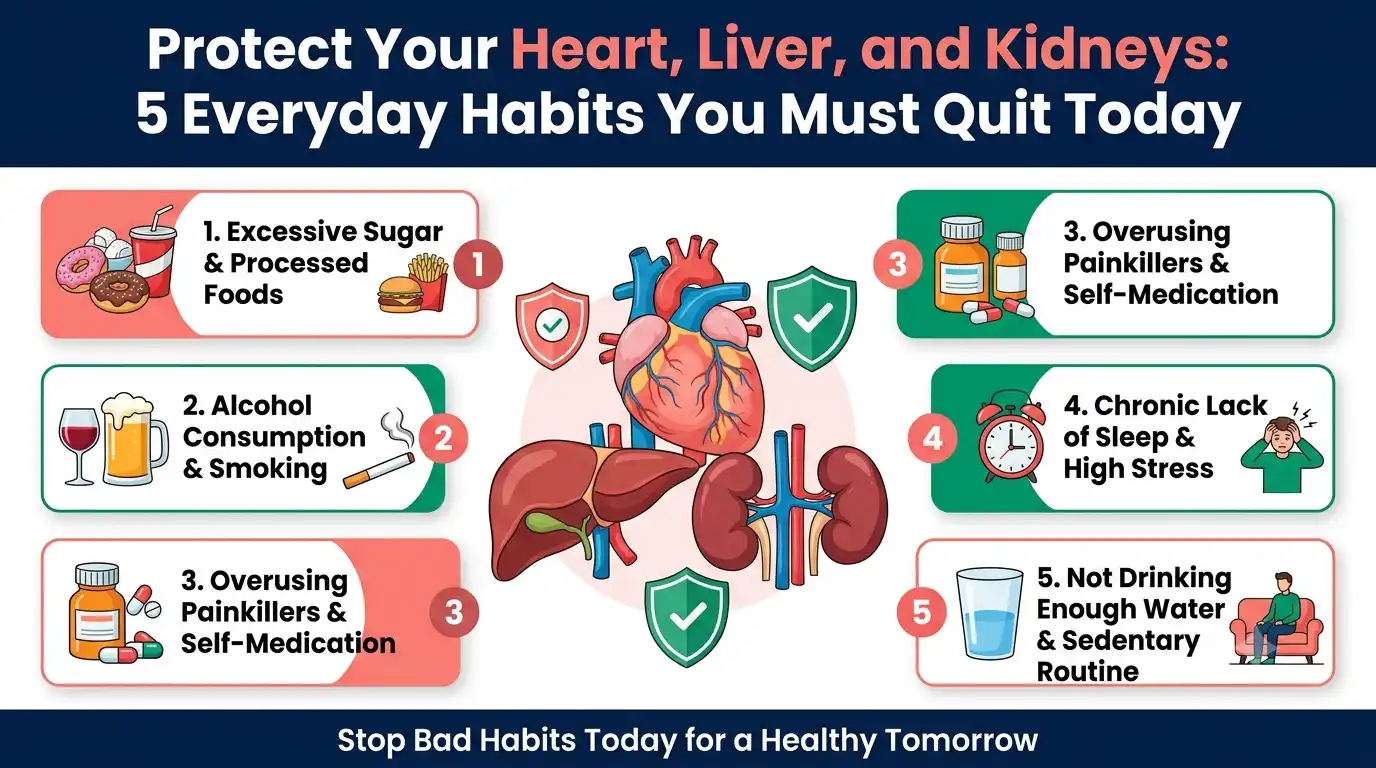
You want the answer before you even scroll further, right? Fine. Quit oversalting your food, sitting for 10+ hours straight, chugging sugary drinks, skimping on sleep, and popping painkillers like candy; these five habits are quietly wrecking your heart and your two hardest-working filtration organs.
Here's the thing nobody tells you: your heart, your liver, and your kidneys don't complain loudly when you mistreat them. They're not the drama queens of your body; that title goes to your lower back, which will scream at you for one wrong stretch. Your internal organs, on the other hand, suffer in silence for years. By the time they finally speak up, it's usually in the form of a doctor using words like "stage 2" and "let's run some more tests." Not fun.
So let's break down the habits that damage kidney and liver silently, one by one, with real studies to back it up (because we're not in the business of fear-mongering, just fact-sharing with a side of sarcasm).
Look, we get it; bland food is a crime against humanity. But here's the plot twist: your body needs shockingly little sodium to function, and most of us are drowning our meals in three to four times that amount without even noticing (thanks, packaged snacks and restaurant food).
Excess salt doesn't just puff up your face the next morning. Research published via PMC on dietary sodium found that chronic high salt intake accelerates the decline of kidney function and worsens protein leakage in urine; basically your filtration system working overtime and burning out faster than it should. Another large-scale study of over 12,000 people found that high salt intake could independently predict future kidney impairment, even in people who started out completely healthy.
The fix: Cook one meal a day without adding extra salt and taste it before reaching for the shaker out of habit. Your taste buds recalibrate faster than you'd think; usually within two to three weeks.
Desk job, Netflix marathons, doom-scrolling on the couch; sound familiar? A widely reported UK Biobank study (published in JACC, the Journal of the American College of Cardiology, and presented at the American Heart Association's Scientific Sessions) tracked nearly 90,000 people and found that sitting for more than roughly 10.6 hours a day significantly raised the risk of heart failure and cardiovascular death; even in people who exercised regularly. Yes, even your hard-earned gym session can't fully cancel out a day of sitting like a statue.
This is genuinely one of the sneakiest bad habits causing premature aging and heart problems, because it feels so harmless. You're not smoking, you're not binge drinking; you're just... sitting. But your circulatory system doesn't see "harmless," it sees hours of sluggish blood flow and rising cardiovascular strain.
The fix: Set a timer to stand up every 45–60 minutes. Walk to refill your water bottle. Take calls standing. Small breaks, big long-term payoff.
Here's a fun fact that'll ruin your soda: a major study presented at UEG Week, following over 123,000 UK Biobank participants, found that people who drank more than roughly 250g a day of sugar-sweetened beverages had a 50% higher risk of developing fatty liver disease; and shockingly, "diet" or artificially sweetened versions weren't much safer, showing a 60% elevated risk. Water, once again, wins by doing absolutely nothing except its actual job.
This ties directly into how to protect heart and liver health naturally; because fatty liver disease doesn't stay contained. It's linked to higher cholesterol, insulin resistance, and yes, heart disease down the line. One organ's mess becomes everyone's problem.
The fix: Swap one sugary or fizzy drink a day for infused water, buttermilk, or plain nimbu paani. Small swap, massive difference over a year.
"I'll sleep when I'm dead" is possibly the most self-fulfilling prophecy in modern wellness culture. A well-known systematic review found that short sleep duration was linked to a 45% increased risk of coronary heart disease. Chronic sleep deprivation cranks up stress hormones, spikes blood pressure, and keeps your cardiovascular system in a low-grade "fight or flight" mode all night, every night.
The fix: Pick a wind-down time and actually stick to it four nights a week to start. Not perfection; consistency.
That headache, that back twinge, that "I'll just take a tablet and push through" mentality; it adds up. Regular, unsupervised use of over-the-counter painkillers (especially NSAIDs) is one of the most under-discussed contributors to kidney strain, because these medications reduce blood flow to the filtration units inside your kidneys when used frequently and in high doses.
The fix: Painkillers are fine occasionally and responsibly. The problem is treating them as a daily vitamin. If you're reaching for one more than twice a week, that's a conversation for your doctor, not your medicine cabinet.
Extra salt on everything
Sitting 10+ hours
Daily soda/diet cola
5 hours of sleep
Popping painkillers casually
Traditional wisdom actually lines up with modern medicine more than people expect. Some commonly cited Ayurvedic warning signs of organ damage include persistent puffiness under the eyes or in the ankles, unusual fatigue that doesn't go away with rest, a coated or discolored tongue, digestive sluggishness, and skin that looks dull or develops sudden breakouts. None of these are diagnoses on their own; but they're your body's version of a polite tap on the shoulder before it starts shouting.
If multiple signs show up together and stick around for more than a couple of weeks, that's your cue to get actual bloodwork done, not just switch to herbal tea and hope for the best.
If you're looking at how to protect heart and liver health naturally, a few herbs have earned genuine research interest (not just influencer hype): turmeric (curcumin) for its anti-inflammatory action, garlic for cardiovascular support, coriander and dandelion for gentle detox support, and Arjuna bark, long used in Ayurveda for heart function. Among the best herbs for kidney liver heart health, punarnava and gokshura are also frequently mentioned in Ayurvedic texts for supporting fluid balance and filtration function.
A gentle disclaimer within a disclaimer: herbs support a healthy system, they don't reverse damage from the five habits above. Think of them as backup dancers, not the headliner.
Yes, to a great extent; the liver especially is remarkably good at repairing itself once the damaging habit stops.
Water helps a lot, but it works best alongside lower salt intake and fewer sugary drinks, not as a standalone fix.
Research suggests risk climbs sharply past roughly 10 hours of daily sitting, even for people who exercise regularly.
No; herbs can support general wellness, but they're not a substitute for diagnosis or treatment from a doctor.
Sleep, honestly; it's free, requires no shopping list, and improves almost everything else on this list as a side effect.
This blog is for general informational purposes only and isn't a substitute for professional medical advice, diagnosis, or treatment. Always consult a qualified doctor before making significant changes to your diet, lifestyle, medication use, or before starting any herbal supplement, especially if you have an existing health condition.
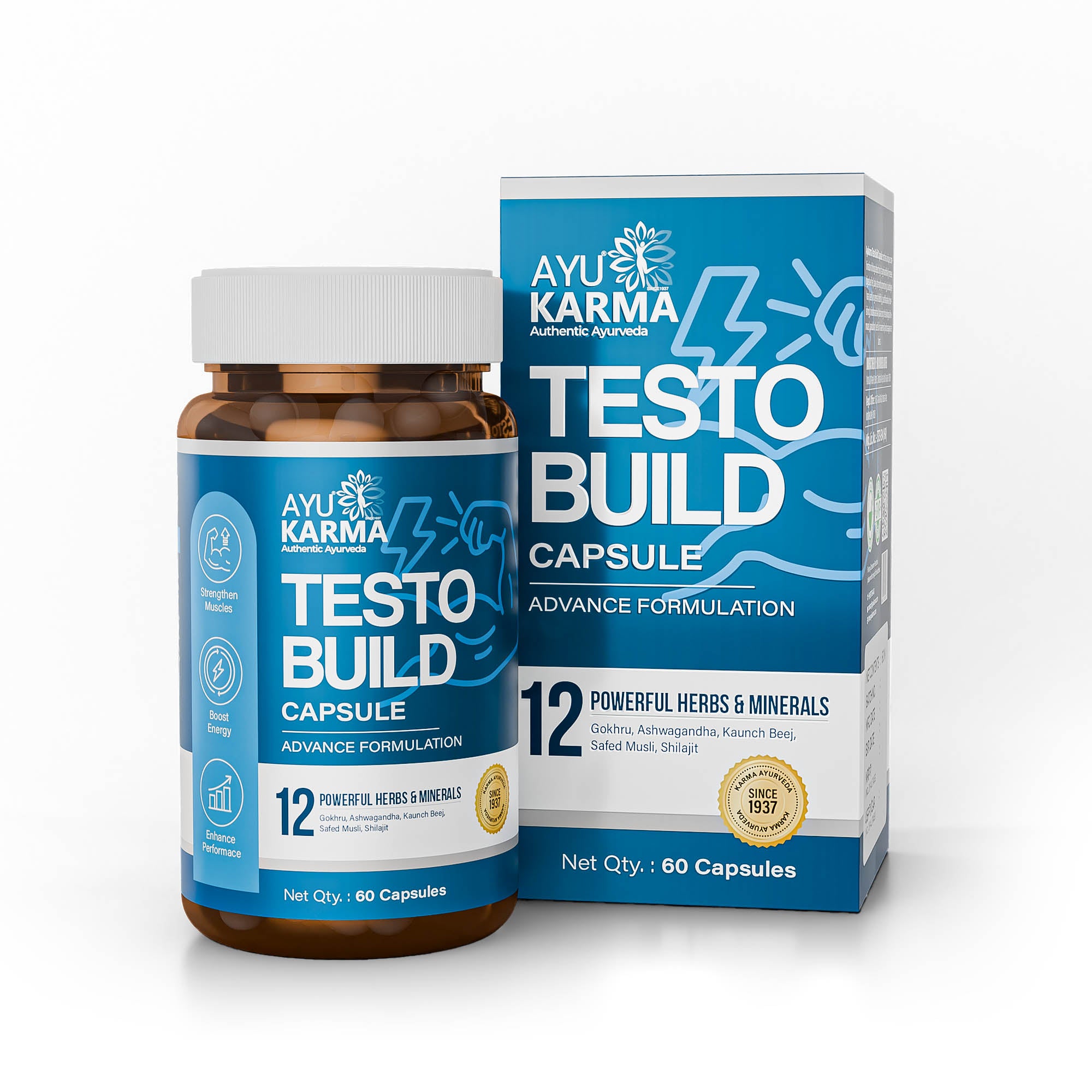
AyuKarma Testo Build Capsules combine 12 Ayurvedic herbs and minerals to support strength, energy, stamina, physical performance, nourishment and overall daily vitality.
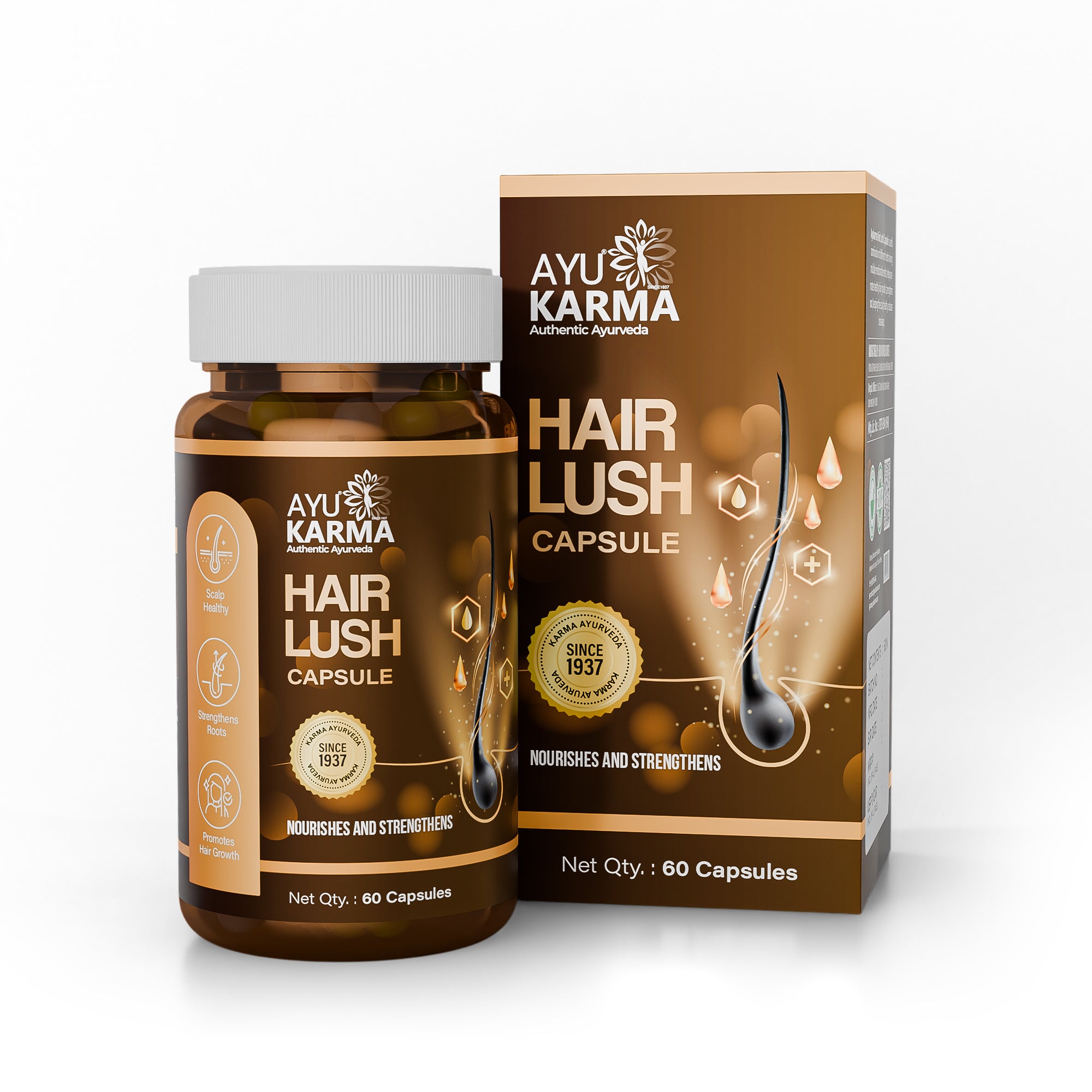
AyuKarma Hair Lush Capsules combine Ayurvedic herbs to support hair growth, reduce hair fall, strengthen roots, nourish the scalp and promote healthier-looking hair.
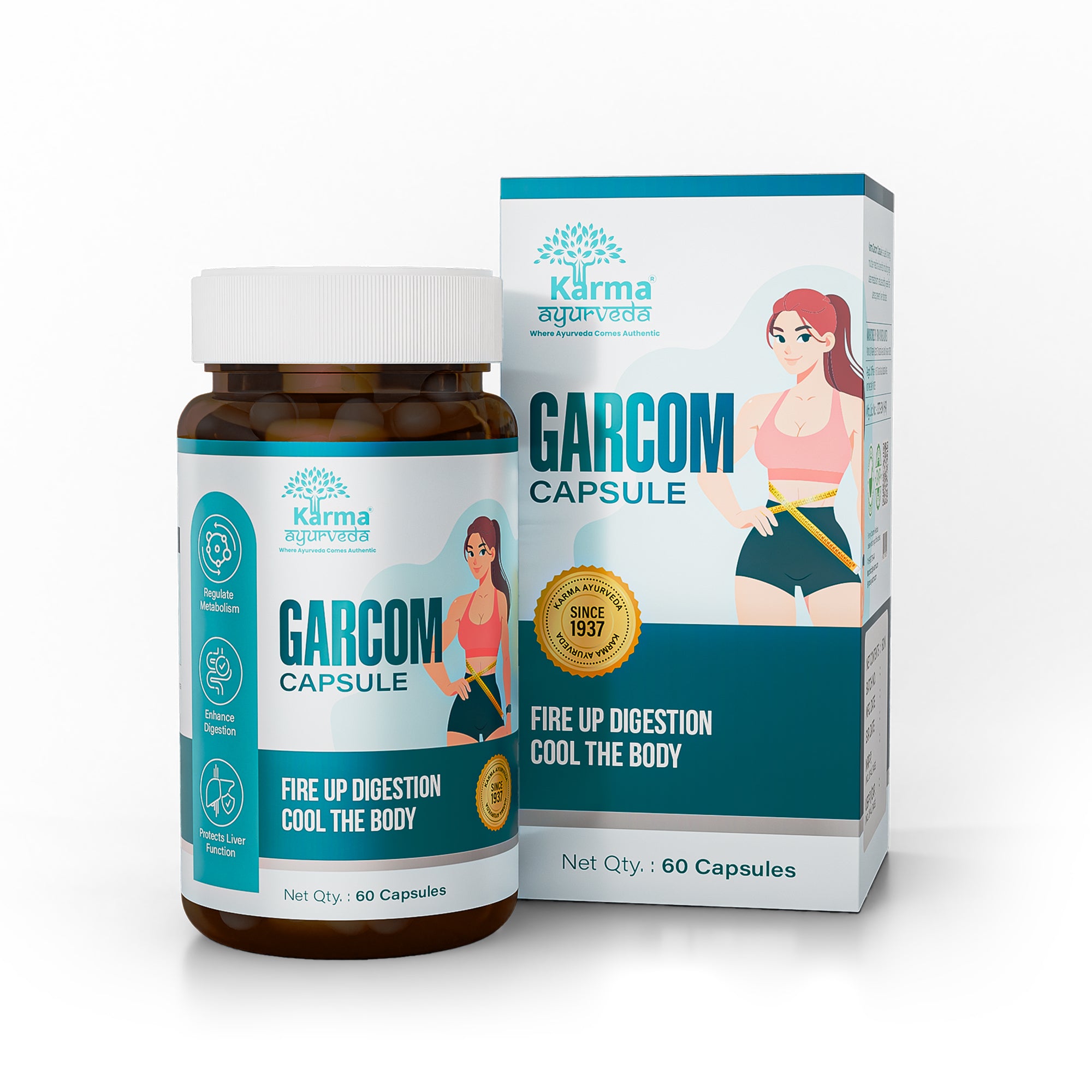
Karma Garcom Capsules contain Garcinia indica to support healthy metabolism, digestion, weight management, digestive comfort and daily wellness alongside a balanced lifestyle.
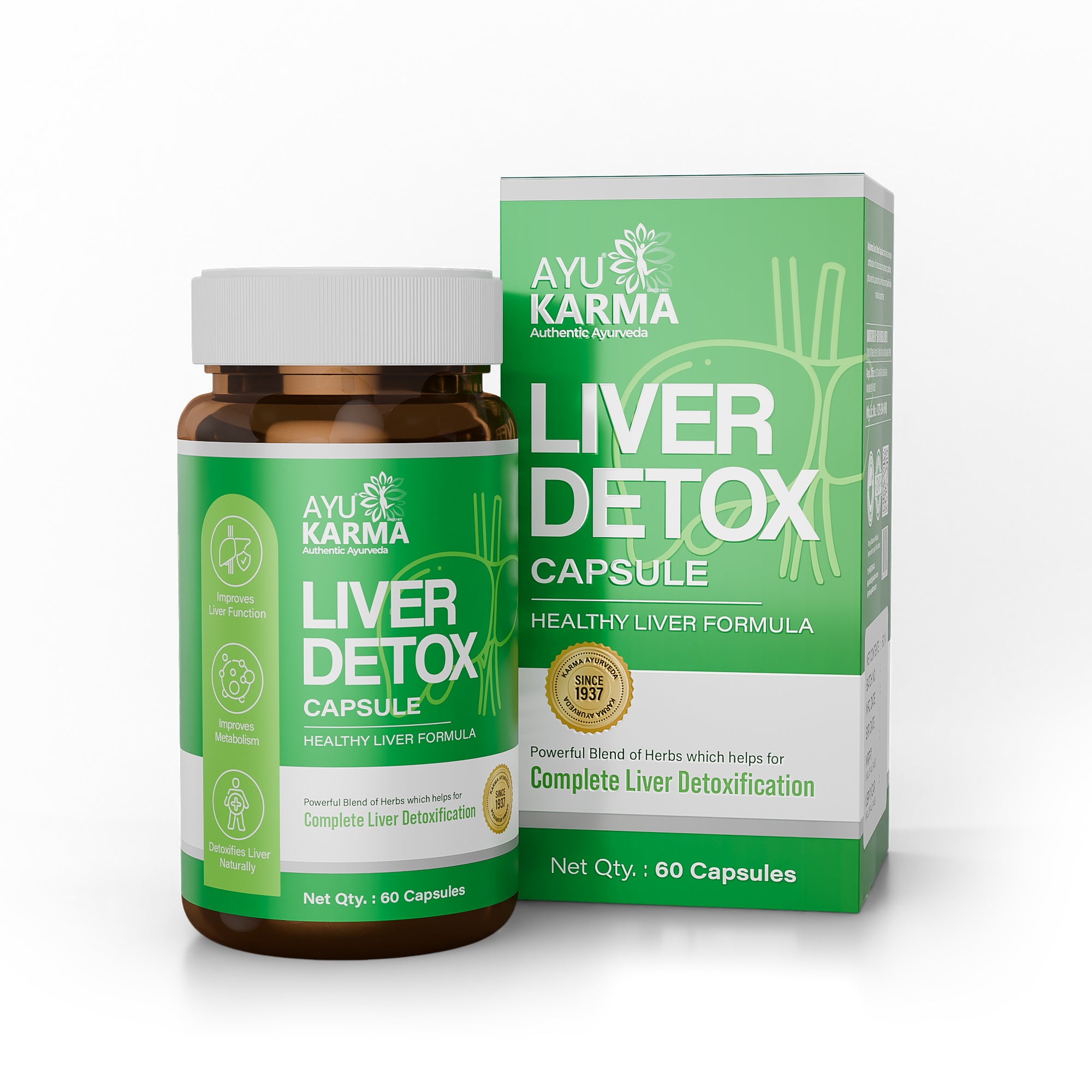
Doctor-recommended liver supplement that helps detoxify the liver, support healthy cholesterol, improve digestion & promote liver health. Developed by Dr. Puneet Dhawan with Karma Ayurveda philosophy.
Second Floor, 77, Block C, Tarun Enclave, Pitampura, New Delhi, Delhi, 110034

Certificate no- AH-2023-0186
JAN 05, 2026 - JAN 04, 2029

US FDA Reg. No.: 14568299376