Unlocking Wellness Naturally
100% Ayurvedic Treatment

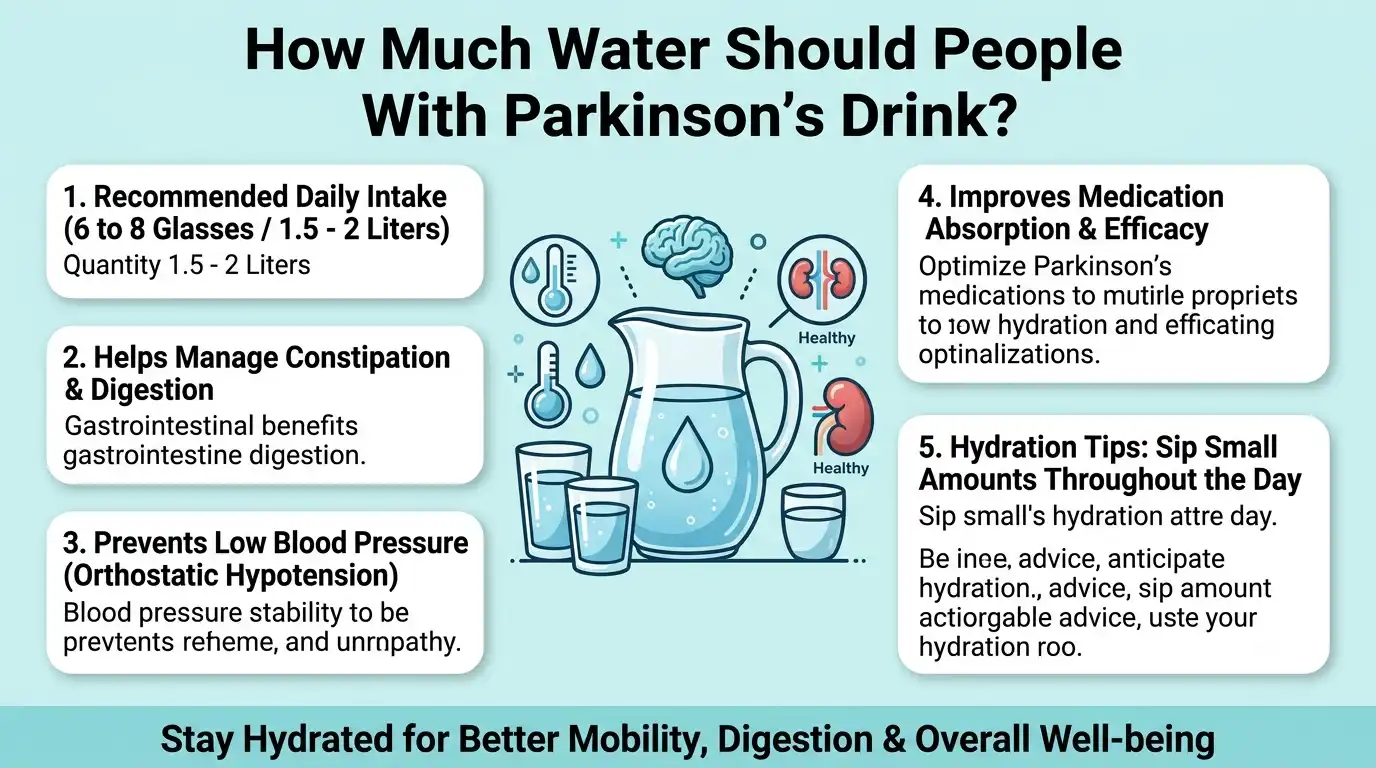
How much water to drink in Parkinsons is a common question, but there is no single number that works perfectly for every person. For many people with Parkinson’s disease, staying adequately hydrated can support digestion, bowel regularity and general well-being. However, the right amount depends on age, activity level, weather, medications, swallowing ability and other health conditions.
This becomes especially important when dealing with Parkinsons symptoms such as constipation, dizziness, low blood pressure, urinary problems or difficulty swallowing. A person may drink too little because they do not feel thirsty, forget to drink, have trouble reaching the bathroom or simply find swallowing uncomfortable.
So, should someone with Parkinson’s drink as much water as possible? Not necessarily. More is not always better. The goal is adequate, regular hydration rather than forcing down excessive amounts of water.
Water is involved in almost every basic function of the body. It helps regulate temperature, supports digestion, assists normal circulation and contributes to healthy bowel movements.
For someone living with Parkinson’s, these everyday functions can sometimes become more complicated.
Constipation is particularly common. A systematic review and meta-analysis published in European Neurology found a strong association between constipation and Parkinson’s disease, highlighting how important digestive symptoms can be in this condition. (PubMed)
Adequate fluid intake, along with fiber-rich foods and appropriate physical activity, can therefore be an important part of managing everyday digestive health.
The Parkinson’s Foundation generally suggests around 6–8 glasses of water a day for people with Parkinson’s as part of dietary and lifestyle management, while also emphasizing individual needs. (Parkinson's Foundation)
But that does not mean everyone should automatically drink exactly eight glasses.
For many adults, a practical starting point is to drink regularly throughout the day rather than waiting until intense thirst appears.
The exact requirement can change based on:
It is also worth remembering that daily fluid intake does not come only from plain water. Soups, milk, fruits, vegetables and other beverages contribute to overall fluid intake.
A simple approach is to keep water accessible and take smaller amounts regularly throughout the day.
In hot Indian summers, for example, the body's fluid requirements may be different from those during a cool winter week. Your water bottle does not know the calendar, unfortunately.
Constipation can be one of the frustrating non-movement symptoms associated with Parkinson’s.
The digestive system can become slower, physical activity may decrease, dietary patterns may change and some medicines can also contribute to constipation. The Parkinson’s Foundation notes that constipation is among the common digestive symptoms associated with Parkinson’s. (Parkinson's Foundation)
This is where hydration becomes useful.
Adequate fluids can help keep stool softer, particularly when combined with enough dietary fiber and regular movement.
However, drinking more and more water is not a magic solution. If constipation continues despite reasonable fluid intake, it is worth discussing the problem with a healthcare professional.
A person may need to look at:
A systematic review published in 2025 also examined non-pharmacological approaches for constipation in Parkinson’s, showing that constipation management involves more than simply increasing water consumption. (PubMed)
Another reason hydration gets discussed in Parkinson’s is blood pressure.
Some people with Parkinson’s experience orthostatic hypotension, meaning blood pressure drops when they stand up. This can cause dizziness, light-headedness, weakness or even fainting.
A review in Continuum describes orthostatic hypotension as an important manifestation of cardiovascular autonomic dysfunction in Parkinson’s disease. (PubMed)
Adequate hydration may be one part of managing low blood pressure, but it should not be treated as a universal solution.
If someone repeatedly feels dizzy after standing, falls, nearly faints or actually loses consciousness, they should speak with their doctor rather than simply increasing their water intake.
This is particularly important for people who also have heart or kidney disease, because their fluid requirements may be different.
Water itself does not treat the underlying neurological changes responsible for Parkinson’s disease.
However, maintaining adequate hydration may support some areas that commonly become problematic, particularly bowel regularity and general physical well-being.
Hydration may also be helpful when someone is exercising, spending time outdoors or experiencing increased fluid loss.
The important distinction is this: water can support the body, but it is not a replacement for Parkinson’s medication or medical management.
Someone should never stop prescribed medication simply because they have started drinking more water.
This is an important point that is sometimes overlooked.
Some people with Parkinson’s experience swallowing difficulties. Drinking a large glass of water quickly may therefore be uncomfortable or unsafe for them.
Instead of forcing down large quantities at once, smaller amounts may be easier to manage. A speech-language pathologist or healthcare professional can assess swallowing problems and recommend appropriate strategies if needed.
Signs that deserve professional attention include:
In such situations, the question is not simply “How much water should I drink?” but also “What is the safest way for me to drink it?”
People exploring Ayurvedic Prakinsons treatment often look beyond a single symptom and consider digestion, daily routine, sleep, physical activity and overall constitution.
From an Ayurvedic perspective, maintaining a balanced daily routine and supporting digestion are commonly emphasized. However, Parkinson’s disease is a neurological condition, and Ayurvedic care should be considered complementary rather than a substitute for appropriate neurological evaluation and treatment.
A sensible approach is to combine good hydration habits with medical monitoring, appropriate nutrition, physical activity and any complementary practices that have been discussed with qualified healthcare professionals.
When people search for Parkinson Ayurvedic treatment, they may come across many claims online. It is important to separate traditional use from proven clinical effectiveness.
Ayurvedic approaches may include individualized dietary advice, lifestyle practices, yoga, breathing exercises, massage and selected herbal preparations. The suitability of these approaches depends on the person's symptoms, medications and overall health.
The important word here is individualized.
What is suitable for one person may not be suitable for another, particularly when prescription medicines are involved.
Herbs often become part of the conversation around complementary care. One of the better-known examples is Mucuna pruriens, commonly known as velvet bean.
A small randomized, double-blind crossover study published in 2004 investigated Mucuna preparations in people with Parkinson’s and found that a high-dose preparation produced a faster onset and longer “on” time than standard levodopa/carbidopa in that particular study. However, the researchers also noted the need for further long-term research. (PubMed)
A later randomized controlled crossover study involving 18 people with advanced Parkinson’s also examined Mucuna and found potentially useful motor effects from single doses. (PubMed)
These findings are interesting, but they do not mean that everyone with Parkinson’s should start taking Mucuna.
The dose, preparation, interactions and individual medical situation matter.
Therefore, if someone is researching the Best herbs for Parkinsons, they should discuss any herbal product with a qualified healthcare professional, particularly if they already take levodopa or other Parkinson’s medicines.
This is where caution is especially important.
Searches for Natural treatment for Parkinsons often bring up herbs, supplements, yoga, meditation, massage and dietary changes.
Some of these may support quality of life or general well-being, but there is no reason to assume that something is effective simply because it is labelled “natural.”
Natural products can have pharmacological effects and may interact with medicines.
For Parkinson’s disease, prescribed treatment should not be stopped, reduced or replaced without discussing it with the treating doctor.
Complementary approaches can potentially be considered alongside conventional care when they are appropriate and safely coordinated.
Rather than obsessing over one exact water target, focus on consistent habits.
A practical daily routine may include:
Keep water nearby
Take small amounts throughout the day
Increase fluids during heat or exercise
Include water-rich foods
Pair hydration with meals and daily routines
Monitor constipation and dizziness
If a doctor has prescribed a fluid restriction because of heart, kidney or another medical condition, that instruction takes priority over general hydration advice.
Water intake deserves individual attention when Parkinson’s symptoms are accompanied by:
If these symptoms occur, increasing water intake without understanding the cause may not be the right approach.
A healthcare professional can consider medications, blood pressure, kidney and heart function, swallowing ability and other factors before recommending a suitable fluid intake.
For people exploring complementary approaches, a consultation can be useful for understanding how diet, lifestyle and traditional Ayurvedic practices may fit into their overall care plan.
At Karma Ayurveda Hospital, an individualized approach may involve discussing the person's health history, current symptoms, diet, daily routine and existing medications before suggesting supportive measures.
The purpose should be to create a practical plan rather than simply handing someone a long list of herbs and telling them to drink gallons of water.
For those considering Ayurvedic support, discussing the complete medical history with the practitioner is particularly important.
Dr. Puneet Dhawan is associated with Ayurvedic healthcare and patient education at Karma Ayurveda, where discussions around chronic health conditions commonly emphasize individualized care and lifestyle management.
This article is for general educational purposes and should not be considered medical advice or a substitute for diagnosis or treatment. Parkinson’s disease requires individualized medical care. Fluid requirements vary between individuals, particularly when kidney, heart, blood pressure or swallowing problems are present. Always consult your healthcare professional before changing medication, fluid intake or starting herbal products.
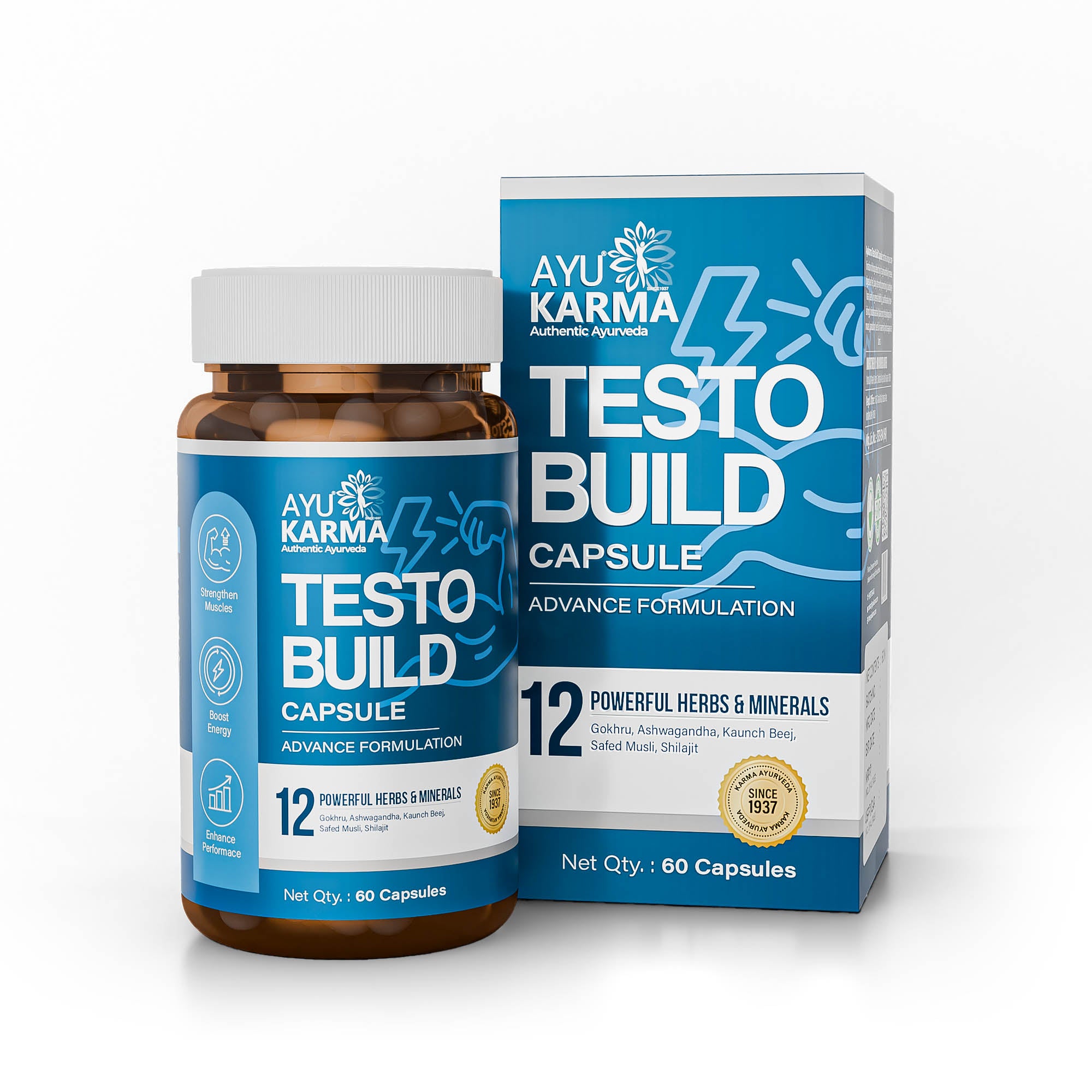
AyuKarma Testo Build Capsules combine 12 Ayurvedic herbs and minerals to support strength, energy, stamina, physical performance, nourishment and overall daily vitality.

AyuKarma Hair Lush Capsules combine Ayurvedic herbs to support hair growth, reduce hair fall, strengthen roots, nourish the scalp and promote healthier-looking hair.

Karma Garcom Capsules contain Garcinia indica to support healthy metabolism, digestion, weight management, digestive comfort and daily wellness alongside a balanced lifestyle.
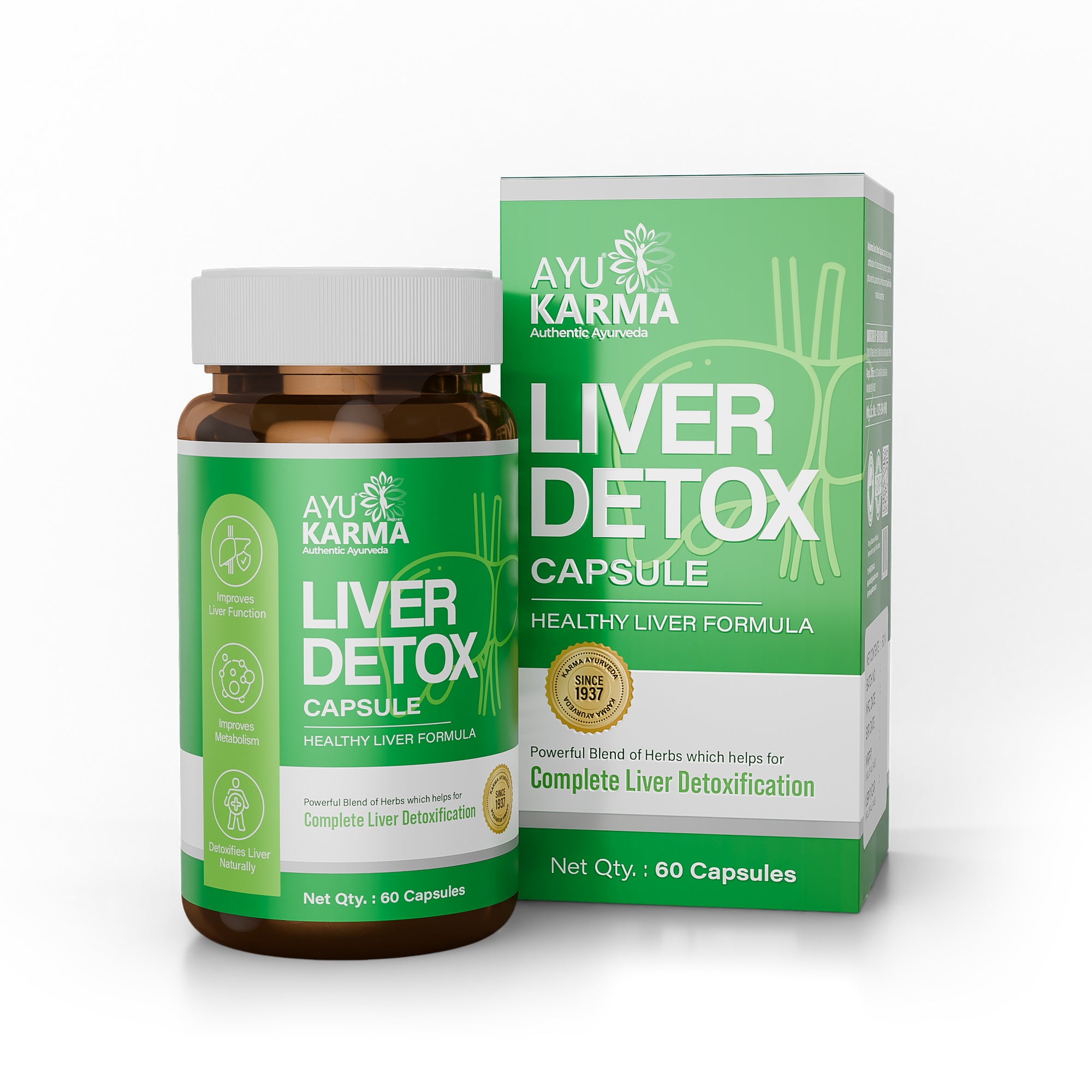
Doctor-recommended liver supplement that helps detoxify the liver, support healthy cholesterol, improve digestion & promote liver health. Developed by Dr. Puneet Dhawan with Karma Ayurveda philosophy.
Second Floor, 77, Block C, Tarun Enclave, Pitampura, New Delhi, Delhi, 110034

Certificate no- AH-2023-0186
JAN 05, 2026 - JAN 04, 2029

US FDA Reg. No.: 14568299376