Unlocking Wellness Naturally
100% Ayurvedic Treatment

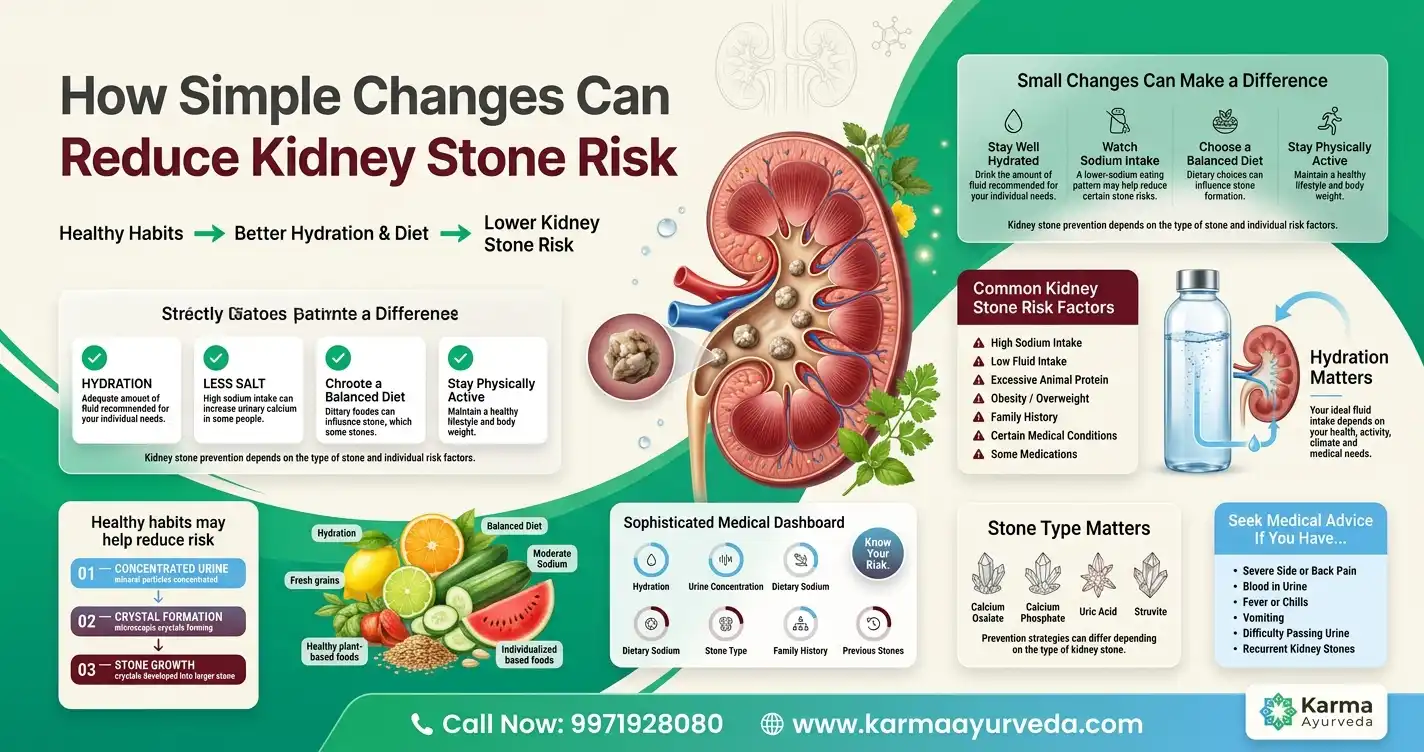
Kidney stones can develop when certain minerals and salts become highly concentrated in the urine and form hard crystals. Passing a kidney stone can be extremely painful, which is why prevention should be taken seriously. The good news is that several simple daily habits can help reduce the risk of kidney stones and support better kidney health.
Ayurveda also gives importance to proper hydration, balanced nutrition, healthy digestion, and maintaining daily routines. Therefore, combining practical lifestyle habits with appropriate Ayurvedic kidney care may help support overall urinary and kidney wellness.
Stay Properly Hydrated
Drinking enough water is one of the simplest ways to reduce kidney stone risk. When the body is well hydrated, urine remains more diluted, making it harder for stone-forming substances to collect and form crystals.
Instead of drinking large amounts of water only when you feel thirsty, try to maintain regular hydration throughout the day. Your individual fluid needs can vary depending on your health, activity level, weather, and medical condition. People with existing kidney or heart conditions should follow their healthcare professional’s advice about fluid intake.
Make Balanced Food Choices
Diet can influence the concentration of minerals in urine. Excessive salt intake, frequent consumption of highly processed foods, and very high intake of certain animal proteins may increase kidney stone risk in some people.
Instead, choose fresh vegetables, fruits, whole grains, and balanced meals. Maintaining a healthy dietary pattern can support kidney function and overall wellness. If you have previously developed kidney stones, your diet may need to be adjusted according to the type of stone.
Do Not Ignore Urinary Symptoms
Pain while urinating, blood in the urine, frequent urination, severe pain in the side or back, nausea, or fever should not simply be ignored. These symptoms can have several causes, including urinary infections or kidney stones.
Early medical evaluation is important because a stone can sometimes block urine flow or become associated with infection. Therefore, anyone experiencing severe or persistent symptoms should seek appropriate medical care.
How Ayurveda Supports Kidney Wellness
Ayurveda emphasizes maintaining balance through Ahara (diet), Vihara (lifestyle), hydration, and individualized care. Ayurvedic approaches to kidney wellness may include dietary guidance, lifestyle modification, and practitioner-supervised herbal support.
People searching for Ayurvedic kidney treatment, Ayurvedic kidney care, Ayurvedic medicine for kidney health, or kidney stone treatment in Ayurveda should remember that treatment should be personalized. Herbal medicines should not be self-prescribed, particularly when a person is already taking medicines or has reduced kidney function.
At Karma Ayurveda, kidney care is approached with attention to the individual's health condition, lifestyle, dietary habits, and medical history. The objective is to provide a personalized approach rather than relying on a one-size-fits-all solution.
Simple Habits Can Make a Difference
Preventing kidney stones does not always require complicated changes. Drinking adequate fluids, reducing excessive salt, maintaining a balanced diet, staying physically active, and getting medical advice when symptoms appear can make kidney health a regular part of your lifestyle.
Karma Ayurveda provides Ayurvedic kidney care through its healthcare network, including 9 hospitals and 16 clinics, helping people access consultation and guidance for kidney-related health concerns.
Remember, prevention is easier when healthy habits become part of everyday life. If you have a history of kidney stones or are experiencing urinary symptoms, consult a qualified healthcare professional before starting any Ayurvedic medicine or treatment.
Conclusion
Reducing kidney stone risk starts with simple and consistent lifestyle changes. Staying adequately hydrated, following a balanced diet, limiting excessive salt, maintaining an active lifestyle, and paying attention to urinary symptoms can help support better kidney health. At Karma Ayurveda, personalized Ayurvedic kidney care focuses on diet, lifestyle, and holistic wellness according to individual needs. If you have a history of kidney stones or on-going kidney-related concerns, consult a qualified healthcare professional before beginning any treatment. With the right guidance and healthy daily habits, you can take meaningful steps toward supporting long-term kidney wellness.
Frequently Asked Questions
1. Can drinking more water help prevent kidney stones?
Yes. Adequate hydration helps dilute urine and may reduce the concentration of substances that can contribute to certain kidney stones. Individual fluid requirements vary, so medical advice should be followed when kidney or heart conditions are present.
2. Can diet increase the risk of kidney stones?
Yes. High salt intake and certain dietary patterns can increase the risk of some types of kidney stones. A balanced diet should be selected according to individual health needs and, when possible, the type of stone previously formed.
3. Can Ayurveda help with kidney stone prevention?
Ayurveda emphasizes hydration, dietary balance, lifestyle practices, and individualized care. Ayurvedic treatment should be planned by a qualified practitioner, especially for people with existing kidney problems.
4. What are common symptoms of kidney stones?
Common symptoms can include sharp pain in the side or back, pain while urinating, blood in the urine, frequent urination, nausea, or vomiting. Fever with urinary symptoms requires prompt medical evaluation.
5. What is Ayurvedic kidney care?
Ayurvedic kidney care may involve personalized dietary advice, lifestyle changes, and practitioner-supervised herbal or traditional approaches. The exact plan depends on the individual's condition.
6. Can kidney stones come back after treatment?
Yes. Some people develop kidney stones more than once. Maintaining adequate hydration, following appropriate dietary recommendations, and addressing individual risk factors may help reduce recurrence.
7. When should I consult a kidney specialist?
You should seek medical attention for severe or persistent pain, blood in the urine, fever, difficulty passing urine, repeated kidney stones, or other concerning urinary symptoms. Timely evaluation can help identify the underlying cause and appropriate treatment.
Continue using AI Cursor?Keep it onTurn Off

AyuKarma Testo Build Capsules combine 12 Ayurvedic herbs and minerals to support strength, energy, stamina, physical performance, nourishment and overall daily vitality.

AyuKarma Hair Lush Capsules combine Ayurvedic herbs to support hair growth, reduce hair fall, strengthen roots, nourish the scalp and promote healthier-looking hair.

Karma Garcom Capsules contain Garcinia indica to support healthy metabolism, digestion, weight management, digestive comfort and daily wellness alongside a balanced lifestyle.
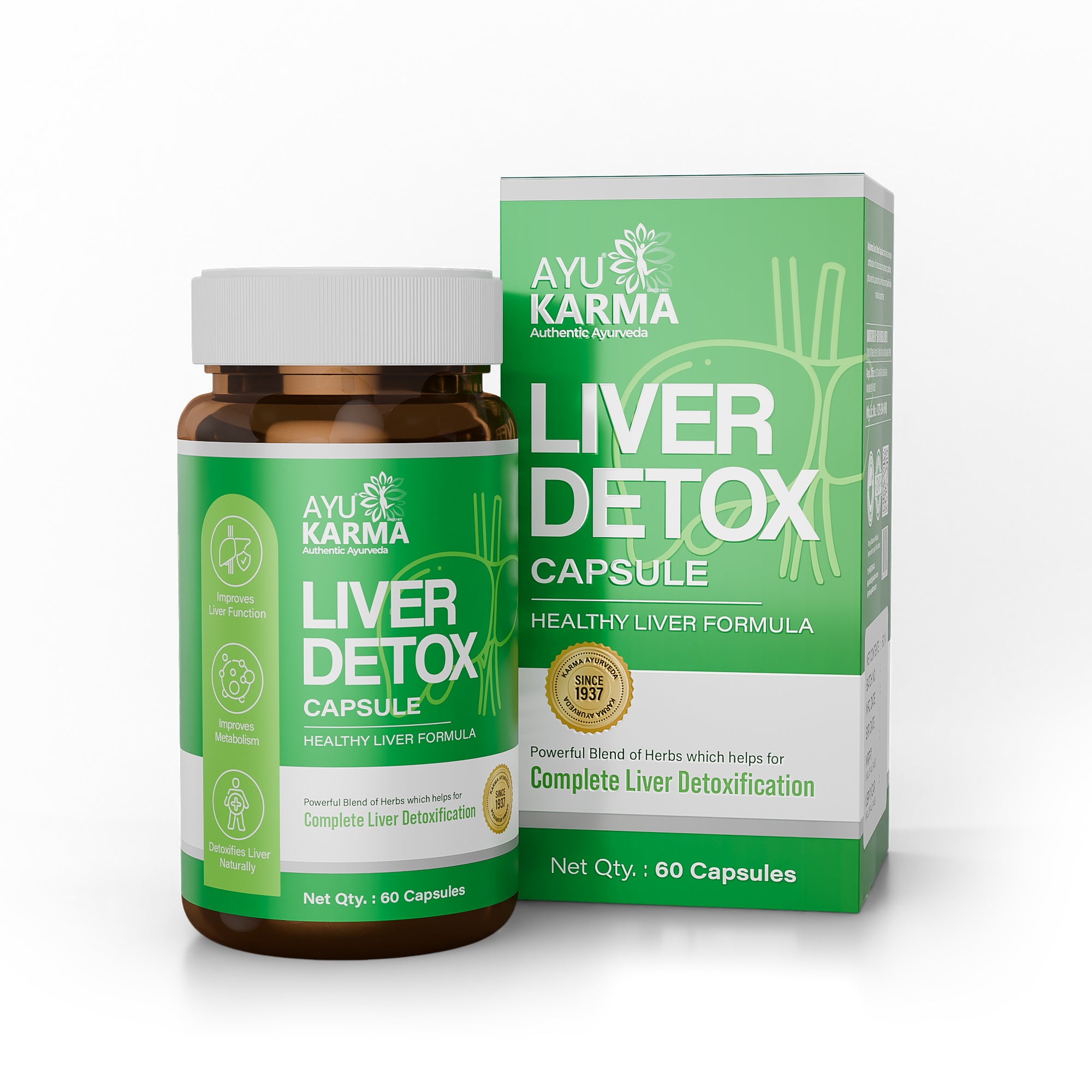
Doctor-recommended liver supplement that helps detoxify the liver, support healthy cholesterol, improve digestion & promote liver health. Developed by Dr. Puneet Dhawan with Karma Ayurveda philosophy.
Second Floor, 77, Block C, Tarun Enclave, Pitampura, New Delhi, Delhi, 110034

Certificate no- AH-2023-0186
JAN 05, 2026 - JAN 04, 2029

US FDA Reg. No.: 14568299376