
Unlocking Wellness Naturally
100% Ayurvedic Treatment

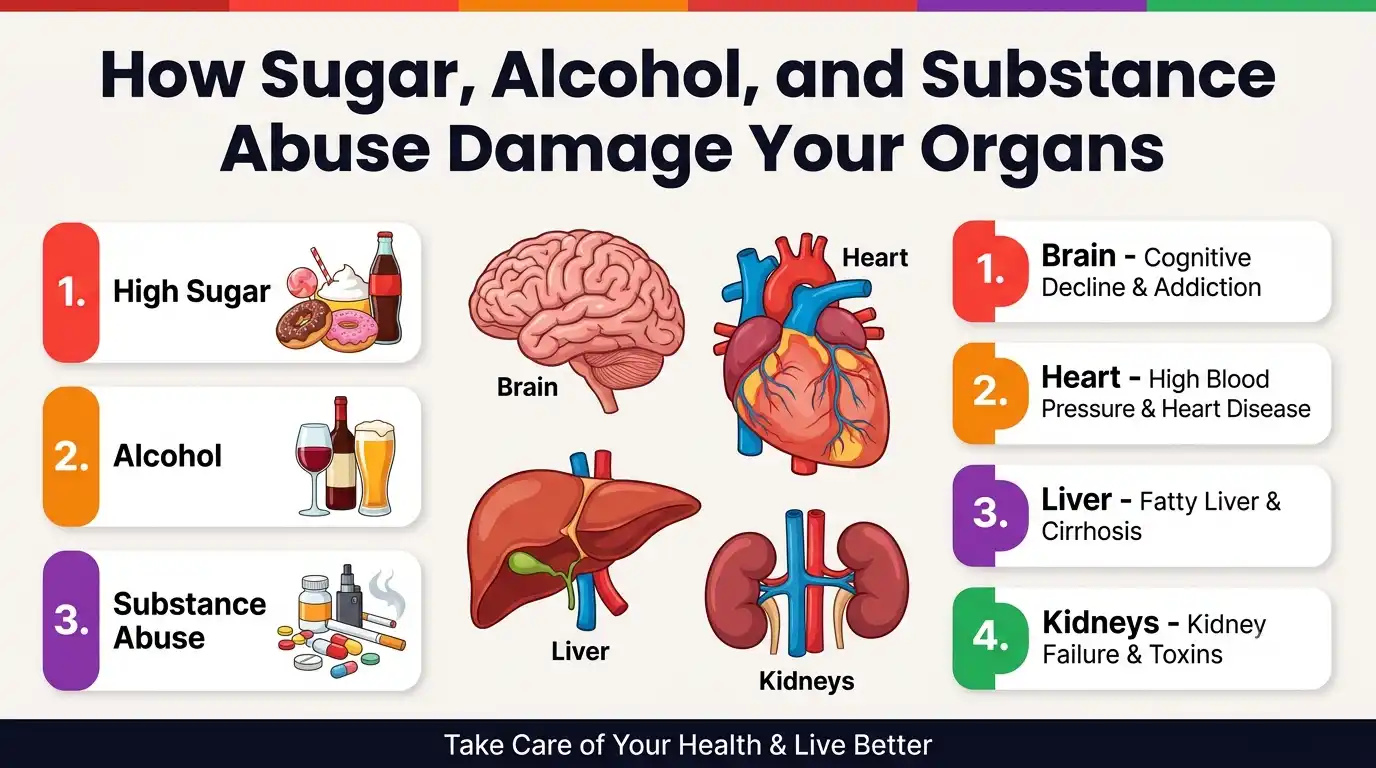
Too much sugar, alcohol, and substance use can gradually put serious stress on the liver, kidneys, heart, brain, and other organs. The good news is that reducing these exposures, getting appropriate medical care, and building healthier daily habits can give the body a much better chance to recover.
The tricky part is that organ damage rarely arrives with a dramatic announcement. There may be no flashing red light saying, “Hey, perhaps that third sugary drink wasn’t necessary.” Instead, damage can build quietly over months or years.
That is why understanding what these substances actually do inside the body matters.
Our organs are remarkably hardworking. The liver processes nutrients and chemicals, the kidneys filter waste and balance fluids, the heart keeps circulation moving, and the brain coordinates practically everything.
When excessive sugar, alcohol, or harmful substances become a regular part of life, these systems can be pushed beyond their comfortable workload.
Here is the simple picture:
Using several substances together can make the situation even more complicated.
A 2024 review published by the American Association for the Study of Liver Diseases explains that substance-related liver injury can involve direct toxicity, oxidative stress, inflammation, and several other pathways. (PubMed Central (PMC))
In other words, the body doesn't really care whether the damage came from a bottle, a packet, or a pill. It still has to deal with the consequences.
The question How sugar affects kidney and liver health is important because the effects are not limited to blood glucose itself.
Eating large amounts of added sugar regularly can contribute to weight gain and insulin resistance. Over time, uncontrolled diabetes can damage small blood vessels, including those supplying the kidneys. Persistent high blood glucose can also contribute to fatty accumulation and metabolic dysfunction in the liver.
The Diabetes Control and Complications Trial (DCCT) is one of the landmark studies in this area. Long-term follow-up found that intensive glucose control reduced the risk of impaired kidney filtration by about 50% in people with type 1 diabetes. (New England Journal of Medicine)
Similarly, the ACCORD study found that intensive glucose control reduced certain renal outcomes, including new or worsening nephropathy, although it did not eliminate every type of kidney complication. (New England Journal of Medicine)
So, How sugar affects kidney and liver health isn't simply about eating a dessert occasionally. It is more about the overall pattern: consistently high sugar intake, excess calories, poor metabolic health, and untreated diabetes.
Watch out for hidden sugar too
Added sugar can sneak into:
You don't necessarily need to declare war on every ladoo in the house. The bigger goal is reducing excessive and regular intake.
The liver is the body's major processing centre for alcohol, which means repeated exposure can take a toll.
Alcohol-related liver damage can progress through several stages:
Fat accumulation → inflammation → fibrosis → cirrhosis → liver failure
Not everyone follows this exact sequence, and individual risk varies, but continued heavy alcohol use increases the likelihood of serious disease.
A review on substance-use disorders and liver injury notes that alcohol can produce a broad spectrum of liver problems, while other substances can also contribute to toxic injury. (PubMed)
Alcohol can also indirectly affect the kidneys through dehydration, blood-pressure changes, metabolic disturbances, and liver-related complications. A recent review describes possible pathways involving oxidative stress, inflammation, circulatory problems, and alcohol-associated liver disease. (PubMed)
Alcohol-related damage can look like this
Occasional drinking
Frequent heavy drinking
Long-term excessive use
Alcohol + other substances
There is no herbal shortcut that makes heavy drinking harmless. Reducing or stopping alcohol is the foundation.
Searches for Alcohol liver damage ayurvedic medicine are common, particularly among people looking for a gentler recovery approach.
Ayurveda traditionally focuses on supporting digestion, dietary discipline, lifestyle balance, and the use of selected herbs. These approaches may be considered complementary to medical care, particularly when the goal is improving overall wellness.
However, it is important to keep expectations realistic.
There is no well-established Ayurvedic medicine proven to reverse cirrhosis or replace treatment for alcohol-related liver disease. Anyone dealing with jaundice, vomiting blood, confusion, severe abdominal swelling, or significant liver-test abnormalities needs proper medical evaluation.
For people considering Alcohol liver damage ayurvedic medicine, the sensible approach is to discuss herbal products with a qualified practitioner and physician, especially because some supplements themselves can cause liver injury or interact with medications.
The liver has enough paperwork to process already. It doesn't need mystery supplements added to the pile.
Substance abuse isn't only a concern for the brain.
Depending on the substance, dose, frequency, and route of use, different organs can be affected.
Liver
Some substances can cause toxic liver injury, inflammation, fatty changes, or even acute liver failure.
Kidneys
Recreational drugs have been associated with acute kidney injury, glomerular disease, interstitial nephritis, rhabdomyolysis, and other renal complications. (PubMed Central (PMC))
Heart and blood vessels
Certain stimulants can dramatically increase heart rate and blood pressure, raising cardiovascular risk.
Brain
Repeated substance exposure can affect reward pathways, decision-making, mood, memory, and impulse control.
Digestive system
Poor nutrition, vomiting, dehydration, inflammation, and altered metabolism can add another layer of stress.
A recent review of substance-related liver disorders describes possible progression from abnormal liver enzymes and fatty liver to hepatitis, cirrhosis, and liver failure depending on the substance and circumstances. (PubMed Central (PMC))
This is where the phrase Herbal treatment for organ detoxification often comes up.
Ayurveda traditionally uses herbs, diet, lifestyle practices, and individualized routines to support overall balance. Some commonly discussed herbs include turmeric, amla, guduchi, punarnava, and milk thistle-like botanical approaches, although evidence varies considerably between individual herbs and conditions.
The important distinction is this:
Supporting normal body function is not the same as medically “detoxing” a damaged organ.
Your liver and kidneys already have sophisticated detoxification and waste-removal systems. No tea, powder, juice, or capsule can simply “wash” years of damage away.
A responsible Herbal treatment for organ detoxification approach should therefore focus on safety, appropriate ingredients, dosage, interactions, diet, hydration where medically suitable, and professional supervision.
If someone searches How to detox liver naturally in Ayurveda, the answer shouldn't be a complicated 17-step morning ritual involving seven powders and a blender.
A more practical approach is:
For someone asking How to detox liver naturally in Ayurveda, Ayurveda may be incorporated as a complementary wellness approach, but established liver disease still deserves proper diagnosis and monitoring.
And if you're wondering How to detox liver naturally in Ayurveda, remember the boring-but-important answer: removing the thing causing the stress is generally more useful than searching for a magical detox drink.
The phrase Ayurvedic cure for addiction recovery can sound appealing, but addiction is more complicated than simply taking an herb.
Addiction involves biological, psychological, behavioural, and social factors. Recovery may require counselling, behavioural therapy, medical treatment, peer support, family involvement, or addiction-specialist care.
Ayurveda may potentially complement this process through:
Research on complementary and alternative approaches for substance-use disorders has historically been limited, with reviews calling for better-quality human studies. (PubMed)
Therefore, an Ayurvedic cure for addiction recovery should not be presented as a replacement for evidence-based addiction treatment.
Recovery isn't about finding one magical ingredient. It is about building enough healthy supports that going back to the old pattern becomes less attractive and less automatic.
A realistic routine could look something like this:
Morning:
Start the day with a balanced breakfast rather than surviving on caffeine until lunchtime.
Afternoon:
Choose whole foods, adequate protein, vegetables, and sensible portions. Keep sugary drinks occasional rather than everyday companions.
Evening:
Avoid heavy alcohol consumption and late-night overeating. A short walk can help make the day feel less like a meeting marathon.
Throughout the day:
Follow your doctor's fluid recommendations, especially if you already have liver, heart, or renal disease.
For people interested in How to detox liver naturally in Ayurveda, these basic habits are far more meaningful than an aggressive “detox” program.
A carefully selected Herbal treatment for organ detoxification plan may be considered as part of a broader wellness strategy.
But herbs aren't automatically safe simply because they're natural.
Some herbal products can interact with medicines or affect the liver. Quality, dosage, contamination, and incorrect identification can also create problems.
That is why anyone with existing organ disease should discuss herbal products with an appropriately qualified healthcare professional.
The goal should be support, not replacement.
The body doesn't work like separate departments where the liver handles liver things and the kidneys quietly handle kidney paperwork.
Everything is connected.
Poor metabolic health can affect blood vessels. Alcohol-related liver disease can influence circulation and renal function. Substance use can affect nutrition, sleep, mental health, cardiovascular function, and multiple organs simultaneously.
That is why recovery usually works best when it includes:
Small improvements may seem almost ridiculously ordinary, but ordinary habits repeated consistently can have a much bigger impact than dramatic short-term detox plans.
Sugar, alcohol, and substance abuse can affect far more than one organ. Over time, they may contribute to metabolic problems, liver injury, renal complications, cardiovascular stress, neurological changes, and addiction-related health problems.
Ayurveda can potentially play a complementary role through nutrition, lifestyle, stress management, yoga, and carefully selected traditional therapies. But serious organ disease and addiction should not be managed with herbs alone.
The most meaningful “detox” often begins with something surprisingly simple: stop adding more of what is causing the problem, then give your body the support it needs to recover.
Regularly excessive sugar intake can contribute to obesity, diabetes and metabolic problems that may damage both organs over time.
Early fatty liver may improve substantially after stopping alcohol, while advanced fibrosis or cirrhosis may be permanent.
There is no proven single Ayurvedic cure for addiction, and recovery generally benefits from comprehensive medical and behavioural support.
Not automatically, because some herbs and supplements can interact with medicines or themselves cause liver injury.
Yes, complementary Ayurvedic care may be considered when it is coordinated safely with appropriate medical treatment.
This article is for general education and should not replace medical diagnosis or treatment. People with liver, kidney, heart, diabetes, or substance-use problems should consult an appropriately qualified healthcare professional. Do not suddenly stop alcohol or certain substances without medical guidance, as withdrawal can sometimes be dangerous.
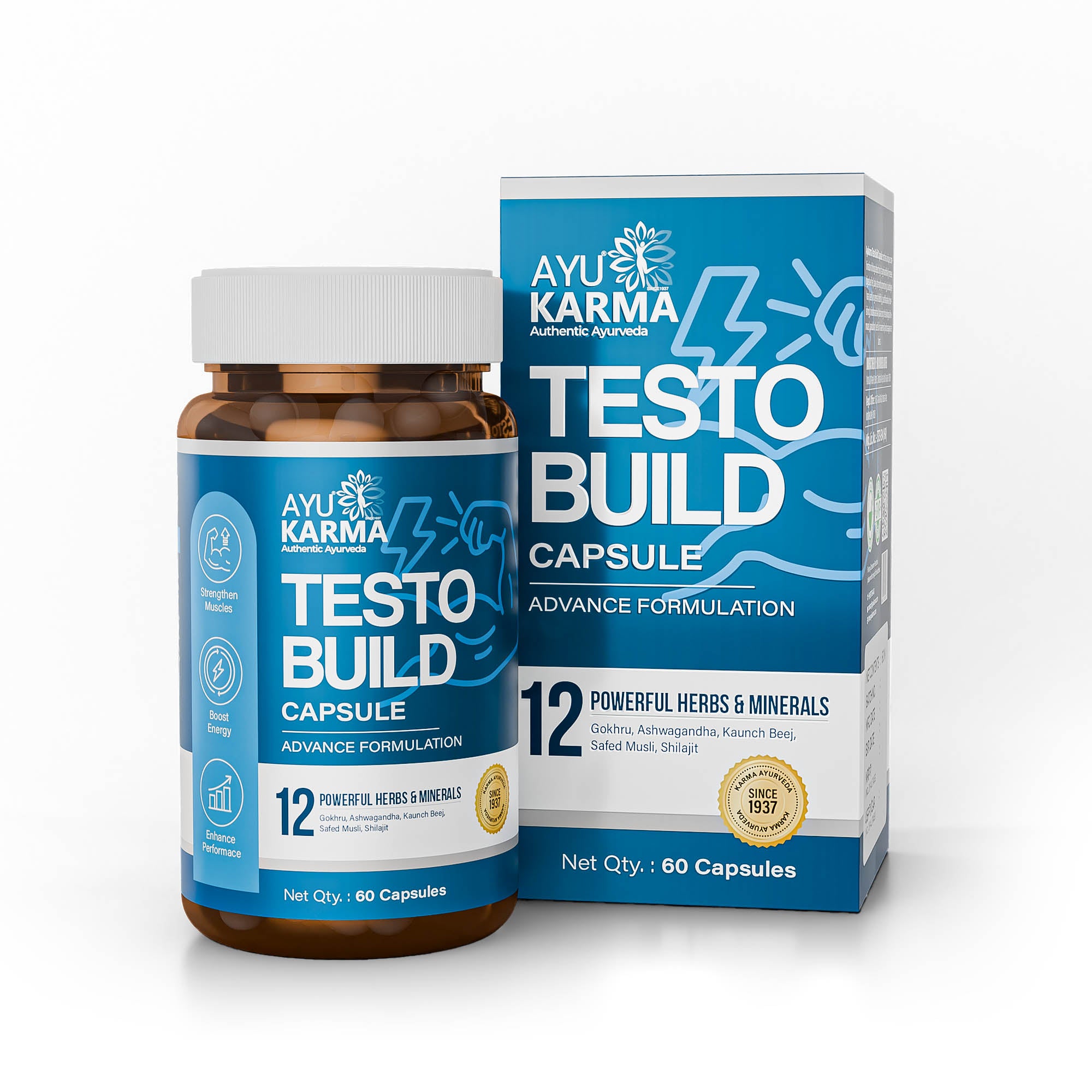
AyuKarma Testo Build Capsules combine 12 Ayurvedic herbs and minerals to support strength, energy, stamina, physical performance, nourishment and overall daily vitality.

AyuKarma Hair Lush Capsules combine Ayurvedic herbs to support hair growth, reduce hair fall, strengthen roots, nourish the scalp and promote healthier-looking hair.
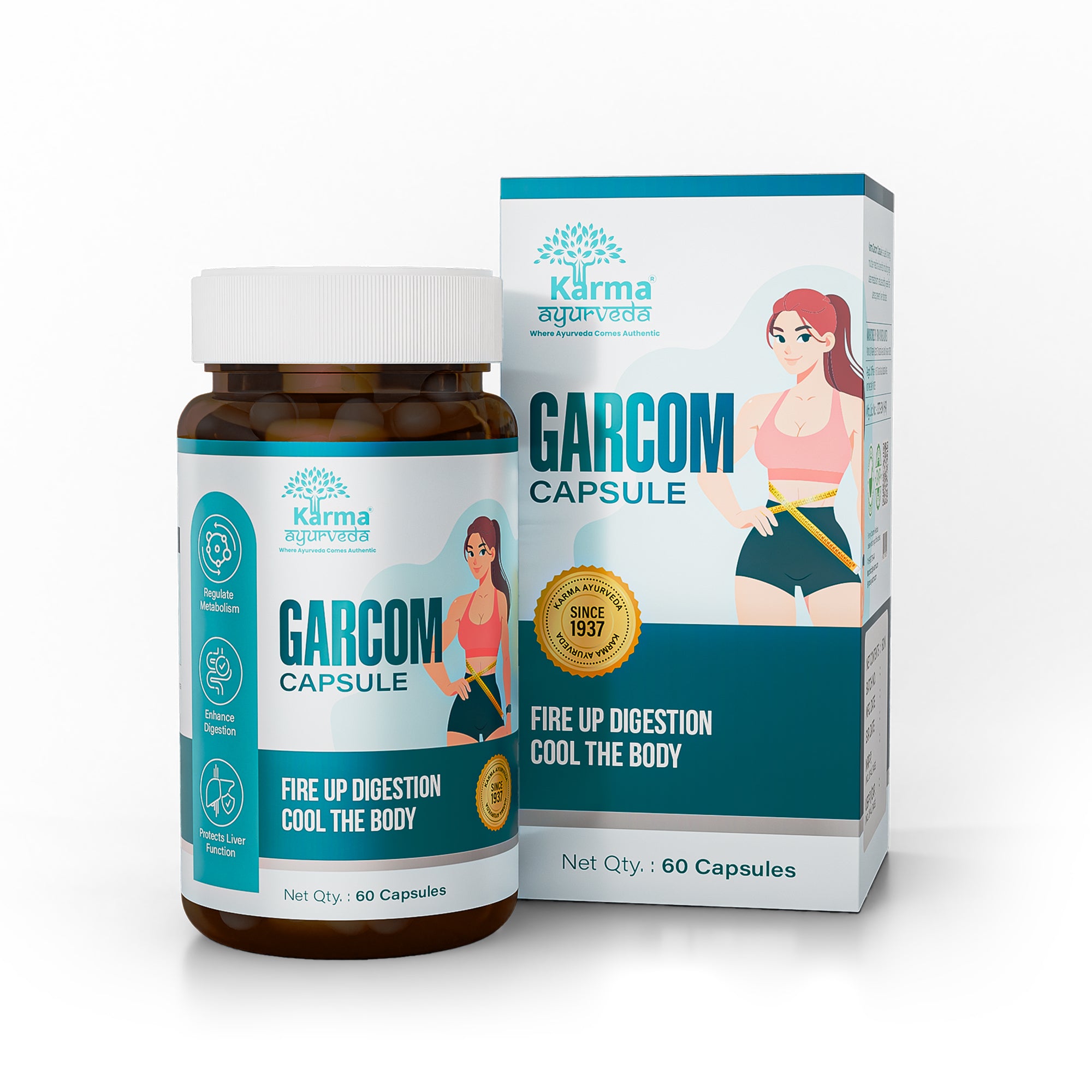
Karma Garcom Capsules contain Garcinia indica to support healthy metabolism, digestion, weight management, digestive comfort and daily wellness alongside a balanced lifestyle.
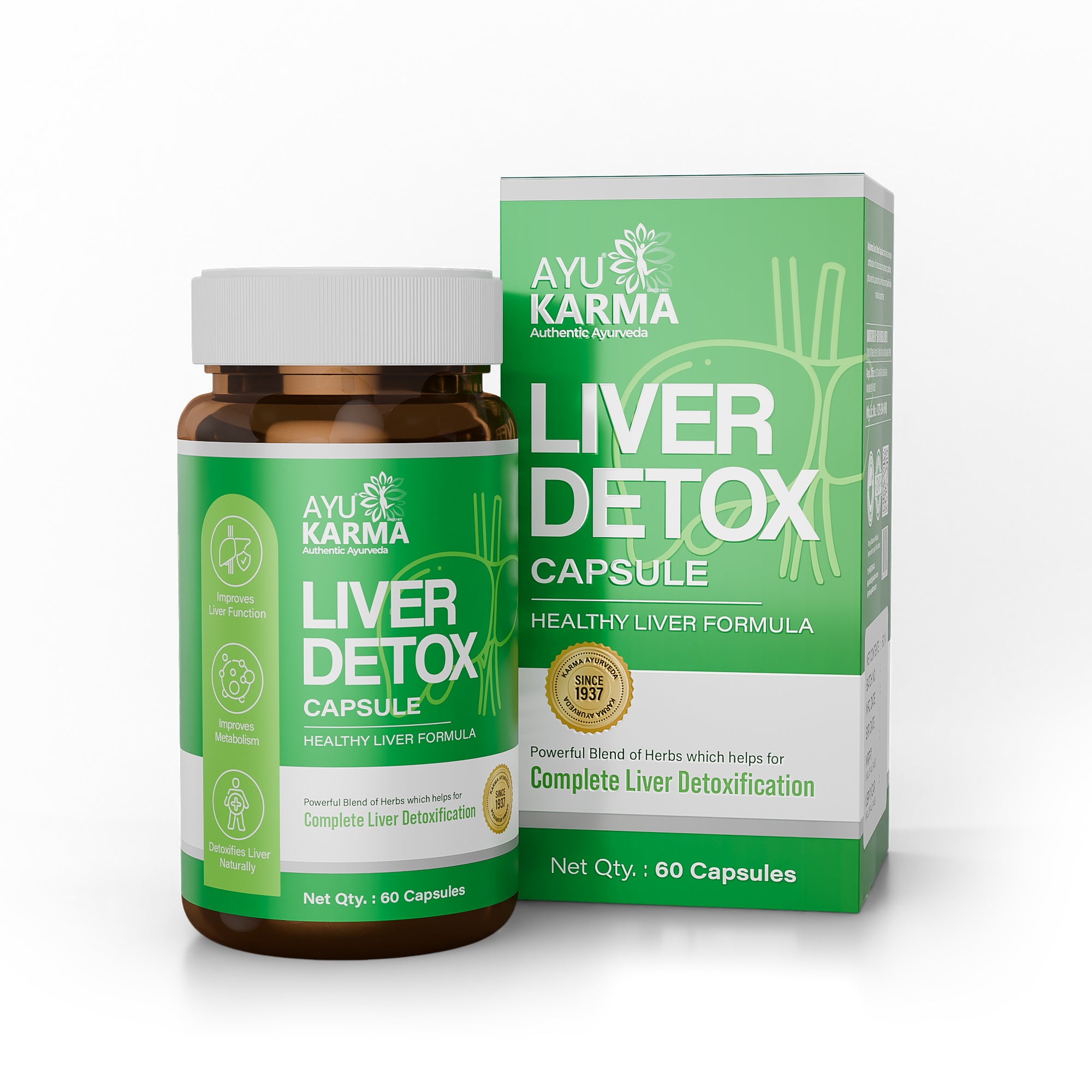
Doctor-recommended liver supplement that helps detoxify the liver, support healthy cholesterol, improve digestion & promote liver health. Developed by Dr. Puneet Dhawan with Karma Ayurveda philosophy.
Second Floor, 77, Block C, Tarun Enclave, Pitampura, New Delhi, Delhi, 110034
Certificate no- AH-2023-0186
JAN 05, 2026 - JAN 04, 2029

US FDA Reg. No.: 14568299376
