Unlocking Wellness Naturally
100% Ayurvedic Treatment


PKD, or Polycystic Kidney Disease, sounds like one of those terms doctors say while we nod and panic silently inside. If you or someone close to you has PKD, you already know it’s not just about kidneys; it’s about lifestyle, patience, and long-term planning.
People often search for PKD treatment in Ayurveda because they want a gentler, more natural path that works with the body, not against it. Ayurveda doesn’t shout solutions. It speaks calmly, slowly, and over time; and that’s exactly what a long-term condition like PKD needs.
PKD is a condition where fluid-filled cysts grow inside the kidneys. These cysts slowly increase in number and size, making the kidneys larger and weaker over time. It’s usually genetic, so no; you didn’t cause it by missing morning walks or loving street food too much.
As kidney function reduces, issues like high blood pressure, swelling, fatigue, and changes in urination can appear. Modern medicine focuses on controlling symptoms. Ayurveda focuses on correcting internal imbalance so the damage slows down.
This is where polycystic kidney disease Ayurvedic treatment becomes a topic of interest for many patients looking for long-term support.
Ayurveda does not see PKD as a “kidney-only” issue. It looks at the whole system. According to Ayurvedic understanding, PKD is linked to imbalances in Kapha (fluid accumulation), Vata (degeneration), and weakened digestive fire (Agni).
When digestion and metabolism are poor, toxins (Ama) build up in the body. Over years, this toxic environment can encourage cyst formation and kidney weakness.
Instead of chasing cysts directly, Ayurveda works on cleaning the system, improving metabolism, and supporting kidney tissues gradually.
The goal of Ayurvedic treatment for PKD is not quick fixes. It focuses on slowing disease progression, improving quality of life, and supporting kidney function naturally.
Treatment usually includes herbal formulations chosen specifically for kidney cleansing, reducing inflammation, and improving urine flow. These herbs are selected based on the patient’s stage of PKD, symptoms, and overall health.
Ayurveda also believes that treatment doesn’t work in isolation. Medicine, food, routine, and mindset all need to be on the same page.
Let’s be honest; diet is where most people panic. But Ayurvedic dietary advice for PKD is practical, not extreme.
The focus is on light, fresh, and easy-to-digest food. Excess salt, processed food, packaged snacks, and heavy proteins are discouraged because they burden the kidneys. Hydration is important, but not reckless water drinking; balance matters.
Think of food as daily support, not a cheat-day battlefield. Ayurveda doesn’t ban joy; it just asks for consistency.
Late nights, constant stress, irregular meals, and overuse of painkillers quietly harm kidney health. Ayurveda gently pushes patients toward routine; fixed sleep times, calm mornings, light exercise, and stress management.
Simple breathing exercises, walking, and mindful eating may sound basic, but for PKD patients, these habits act like invisible medicine.
That’s why many people looking for PKD natural treatment eventually realize lifestyle correction is half the therapy.
This is the big question. Ayurveda does not claim to magically erase cysts. What it does aim to do is slow their growth, reduce complications, and support remaining kidney function.
In early and moderate stages, consistent Ayurvedic care may help delay worsening. In advanced stages, it can still play a supportive role alongside conventional treatment.
The key is realistic expectations and proper medical guidance.
When people search for Ayurvedic care, they often look for places that focus specifically on kidney diseases. Karma Ayurveda Hospital is one such name that frequently comes up for chronic kidney conditions.
The treatment approach is supervised by Dr. Puneet Dhawan, who emphasizes individualized care rather than generic prescriptions. The focus is on understanding reports, symptoms, and disease stage before planning treatment.
This structured approach is important because PKD is not a “one medicine fits all” condition.
Yes, Ayurveda is often considered a natural treatment for PKD, but “natural” does not mean casual or unsupervised. Ayurvedic medicines are powerful and should always be taken under expert guidance.
Self-medication based on internet advice can do more harm than good. The right approach is informed, monitored, and patient.
People who are dealing with PKD usually spend a lot of time looking for safer, long-term options. Some start by reading about PKD Ayurvedic medicine to understand how herbal formulations support kidney health over time.
Others explore herbal treatment for PKD when they want an approach that works with the body instead of overwhelming it. Many patients also look into PKD treatment without dialysis, especially in the early stages, hoping to delay or avoid aggressive medical procedures. Along the way, terms like Ayurvedic kidney treatment and PKD natural management often come up, because the goal is simple; sustainable care that does not pinch your pocket.
PKD is serious, but it doesn’t mean life stops. With the right guidance, discipline, and mindset, many patients learn to live well with it.
Ayurveda offers a calm, long-term approach that focuses on balance rather than fear. It’s not about miracles; it’s about steady improvement, better daily health, and fewer complications over time.
If you’re exploring Ayurvedic treatment for PKD, do it with patience, proper consultation, and a long-term view. Kidneys may work quietly, but they respond well when treated with consistency and care.
And honestly, that’s a win worth working for; one balanced day at a time.
No. PKD cannot be fully cured, but Ayurvedic treatment can help slow progression and support kidney function over time.
Yes, when taken under proper medical supervision, Ayurvedic treatment for PKD is generally safe and designed for long-term support.
In early and moderate stages, Ayurveda may help delay or reduce the risk of dialysis, depending on individual condition and consistency.
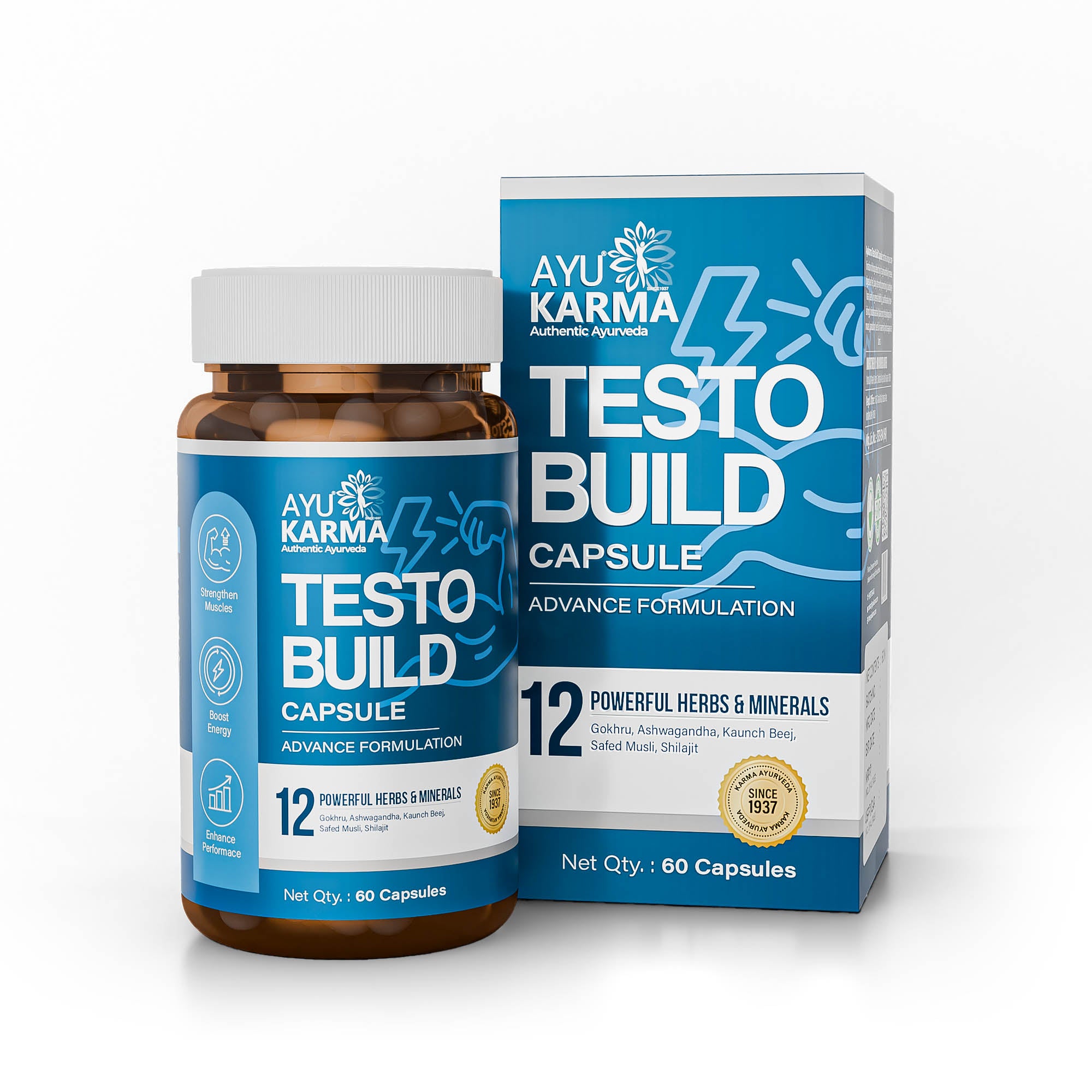
AyuKarma Testo Build Capsules combine 12 Ayurvedic herbs and minerals to support strength, energy, stamina, physical performance, nourishment and overall daily vitality.

AyuKarma Hair Lush Capsules combine Ayurvedic herbs to support hair growth, reduce hair fall, strengthen roots, nourish the scalp and promote healthier-looking hair.
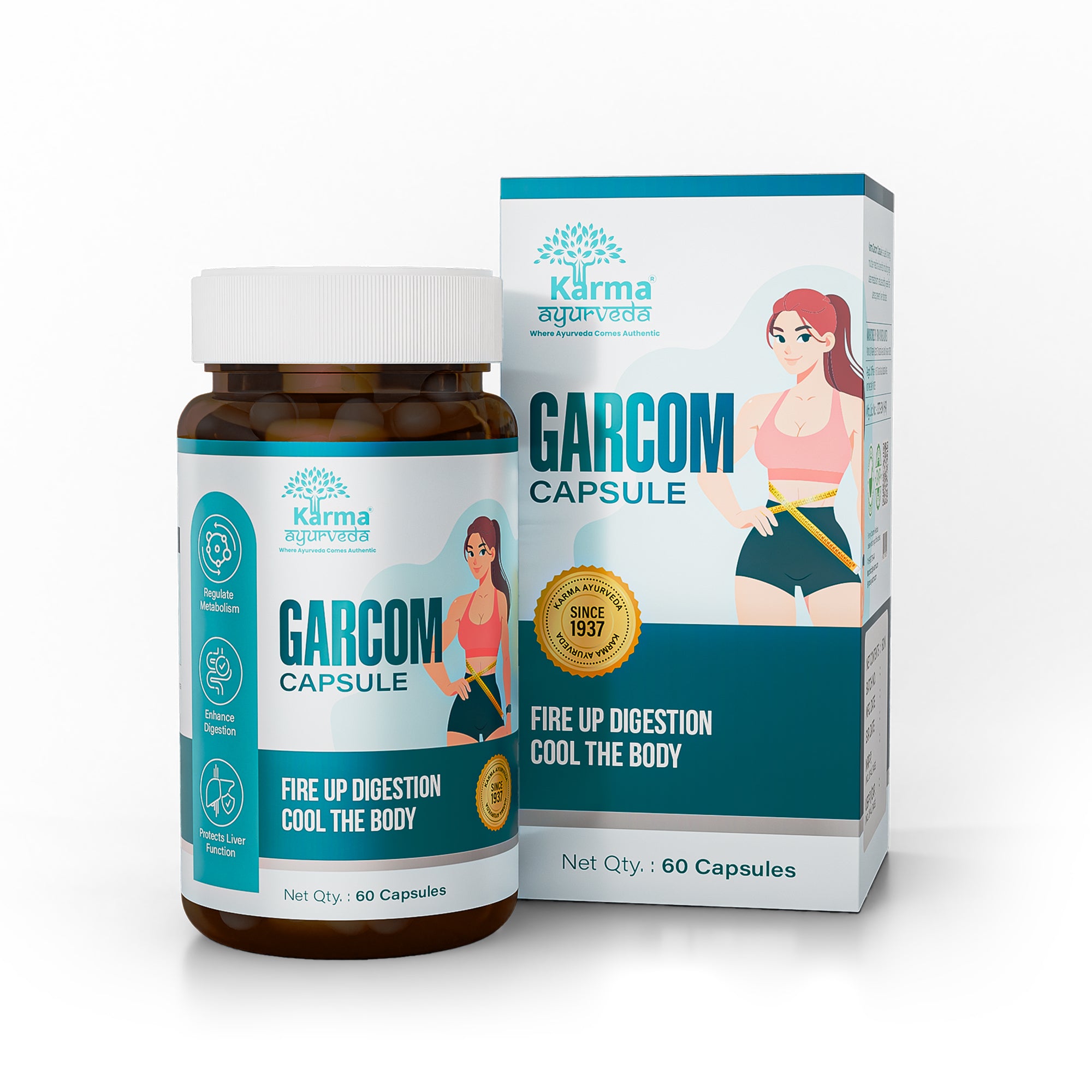
Karma Garcom Capsules contain Garcinia indica to support healthy metabolism, digestion, weight management, digestive comfort and daily wellness alongside a balanced lifestyle.
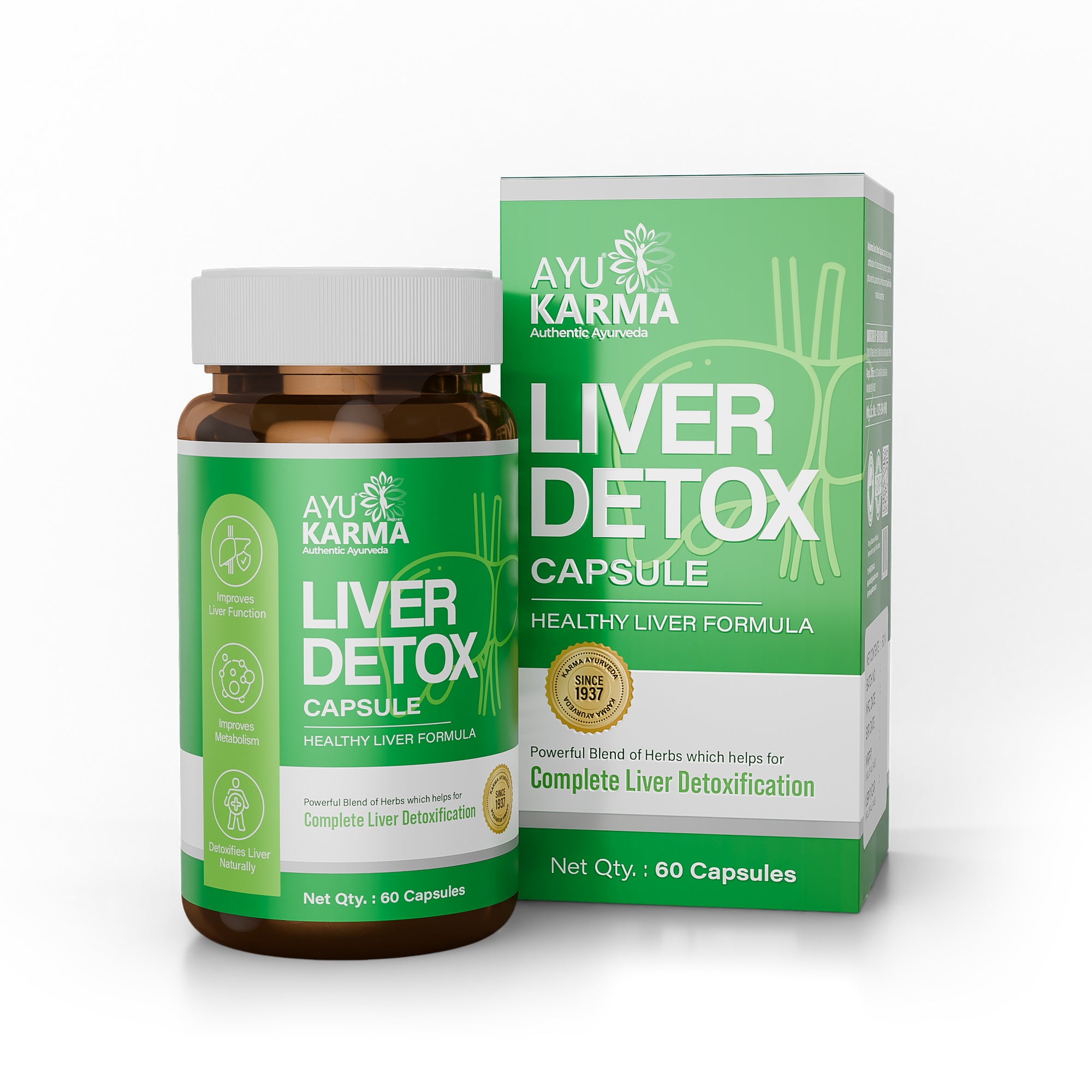
Doctor-recommended liver supplement that helps detoxify the liver, support healthy cholesterol, improve digestion & promote liver health. Developed by Dr. Puneet Dhawan with Karma Ayurveda philosophy.
Second Floor, 77, Block C, Tarun Enclave, Pitampura, New Delhi, Delhi, 110034

Certificate no- AH-2023-0186
JAN 05, 2026 - JAN 04, 2029

US FDA Reg. No.: 14568299376