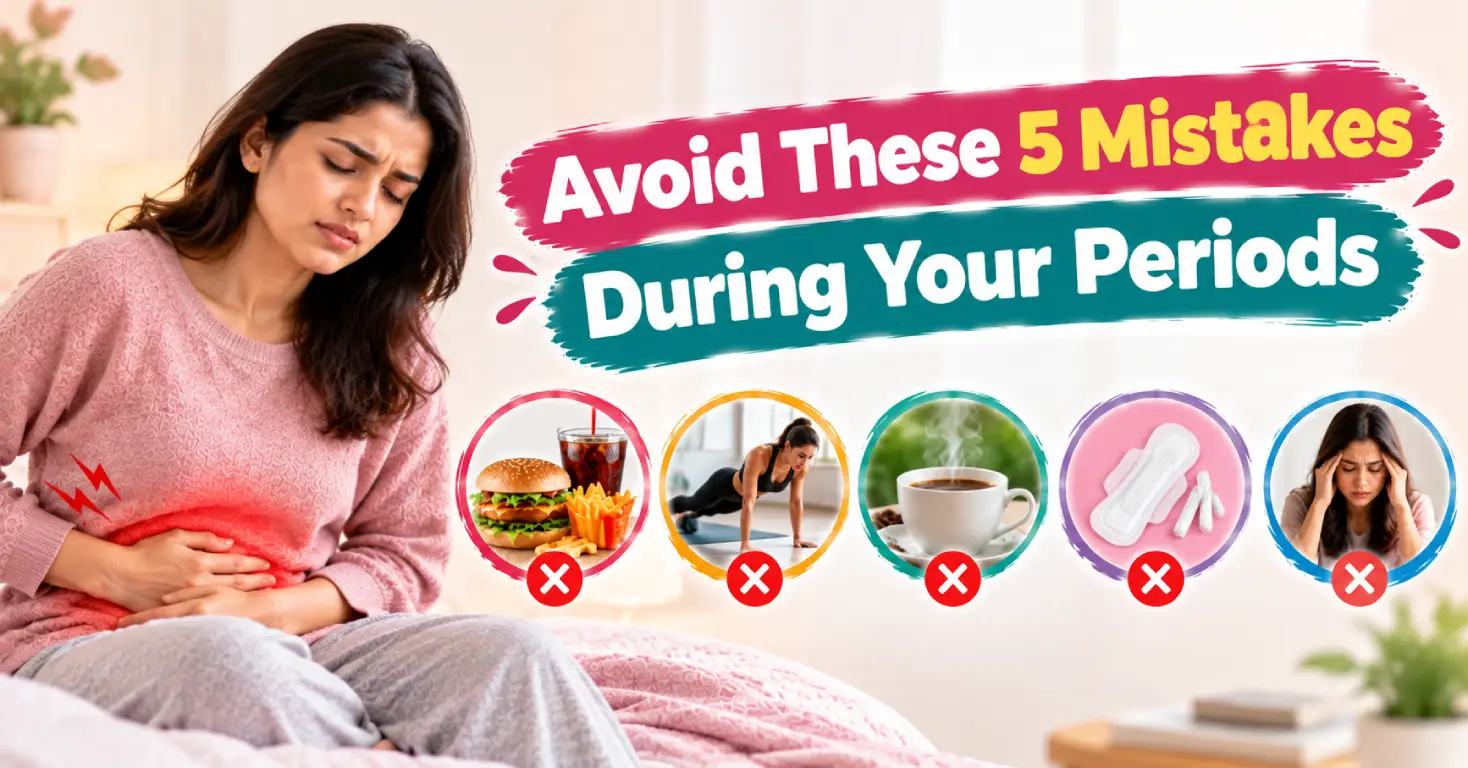
To keep your periods from turning into a monthly disaster, there are a few common slip-ups worth ditching: skipping meals, pushing through brutal workouts, slacking on hygiene, popping NSAIDs like candy, and running yourself ragged on no sleep. Do enough of these during your period and you can turn an already uncomfortable week into a full-blown nightmare of cramps, mood swings, and hormonal chaos.
When there's an underlying hormonal condition in the mix, finding a real natural treatment for PCOD becomes even more of a priority. Wellness centers like Karma Ayurveda for PCOD treatment lean into the idea that consistent daily habits and gentle botanical support can help restore internal balance without reaching for harsh synthetic fixes.
Here's a rundown of five big mistakes worth cutting out, along with the actual science behind them and some practical swaps that make your cycle a whole lot easier.
Mistake 1: Treating Painkillers Like Post-Dinner Mints
We've all done it. A cramp hits, and you're reaching for the ibuprofen before your brain has even fully registered the pain. Fair enough; over-the-counter painkillers work fast. But leaning on them every single month can quietly mess with your stomach lining and gut bacteria over time.
A study in the American Journal of Gastroenterology found that frequent NSAID use significantly raises the risk of gastric mucosal injury. Instead of just muting the alarm bell month after month, it's worth asking why the inflammation is happening in the first place.
If your cycles run heavy and painful, a natural PCOS treatment can be a gentler way to bring down systemic inflammation. A lot of traditional herbal approaches focus on the actual root of pelvic congestion rather than just the symptom. Ayurvedic practitioners, including Dr. Puneet Dhawan, tend to emphasize that fixing hormonal imbalance through diet and targeted herbs gives more sustainable relief than reaching for a pill every time.
Mistake 2: Going Hard at the Gym Like You're Training for the Olympics
Staying active during your period is genuinely good for you; the endorphins help. But trying to hit a personal deadlift record on day two of your cycle? That's basically asking for adrenal burnout. During the bleeding phase, your estrogen and progesterone are both sitting at rock bottom.
Research in the Journal of Sports Science & Medicine found that intense exertion during low-hormone phases can drive cortisol up and stretch out your recovery time.
Instead of a brutal HIIT session, try:
- Gentle, restorative yoga or stretching
- An easy evening walk outside
- Light mobility work to loosen up tight hips
Backing off isn't being lazy; it's just smarter hormonal management.
Mistake 3: Skipping Meals or Riding the Sugar Rollercoaster
When the cravings hit mid-cycle, your brain basically demands sugar and salty carbs. Curling up with a tub of ice cream feels amazing in the moment, but simple sugars send your blood glucose on a rollercoaster; sharp spike, hard crash; and that insulin surge tends to make cramps and mood swings noticeably worse.
For anyone researching the best medicines for PCOD, managing insulin sensitivity is honestly most of the battle. Sticking to balanced meals with complex carbs, healthy fats, and lean protein helps keep blood sugar from swinging wildly.
Certain herbs can help here too. Among the best herbs for PCOS, Cinnamon, Ashwagandha, Shatavari, and Turmeric come up again and again for supporting insulin balance, easing uterine muscles, and calming mood swings naturally.
Mistake 4: Wearing the Same Sanitary Product for Too Long
Life gets busy; work emails pile up, and suddenly six hours have gone by without a bathroom break. But leaving a tampon, pad, or menstrual cup in too long creates the perfect environment for bacteria to build up and can irritate sensitive tissue.
Research in the Journal of Clinical Microbiology found that prolonged use of internal sanitary products raises the risk of bacterial overgrowth and Toxic Shock Syndrome (TSS).
- Pads: change every 4 to 6 hours
- Tampons: swap every 4 to 8 hours, max
- Menstrual cups: empty and rinse every 8 to 12 hours
Staying on top of this keeps infections and unnecessary inflammation at bay.
Mistake 5: Pulling All-Nighters and Sacrificing Sleep
Scrolling late into the night feels harmless enough, but skimping on sleep genuinely messes with your reproductive system. Melatonin; the hormone that regulates sleep; also plays a real role in protecting egg quality and keeping your cycle regular.
A study in Sleep Medicine found a direct link between irregular sleep patterns and both cycle irregularity and worse menstrual pain. Aim for 7 to 9 hours of decent sleep a night; your body will thank you for it.
Period Care: Quick Fixes vs. Smart Habits
| Aspect | What We Usually Do (The Bad) | What We Should Do (The Smart) |
|---|---|---|
| Pain Relief | Pop NSAID pills on an empty stomach | Warm ginger or cinnamon tea, plus a hot water bag |
| Exercise | High-intensity spin class or heavy lifting | Gentle walking, stretching, or restorative yoga |
| Diet | Processed snacks and sugary comfort food | Magnesium-rich dark chocolate, nuts, warm soups |
| Hygiene | Forget to change pads/tampons for 8+ hours | Switch products every 4 to 6 hours, consistently |
| Sleep | Late-night scrolling until 2 a.m. | Unplug early for a full 8 hours of rest |
Key Takeaways
- Avoid painkiller overuse; frequent NSAID use can wear down your stomach lining; natural anti-inflammatory options are gentler.
- Adjust your workout intensity; go easier during your period to avoid spiking cortisol.
- Stabilize your blood sugar; cutting refined sugar helps prevent the insulin spikes that make cramps worse.
- Stay on top of hygiene; regular product changes keep bacteria and discomfort away.
- Prioritize sleep; consistent rest keeps your reproductive hormones and cycle on track.
Conclusion
Your period doesn't have to feel like a monthly uphill battle. Swap out these common mistakes for gentler, more body-friendly habits and you've got real control over how your cycle feels. Lasting relief tends to come from actually nourishing your body, managing stress, and looking for root-cause solutions when hormonal issues are part of the picture.
Frequently Asked Questions
What are the most common mistakes during periods?
Overusing painkillers, skipping meals, pushing through intense workouts, neglecting hygiene, and not getting enough sleep top the list.
Is there an effective natural treatment for PCOD?
Yes; holistic approaches like Ayurvedic herbs, dietary changes, stress management, and tailored lifestyle shifts can offer real support.
What is a proven natural PCOS treatment for daily life?
Pairing an anti-inflammatory diet with regular light movement and traditional herbs tends to help balance hormones over time.
Why do experts like Dr. Puneet Dhawan emphasize root-cause healing?
The focus is on correcting the underlying imbalance rather than just masking symptoms every month.
How does Karma Ayurveda for PCOD treatment help women?
Through personalized herbal remedies, tailored diet plans, and lifestyle guidance aimed at restoring hormonal balance naturally.
What are the best medicines for PCOD in holistic care?
Herbal formulations with Shatavari, Kanchnar Guggulu, and Ashwagandha are commonly used in holistic hormonal health care.
What are the best herbs for PCOS management?
Cinnamon, Turmeric, Shatavari, and Spearmint are among the most commonly cited herbs for cycle regulation and insulin balance.
Disclaimer
This article is for educational and informational purposes only and isn't a substitute for professional medical advice, diagnosis, or treatment. Always talk to a qualified healthcare provider or Ayurvedic specialist about any medical condition, or before starting a new herbal remedy or treatment plan.