
Unlocking Wellness Naturally
100% Ayurvedic Treatment

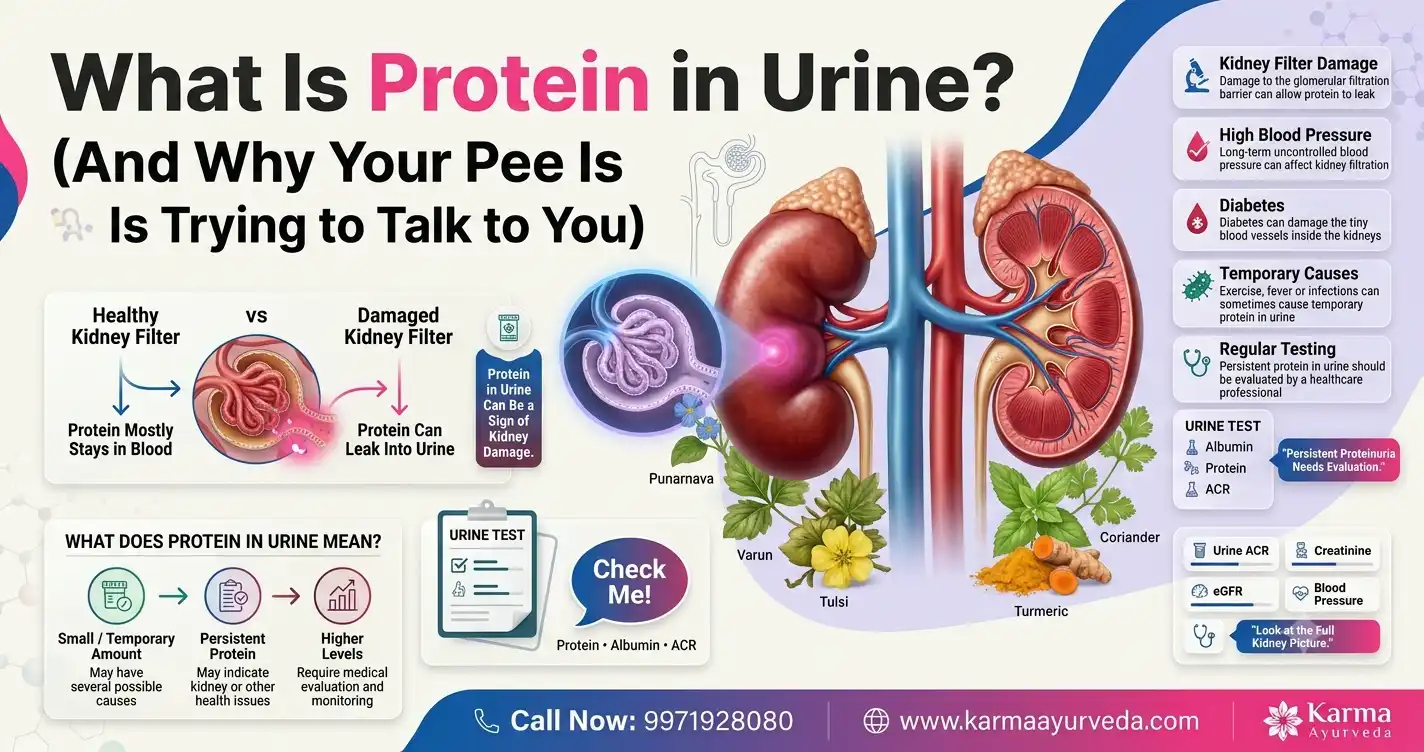
Protein in urine, medically called proteinuria, simply means your kidneys are leaking protein into your pee instead of keeping it in your blood where it belongs. It's usually one of the earliest whispers (sometimes shouts) that something's off with your kidneys.
Now, before you panic and start Googling your symptoms at 2 AM like the rest of us; take a breath. Protein in urine isn't automatically a disaster movie. Sometimes it's your body overreacting to a workout, a fever, or even standing up for too long. But sometimes, it genuinely is your kidneys waving a little red flag. And since kidneys don't exactly send you a WhatsApp message when they're struggling, this "leak" is often the closest thing to an SOS they can manage.
So let's actually talk about what's happening in there, why it matters, and what you can do about it; minus the medical jargon overload.
Think of your kidneys as bouncers at an extremely exclusive nightclub called "Your Bloodstream." Waste products, excess water, toxins; sure, they're shown the door and sent out as urine. But important stuff like protein (especially a protein called albumin)? That's VIP. It's supposed to stay inside, doing important jobs like building muscle, fighting infections, and keeping fluid balance in check.
When your kidneys are damaged, their filtering system starts letting protein sneak past security and into your urine; a condition called proteinuria or albuminuria. Basically, the bouncer got tired, distracted, or straight-up injured, and now VIPs are slipping out the back door.
On its own, proteinuria isn't really a disease; it's more like a symptom, a sign that something else is affecting how your kidneys work. So it's less "diagnosis" and more "your body's version of a check-engine light."
Proteinuria can happen for reasons as harmless as a hard gym session, or as serious as long-term kidney damage. Broadly, here's what tends to cause it:
Here's the twist though: excess protein in urine isn't just a symptom; it's actually considered one of the strongest markers doctors use to predict how chronic kidney disease might progress. So catching it early isn't just about naming the problem; it's about stopping it from snowballing.
You don't feel your kidneys leaking protein; no alarm bells, no dramatic music. That's the annoying part. Mild kidney damage with small amounts of protein usually shows zero symptoms at all.
That's why a simple urinalysis (a basic urine test, sometimes with a fancier version called the urine protein-to-creatinine ratio) is the real hero here. A dipstick changes color, a lab technician squints under a microscope, and suddenly your kidneys' secret is out.
If protein levels are more advanced, that's when actual symptoms may show up; swelling in the hands, feet or face, foamy or bubbly urine, fatigue, or unexplained weight changes.
This is where things get practical. If your protein in urine levels are genuinely elevated (not just a one-off), doctors typically look at managing the root cause; blood sugar control if it's diabetes, blood pressure management, dietary tweaks (less salt, controlled protein intake), and regular monitoring.
A lot of people, especially in India, also explore Ayurvedic treatment for kidney disease and Ayurvedic treatment for proteinuria as a complementary approach alongside conventional medical care; things like herbal formulations, dietary regulation (pathya-apathya), and lifestyle correction rooted in Ayurvedic principles, which some individuals find helpful in supporting overall kidney wellness. Clinics such as Karma Ayurveda for kidney diseases are among those that people search for when looking into this route. That said, scientific evidence on Ayurvedic interventions for kidney disease is still limited compared to conventional treatment, so it's genuinely important to loop in a nephrologist before treating any kidney condition; proteinuria included; with herbal or alternative therapies alone, rather than instead of medical supervision.
The bottom line: whichever path you lean towards, don't self-diagnose off a Google search (yes, the irony of this sentence is not lost on us) and don't skip your actual blood and urine tests.
YouTube Video: Watch the case study on YouTube
Patient: Atif
Condition: Severe kidney dysfunction with elevated creatinine
Atif was dealing with significantly reduced kidney function and a creatinine level above 8 mg/dL. After medical evaluations, dialysis was recommended because of the severity of his condition. Before proceeding, he decided to explore Ayurvedic care and consulted Karma Ayurveda for a personalized kidney-health approach.
According to the case study, Atif’s creatinine was 8.43 mg/dL in February 2023, and his kidney function was reported to be around 10%. Given the severity of his condition, dialysis had been recommended.
Atif began a personalized treatment plan at Karma Ayurveda involving Ayurvedic herbal formulations, dietary modifications, lifestyle changes, and regular follow-up. He remained consistent with the recommended kidney-friendly diet, medicines, and daily health practices while his progress was monitored.
The case study reports that by June 2023, Atif’s creatinine had decreased from 8.43 mg/dL to 5.6 mg/dL. His reported kidney function also improved from approximately 10% to 25–30%. He experienced better energy levels, reduced fatigue, and improved ability to manage his daily activities.
Atif’s journey highlights the importance of consistent monitoring, dietary management, lifestyle changes, and individualized care in people with significant kidney dysfunction. His reported improvement occurred during Ayurvedic treatment, but a creatinine reduction does not by itself establish recovery or determine whether dialysis is necessary. Patients with advanced kidney disease should make dialysis and treatment decisions with a qualified nephrologist.
Not always; sometimes it's just your body reacting to exercise, fever, or stress, but if it keeps showing up, get it checked.
In many cases, yes, especially when the underlying cause (like blood sugar or blood pressure) is managed early and properly.
Generally, cutting back on excess salt and processed foods helps, but your exact diet should be guided by your doctor based on your specific cause.
Not always; urine can foam for harmless reasons too, but consistently foamy pee is worth mentioning to your doctor.
Some people use Ayurvedic approaches as a supportive, complementary measure, but it should always go hand-in-hand with proper medical diagnosis and care, not replace it.
This blog is for general informational purposes only and is not a substitute for professional medical advice, diagnosis, or treatment. Always consult a qualified doctor or nephrologist regarding protein in urine, kidney disease, or any treatment options, including Ayurvedic or alternative therapies, before making health decisions.
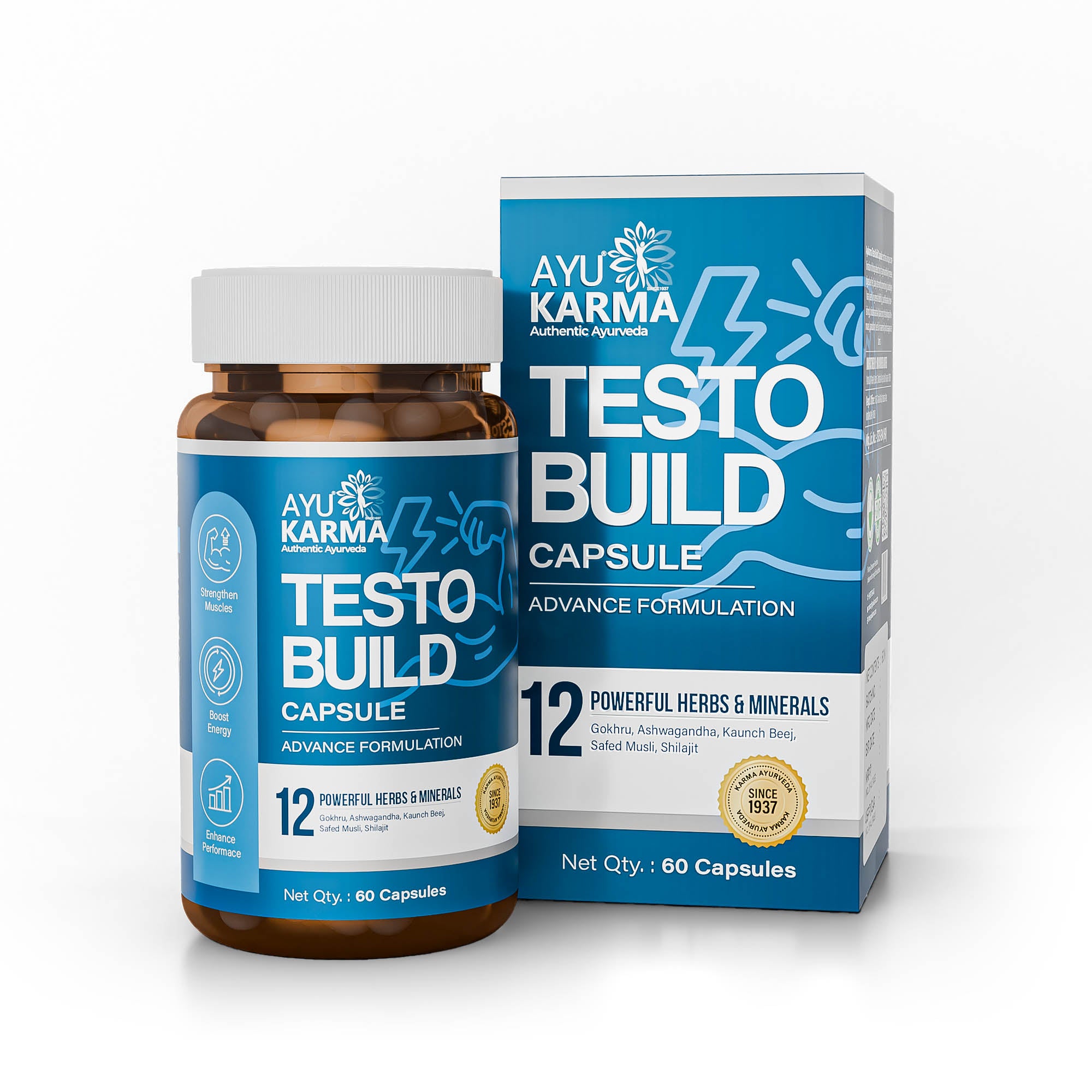
AyuKarma Testo Build Capsules combine 12 Ayurvedic herbs and minerals to support strength, energy, stamina, physical performance, nourishment and overall daily vitality.

AyuKarma Hair Lush Capsules combine Ayurvedic herbs to support hair growth, reduce hair fall, strengthen roots, nourish the scalp and promote healthier-looking hair.
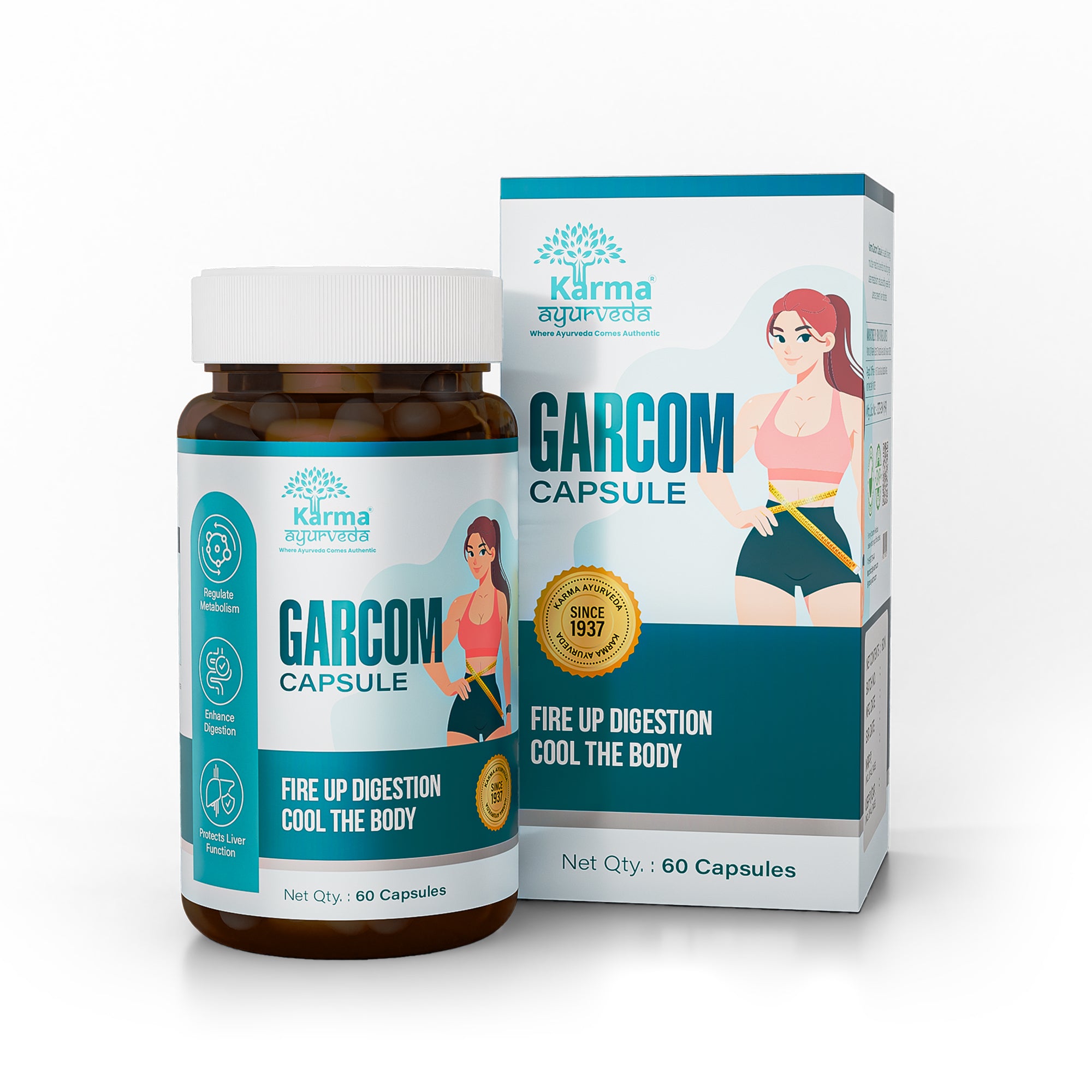
Karma Garcom Capsules contain Garcinia indica to support healthy metabolism, digestion, weight management, digestive comfort and daily wellness alongside a balanced lifestyle.
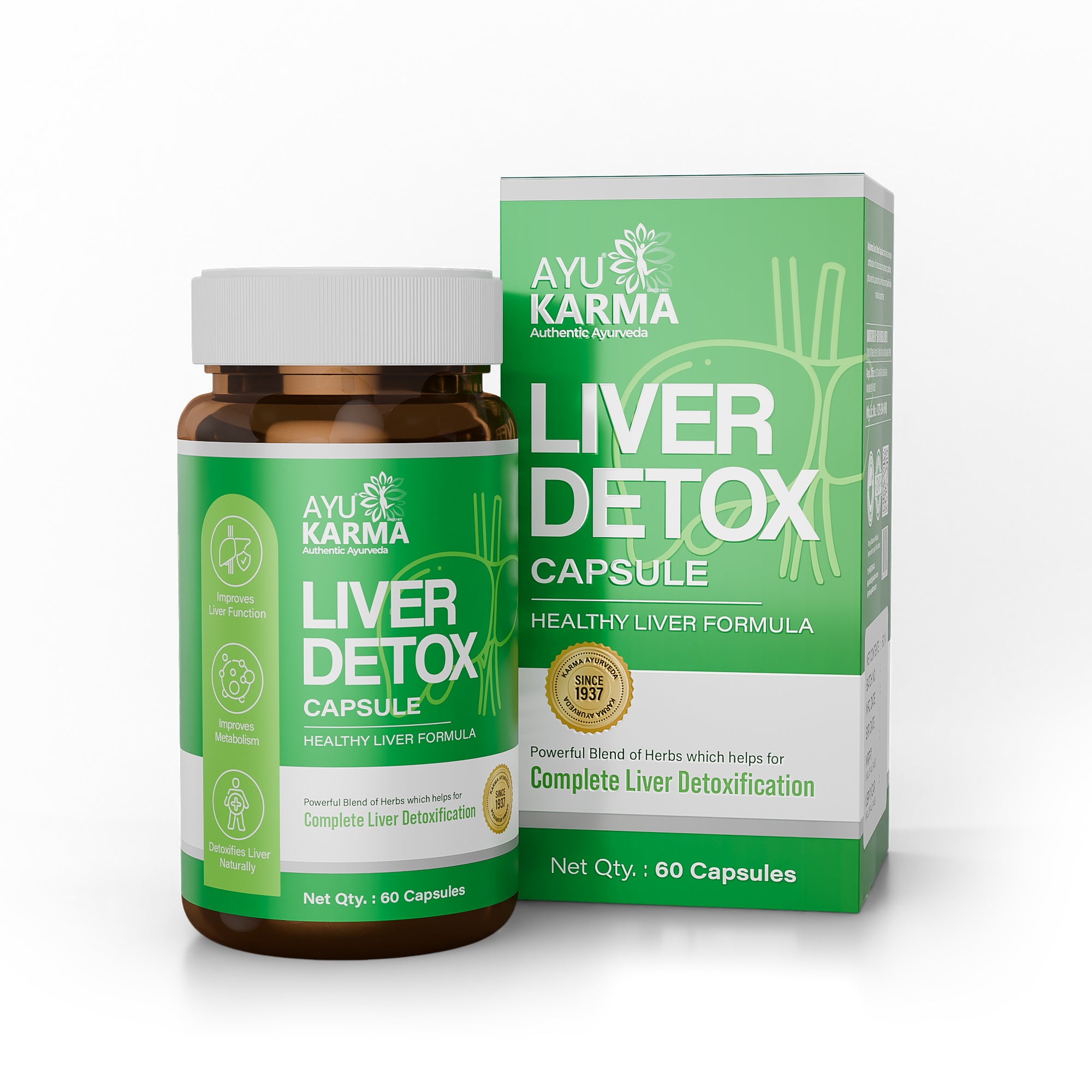
Doctor-recommended liver supplement that helps detoxify the liver, support healthy cholesterol, improve digestion & promote liver health. Developed by Dr. Puneet Dhawan with Karma Ayurveda philosophy.
Second Floor, 77, Block C, Tarun Enclave, Pitampura, New Delhi, Delhi, 110034

Certificate no- AH-2023-0186
JAN 05, 2026 - JAN 04, 2029

US FDA Reg. No.: 14568299376
