Which Vegetables Are Safe for Kidney Patients?
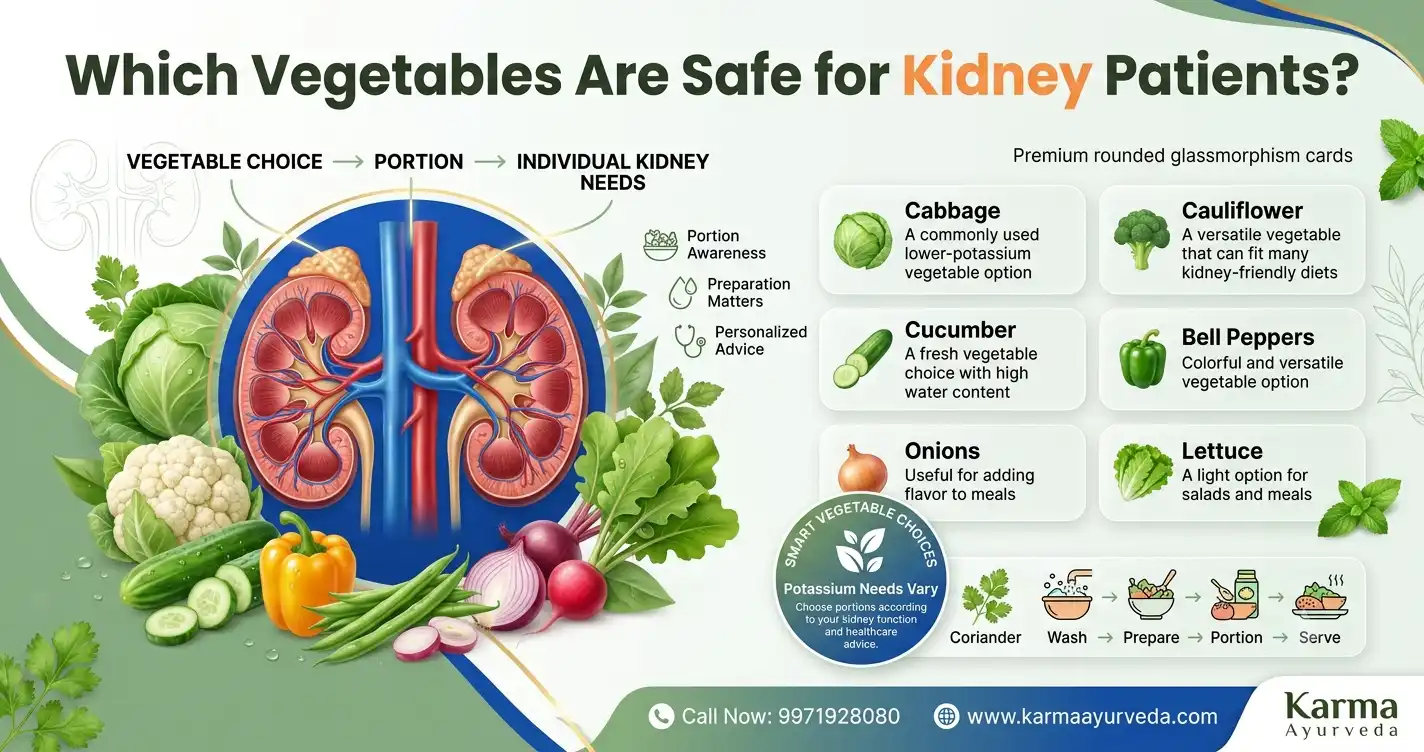
Most low-potassium and low-phosphorus vegetables; like cauliflower, cabbage, bell peppers, cucumbers, and zucchini; are generally safe and highly beneficial for kidney patients. Knowing which veggies to pile on your plate (and which ones to bench) lets you enjoy vibrant, delicious meals without stressing your kidneys.
Navigating a renal diet menu can feel like someone suddenly changed the rules of eating overnight. One day you’re hearing about how healthy leafy greens and sweet potatoes are for everyone, and the next, your doctor is telling you that high potassium might send your blood pressure or heart rhythm into a tailspin. It’s confusing, a little overwhelming, and honestly, a bit of a mood kill when you just want a nice salad.
The good news? A kidney diagnosis doesn't mean you’re sentenced to a lifetime of bland, boiled cardboard. Plenty of vibrant, crunchy, and flat-out delicious vegetables are not only safe for compromised kidneys, but they also help protect your remaining renal function.
Why Vegetables Act Differently When Your Kidneys Are Struggling
To understand why some veggies get the green light while others get sidelined, we have to look at what kidneys actually do. Think of healthy kidneys as your body’s ultimate filtration team, working around the clock to filter out excess fluid, sodium, waste, and minerals like potassium and phosphorus.
When kidney function slows down; whether due to chronic kidney disease (CKD), diabetes, or hypertension; those filters struggle to process high amounts of certain minerals.
- Potassium: Essential for muscle function, but when it builds up in the blood (a condition called hyperkalemia), it can cause dangerous heart arrhythmias.
- Phosphorus: Works with calcium for bone health, but too much in the blood pulls calcium straight out of your bones, leaving them weak and brittle.
- Sodium: Causes fluid retention, spiking your blood pressure and forcing your heart and kidneys to work overtime.
That’s why finding low-potassium vegetables for kidney disease becomes your top culinary mission.
The Green Light List: Vegetables Safe for Kidney Patients
Here are the superstar veggies that deserve a permanent spot in your fridge. They're low in potassium, low in phosphorus, and high in flavor.
1. Cauliflower: The Ultimate Shape-Shifter
If there were an award for the most versatile veggie on a kidney-friendly diet, cauliflower would take home the trophy every single time. One cup of cooked cauliflower contains roughly 176 mg of potassium; well within the safe zone. You can mash it like potatoes, rice it, roast it, or even turn it into a pizza crust.
2. Cabbage: Cheap, Crunchy, and Packed with Phytochemicals
Cabbage is an unsung hero. Loaded with vitamin K, vitamin C, and fiber, it brings a satisfying crunch to raw slaws and a comforting sweetness to soups and stir-fries. Best of all, it’s naturally low in potassium and sodium, making it a staple for CKD diet planning.
3. Bell Peppers: The Vitamin C Powerhouses
Red, yellow, and orange bell peppers bring massive flavor and bright colors to your plate without overloading your system with potassium. A single red bell pepper delivers well over 100% of your daily vitamin C requirement with just about 150 mg of potassium.
4. Cucumbers: Hydration Without the Mineral Overload
Cucumbers are mostly water, making them crisp, refreshing, and incredibly low in minerals. Peel the skin off if you want to reduce the potassium content even further. Slice them into salads, dip them in a bit of low-sodium hummus, or drop them into your water glass.
5. Garlic and Onions: Your Flavor Rescue Squad
When you have to scale back on salt to control blood pressure, food can taste a bit sad at first. Enter garlic and onions. They add deep, savory flavor to dishes without adding extra sodium or harmful levels of potassium. Plus, garlic has anti-inflammatory properties that support overall cardiovascular health.
What Does the Science Say?
You don't just have to take our word for it; clinical research backs up the power of a plant-focused approach for renal health.
A landmark study published in the Journal of the American Society of Nephrology (JASN) by Dr. Nimrit Goraya and colleagues demonstrated that introducing alkalinizing fruits and vegetables to patients with kidney disease reduced kidney injury and helped manage metabolic acidosis just as effectively as traditional bicarbonate therapy.
Furthermore, research published in Clinical Journal of the American Society of Nephrology (CJASN) highlighted that plant-based potassium is actually absorbed less efficiently by the gut compared to synthetic potassium found in processed foods. This means eating real, whole vegetables carries a lower risk of spiking blood potassium levels than eating processed products with hidden additives!
The Caution List: High-Potassium Veggies to Watch
Having kidney disease doesn't mean these foods are toxic, but you do need to strictly monitor portions or substitute them with safer choices.
- Potatoes and Sweet Potatoes: Delicious, but packed with potassium. (Pro-tip: Double-boiling chopped potatoes can leach out a good portion of that potassium!).
- Spinach and Swiss Chard: When cooked down, leafy greens shrink, meaning you consume a massive amount of potassium in just a few bites.
- Tomatoes: Sauce, paste, and raw tomatoes are all high in potassium.
- Winter Squash and Pumpkin: Beautiful in the fall, but heavy on the mineral side.
Quick Cheat Sheet: Smart Vegetable Swaps
Here’s a simple comparison table to keep handy when you're grocery shopping or planning your week's dinners.
- High-Potassium Veggie (Bench 'Em): Mashed Potatoes
Kidney-Safe Alternative (Play 'Em): Mashed Cauliflower
Why the Swap Works: Cuts potassium by more than half while keeping that buttery texture. - High-Potassium Veggie (Bench 'Em): Tomato Sauce
Kidney-Safe Alternative (Play 'Em): Roasted Red Pepper Sauce
Why the Swap Works: Keeps the rich red color and tang without the potassium overload. - High-Potassium Veggie (Bench 'Em): Cooked Spinach
Kidney-Safe Alternative (Play 'Em): Raw Arugula or Cabbage
Why the Swap Works: Delivers greenery and crunch without dense mineral concentrations. - High-Potassium Veggie (Bench 'Em): French Fries
Kidney-Safe Alternative (Play 'Em): Crispy Turnip or Zucchini Fries
Why the Swap Works: Satisfies the salty crunch craving with far less load on your filters.
Pro-Tips for Cooking Kidney-Friendly Veggies
- Master the "Leaching" Technique: If you really want potatoes or carrots, peel them, dice them into small cubes, and soak them in warm water for at least two hours before cooking. Boil them in a large amount of water and drain. This leaches out up to 50% of the potassium!
- Ditch the Table Salt: Use fresh herbs, lemon juice, garlic powder, onion powder, and smoked paprika to make your low-potassium veggies pop with flavor.
- Watch Out for "Salt Substitutes": Many potassium-chloride-based salt substitutes are dangerous for kidney patients because they replace sodium directly with potassium. Always check the labels!
CASE STUDY
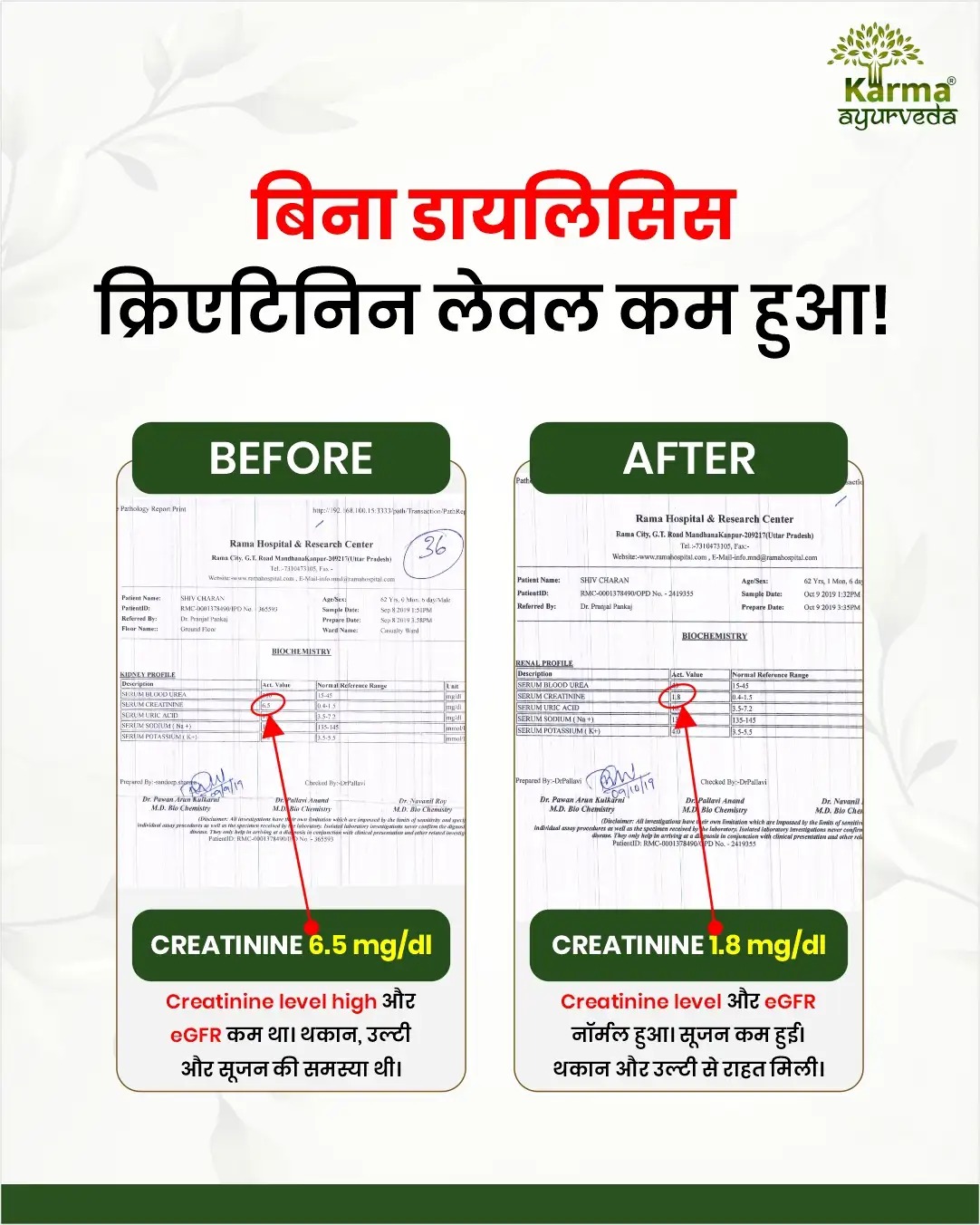
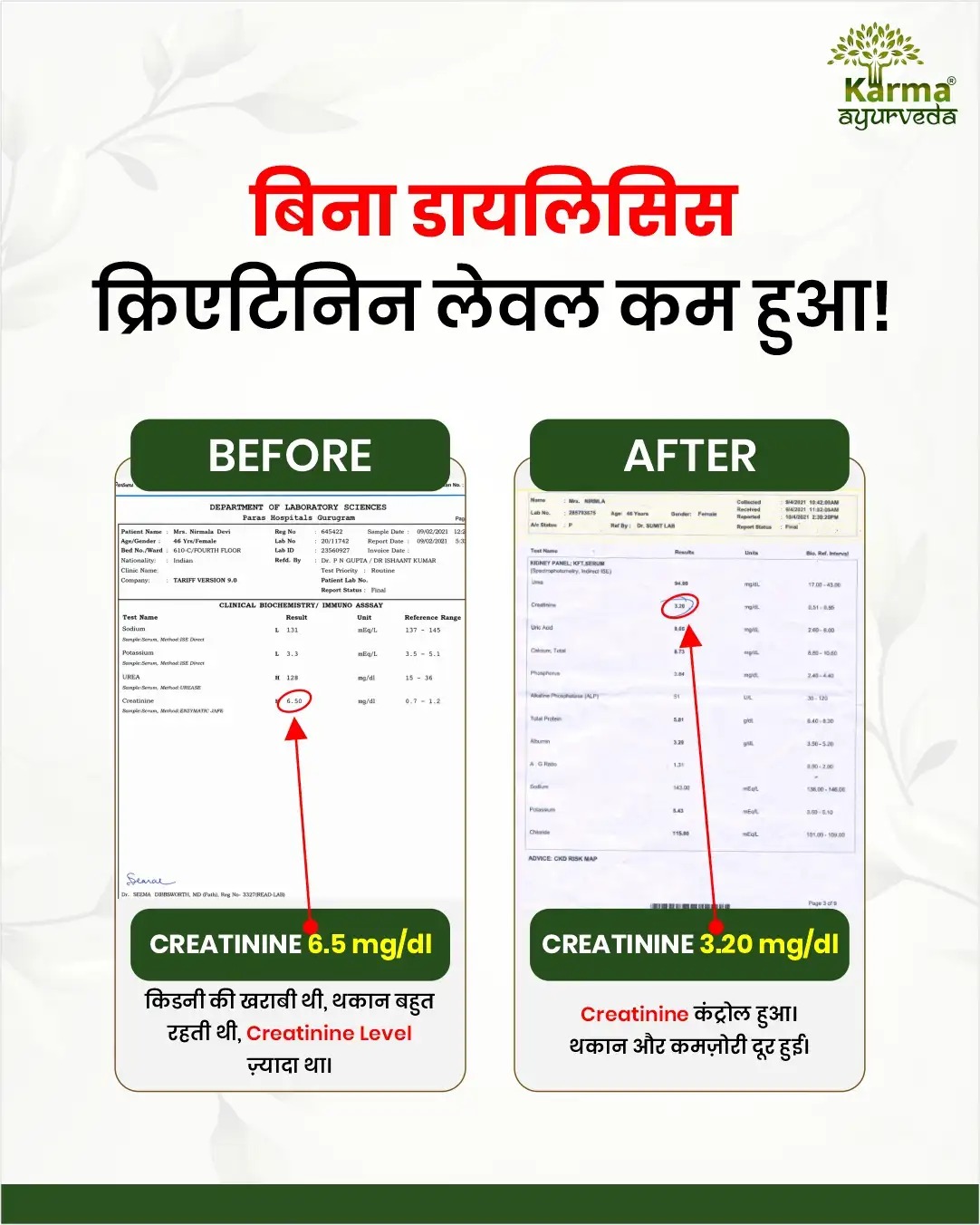
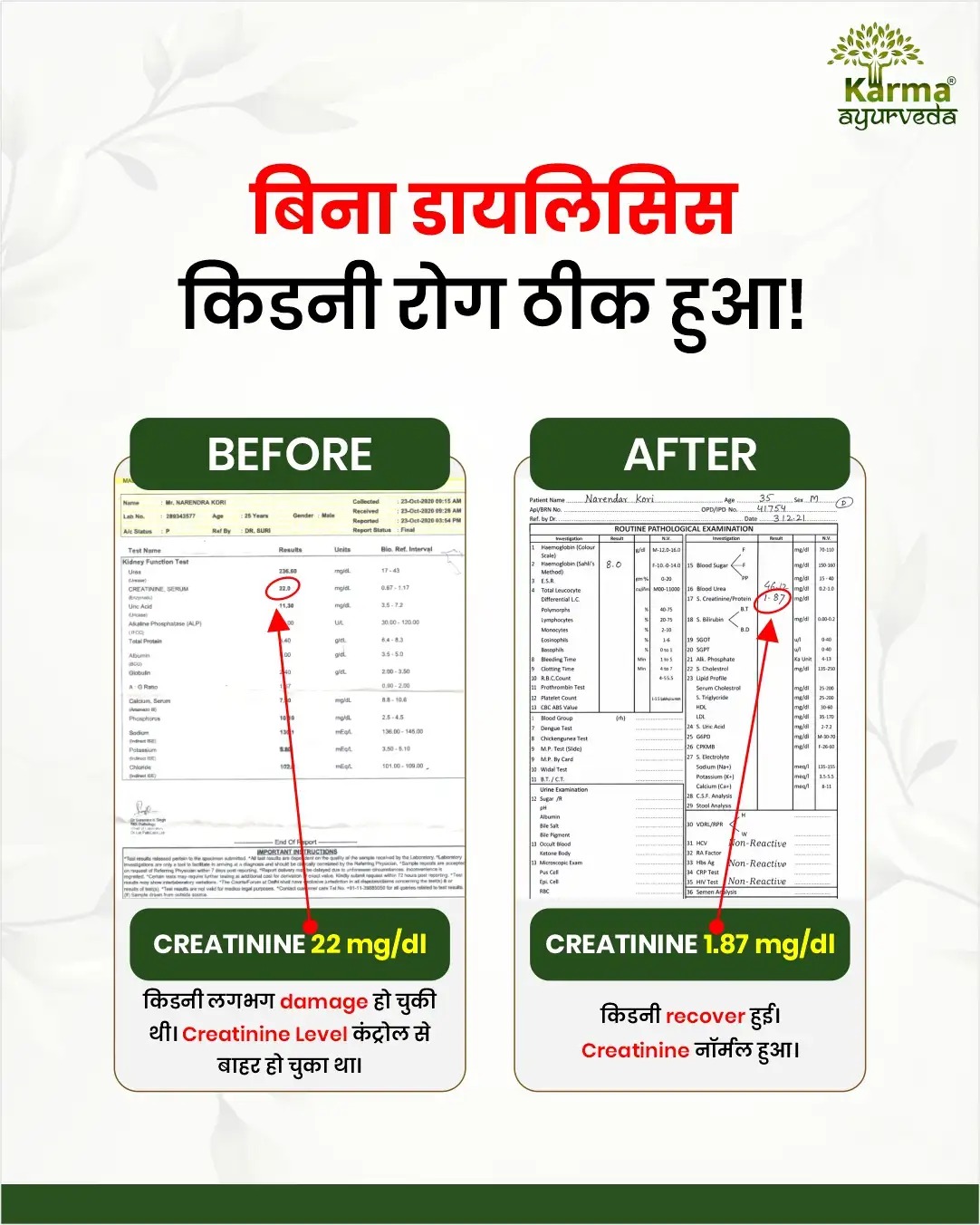
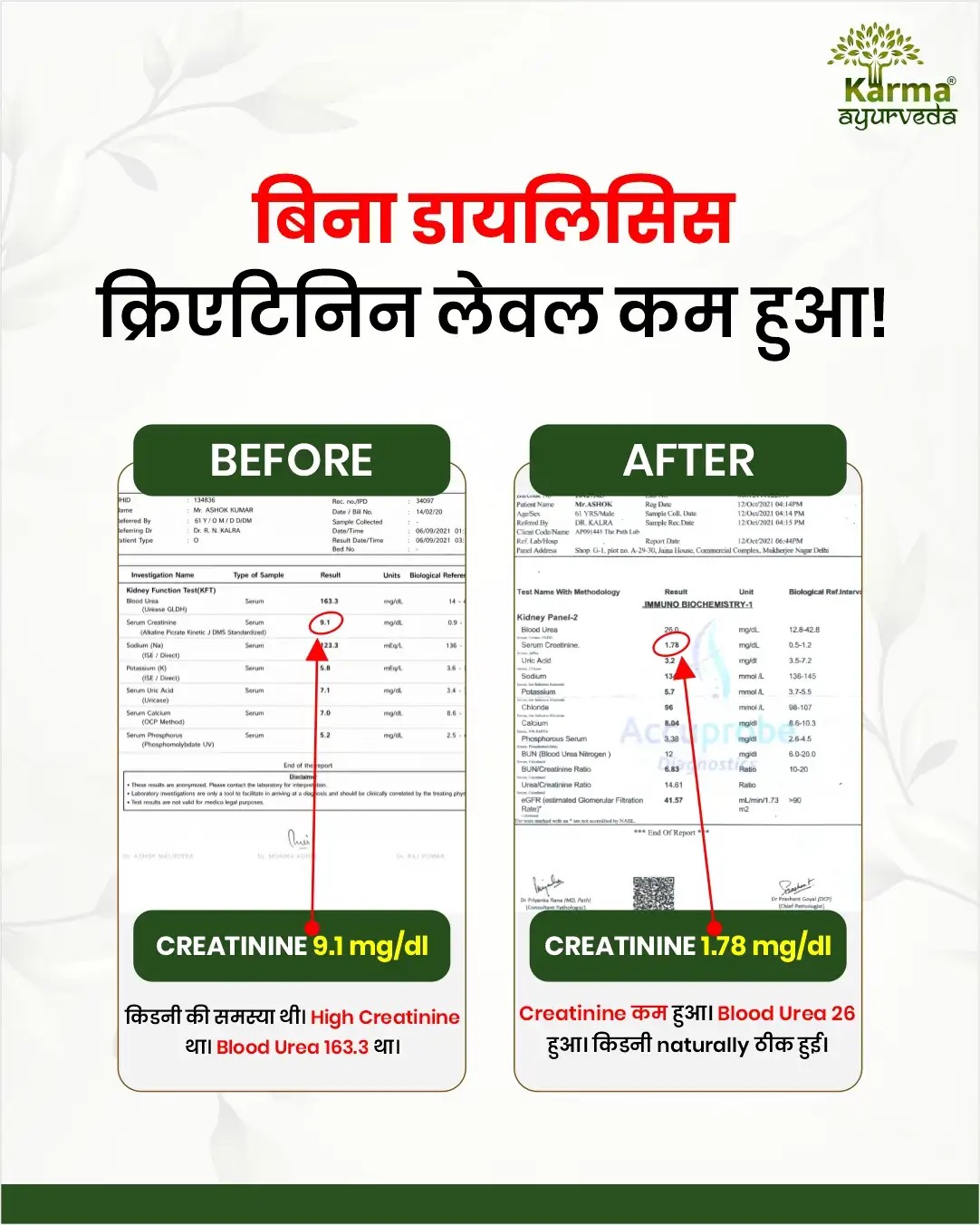
Mr. Priyanshu, a young patient experiencing kidney-related health concerns, was struggling with persistent fatigue, loss of appetite, and frequent vomiting, which affected his daily life and overall well-being. Despite receiving conventional treatment, his condition showed limited improvement. Medical reports revealed a serum creatinine level of 1.8 mg/dL, indicating reduced kidney function. Having previously seen positive results with Karma Ayurveda for another family member, his mother decided to seek Ayurvedic care for him.
After a detailed evaluation by Dr. Puneet Dhawan and the medical team, Mr. Priyanshu was provided with a personalized treatment plan that included Ayurvedic herbal formulations, dietary guidance, lifestyle modifications, and regular health monitoring. The treatment focused on supporting kidney function naturally while addressing the underlying factors contributing to his symptoms and improving his overall health.
With consistent adherence to the prescribed treatment and dietary recommendations, Mr. Priyanshu experienced encouraging improvements. Follow-up reports showed his serum creatinine level decreased from 1.8 mg/dL to 1.3 mg/dL, indicating better kidney function. He also reported an improved appetite, higher energy levels, reduced fatigue, and an overall improvement in his quality of life. His journey demonstrates how personalized Ayurvedic care, combined with consistent treatment and appropriate medical supervision, may help support kidney health and overall wellness. While individual outcomes vary, his case highlights the potential benefits of a holistic approach to kidney care.
Key Takeaways
- Focus on low-potassium vegetables like cauliflower, cabbage, bell peppers, cucumbers, and radishes.
- Limit or carefully prepare high-potassium options like potatoes, cooked spinach, tomatoes, and pumpkin.
- Use cooking techniques like peeling, dicing, soaking, and boiling to lower potassium levels in root vegetables.
- Lean on garlic, onions, and fresh herbs instead of salt or potassium-based salt substitutes to season your food safely.
- Always tailor your dietary choices to your specific stage of kidney disease and your latest blood work results.
Frequently Asked Questions (FAQs)
Can kidney patients eat raw salads safely?
Yes, as long as you build your salad with low-potassium bases like arugula, cabbage, or iceberg lettuce rather than spinach.
Is broccoli safe for someone with stage 3 kidney disease?
Yes, broccoli is safe in moderation because a half-cup serving fits well within daily potassium limits.
Does boiling vegetables remove potassium for kidney patients?
Boiling vegetables in plenty of water pulls out up to half of their natural potassium content.
Are canned vegetables okay for a renal diet?
Canned vegetables are safe only if you choose "no salt added" versions or drain and thoroughly rinse them before eating.
Disclaimer
This article is for informational and educational purposes only and should not replace professional medical advice, diagnosis, or treatment. Dietary needs vary significantly depending on the stage of kidney disease and individual blood lab results. Always consult your nephrologist or a registered renal dietitian before making changes to your diet.