Unlocking Wellness Naturally
100% Ayurvedic Treatment

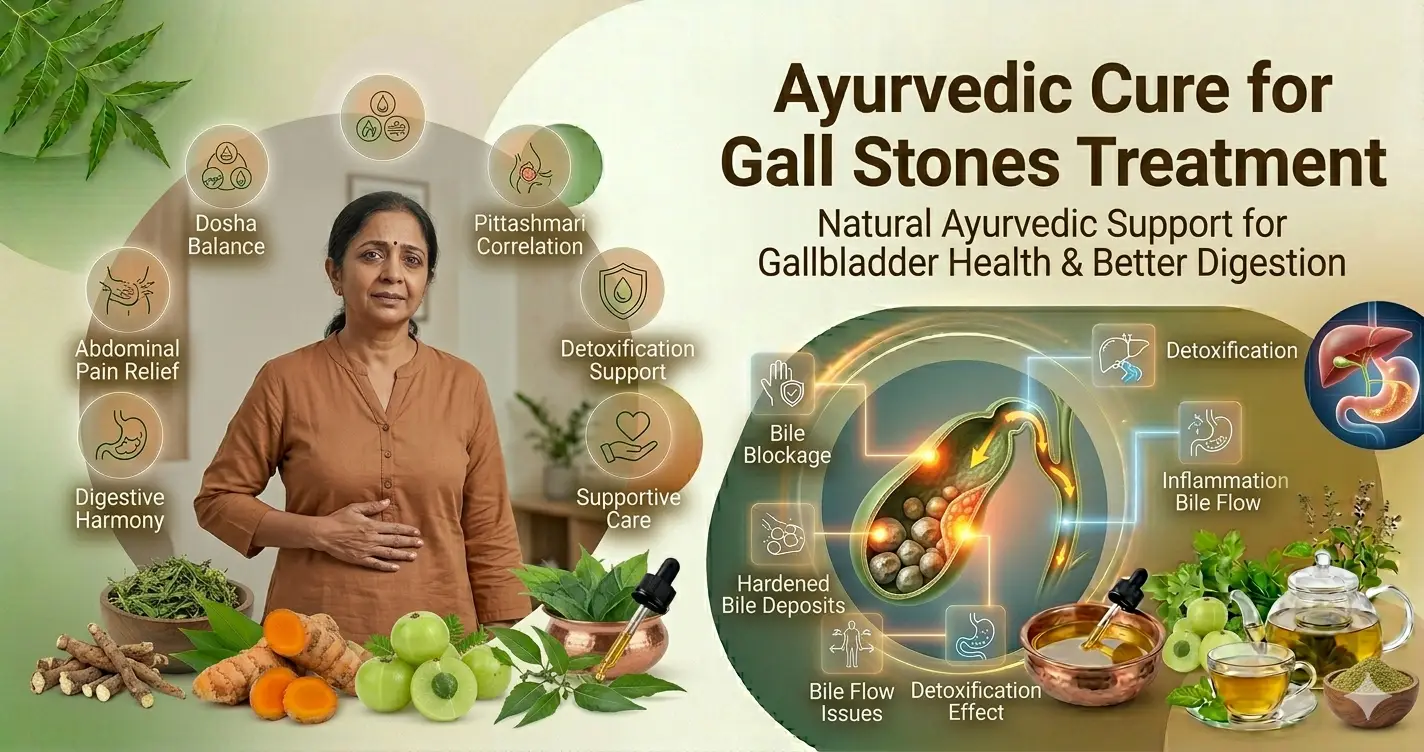
Gallstones. Just hearing the word can make you imagine sharp pain and emergency hospital visits. If you or someone in your family has experienced it, you know it’s not just “a little stomach ache.” It can feel like your body is staging a dramatic protest.
That’s why many people start searching for an Ayurvedic cure for gallstones. They want relief; but they also want something natural, something that works with the body instead of against it.
Let’s talk about how Ayurveda looks at gallstones, in simple and friendly language.
Gallstones are hard deposits that form inside the gallbladder. The gallbladder stores bile, a digestive fluid that helps break down fats. When bile becomes too concentrated, small stone-like formations can develop.
In Ayurveda, gallstones are often linked to an imbalance in Pitta dosha. Pitta controls digestion, heat, and metabolism. When Pitta becomes excessive, it can cause inflammation, acidity, and disturbances in bile production.
In simple words; too much internal heat can create trouble.
Let’s be honest here. Ayurveda does not claim instant stone-melting miracles. But Ayurvedic treatment for gallstones focuses on improving bile flow, reducing inflammation, supporting liver function, and preventing further stone formation.
The goal is to correct the root imbalance rather than just removing the symptom.
For small gallstones and mild cases, Ayurveda may help reduce discomfort and support gradual management. For large or complicated cases, surgery may still be necessary. A balanced approach is always the smartest one.
One of the key parts of herbal treatment for gallstones involves herbs that support liver and gallbladder function.
Some commonly used herbs include:
These herbs are selected based on the individual’s body constitution and condition. Ayurveda does not believe in one-size-fits-all treatment.
Reputed Ayurvedic centers like Karma Ayurveda Hospital provide personalized plans under the guidance of experienced doctors such as Dr. Puneet Dhawan, who focuses on root-cause-based natural healing approaches.
And yes, professional supervision is very important. Please don’t start experimenting with random herbs you saw in a WhatsApp forward.
Let’s talk about food. Because honestly, gallstones and greasy food are not best friends.
In Ayurveda, diet plays a major role in natural treatment for gallstones. Foods that increase Pitta; very spicy, oily, fried, and acidic items; are usually reduced.
Instead, warm, light, and easy-to-digest meals are encouraged. Think boiled vegetables, light soups, whole grains, and moderate healthy fats.
Hydration is also important. Proper water intake helps maintain healthy bile consistency.
In short: your gallbladder prefers calm, simple meals; not a daily fried-food festival.
Ayurveda always looks beyond medicines. Daily habits matter.
Irregular eating patterns, skipping meals, overeating, and high stress levels can disturb digestion and worsen gallbladder issues.
Simple habits like eating at regular times, avoiding heavy late-night meals, gentle walking after food, and managing stress can significantly support gallbladder health.
Sometimes healing starts with routine.
Prevention is one of Ayurveda’s strongest areas.
While acute cases may need immediate medical intervention, long-term Ayurveda for gallstones focuses on preventing recurrence by balancing digestion and improving liver function.
By correcting Pitta imbalance, strengthening Agni (digestive fire), and reducing toxin buildup (Ama), Ayurveda aims to reduce the chances of new stone formation.
It’s less about emergency rescue and more about long-term stability.
Let’s be practical. If gallstones are causing severe pain, infection, or blockage, immediate medical care is essential. Surgery (cholecystectomy) may be required in such cases.
Ayurveda can still play a supportive role after surgery by improving digestion and maintaining liver health.
Holistic healing doesn’t mean ignoring modern medicine. It means using the best of both worlds wisely.
Even though Ayurvedic herbs are natural, they are potent. Dosage, timing, and combinations matter a lot.
If you are considering an Ayurvedic cure for gallstones, consult a qualified practitioner. Reputed institutions like Karma Ayurveda Hospital, guided by doctors such as Dr. Puneet Dhawan, emphasize proper diagnosis and personalized care plans.
Self-treatment can do more harm than good.
Gallstones can be painful and stressful. But with the right approach, they can be managed effectively.
Ayurveda offers a natural path focused on improving digestion, balancing Pitta, supporting liver function, and preventing recurrence. It may not promise overnight miracles, but it promotes steady and sustainable healing.
If you are exploring Ayurvedic treatment for gallstones, think of it as giving your digestive system a reset; calming the internal heat and supporting natural balance.
Sometimes healing doesn’t shout. It works quietly, patiently, and steadily in the background.
And honestly, that kind of healing lasts longer.
Small stones may be managed naturally, but large stones may require medical intervention.
Yes, when taken under proper medical supervision.
It varies, but consistent treatment for a few months is usually needed.
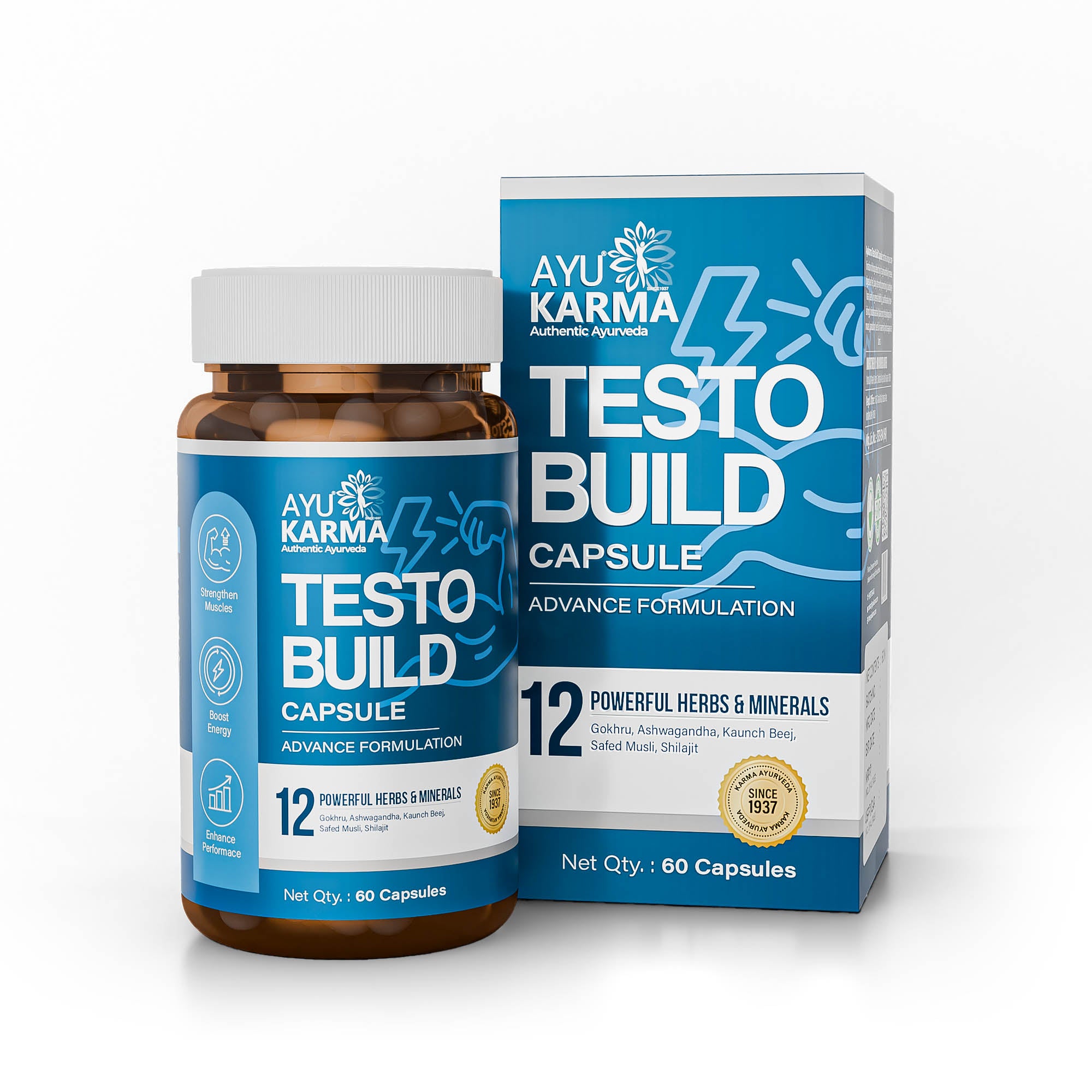
AyuKarma Testo Build Capsules combine 12 Ayurvedic herbs and minerals to support strength, energy, stamina, physical performance, nourishment and overall daily vitality.

AyuKarma Hair Lush Capsules combine Ayurvedic herbs to support hair growth, reduce hair fall, strengthen roots, nourish the scalp and promote healthier-looking hair.
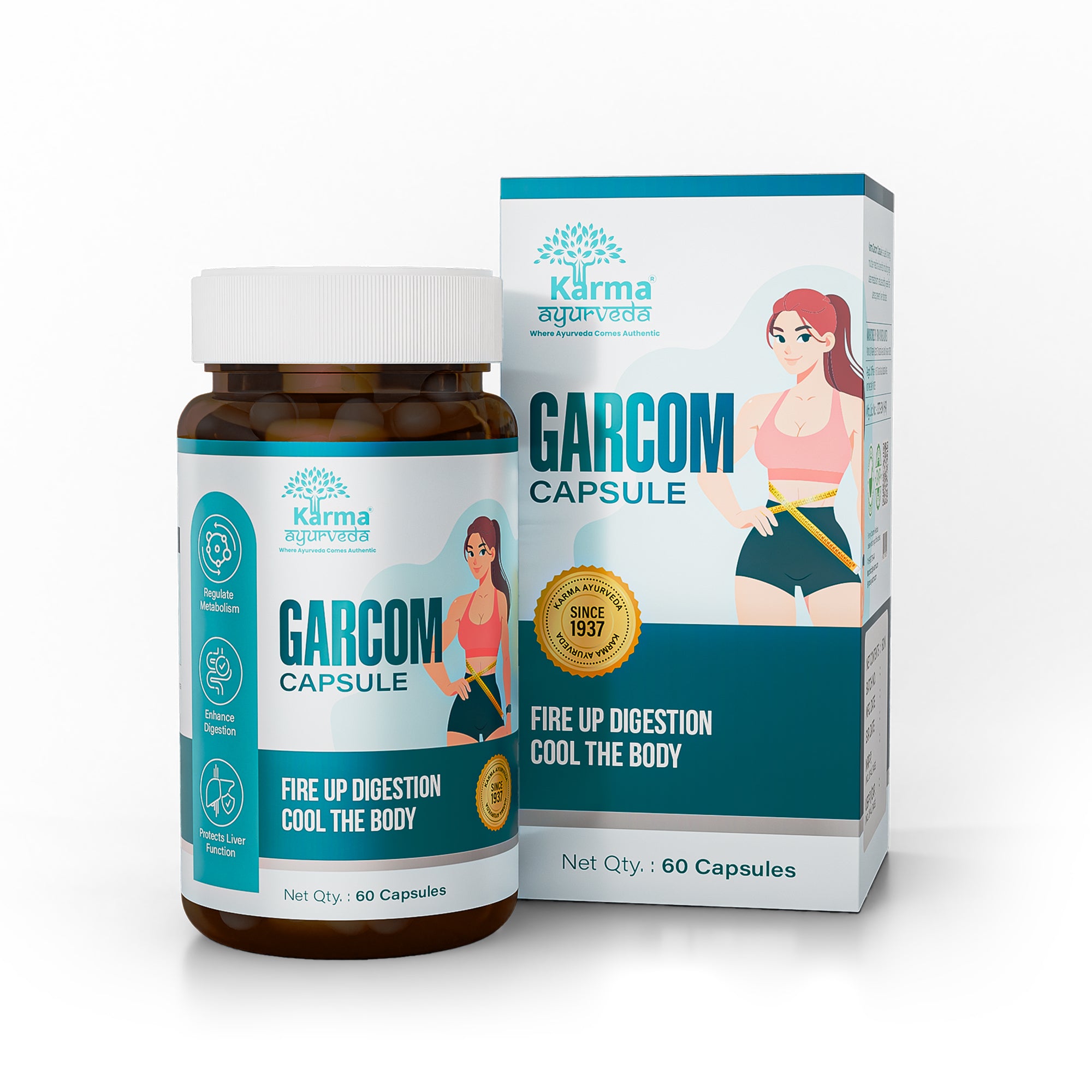
Karma Garcom Capsules contain Garcinia indica to support healthy metabolism, digestion, weight management, digestive comfort and daily wellness alongside a balanced lifestyle.
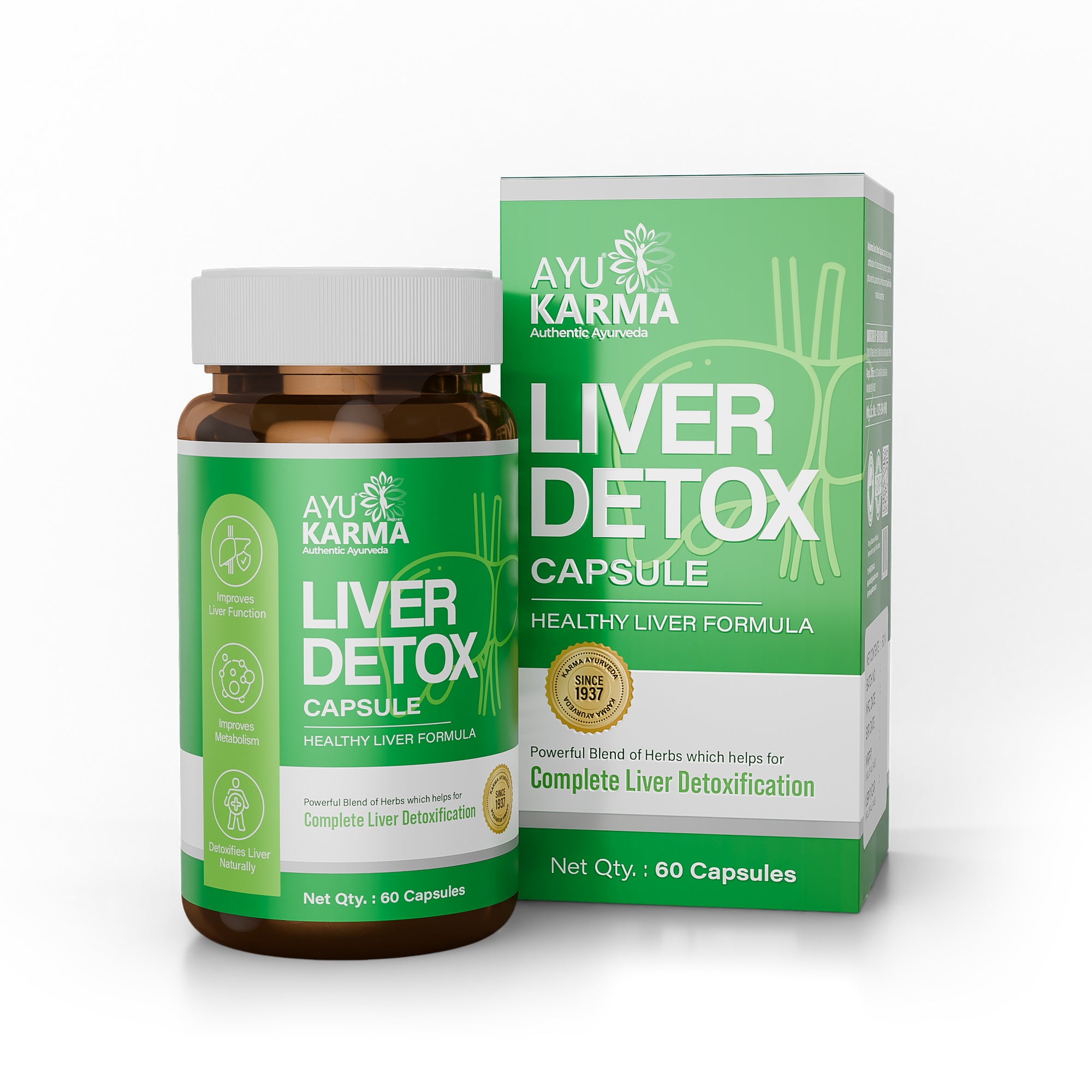
Doctor-recommended liver supplement that helps detoxify the liver, support healthy cholesterol, improve digestion & promote liver health. Developed by Dr. Puneet Dhawan with Karma Ayurveda philosophy.
Second Floor, 77, Block C, Tarun Enclave, Pitampura, New Delhi, Delhi, 110034

Certificate no- AH-2023-0186
JAN 05, 2026 - JAN 04, 2029

US FDA Reg. No.: 14568299376