Unlocking Wellness Naturally
100% Ayurvedic Treatment

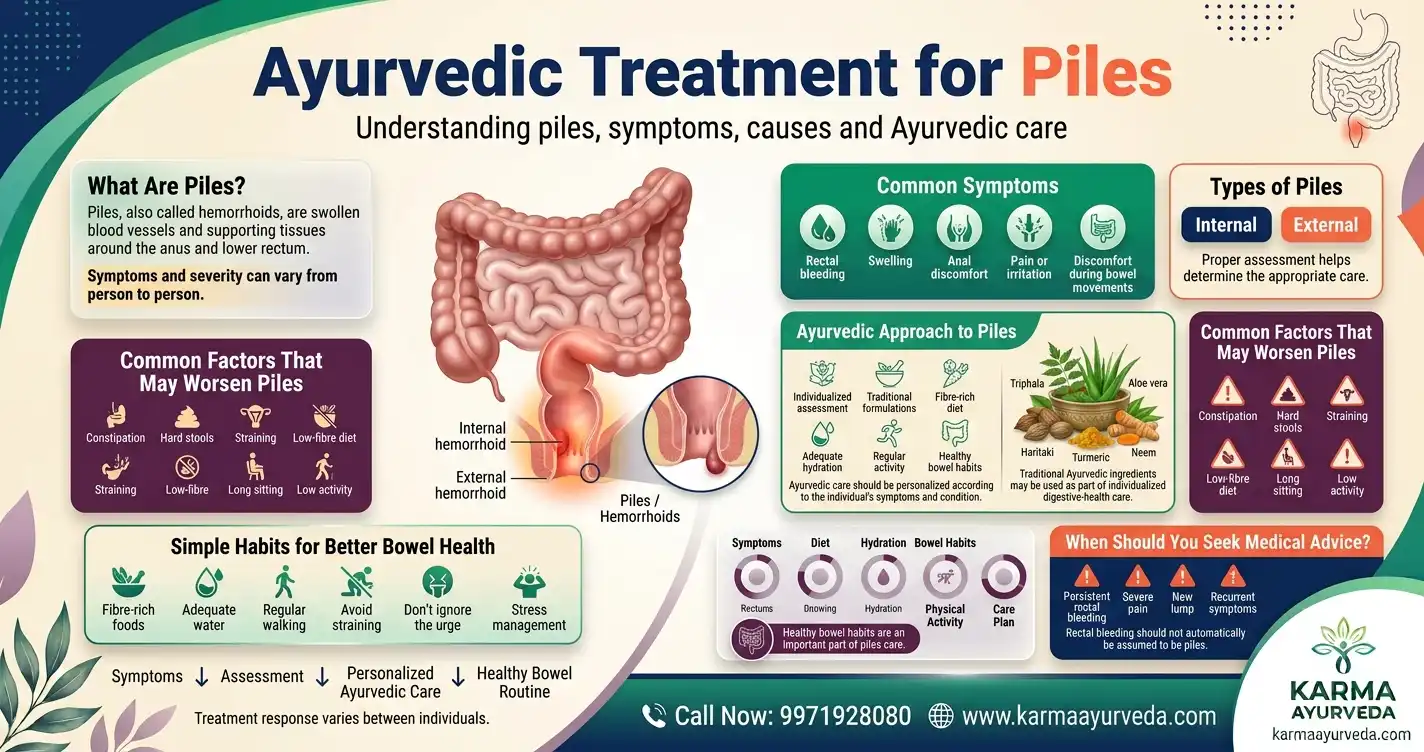
Yes, Ayurvedic treatment for piles can be considered as part of a broader approach to managing hemorrhoids, especially when treatment focuses on bowel habits, diet, lifestyle and individualized care. The important bit? Not every case needs an elaborate treatment plan; sometimes your bathroom habits need more attention than your medicine cabinet does.
Piles, medically called hemorrhoids, are swollen blood vessels and supporting tissues around the lower rectum and anus. They may be internal or external and can cause symptoms such as:
Constipation, hard stools, repeated straining and spending too long on the toilet can all contribute to the problem. And yes, scrolling through your phone for 25 minutes while sitting on the toilet isn't exactly helping.
The 2024 clinical practice guideline from the American Society of Colon and Rectal Surgeons recommends dietary and behavioral changes as first-line management, particularly increasing fiber and improving bowel habits.
Traditional Ayurveda describes hemorrhoidal problems under the term Arsha. Its approach generally looks beyond the immediate discomfort and pays attention to digestion, bowel regularity, diet and daily routine.
That makes Piles treatment in Ayurveda more of a whole-routine conversation than simply, “Take this tablet and forget about it.”
Depending on the individual's symptoms and diagnosis, an Ayurvedic practitioner may consider:
The exact approach matters because hemorrhoids aren't all the same. A mild case with occasional bleeding is very different from a prolapsing or thrombosed condition.
The phrase Ayurvedic medicine for piles is searched frequently, but there is no single medicine that is right for everyone.
Ayurvedic formulations traditionally used for anorectal complaints may include ingredients or combinations such as Haritaki, Triphala, Neem, Kutaja and other herbs. However, the right formulation, dose and duration should depend on the person's symptoms, medical history and the type and grade of hemorrhoid.
This is particularly important when there is rectal bleeding. Bleeding should not automatically be blamed on hemorrhoids because conditions such as anal fissures, inflammatory bowel disease and colorectal problems can also cause it.
So, rather than hunting for the best medicines for piles on the internet at midnight, getting the cause checked first is the smarter move.
A practical approach may involve four broad areas:
A fiber-rich diet can help make stools softer and easier to pass. Fruits, vegetables, whole grains, legumes and other fiber-containing foods can be useful depending on individual tolerance.
The goal isn't to turn every meal into a bowl of bran. A gradual increase is usually more comfortable.
Adequate fluid intake supports softer stools, although individual fluid needs vary.
Avoid unnecessary straining and don't sit on the toilet longer than needed.
Your toilet is a bathroom, not a reading lounge.
Depending on severity, an Ayurvedic practitioner may recommend oral formulations or local therapies. Some cases may require a procedure rather than medicines alone.
That is why Ayurvedic medicines for piles should ideally be selected professionally rather than based purely on a product label.
There is encouraging research around some Ayurvedic approaches, but it is important not to oversell the evidence.
A 2010 comparative study published in the International Journal of Ayurveda Research evaluated Kshar Sutra ligation against rubber-band ligation in 20 people with grade II and III internal hemorrhoids. The study found differences in pain, recovery and treatment outcomes, but its very small sample means the findings should be interpreted cautiously.
Another clinical study published in AYU in 2017 compared Apamarga Kshara application, infrared coagulation and Arshohara Vati in 30 people with first- and second-degree hemorrhoids. The researchers reported encouraging outcomes, although the study was small and open-label.
A 2014 clinical report involving Ksharasutra treatment included 44 hemorrhoid cases among 127 anorectal cases and reported symptom improvement during six months of follow-up. Again, this was a clinical report rather than a large randomized controlled trial.
So, what is the takeaway? Ayurveda has areas worth studying, but “natural” should never be treated as a synonym for “proven for everyone.”
Here is one point where modern research is particularly useful.
A systematic review and meta-analysis published in the American Journal of Gastroenterology examined seven randomized trials involving 378 participants. Fiber reduced the risk of persistent symptoms and bleeding compared with non-fiber treatment.
The 2024 ASCRS guideline similarly recommends fiber and appropriate fluid intake as first-line measures and advises avoiding straining and prolonged toilet sitting.
In other words, your grandmother's advice about eating better and not ignoring constipation may have been onto something.
Approach: Fiber & fluids
Where it may fit: Mild symptoms
The sensible bit: Boring, but evidence-backed
Approach: Topical treatments
Where it may fit: Temporary symptom relief
The sensible bit: Choose appropriately
Approach: Ayurvedic medicine for piles
Where it may fit: Individualized care
The sensible bit: Professional guidance matters
Approach: Kshara-based procedures
Where it may fit: Selected internal cases
The sensible bit: Requires trained supervision
Approach: Surgery/procedures
Where it may fit: Advanced or persistent disease
The sensible bit: Sometimes the most practical option
There isn't one universally best medicines for piles list because treatment depends on the grade, symptoms and underlying cause.
When considering Ayurvedic medicines for piles, look for products from reputable manufacturers and, ideally, recommendations from a qualified practitioner.
Avoid assuming that taking several herbal products together will speed things up. More bottles on the shelf don't automatically mean more healing.
If you are already taking prescription medicines, have a chronic condition, are pregnant, or are experiencing significant bleeding, discuss any herbal treatment with an appropriate healthcare professional first.
For people specifically seeking Piles treatment in Ayurveda, a proper assessment can help determine whether conservative care, medicines or a procedure is appropriate.
At Karma Ayurveda Hospital, Ayurvedic care may be discussed in the context of an individualized assessment rather than treating every person with the same formula.
Don't try to self-treat indefinitely if you notice:
Rectal bleeding deserves attention because hemorrhoids aren't the only possible cause.
A few simple habits can make a surprisingly big difference:
Warm sitz baths are commonly recommended for comfort, although evidence for their effectiveness is limited.
And please don't make the water ridiculously hot. Your backside has suffered enough.
Not always.
Milder hemorrhoids may improve with dietary, behavioral and medical measures. Some internal hemorrhoids may require office-based procedures, while advanced or persistent cases can need surgery.
Ayurveda includes procedural approaches such as Kshara-based techniques, but these should only be performed by appropriately trained professionals after proper diagnosis.
The goal should be the right treatment for the right condition, not winning a competition between “natural” and “modern” medicine.
If you're exploring Ayurvedic care for anorectal concerns, Dr. Puneet Dhawan is associated with Karma Ayurveda's educational and clinical content. However, treatment decisions should always be based on an individual's examination, symptoms and medical needs rather than a general online recommendation.
Ayurvedic treatment for piles can involve much more than taking an herbal formulation. Diet, fiber, hydration, bowel habits, lifestyle and appropriately selected therapies can all have a role.
At the same time, evidence varies between Ayurvedic treatments, and not every product marketed as the best medicines for piles has strong clinical evidence behind it.
The most sensible approach is simple: identify what is actually causing the symptoms, address constipation and straining, choose treatment according to severity, and get persistent or unusual bleeding checked instead of hoping it will politely disappear.
Some cases can improve substantially with appropriate treatment and lifestyle changes, but recurrence and treatment outcomes vary by severity and type.
There is no single Ayurvedic medicine for piles that is best for everyone, so selection should follow a proper assessment.
Yes, many mild cases improve with fiber, fluids, better bowel habits and appropriate medical care.
It can be appropriate when supervised by a qualified practitioner, but herbal products and procedures are not automatically risk-free.
It varies widely; from days or weeks for mild symptoms to longer treatment or procedures for advanced cases.
This article is for general educational purposes and should not replace diagnosis or treatment from a qualified healthcare professional. Rectal bleeding can have several causes, so persistent, severe or unexplained symptoms should be evaluated medically before starting any treatment, including Ayurvedic medicines.
Continue using AI Cursor?Keep it onTurn Off
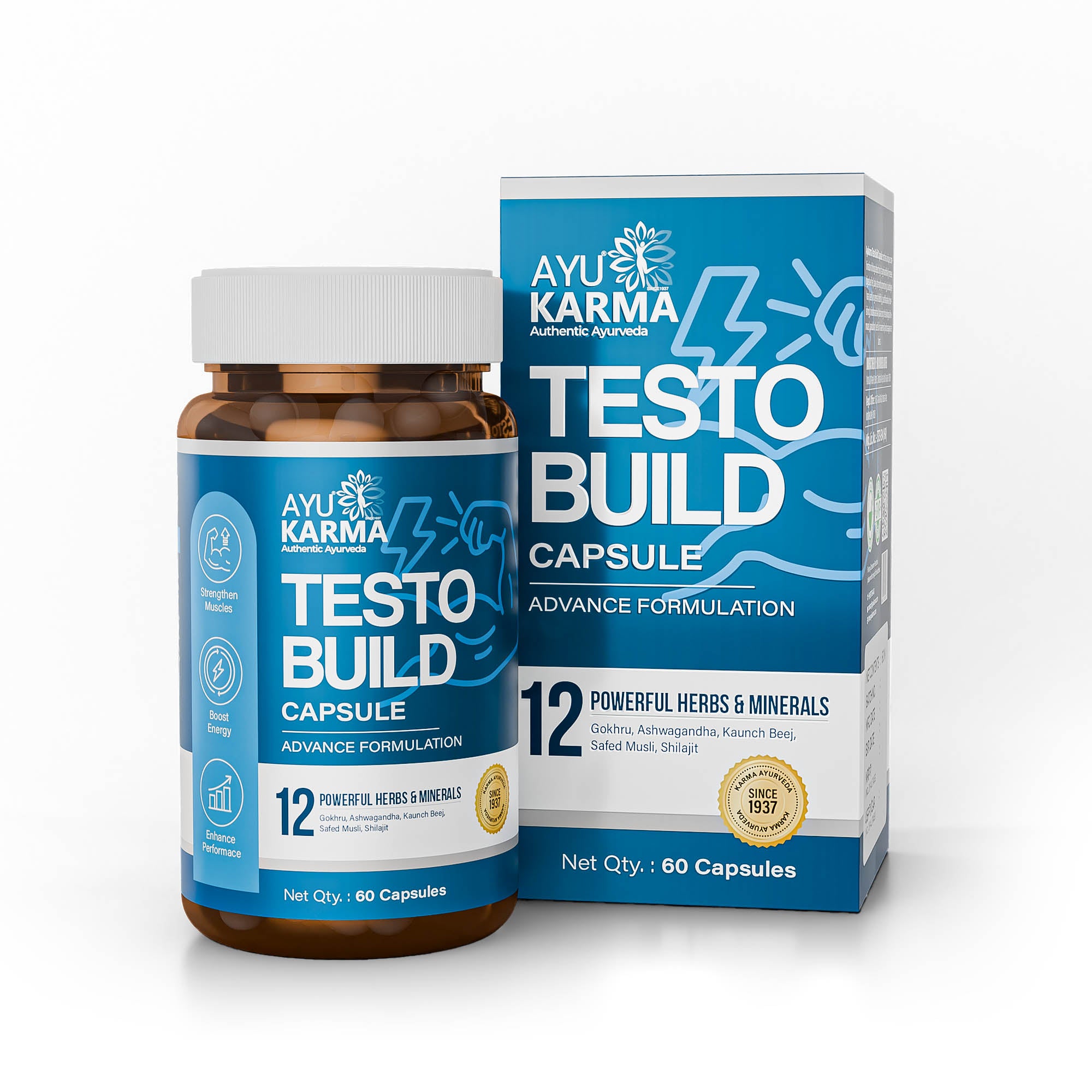
AyuKarma Testo Build Capsules combine 12 Ayurvedic herbs and minerals to support strength, energy, stamina, physical performance, nourishment and overall daily vitality.
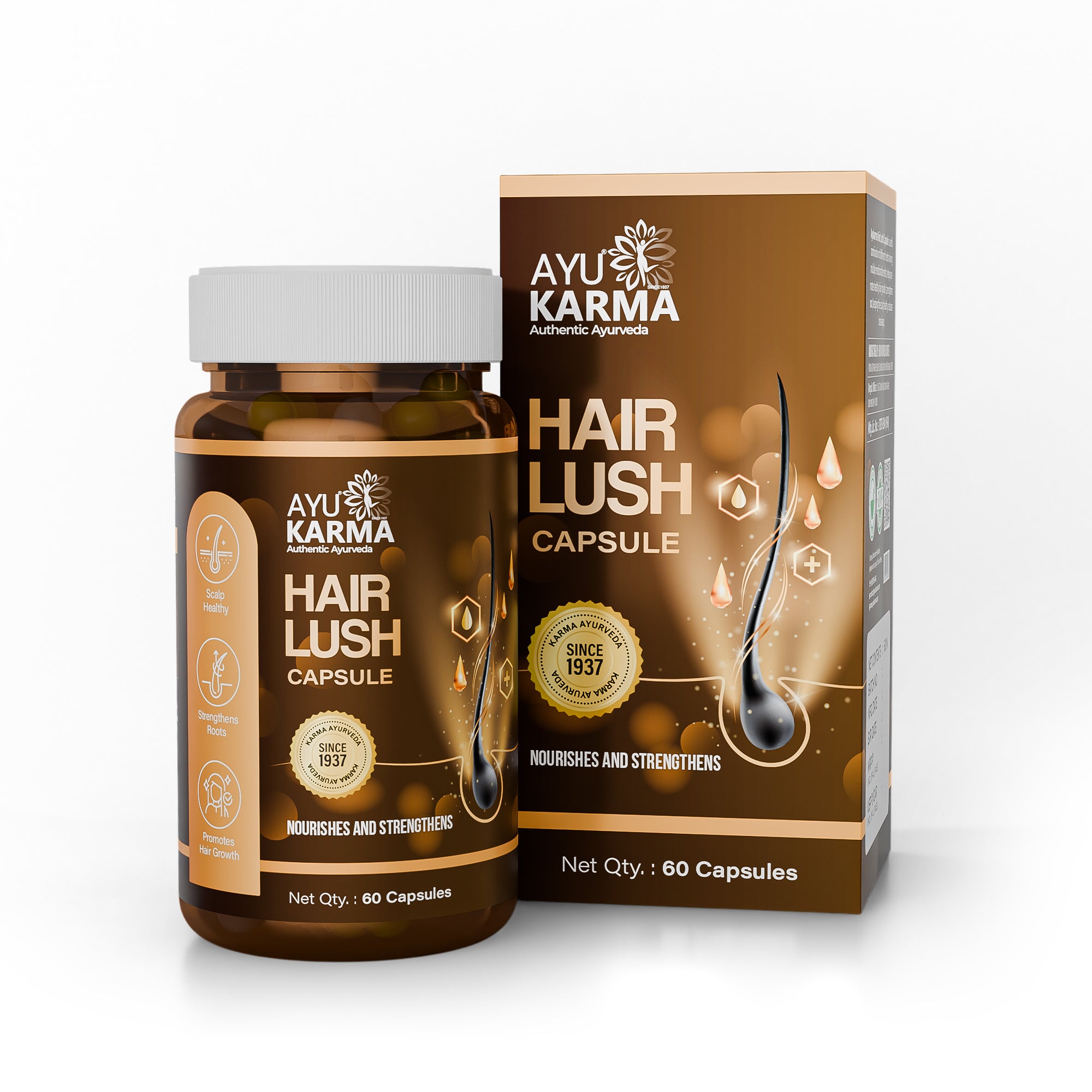
AyuKarma Hair Lush Capsules combine Ayurvedic herbs to support hair growth, reduce hair fall, strengthen roots, nourish the scalp and promote healthier-looking hair.
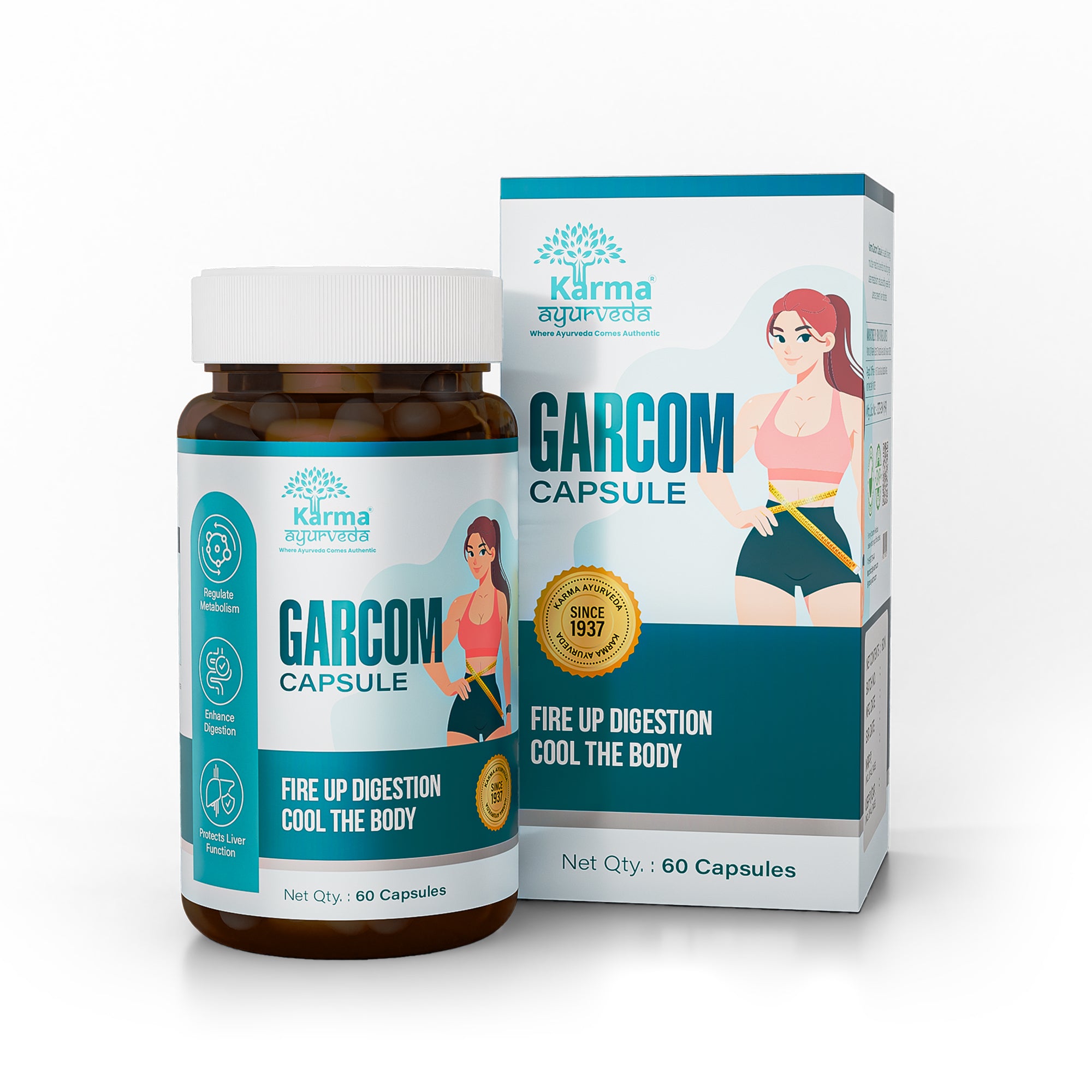
Karma Garcom Capsules contain Garcinia indica to support healthy metabolism, digestion, weight management, digestive comfort and daily wellness alongside a balanced lifestyle.
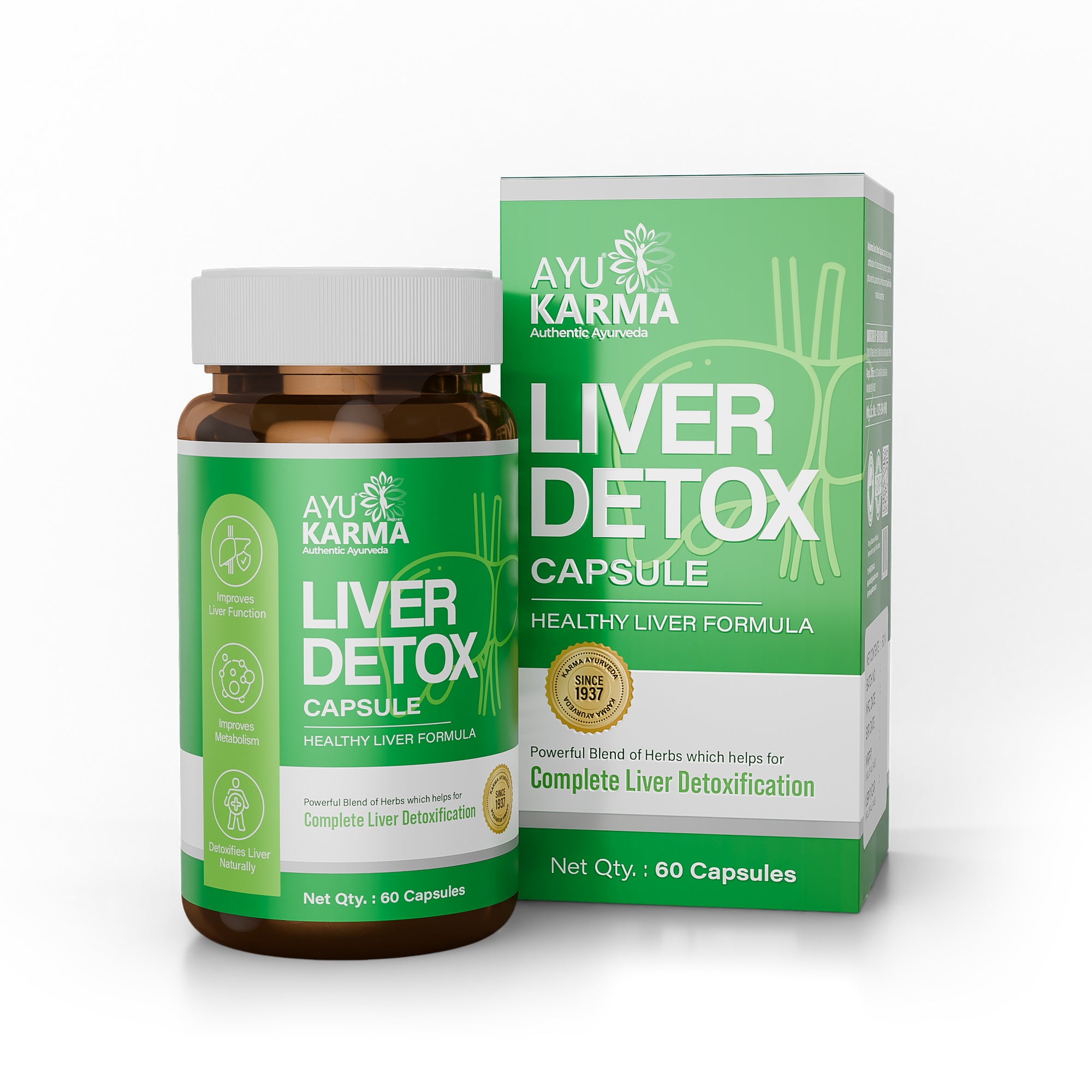
Doctor-recommended liver supplement that helps detoxify the liver, support healthy cholesterol, improve digestion & promote liver health. Developed by Dr. Puneet Dhawan with Karma Ayurveda philosophy.
Second Floor, 77, Block C, Tarun Enclave, Pitampura, New Delhi, Delhi, 110034

Certificate no- AH-2023-0186
JAN 05, 2026 - JAN 04, 2029

US FDA Reg. No.: 14568299376