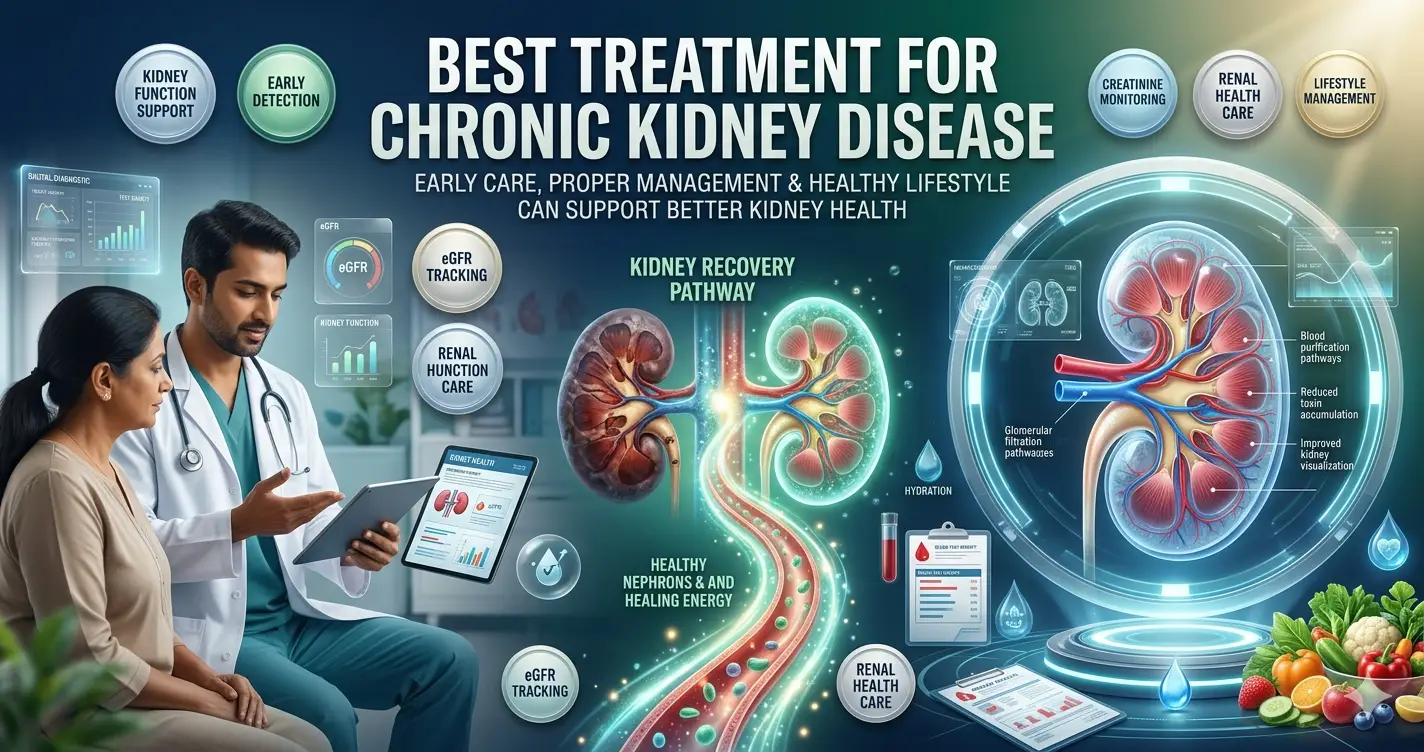
Most people never think about their kidneys until something goes wrong, and a diagnosis of chronic kidney disease (CKD) can feel overwhelming at first.
The good news is that CKD is not a death sentence. With the right lifestyle changes, medical care, and healthy habits, many people continue to live full and active lives. Think of it less as the end of normal life and more as a reminder to take better care of your body.
In this guide, we’ll explore the best treatment for chronic kidney disease and look into ways to manage CKD through simple habits, realistic advice, and a positive approach that’s easy to follow.
The trickiest thing about kidney disease is that it is a silent stalker. You can lose up to 90% of your kidney function before you feel truly sick. However, your body does drop subtle hints if you know what to look for.
If you were hoping for a magical purple pill that instantly cures CKD, I have bad news: science hasn’t invented it yet. The ayurvedic treatment for chronic kidney disease isn't a single silver bullet; it’s a team effort. You need a solid game plan coordinated by a nephrologist (a fancy word for a kidney doctor) and a renal dietitian.
The primary goal of medical treatment is to manage the "wrecking balls" that damaged your kidneys in the first place. For most people, those wrecking balls are high blood pressure and diabetes. Treating CKD means taking your prescribed blood pressure medications (like ACE inhibitors or ARBs) exactly as told, keeping your blood sugar from spiking like a roller coaster, and avoiding over-the-counter painkillers like ibuprofen, which are essentially kryptonite to fragile kidneys.

Can you magically regrow damaged kidney tissue by chanting under a full moon? Sadly, no. But you can maximize the performance of the healthy kidney working parts you have left. Think of it like tuning up an old car engine so it runs smoothly on three cylinders instead of four.
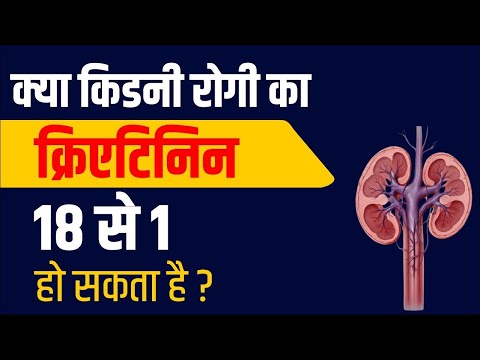
Here is the honest, no-nonsense truth: true chronic kidney damage cannot be reversed. Once the delicate filtering units (nephrons) are scarred over, they don't bounce back. They have officially retired to a tropical island in your mind.
However, do not let that depress you! While you can’t reverse the past, you can absolutely freeze it in its tracks. Many people live for decades in the early stages of CKD without ever progressing to kidney failure. The goal isn't to build a time machine; it’s to build a fortress around your remaining kidney function so it stays safe and sound.
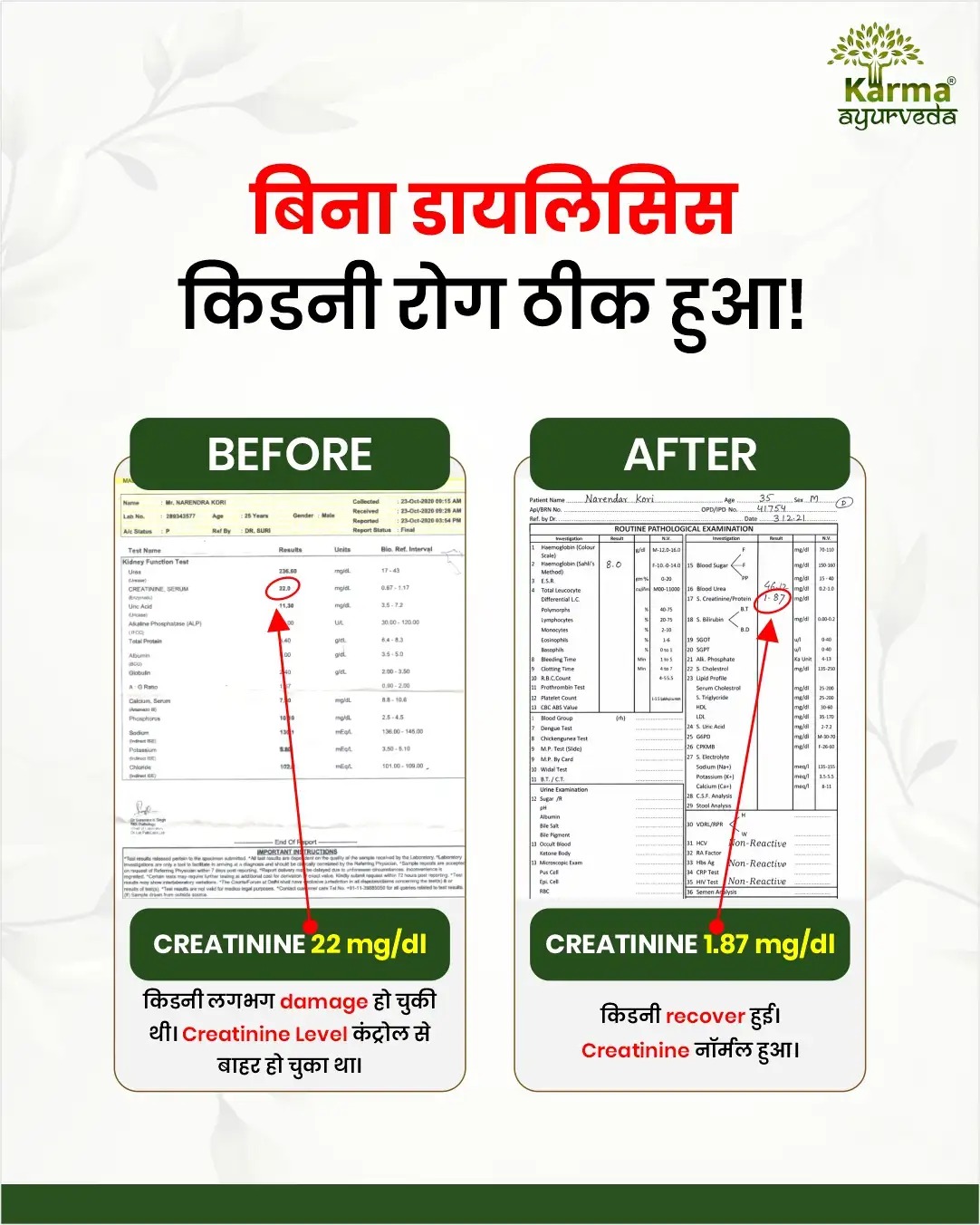
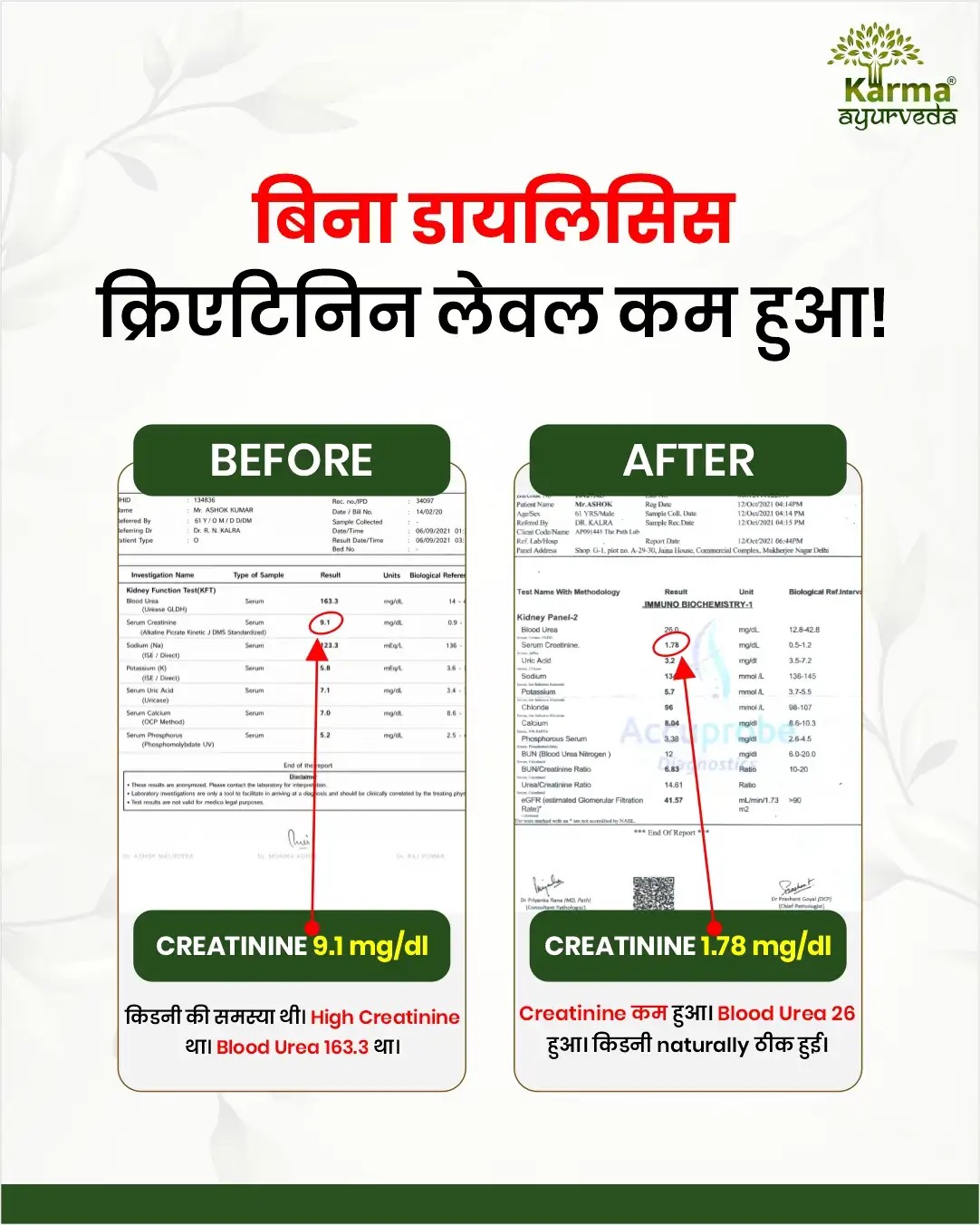
Eating with CKD can feel like navigating a minefield blindly. One day bananas are your best friend, and the next day your dietitian looks at a banana like it's a live grenade. Because your kidneys can no longer filter out waste efficiently, you have to be careful about what you put into the system.
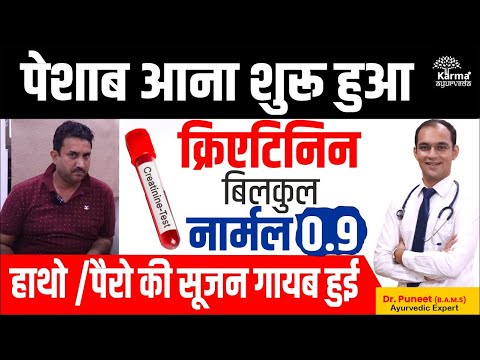
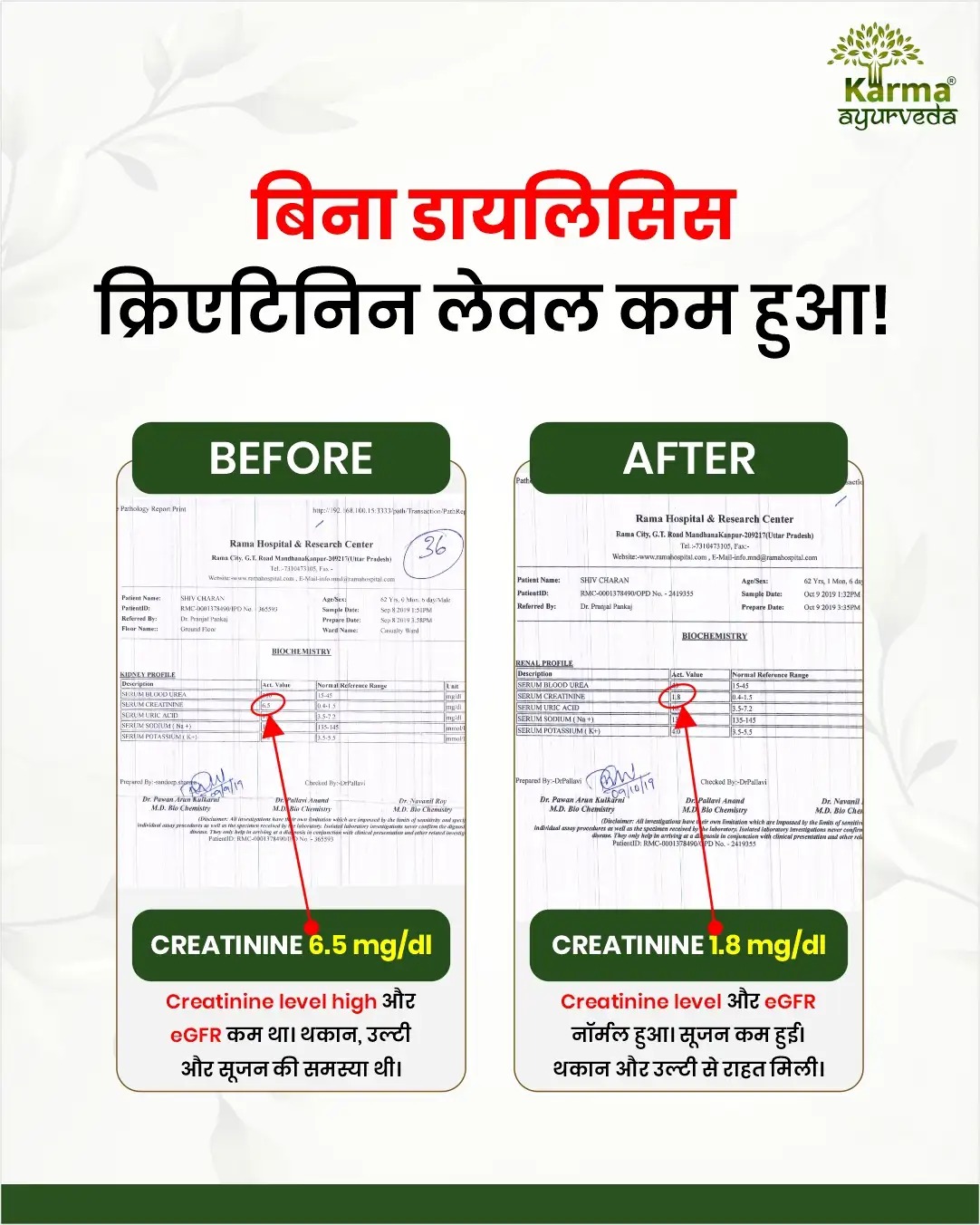
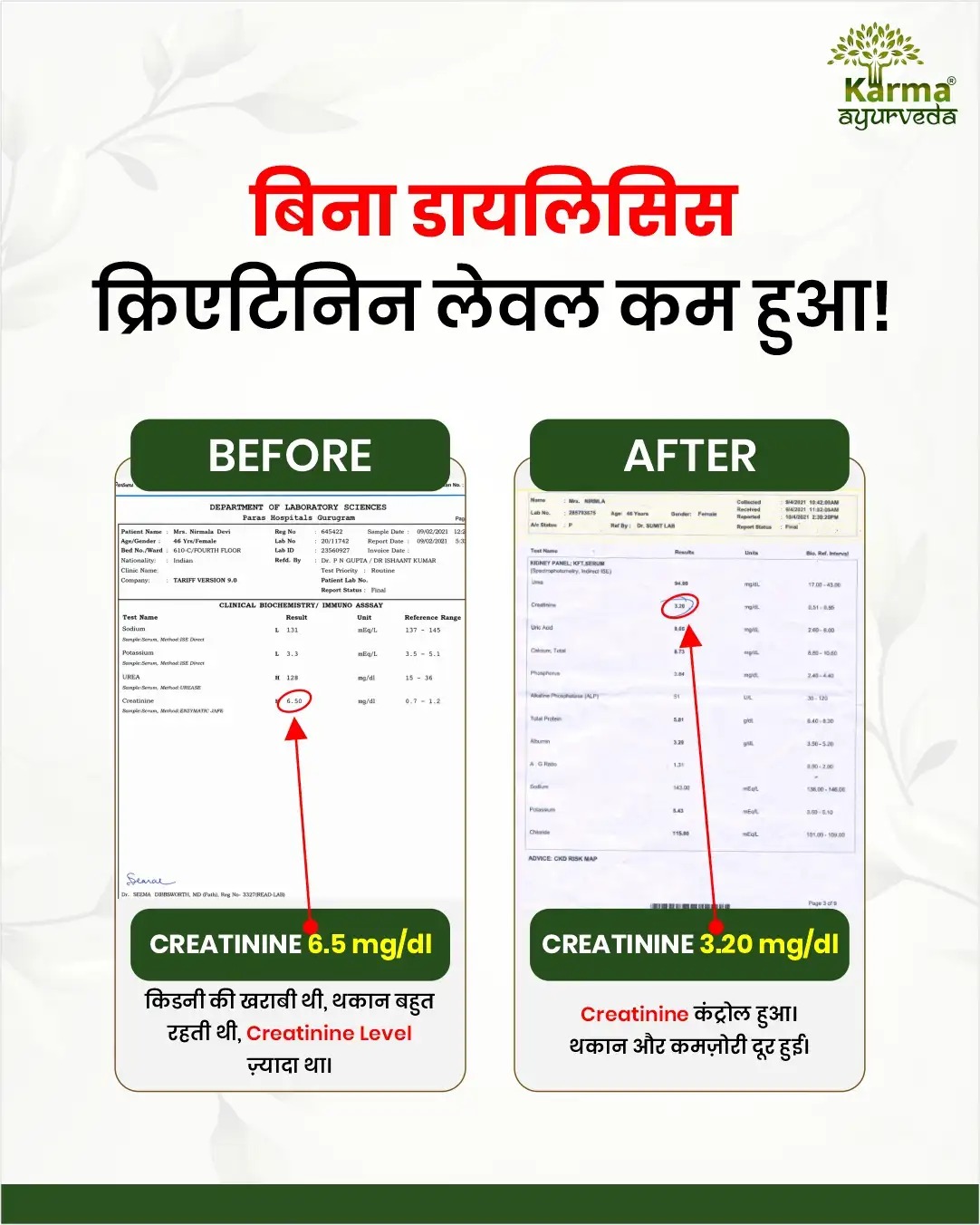
Creatinine is a waste product created by normal muscle breakdown. When your kidneys are slacking off, creatinine builds up in your blood like unread emails in your inbox. While you can't just wish it away, you can lower the amount of waste your body produces.
First, cut back on heavy red meat consumption, as cooking meat converts its creatine into creatinine. Second, avoid intense, muscle-shredding weightlifting workouts that create massive amounts of muscle waste; stick to moderate resistance and cardio instead. Lastly, stay properly hydrated, because dehydration artificially inflates your creatinine numbers on a blood test, making things look scarier than they actually are.
Preventing kidney failure comes down to being a proactive manager of your own health. You cannot afford to be passive.
CKD treatment without dialysis can feel overwhelming, but remember that knowledge is your best defense. You are not helpless in this fight. By making smart adjustments to your diet, working closely with your healthcare team, keeping your blood pressure under wraps, and maintaining a positive attitude, you can stay firmly in the driver's seat. Treat your kidneys with kindness, respect their limits, and they will keep working hard for you for years to come. You've got this!
Disclaimer: This information is for educational purposes only and should not replace professional medical advice or treatment. Always consult an expert for curated and informed guidance.
The best CKD treatment usually includes medications, a kidney-friendly diet, and lifestyle changes to slow further damage.
Yes, many people manage CKD for years without dialysis through proper treatment and healthy habits.
Newer CKD treatments focus on medications that help protect kidney function and reduce complications.
Controlling blood pressure, managing diabetes, eating healthy, and following your doctor’s advice can help slow CKD progression.
Fresh fruits, vegetables, whole grains, and low-sodium foods can help support kidney health in CKD.
Second Floor, 77, Block C, Tarun Enclave, Pitampura, New Delhi, Delhi, 110034