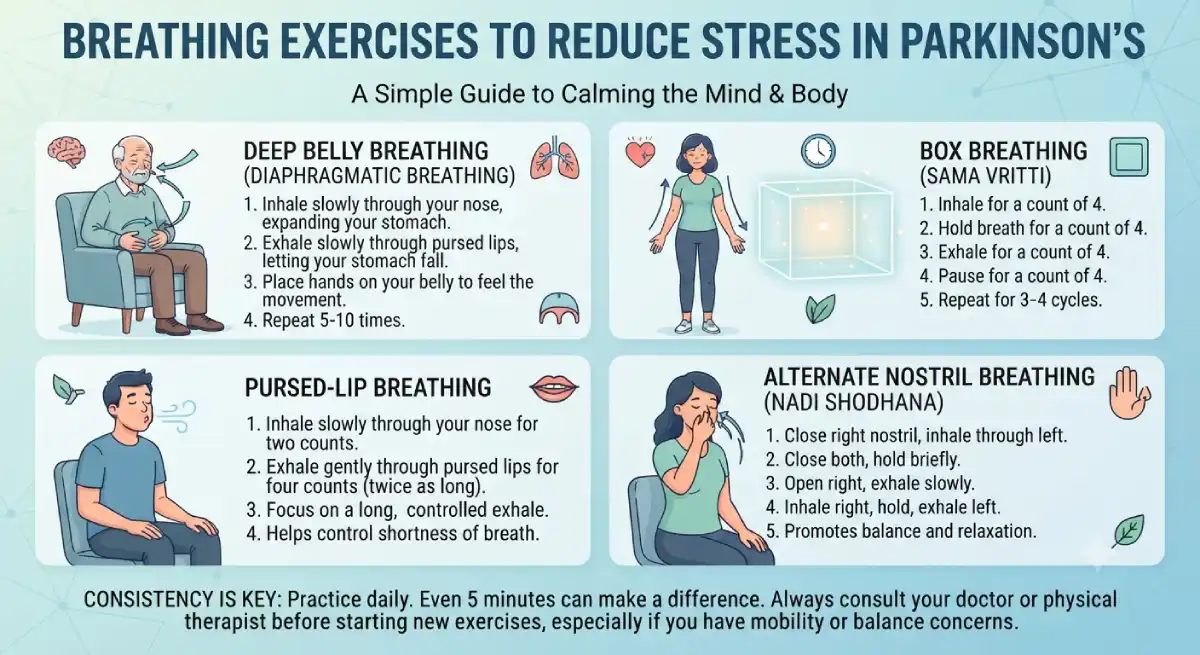
Breathing Exercises to Reduce Stress in Parkinsons
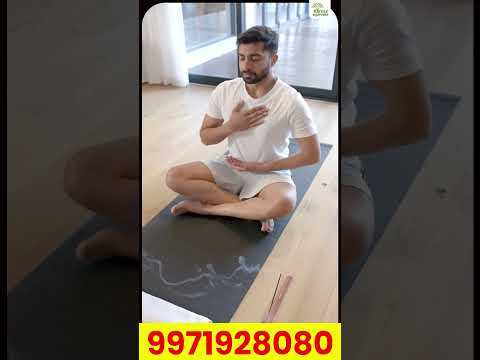
Does breathing exercise help to get rid of stress when living with this disease? Yes. Breathing exercise helps to remove the stress from people with Parkinsons. Even five minutes of this exercise per day can make some positive impact on the overall well-being of such people.
You should understand that it is a stress button which has always been available to you, but you had no idea about that until now. In this post, you will learn how to press this button without any tedious explanations.
First of all, What is Parkinson's (and why does stress love it)?
A quick reminder on Parkinson's: a progressive neurological disorder that causes the dopamine-making cells to die, impacting your movement, mood, and sleep. Stress is definitely the unwelcome guest in this condition because it turns a mild tremor into a loud one and makes rigid muscles even more rigid, which is quite rude.
Ways of Breathing to Reduce Stress and Improve Health
In addition, breathing techniques will help to relax the body and relieve stress. The research published by Zaccaro et al. (2018, Frontiers in Human Neuroscience) indicates that this technique can promote relaxation and lower anxiety. In addition, for people with Parkinson's disease, expiratory muscle training can improve the airway protection (Troche et al., 2010, Neurology) while respiratory muscle training can increase the force of the cough (Reyes et al., 2018, Clinical Rehabilitation). Hence, breathing exercises can strengthen the muscles needed for proper breathing and reduce stress.
Three Easy Tips
- Breathing through your belly: Put your hand on the stomach. Breathe in for four beats, letting the belly rise, and breathe out for six beats.
- Pursed-lip breathing: Sip the air through your nose, then blow it out like when you cool the soup.
- Box breathing: Inhale for four seconds, hold the breath for four seconds, exhale for four seconds, hold your breath for four seconds. Skip the holding part if you feel dizzy.
Hum on the exhale. Bees do it daily and seem very calm.
Try to sit with your back supported, preferably while taking medication.
| Technique | Best For | Honest Note |
|---|---|---|
| Belly breathing | Everyday calm | The beginner-friendly one |
| Pursed-lip | Breathlessness | Soup optional |
| Box breathing | Pre-appointment nerves | Feels fancy, isn't |
| Humming | Tension in the chest | May confuse the cat |
How Does Natural Care Fit in It?
The use of the natural Parkinson's disease treatment in conjunction with regular medication is a very common practice, and breathwork is quite popular in this area. In Ayurvedic philosophy, the practice of pranayama (yogic breathing) goes Hand-in-hand with proper diet, routine and herbs. Practitioners such as Dr. Puneet Dhawan speak about treating the whole person, not only the tremors.
What Ayurvedic treatment for Parkinson's typically involves?
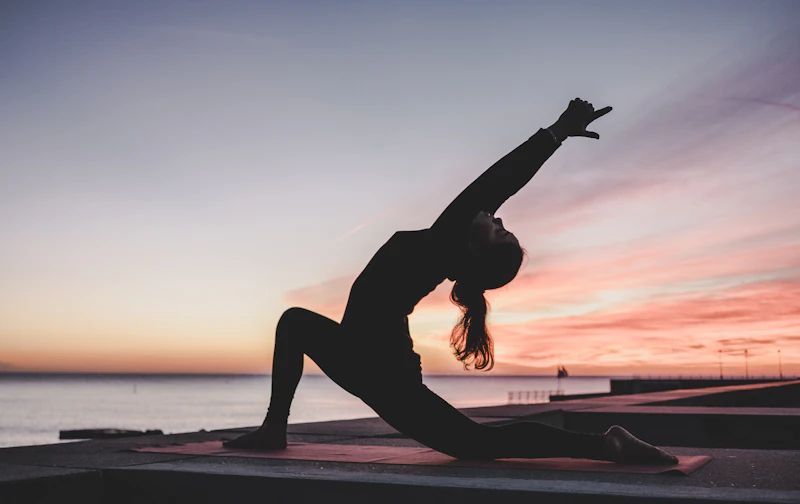
- Daily pranayama and gentle movement
- Warm, simple, and easy-to-digest food
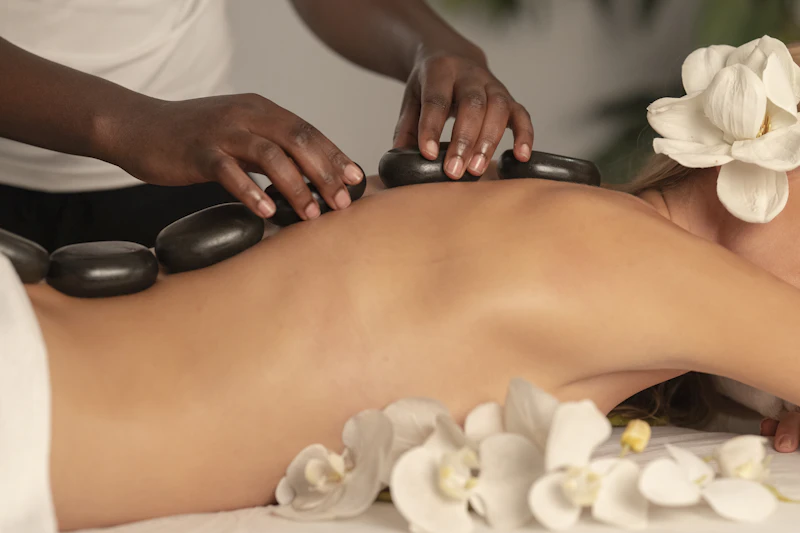
- Oil massage and proper sleep schedule
- Herbaria chosen individually
If people are asked about the best herbs for Parkinson's disease treatment using Ayurveda, then Mucuna pruriens (kapikacchu) is the first in the list. One of the studies performed by Katzenschlager and colleagues in 2004 on Journal of Neurology, Neurosurgery & Psychiatry investigatedMucuna seed powder in a small sample and noticed a faster beginning of the effects in comparison to levodopa. However, as this is a very small trial, it raises curiosity, and it is important not to self-medicate because herbs can interact with the medicines.
Making it a Habit
Choose an anchor moment: morning tea time or before going to sleep.
- Begin with two minutes. Yes, two minutes.
- Use your timer or give a call to yourself.
Be kind to yourself when you forget something. Everybody makes mistakes and forgets things from time to time.
Conclusion
Breathing won't help to treat anything, but it will allow you to relax. Karma Ayurveda provides such an approach to Parkinson's disease treatment. Usually, patients want to know what is the best Ayurvedic treatment for Parkinson or what are the best Ayurvedic medicines for Parkinson. The honest answer is that it depends on you, so it is better to consult with both your neurologist and Ayurvedic doctor. And take a deep breath.
Conclusion
- Slow breathing can calm down your nervous system and decrease stress tremor and tension.
- The use of such types of breathing as belly, pursed-lip, box and humming can become the starting point.
- Support of breathing muscles training in PD exists, but additional researches are needed.
- Always coordinate Ayurvedic and herbal products with your doctor.
- Two minutes a day is better than one hour once a month.
FAQs
Do breathing exercises help with stress in Parkinson's?
Yes, slow breathing calms your body's alarm system, which often eases stress and tension.
How long should I practice each day?
Start with two to five minutes, then add more when it feels comfortable.
Can breathing exercises stop tremors?
Not completely, but calmer breathing can make stress-triggered tremors feel quieter.
Is Mucuna pruriens safe to take on my own?
Nope, it acts like levodopa, so check with your doctor first.
When is the best time to practice?
During your "on" time, when medication is working and you feel your best.
Disclaimer
This blog is for general information only and is not medical advice. Please consult your neurologist or qualified healthcare provider before starting any breathing practice, herb or treatment, especially alongside prescribed medication. Individual results vary.