Unlocking Wellness Naturally
100% Ayurvedic Treatment
Let’s talk about Parkinson’s; but without making it feel like a heavy medical lecture. Because honestly, when your body is already acting like it forgot the Wi-Fi password, the last thing you need is complicated jargon.
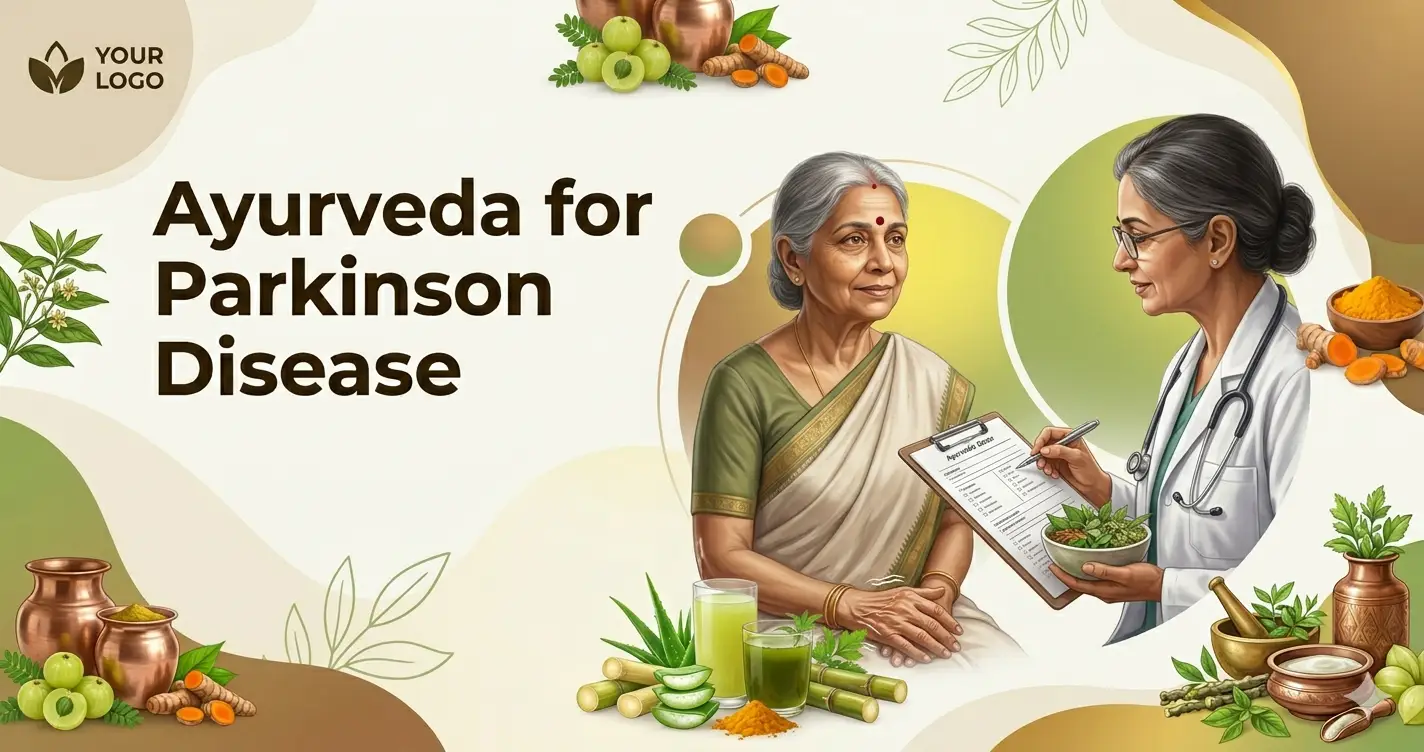
Parkinson’s disease can feel frustrating. The tremors, stiffness, slow movements; it’s like your body is running on “low battery mode” all day. While modern medicine focuses on managing symptoms, many people today are exploring Ayurvedic treatment for Parkinson’s disease to support their overall health in a more natural and holistic way.
So, let’s break this down in a simple, human way.
Parkinson’s is a neurological condition that mainly affects movement. It happens when certain brain cells stop producing enough dopamine, which helps control smooth and coordinated movements.
In Ayurveda, this condition is linked to “Kampavata,” which simply means an imbalance of Vata dosha. Vata controls movement and the nervous system, so when it gets disturbed, the body starts showing signs like tremors, stiffness, and slow movement.
In short, your body’s internal “control system” starts glitching a bit.
Ayurveda doesn’t just ask “What’s the symptom?” It asks “Why is this happening in the first place?”
That’s why Ayurveda for neurological disorders focuses on calming Vata, improving digestion, and nourishing the brain and nerves.
It’s less about fighting the disease and more about supporting the body; like helping a tired friend instead of yelling at them to run faster.
Let’s not sugarcoat things. Parkinson’s is a long-term condition, and Ayurveda doesn’t promise a magical overnight cure.
But what it can do is:
Think of it as teamwork; Ayurveda and modern care working together instead of competing.
Now this is where Parkinson’s disease Ayurvedic medicine becomes interesting.
Ayurveda uses a mix of herbs, therapies, and lifestyle changes to support the body.
Herbs like Ashwagandha and Brahmi are known for strengthening the nervous system and calming the mind. Then there’s Kapikacchu, which is quite popular in herbal treatment for Parkinson’s disease because it naturally contains L-Dopa; the same compound used in conventional treatment.
It’s like nature quietly doing what science later discovered.
Therapies like Abhyanga (oil massage) and Shirodhara (a steady flow of warm oil on the forehead) help calm the nervous system and reduce Vata imbalance. And honestly, they feel like a spa day your nervous system desperately needed.
Then comes Panchakarma, a detox process that helps remove toxins and restore balance. Not the “drink random juice for 3 days” kind of detox; but a proper, guided one.
Let’s be honest; most of us don’t think about diet until something goes wrong.
In Ayurveda, food is medicine. Especially when managing conditions like Parkinson’s.
Why? Because Vata increases with dryness and cold; and we’re trying to calm it, not make it worse.
You don’t need a complicated routine with 25 steps. Ayurveda believes in simple, consistent habits.
Gentle yoga can help improve flexibility. Pranayama (breathing exercises) supports the nervous system. And meditation; even for a few minutes; can reduce stress.
When you’re following a natural treatment for Parkinson’s, these small habits can make a surprisingly big difference.
Think of it like charging your phone regularly instead of waiting for it to die at 1%.
If you’re considering Ayurvedic treatment for Parkinson’s disease, it’s important to consult experienced professionals who understand both the condition and Ayurvedic principles.
Experts like Dr. Puneet Dhawan have worked with patients dealing with chronic conditions using a holistic approach. At Karma Ayurveda Hospital, treatments are usually personalized, combining herbs, therapies, and lifestyle guidance based on the patient’s condition.
Because your body is not a “one-size-fits-all” situation; it’s more like a custom-made system.
More and more people today are looking into Ayurveda for neurological disorders because it focuses on long-term wellness rather than just short-term relief.
And sometimes, that’s exactly what the body needs; a little balance.
If you’re expecting instant results, Ayurveda might test your patience a little. But if you’re okay with gradual, steady improvement, it can be quite rewarding.
With consistent herbal treatment for Parkinson’s disease and lifestyle changes, you may notice small but meaningful improvements over time.
And honestly, small improvements in daily life can feel like big victories.
Living with Parkinson’s is not easy, but it doesn’t mean you’re out of options. Combining modern medicine with Ayurvedic treatment for Parkinson’s disease can offer a more balanced and supportive approach.
Ayurveda focuses on the root cause, the lifestyle, and the mind; not just the symptoms. And that’s what makes it so valuable in long-term conditions.
Whether it’s through natural treatment for Parkinson’s, diet, or therapies, Ayurveda encourages you to take care of your body in a gentle, sustainable way.
Because at the end of the day, health is not just about controlling symptoms; it’s about feeling better, living better, and smiling a little more along the way.
Yes, natural treatment for Parkinson’s in Ayurveda can help manage symptoms and improve overall well-being.
Common options in Parkinson’s disease Ayurvedic medicine include Kapikacchu, Ashwagandha, and Brahmi.
Yes, Ayurveda for neurological disorders focuses on balancing the nervous system and improving quality of life.
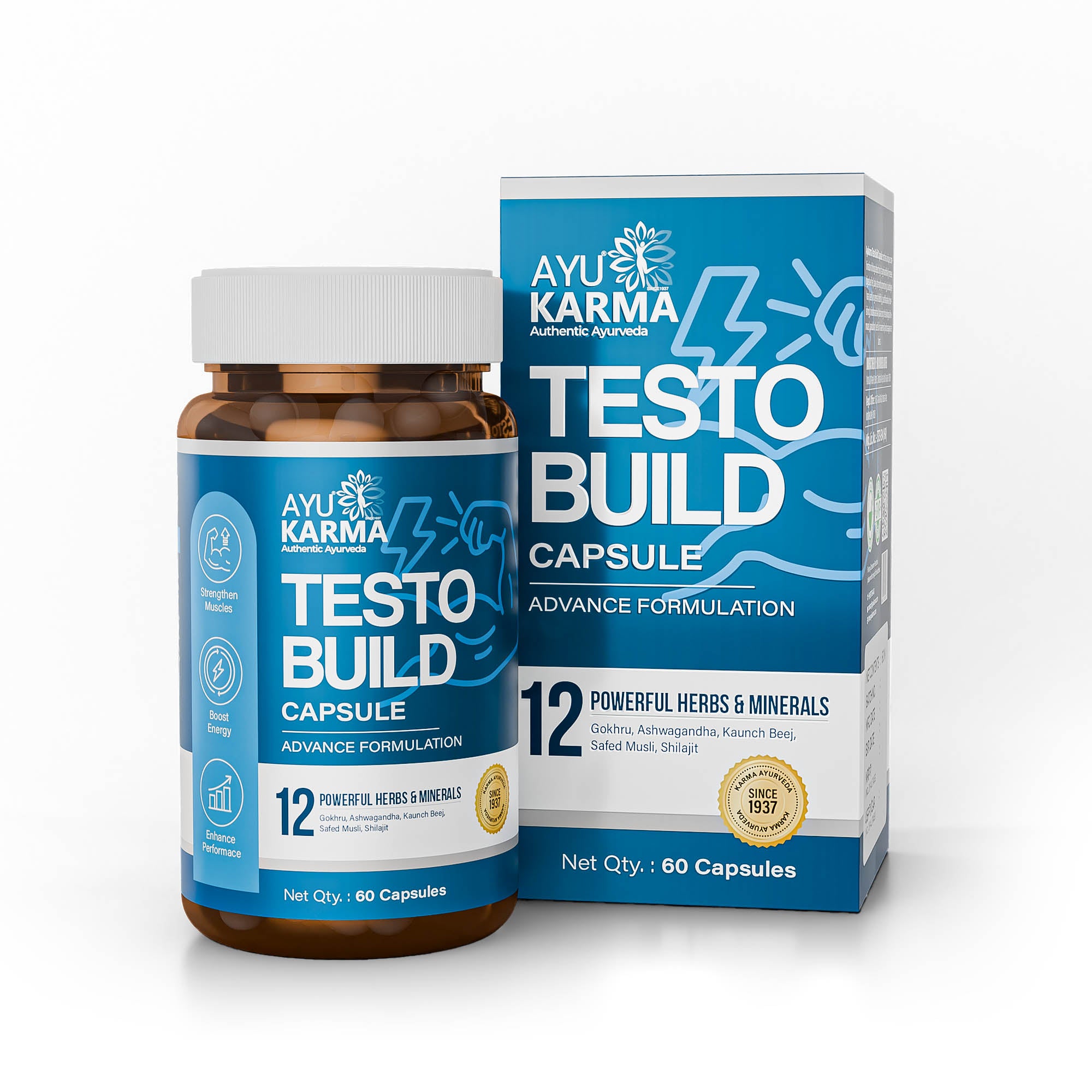
AyuKarma Testo Build Capsules combine 12 Ayurvedic herbs and minerals to support strength, energy, stamina, physical performance, nourishment and overall daily vitality.

AyuKarma Hair Lush Capsules combine Ayurvedic herbs to support hair growth, reduce hair fall, strengthen roots, nourish the scalp and promote healthier-looking hair.
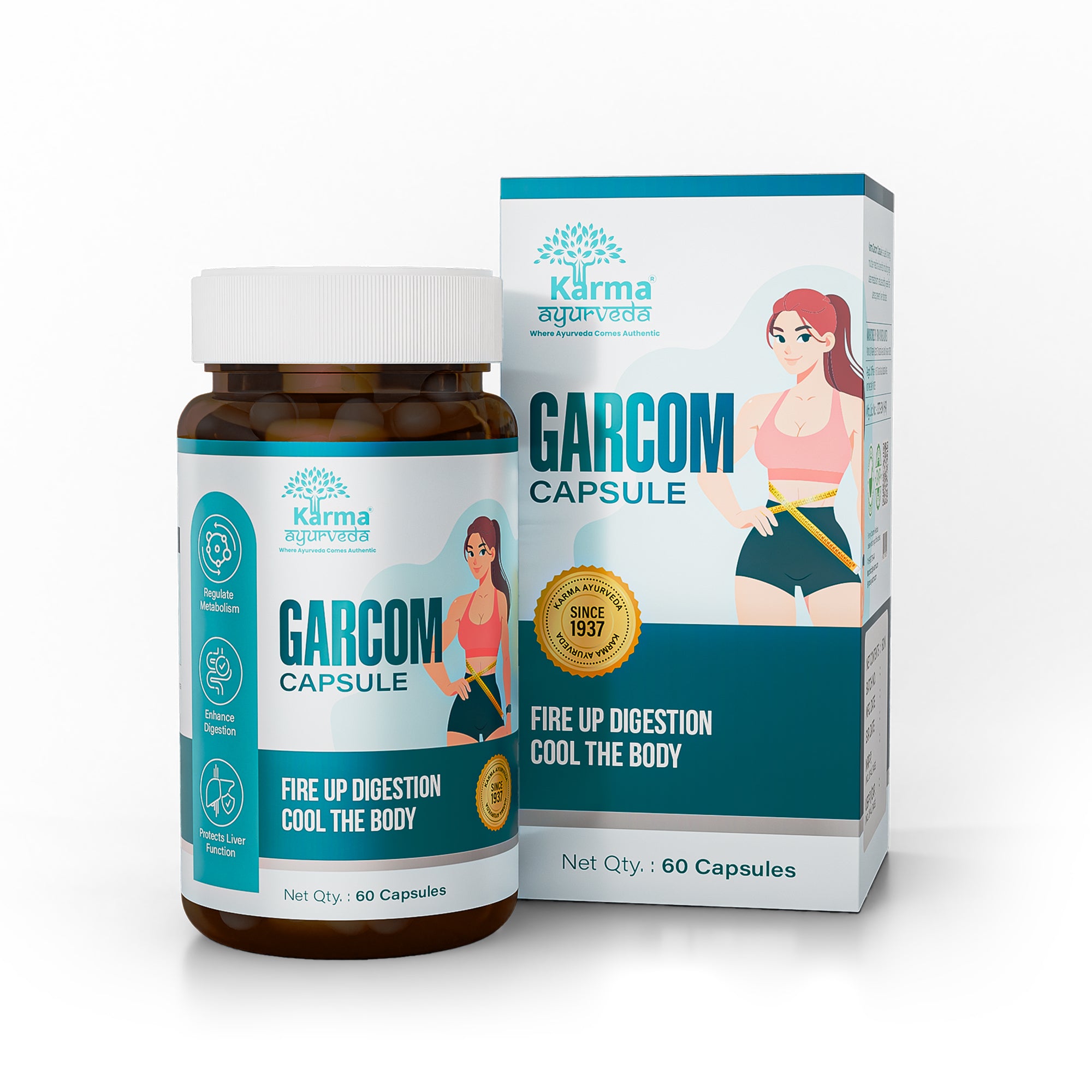
Karma Garcom Capsules contain Garcinia indica to support healthy metabolism, digestion, weight management, digestive comfort and daily wellness alongside a balanced lifestyle.
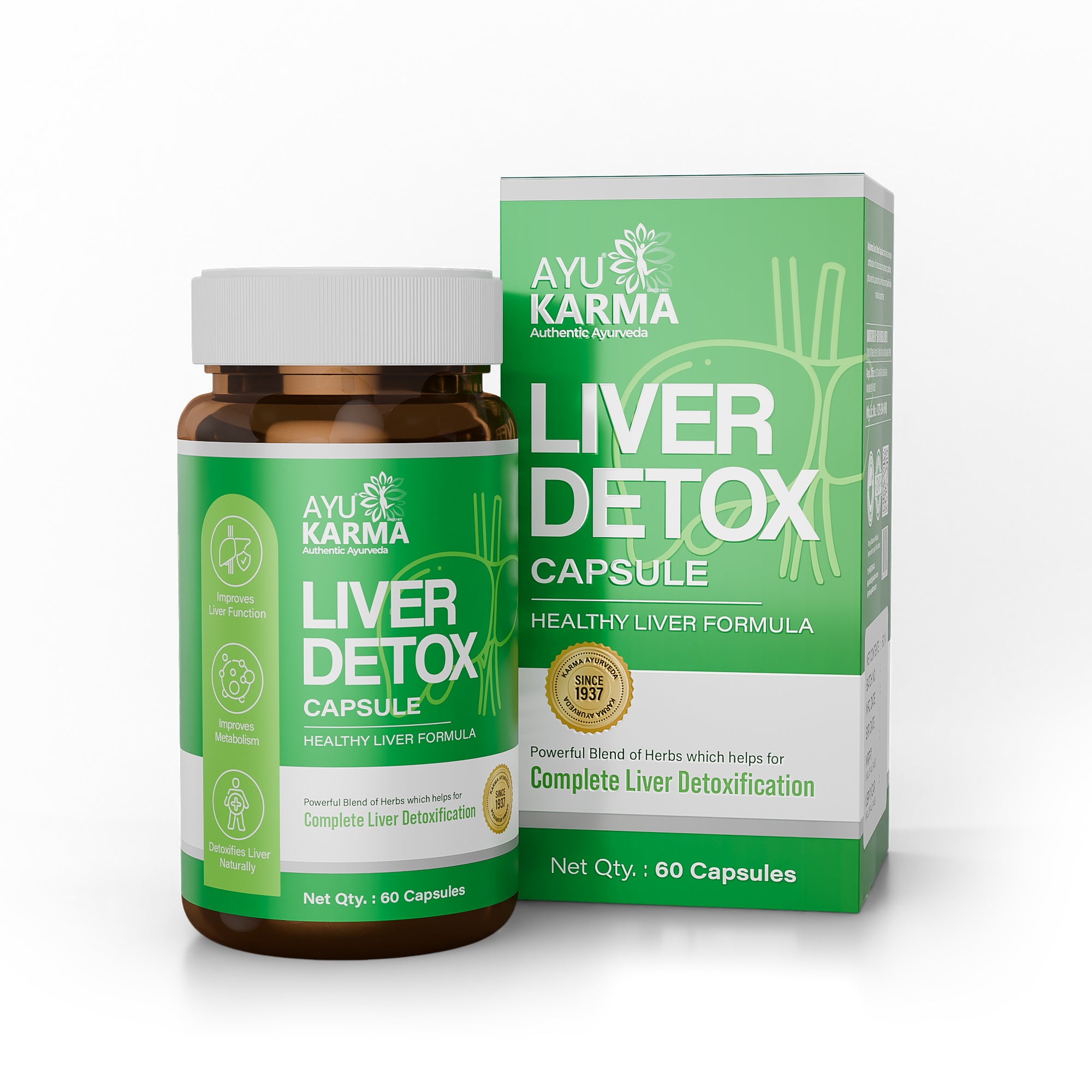
Doctor-recommended liver supplement that helps detoxify the liver, support healthy cholesterol, improve digestion & promote liver health. Developed by Dr. Puneet Dhawan with Karma Ayurveda philosophy.
Second Floor, 77, Block C, Tarun Enclave, Pitampura, New Delhi, Delhi, 110034

Certificate no- AH-2023-0186
JAN 05, 2026 - JAN 04, 2029

US FDA Reg. No.: 14568299376