
Can Ayurveda Help Reduce Creatinine?
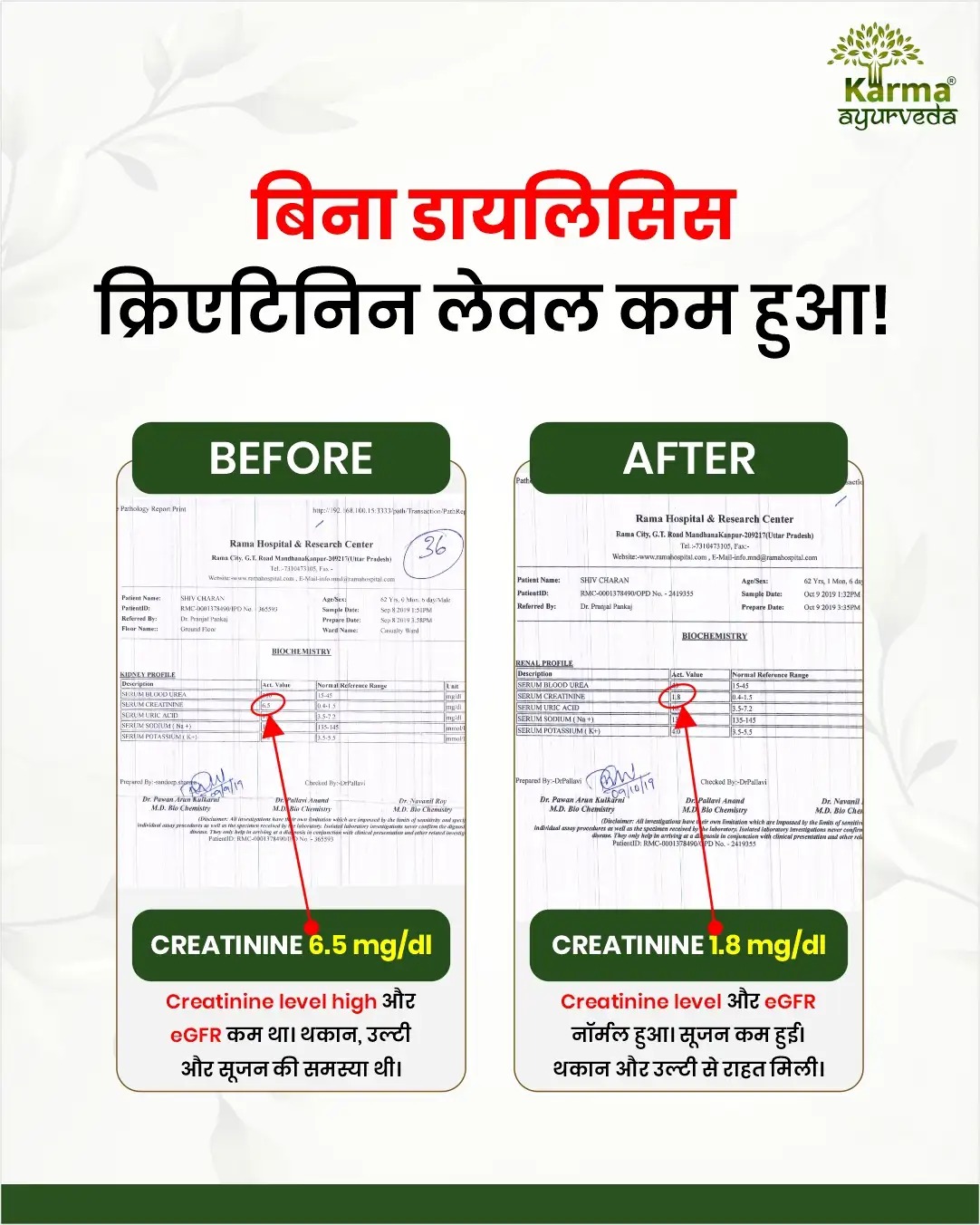
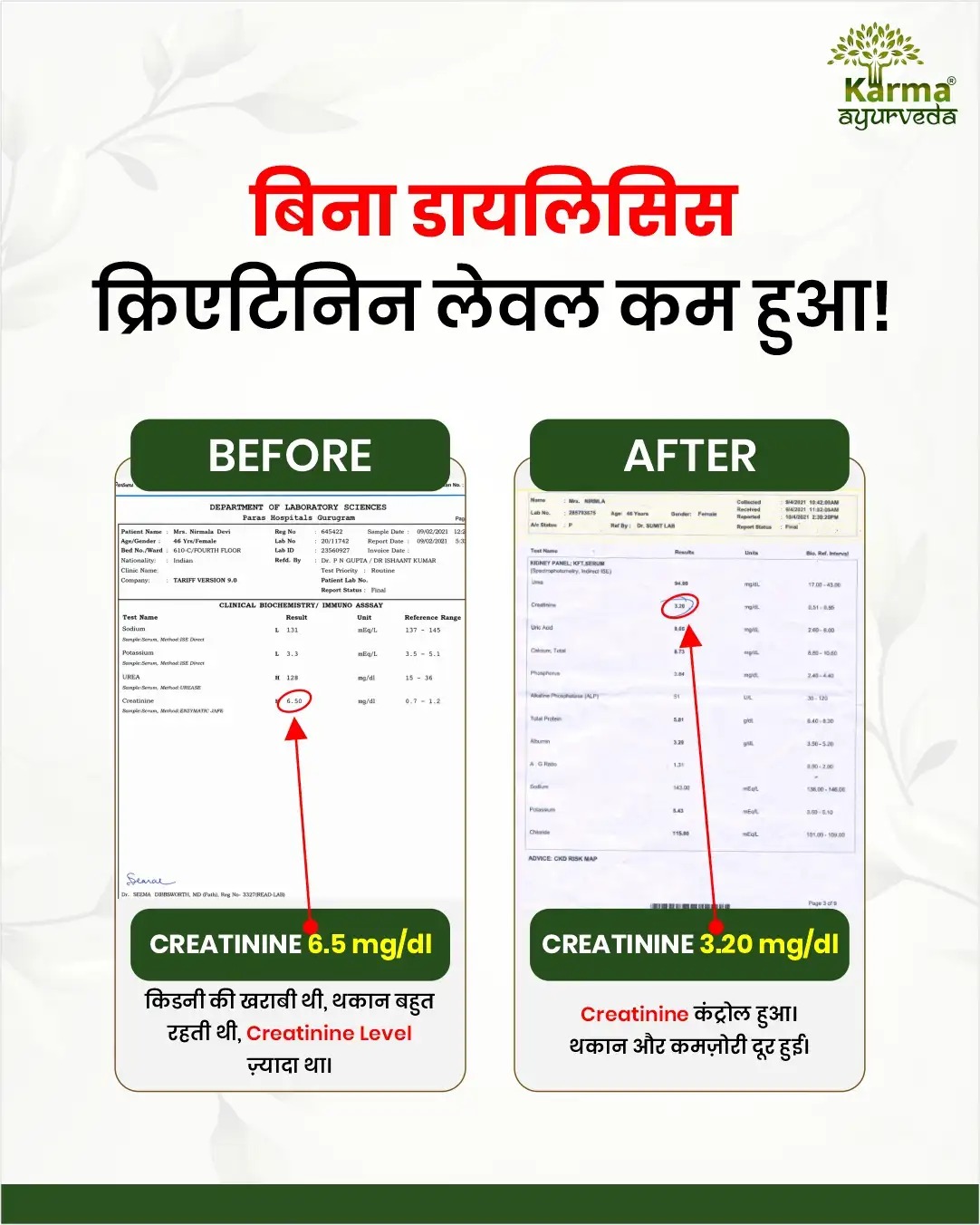
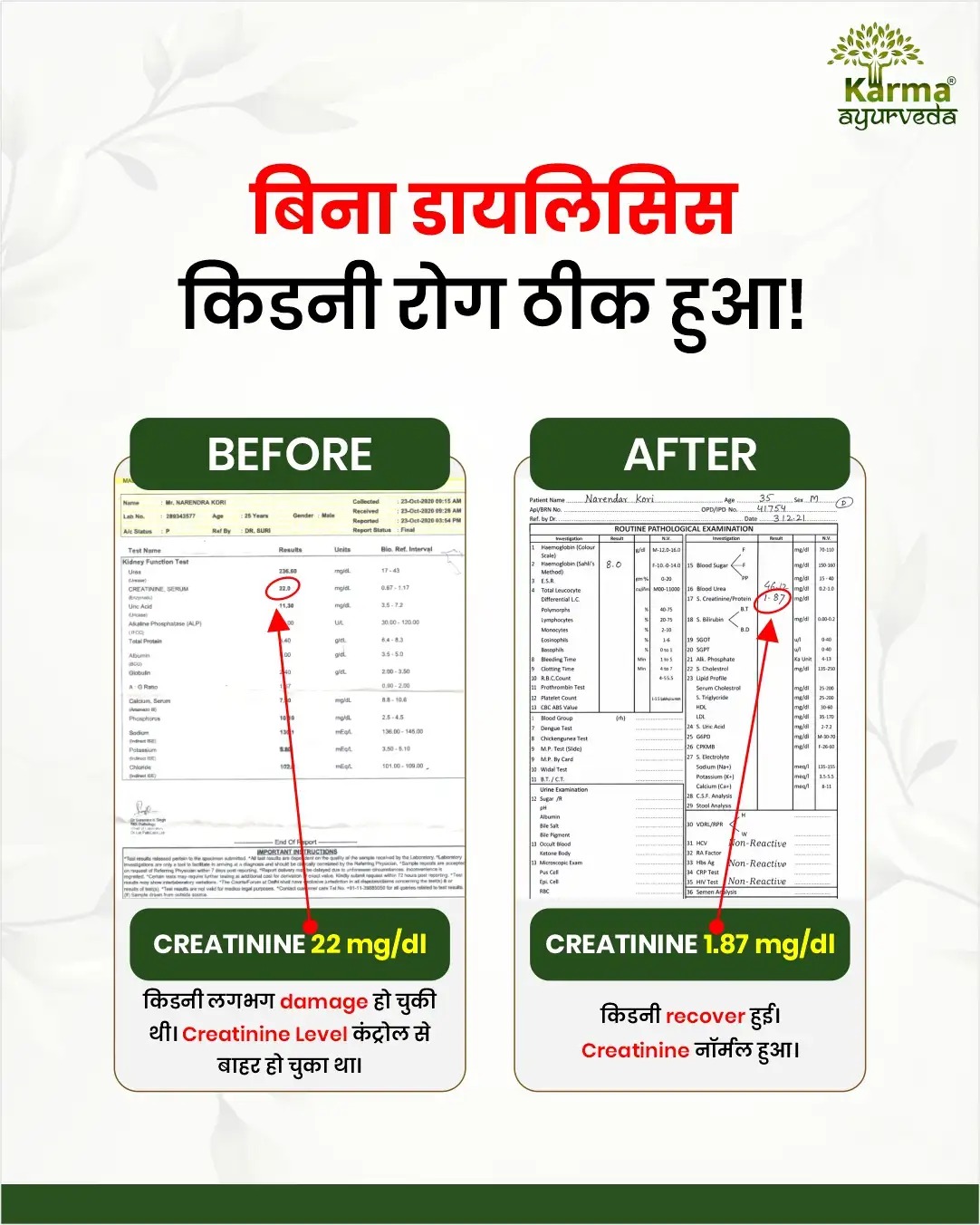
Yes, Ayurveda may help support kidney health and, in some people, contribute to improving the underlying conditions that are associated with high creatinine levels; but it is not a guaranteed or standalone treatment for lowering creatinine. The best results usually come when Ayurvedic care is combined with proper medical supervision, a kidney-friendly diet, and healthy lifestyle changes.
If you've recently opened a blood test report and spotted a high creatinine number staring back at you, chances are you've already done what most of us do; panic, Google it, panic a little more, and then promise yourself you'll drink three liters of water every day. (We've all been there.)
The truth is, high creatinine isn't a disease by itself. Think of it as your kidneys waving a little flag and saying, "Hey, something needs attention." The real goal isn't just bringing the number down; it's understanding why it went up in the first place and supporting your kidneys in the best way possible.
This is where Ayurveda often enters the conversation. Many people wonder whether natural therapies, herbs, and lifestyle changes can actually help improve kidney function and reduce creatinine levels. Let's separate facts from myths and see what current science and traditional Ayurvedic wisdom have to say.
What Is Creatinine, Anyway?
Before we talk about reducing it, let's quickly understand what it actually is.
Creatinine is a waste product produced when your muscles use energy. Your kidneys filter it out of the blood and remove it through urine.
Normally:
- Healthy kidneys keep serum creatinine within the normal range.
- When kidneys don't filter efficiently, creatinine starts building up in the bloodstream.
That means high creatinine is often a sign of reduced kidney function; not the root problem itself.
Common reasons creatinine may increase
- Chronic Kidney Disease (CKD)
- Acute kidney injury
- Dehydration
- High blood pressure
- Diabetes
- Certain medications
- Urinary tract obstruction
- Very high muscle mass or intense exercise (occasionally)
So yes, drinking water may help if dehydration is the culprit; but it won't magically fix damaged kidneys.
Can Ayurveda Help Reduce Creatinine?
The short answer is: possibly; but indirectly.
Ayurveda does not treat a laboratory number in isolation. Instead, it focuses on improving overall body balance, supporting digestion, managing inflammation, encouraging healthy lifestyle habits, and promoting kidney wellness.
The idea is fairly simple:
If kidney health improves and the underlying cause is managed, creatinine levels may also improve in some people.
However, this depends on several factors, including:
- The stage of kidney disease
- The underlying cause
- Existing medical conditions
- Diet and lifestyle
- Ongoing medical treatment
That's why Ayurvedic treatment for kidney health should always be personalized rather than copied from something you watched in a five-minute social media reel.
How Ayurveda Supports Kidney Health
Rather than chasing a single blood test number, Ayurveda emphasizes improving the body's overall functioning.
1. Personalized Herbal Support
Ayurvedic practitioners may recommend herbs based on an individual's constitution and health status.
Some traditionally used herbs include:
- Punarnava
- Gokshura
- Varuna
- Guduchi
These herbs have long been used in Ayurveda for supporting urinary and kidney health. However, they should only be taken under professional supervision because "natural" doesn't automatically mean "safe."
Your kidneys already have enough work to do; they don't need surprise guests.
2. Kidney-Friendly Diet
One of the biggest strengths of Ayurveda is its emphasis on food.
A kidney-supportive diet may include:
- Fresh home-cooked meals
- Controlled sodium intake
- Adequate hydration (as advised by your doctor)
- Balanced protein intake
- Plenty of vegetables suitable for kidney health
- Avoiding ultra-processed foods
The exact diet depends on your kidney function, potassium levels, phosphorus levels, and overall health.
3. Lifestyle Improvements
Ayurveda strongly encourages routines that modern medicine also appreciates.
These include:
- Better sleep
- Stress reduction
- Regular movement
- Healthy body weight
- Blood pressure control
- Blood sugar management
Interestingly, these same habits are also recommended in international kidney disease guidelines.
So this is one of those rare moments where ancient wisdom and modern medicine nod at each other in agreement.
What Does Scientific Research Say?
Research on Ayurveda and kidney disease is still developing.
Some studies have shown encouraging findings, but larger, high-quality clinical trials are still needed before definite conclusions can be made.
1. KDIGO Clinical Practice Guidelines
The Kidney Disease: Improving Global Outcomes (KDIGO) Clinical Practice Guidelines emphasize that managing blood pressure, diabetes, nutrition, and lifestyle plays a major role in slowing kidney disease progression.
This aligns with Ayurveda's holistic approach of addressing overall health rather than focusing only on one laboratory value.
2. National Kidney Foundation Recommendations
The National Kidney Foundation recommends:
- Managing diabetes
- Controlling blood pressure
- Maintaining healthy weight
- Eating a kidney-friendly diet
- Avoiding unnecessary medications that may harm kidneys
These recommendations overlap significantly with many Ayurvedic lifestyle principles.
3. Integrative Medicine Research
Several published studies in journals of Complementary and Integrative Medicine have explored Ayurvedic herbs like Punarnava (Boerhavia diffusa) for their potential kidney-supportive and antioxidant properties.
While early findings are promising, researchers consistently note that more rigorous human clinical trials are necessary before recommending these therapies as standard treatment.
Ayurveda vs Only Chasing the Creatinine Number
Focus: Only Watching Creatinine vs Ayurvedic Kidney Care
- Main goal: Lower one blood test | Support overall kidney health
- Looks at lifestyle? Sometimes | Absolutely
- Diet matters? Yes | A big yes
- Stress management? Often overlooked | Strong emphasis
- Magic overnight results? Sadly no | Also no; your kidneys dislike shortcuts as much as your gym trainer does.
Can Ayurveda Replace Conventional Kidney Treatment?
This is probably one of the most important questions; and the answer deserves to be crystal clear.
No. Ayurveda should not replace conventional medical treatment for chronic kidney disease, especially in moderate to advanced stages. If you have CKD, your nephrologist's advice, prescribed medicines, and regular monitoring remain essential.
Where Ayurveda may have a role is as a supportive approach under qualified supervision. For some people, combining evidence-based medical care with carefully planned Ayurvedic therapies, dietary guidance, and lifestyle changes may help improve overall well-being and support kidney health.
The key word here is supportive, not substitute.
If someone promises to "cure kidney disease in seven days" or guarantees a dramatic drop in creatinine overnight, that's your cue to politely walk away. Your kidneys deserve better than miracle marketing.
Tips to Support Healthy Creatinine Levels Naturally
Whether you choose Ayurveda, conventional treatment, or an integrative approach, these habits are universally helpful for protecting your kidneys.
Stay hydrated; but don't overdo it
Drink water according to your doctor's advice. People with advanced kidney disease may actually need fluid restrictions, so more isn't always better.
Keep blood pressure under control
High blood pressure is one of the biggest contributors to kidney damage. Regular monitoring, medication (if prescribed), exercise, and limiting salt can make a real difference.
Manage diabetes carefully
If you have diabetes, maintaining healthy blood sugar levels helps reduce the risk of further kidney damage.
Eat a kidney-friendly diet
A balanced diet often includes:
- Fresh fruits and vegetables (as advised)
- Controlled sodium intake
- Appropriate protein portions
- Whole grains where suitable
- Less processed and packaged food
The ideal diet varies from person to person, so avoid copying someone else's "kidney diet" from the internet.
Avoid unnecessary painkillers
Frequent use of certain pain-relieving medicines, especially NSAIDs, can affect kidney function over time. Always take them only when medically appropriate.
Exercise regularly
Even a 30-minute walk most days of the week supports heart health, blood pressure, and overall kidney wellness. No need to train for a marathon; your kidneys won't be handing out medals.
Get regular kidney tests
Monitoring serum creatinine, eGFR, urine protein, and blood pressure helps detect changes early, when they're often easier to manage.
When Should You See a Doctor?
High creatinine is a reason to seek medical advice; not to self-medicate.
Consult your healthcare provider if you experience:
- Persistent swelling in your feet, ankles, or face
- Changes in urination
- Blood in the urine
- Constant fatigue
- Shortness of breath
- Nausea or vomiting
- Creatinine levels higher than the normal range
- A known diagnosis of chronic kidney disease
Early evaluation can help identify the underlying cause and guide the most appropriate treatment plan.
Conclusion
So, can Ayurveda help reduce creatinine? The answer is it may help support kidney health and contribute to improving the factors associated with elevated creatinine, but it should not be viewed as a guaranteed way to lower creatinine or replace conventional medical care.
The real goal isn't simply chasing a better number on a lab report. It's protecting your kidneys for the long run through a combination of timely medical care, healthy eating, blood pressure and diabetes management, regular monitoring, and, where appropriate; professionally supervised Ayurvedic support.
Your creatinine report tells part of the story. Your everyday habits write the rest.
Case Study
Anil Dhoongra from Delhi was diagnosed with Chronic Kidney Disease (CKD) in 2018 and had become dependent on regular dialysis due to severe kidney dysfunction. After an initial course of Ayurvedic treatment, he was able to discontinue dialysis and experienced significant improvement. However, years later, a relapse occurred when thickened blood affected circulation and placed additional stress on his kidneys, leading to worsening kidney function and renewed health concerns.
Medical reports showed his serum creatinine had risen to 4.0 mg/dL, while blood urea was approximately 70 mg/dL, indicating reduced kidney function. He returned to Karma Ayurveda, where he received a personalized treatment plan that included Ayurvedic herbal formulations, kidney-supportive herbs, dietary modifications, lifestyle guidance, and regular monitoring. The treatment focused on supporting kidney function naturally, improving circulation, and restoring overall health through a holistic approach.
Follow-up reports showed encouraging progress. His serum creatinine decreased from 4.0 mg/dL to 2.13 mg/dL, while blood urea reduced from around 70 mg/dL to 40 mg/dL. Along with these clinical improvements, his fatigue subsided, circulation improved, and he regained his strength and independence. Anil’s journey highlights how personalized Ayurvedic care, combined with consistent treatment and appropriate medical supervision, may help support kidney health and improve overall quality of life.
Key Takeaways
- High creatinine is a sign, not a disease.
- Ayurveda may support overall kidney health, but it isn't a guaranteed cure for elevated creatinine.
- Managing the underlying cause is more important than focusing on the number alone.
- A kidney-friendly diet, healthy lifestyle, and regular medical follow-up remain essential.
- Ayurvedic herbs should always be taken under the guidance of a qualified practitioner.
- Never stop prescribed kidney medications without consulting your healthcare provider.
Frequently Asked Questions
Can Ayurveda reduce creatinine naturally?
Ayurveda may support kidney health in some people, but it should complement; not replace; medical treatment.
Which Ayurvedic herb is commonly used for kidney health?
Herbs like Punarnava and Gokshura are traditionally used, but they should only be taken under professional guidance.
Can drinking more water lower creatinine?
Only if dehydration is the cause; otherwise, extra water alone won't fix reduced kidney function.
Is high creatinine always a sign of kidney disease?
No, dehydration, certain medications, and intense exercise can also temporarily raise creatinine levels.
Can diet help lower creatinine?
A personalized kidney-friendly diet can support kidney health and may help manage the conditions associated with elevated creatinine.
Disclaimer
This article is intended for educational purposes only and should not be considered medical advice. Ayurveda may offer supportive benefits for kidney health, but it is not a substitute for diagnosis or treatment by a qualified healthcare professional. Always consult your nephrologist or a qualified Ayurvedic practitioner before starting any herbal remedies, changing your diet, or modifying your treatment plan, especially if you have chronic kidney disease (CKD) or other underlying medical conditions.