Unlocking Wellness Naturally
100% Ayurvedic Treatment

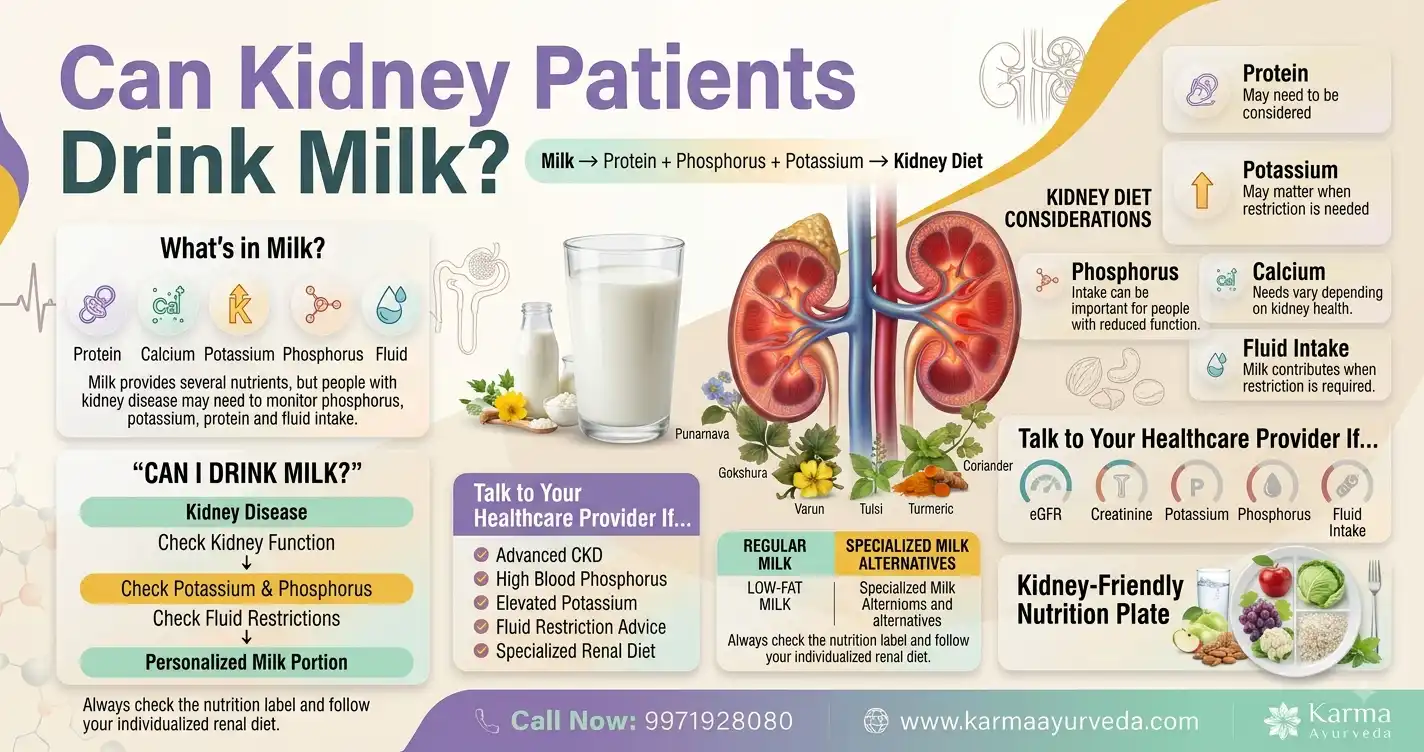
Yes, kidney patients can drink milk, but the type, portion size, and stage of kidney health determine whether it helps or hurts. While dairy milk contains valuable protein, it is also packed with phosphorus and potassium, two minerals that failing kidneys struggle to filter out.
Let's dive into why that daily glass of warm milk suddenly requires a whole strategy session, how you can navigate the dairy aisle without losing your sanity, and what alternative choices exist.
When your kidneys are running at 100%, they act like the ultimate security team at an exclusive club. Useful stuff gets in, and excess waste gets tossed out without a second thought. But when kidney function drops, these bean-shaped bean-counters start letting waste pile up in your bloodstream.
That brings us directly to the debate surrounding kidney patients and milk. Dairy milk carries a three-headed monster for kidney care:
Because of this trio, many people ask whether milk good for kidney patients or not. The short answer is: whole dairy milk in large amounts usually isn't great for advanced stages, but specific portions or plant-based swaps can fit nicely into a balanced routine.
You don't have to take our word for it; nephrology researchers have spent decades studying dietary protein and mineral loads.
A study published in the Clinical Journal of the American Society of Nephrology (CJASN) highlighted that high serum phosphorus levels directly correlate with vascular calcification in chronic kidney disease (CKD) patients. Because dairy products are rich in highly bioavailable organic phosphorus, managing dairy intake becomes crucial as CKD progresses.
However, it isn't all bad news. Research from the Journal of Renal Nutrition pointed out that plant-based milk alternatives (like almond or rice milk without added phosphate additives) offer a much lower phosphorus absorption rate compared to cow's milk. Organic phosphorus from plants is only absorbed at a rate of 30% to 50%, whereas the added inorganic phosphorus in processed dairy foods gets absorbed almost completely (80% to 100%).
Choosing the right milk feels a bit like online dating; you think you found a great candidate, and then you read the nutrition label fine print. Here is a quick breakdown to help you spot the red flags in your refrigerator door.
In holistic traditions, food is considered medicine. The holistic approach of Karma Ayurveda emphasizes balancing body energies (Doshas) through personalized dietary modifications and natural herbal support.
When considering Ayurvedic treatment for kidney disease, milk isn't completely banned; rather, its consumption is tailored to your body's current digestive fire (Agni) and fluid allowance. Warm, spiced goat's milk or lightly boiled cow's milk diluted with water is sometimes suggested in small quantities during early stages, provided the patient's blood parameters are within target ranges.
Combining dietary mindfulness with traditional herbal support aims to reduce the workload on your excretory system while keeping you nourished.
If you aren't ready to give up your morning cereal or tea routine, follow these practical, real-world guidelines:
Yes, unsweetened almond milk is generally safe daily because it is low in potassium and phosphorus compared to cow's milk.
Not necessarily, because skim milk still contains high levels of phosphorus and potassium despite having less fat.
Oat milk is acceptable in moderation, provided you choose brands that do not add inorganic phosphate additives.
Boiling milk reduces raw pathogens and makes it easier to digest, but it does not remove or lower phosphorus and potassium levels.
This article is strictly for informational and educational purposes and should not replace professional medical advice, diagnosis, or treatment. Kidney disease dietary needs vary significantly based on individual lab results and stage of health. Always consult your nephrologist, registered renal dietitian, or primary healthcare provider before making changes to your diet.
Continue using AI Cursor?Keep it onTurn Off
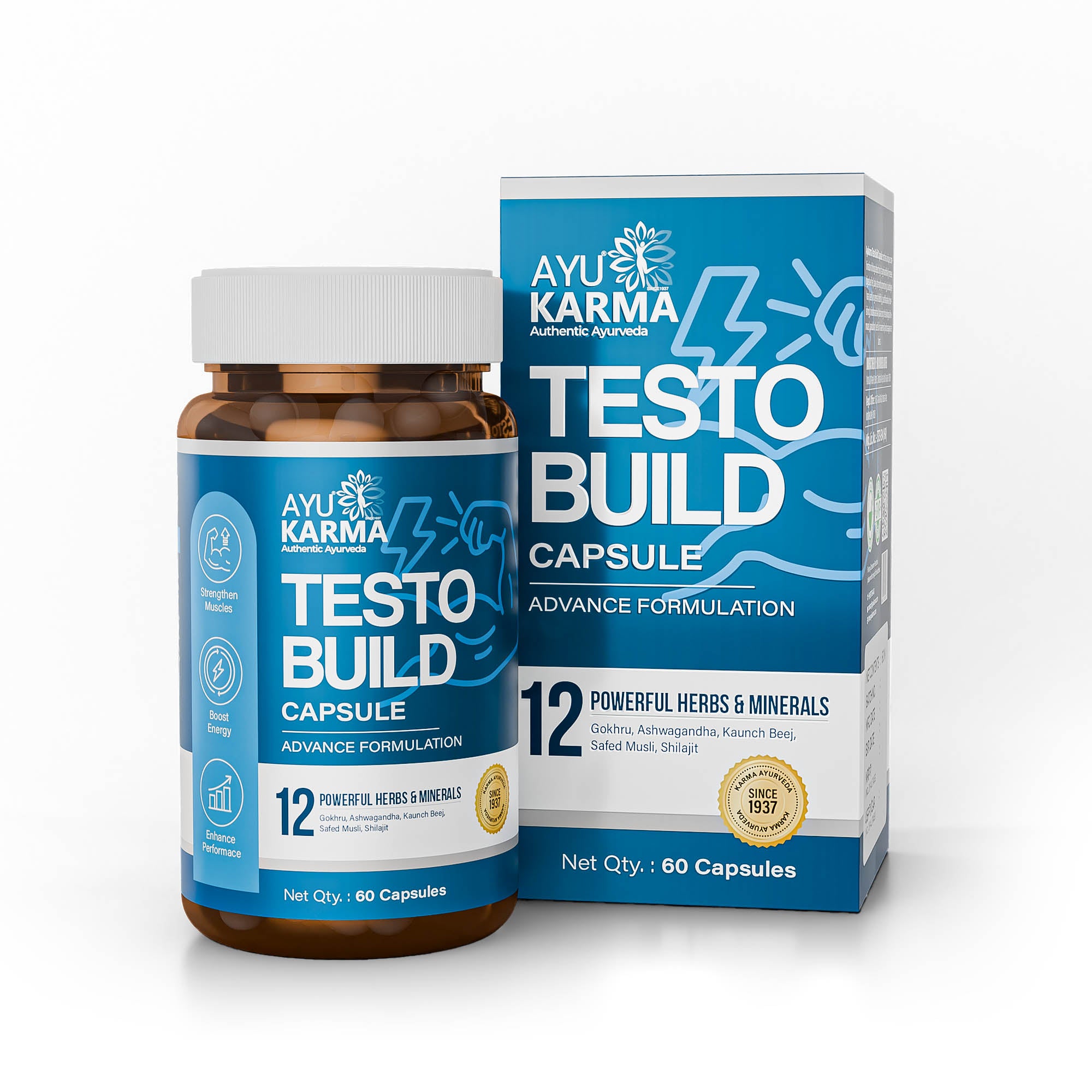
AyuKarma Testo Build Capsules combine 12 Ayurvedic herbs and minerals to support strength, energy, stamina, physical performance, nourishment and overall daily vitality.
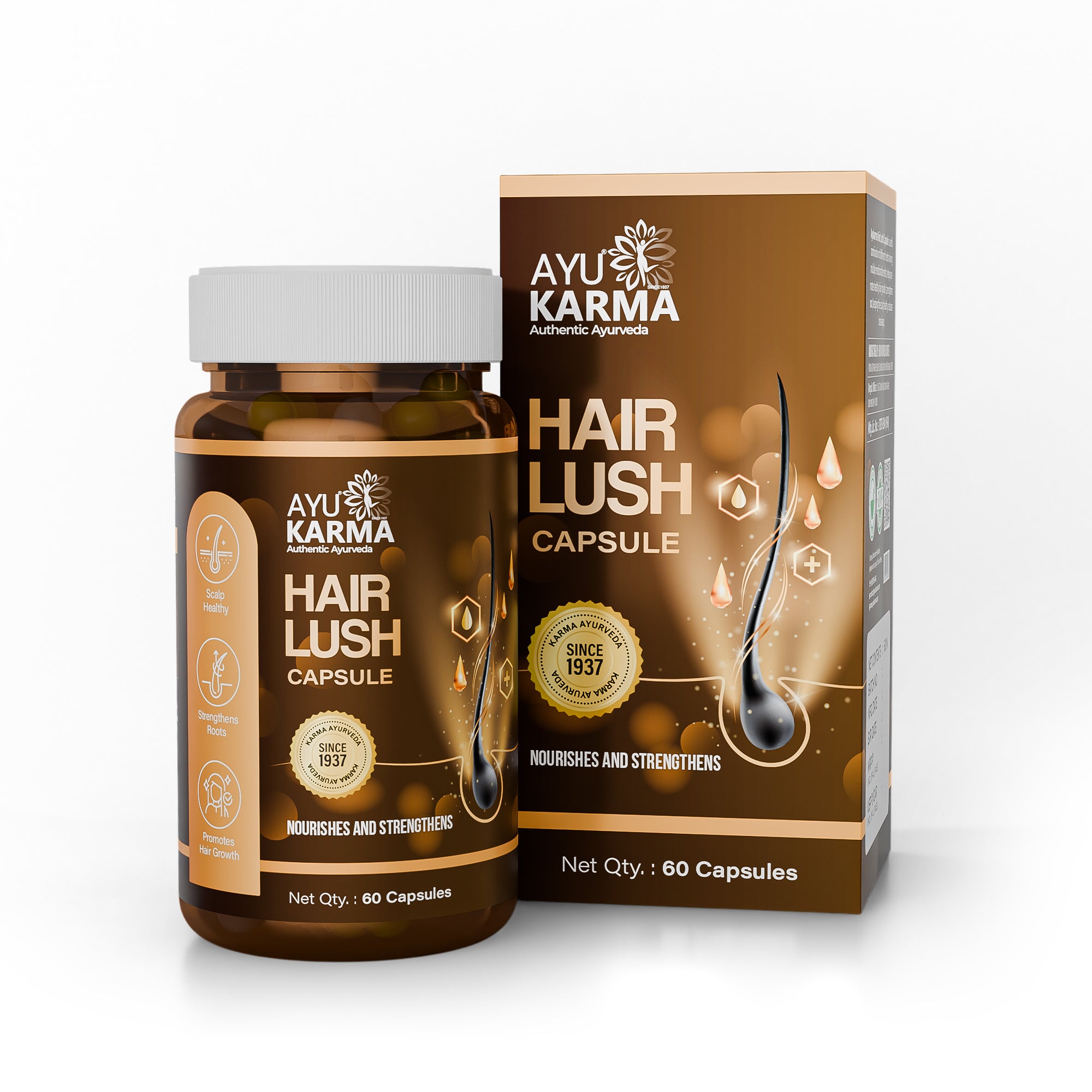
AyuKarma Hair Lush Capsules combine Ayurvedic herbs to support hair growth, reduce hair fall, strengthen roots, nourish the scalp and promote healthier-looking hair.
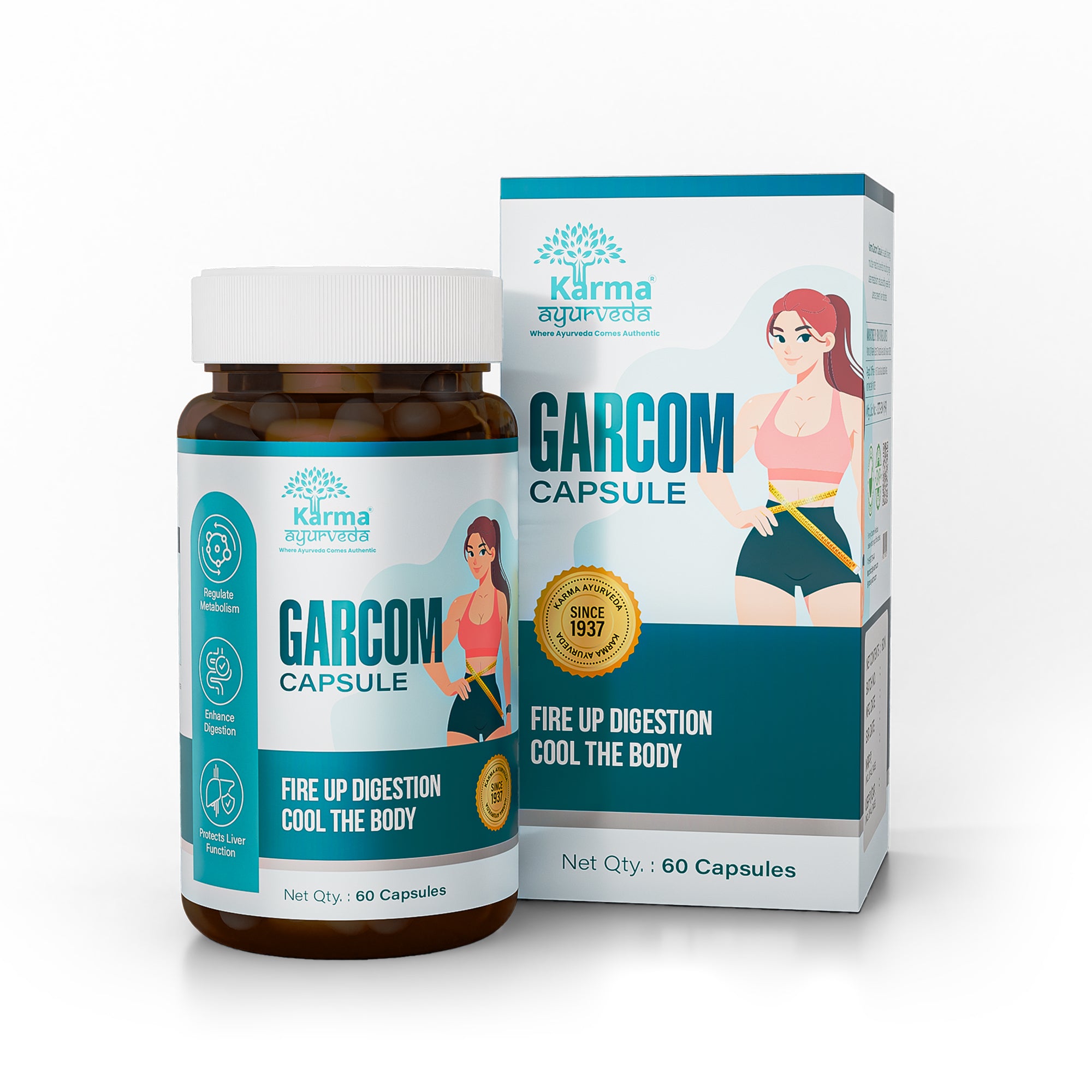
Karma Garcom Capsules contain Garcinia indica to support healthy metabolism, digestion, weight management, digestive comfort and daily wellness alongside a balanced lifestyle.
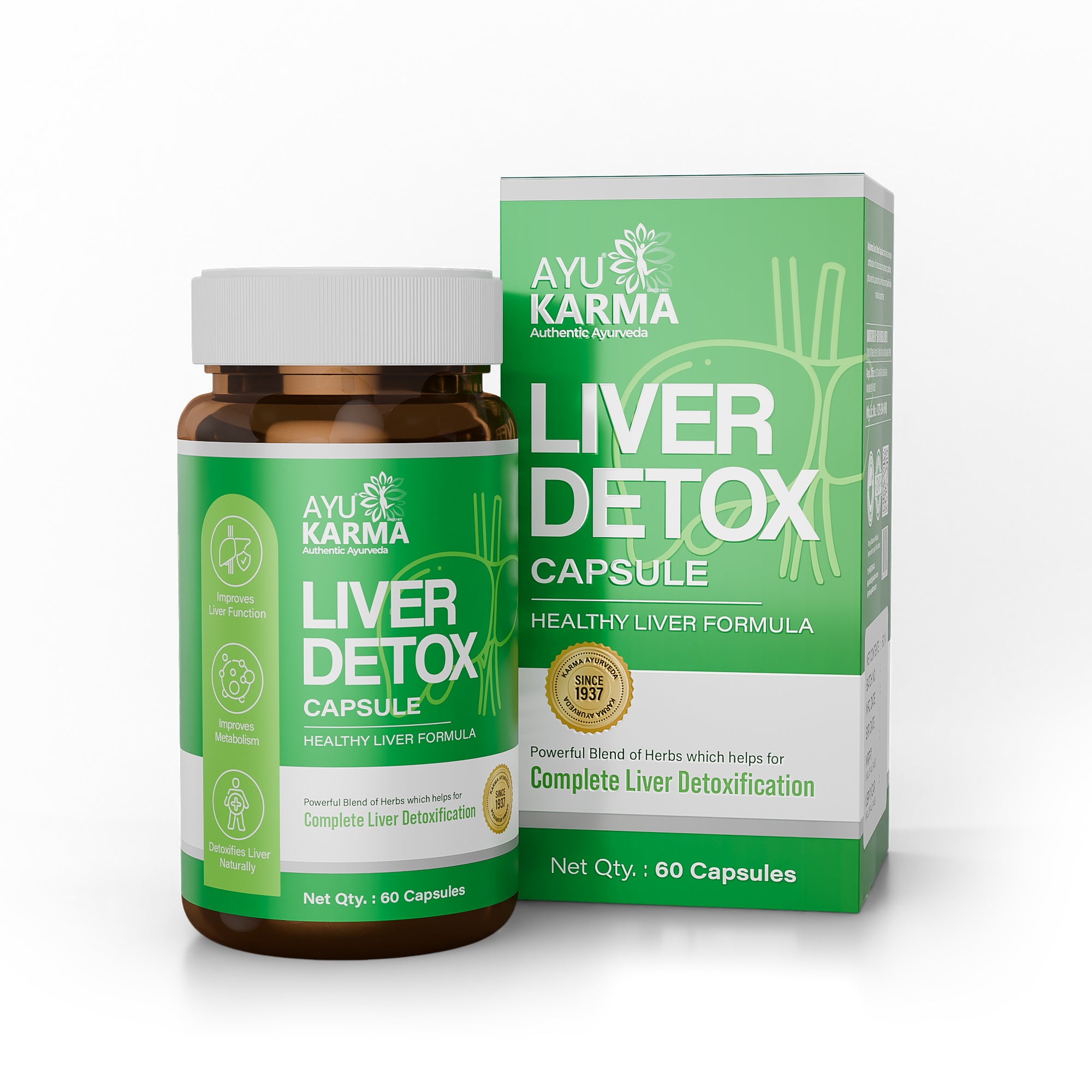
Doctor-recommended liver supplement that helps detoxify the liver, support healthy cholesterol, improve digestion & promote liver health. Developed by Dr. Puneet Dhawan with Karma Ayurveda philosophy.
Second Floor, 77, Block C, Tarun Enclave, Pitampura, New Delhi, Delhi, 110034

Certificate no- AH-2023-0186
JAN 05, 2026 - JAN 04, 2029

US FDA Reg. No.: 14568299376