Unlocking Wellness Naturally
100% Ayurvedic Treatment

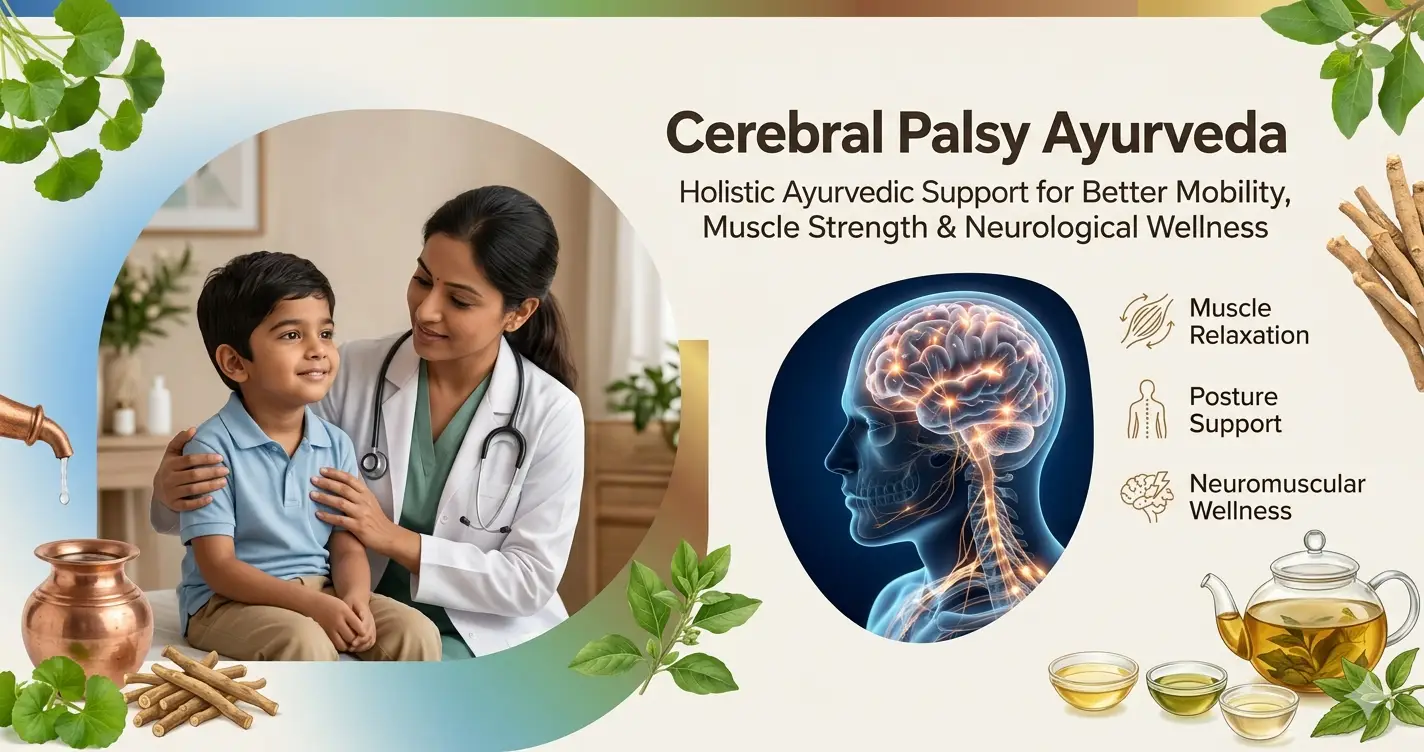
When someone hears the words “cerebral palsy,” it can feel heavy. Parents worry, families search the internet at 2 a.m., and suddenly everyone becomes a part-time doctor. If you’re here reading this, chances are you’re looking for hopeful, natural ways to support someone living with this condition. The good news is that Ayurveda, the ancient Indian system of healing, looks at health in a very holistic way. Instead of just focusing on symptoms, it tries to improve the overall balance of the body.
Before we dive deeper, let’s keep one thing clear: cerebral palsy is a lifelong neurological condition. Ayurveda doesn’t claim to magically “erase” it. But what it can do is support better muscle strength, improve mobility, calm the nervous system, and enhance quality of life. And honestly, when it comes to long-term conditions, improving daily life is a pretty big win.
In this blog, we’ll explore how Ayurvedic treatment for cerebral palsy, herbs, therapies, and lifestyle practices may help support patients in a gentle and natural way.
Cerebral palsy is a condition that affects movement, muscle tone, and posture. It usually happens because of damage to the developing brain before, during, or shortly after birth.
Children with cerebral palsy may experience muscle stiffness, difficulty walking, poor coordination, or challenges with speech and balance. Some may have mild symptoms, while others need more support in daily activities.
From an Ayurvedic perspective, this condition is often linked to an imbalance in the Vata dosha. Vata controls movement in the body; everything from nerve signals to muscle activity. When Vata becomes disturbed, it can lead to problems with coordination, stiffness, and nervous system issues.
This is why many Ayurvedic treatment for cerebral palsy approaches focus on calming and balancing Vata.
Ayurveda doesn’t treat the body like a machine with replaceable parts. Instead, it views the body as a living system where digestion, nerves, muscles, and the mind are all connected.
In cases of Cerebral palsy treatment in Ayurveda, doctors usually focus on three main goals:
Think of it like maintaining an old but valuable car. You oil the engine, tune the parts, and drive it gently so it keeps running smoothly. Ayurveda does something similar for the human body.
One of the most well-known approaches in Ayurvedic therapy for cerebral palsy is Panchakarma-based therapies and therapeutic massages.
These treatments are designed to relax muscles, improve circulation, and nourish the nervous system.
Abhyanga (therapeutic oil massage) is commonly recommended. Warm herbal oils are massaged into the body to reduce stiffness and support muscle flexibility. Children often enjoy this therapy because it’s soothing and calming.
Another therapy sometimes used is Shirodhara, where warm herbal oil is gently poured over the forehead. It may help relax the nervous system and improve sleep.
Swedana (herbal steam therapy) is also used to reduce muscle tightness. The warmth helps improve blood flow and may support better movement.
These therapies are often done regularly over months to help improve body strength and coordination.
Herbs play an important role in Herbal treatment for cerebral palsy. Many Ayurvedic herbs are known for supporting brain health and nerve function.
Ashwagandha is one of the most popular herbs used for neurological support. It is known to strengthen the nervous system and improve muscle strength.
Brahmi is another herb that supports brain function and memory. It is often used to nourish the brain and calm the mind.
Shankhpushpi is sometimes included to support cognitive development and improve concentration.
Herbal formulations are usually customized based on the patient’s body type and symptoms, which is why Ayurvedic treatment should always be guided by a qualified practitioner.
Ayurveda strongly believes that food is medicine. For people with cerebral palsy, a nourishing and easy-to-digest diet can make a big difference.
Warm, freshly cooked foods are usually recommended. Soups, khichdi, cooked vegetables, and healthy fats like ghee can support digestion and energy levels.
Cold, processed, or heavy foods may disturb Vata and should be limited.
Daily routines are equally important. Gentle physiotherapy, stretching, and yoga under expert guidance may support muscle coordination.
And let’s be honest; routine is something everyone benefits from. Even adults without cerebral palsy struggle when their sleep schedule goes wild.
When it comes to complex neurological conditions, professional guidance is extremely important.
Experienced Ayurvedic practitioners study the patient’s body type, symptoms, digestion, and lifestyle before suggesting treatments.
At Karma Ayurveda Hospital, under the guidance of Dr. Puneet Dhawan, Ayurvedic therapies are designed to support kidney health and other chronic conditions using natural methods. While Ayurveda focuses on balancing the body holistically, expert supervision ensures that treatments are safe and suitable for each patient.
A personalized approach is always better than blindly following internet advice. After all, Google can answer many questions; but it can’t check your pulse like an Ayurvedic doctor can.
Let’s address the big question people often ask.
Can Ayurveda completely cure cerebral palsy?
The honest answer is that cerebral palsy is a permanent neurological condition. However, Ayurveda may help improve muscle flexibility, reduce stiffness, support nerve health, and enhance overall well-being.
Many families explore cerebral palsy treatment in Ayurveda to complement physiotherapy and rehabilitation.
The goal is not perfection; it’s progress.
Better sleep, improved digestion, stronger muscles, and calmer nerves can all contribute to a better daily life.
And sometimes those small improvements make the biggest difference.
Living with cerebral palsy can be challenging, but supportive therapies and consistent care can help people lead fulfilling lives.
Ayurveda focuses on balance, nourishment, and long-term wellness. Through herbal support, therapeutic massages, and lifestyle adjustments, it aims to strengthen the body naturally.
The journey may take time, patience, and regular care; but Ayurveda believes that healing is not always about quick fixes. Sometimes it’s about slow, steady improvement.
And if life had a “fast forward” button for healing, doctors everywhere would probably be out of a job.
Ayurveda cannot cure cerebral palsy completely, but it may help improve muscle strength, flexibility, and overall quality of life.
Therapies like Abhyanga, herbal medicines, and lifestyle changes are commonly used in Ayurvedic treatment for cerebral palsy.
Yes, when guided by an experienced Ayurvedic doctor, herbal medicines and therapies are generally considered safe and supportive.
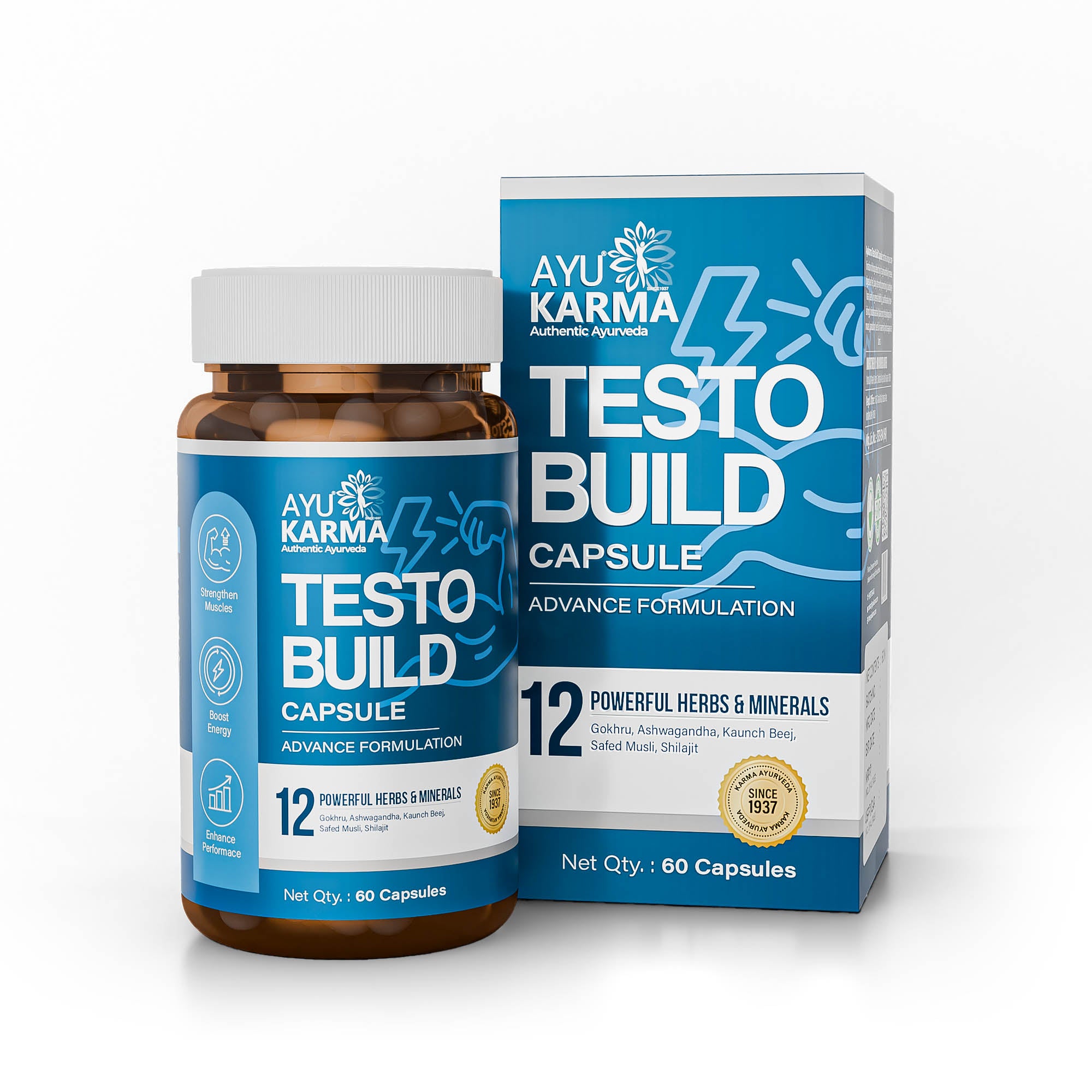
AyuKarma Testo Build Capsules combine 12 Ayurvedic herbs and minerals to support strength, energy, stamina, physical performance, nourishment and overall daily vitality.
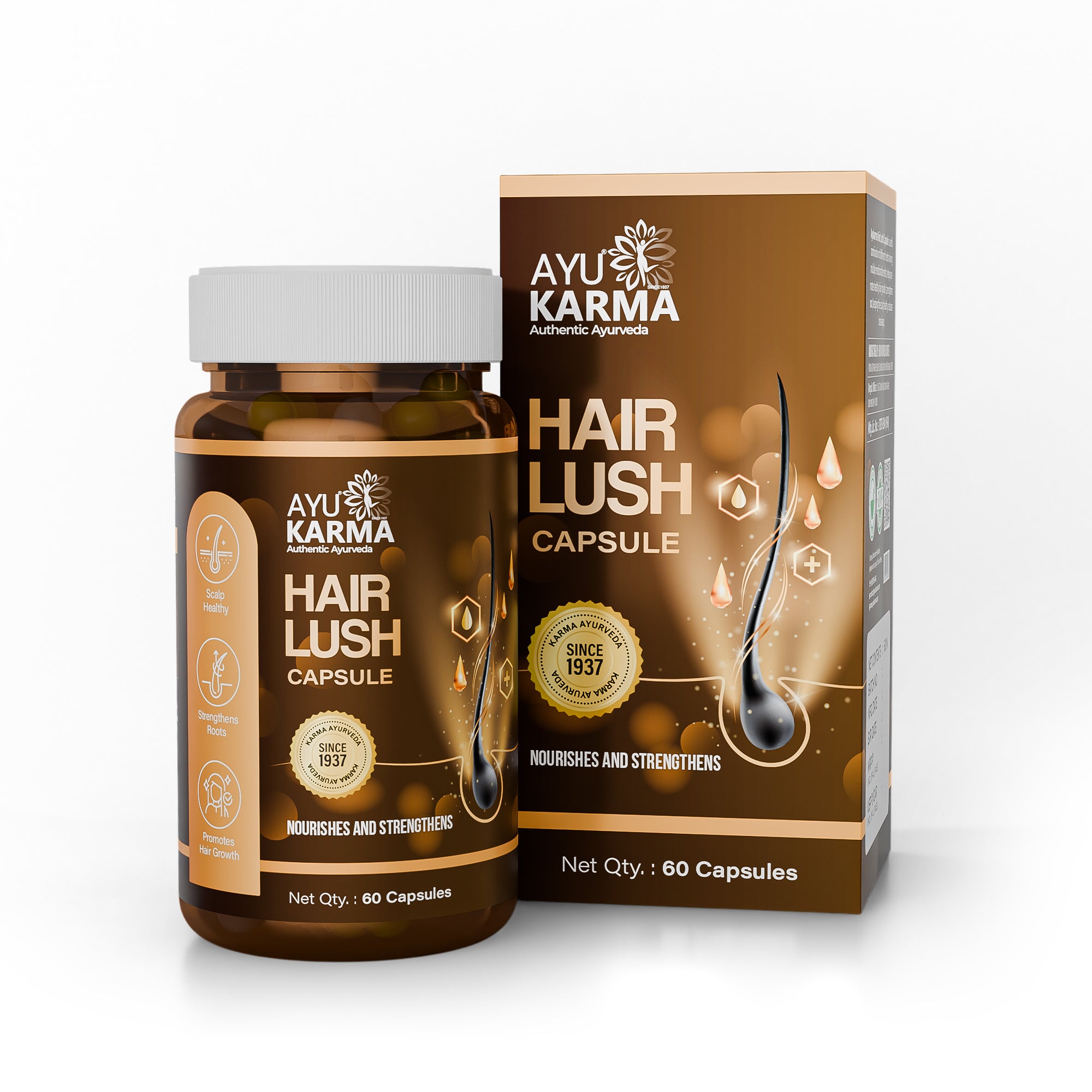
AyuKarma Hair Lush Capsules combine Ayurvedic herbs to support hair growth, reduce hair fall, strengthen roots, nourish the scalp and promote healthier-looking hair.
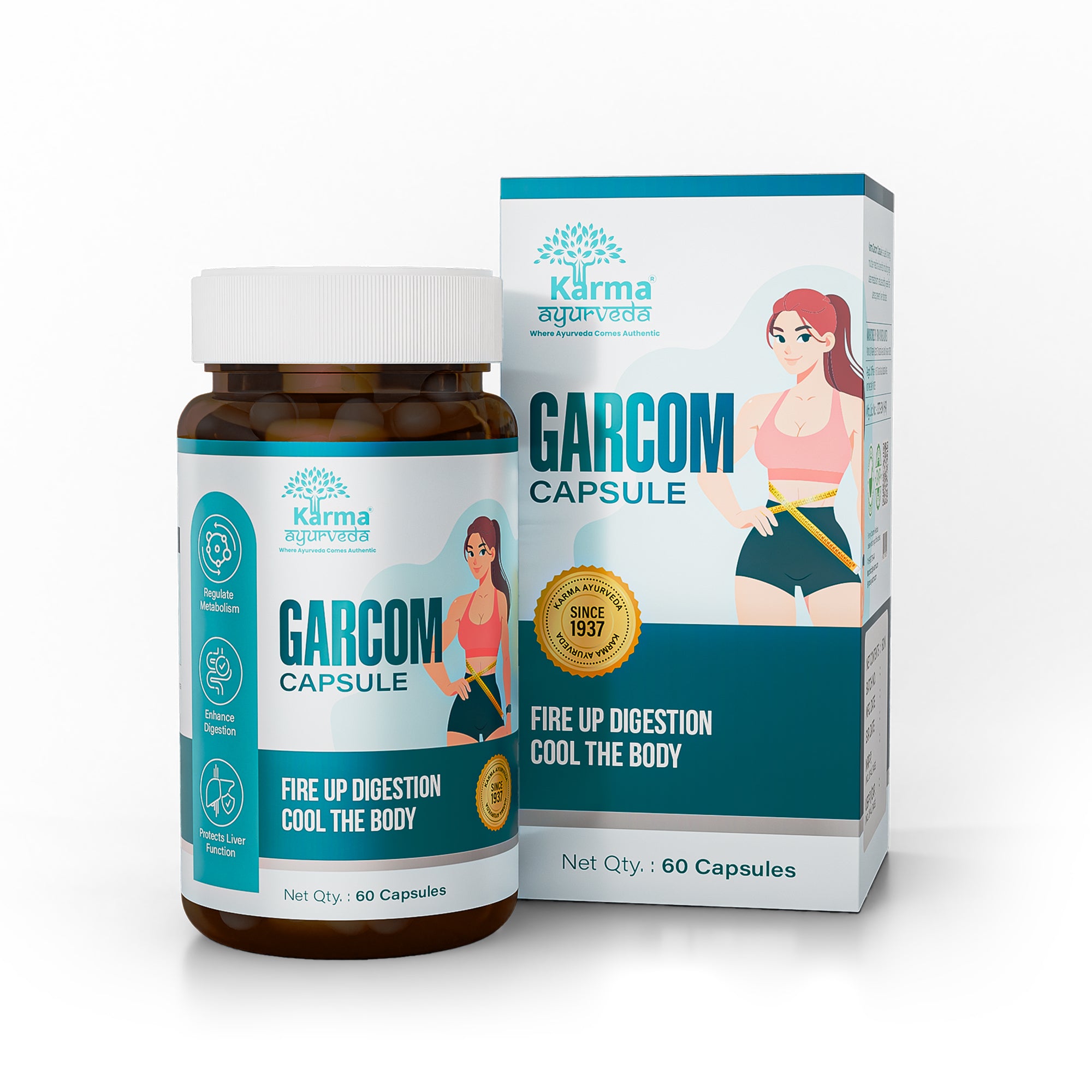
Karma Garcom Capsules contain Garcinia indica to support healthy metabolism, digestion, weight management, digestive comfort and daily wellness alongside a balanced lifestyle.
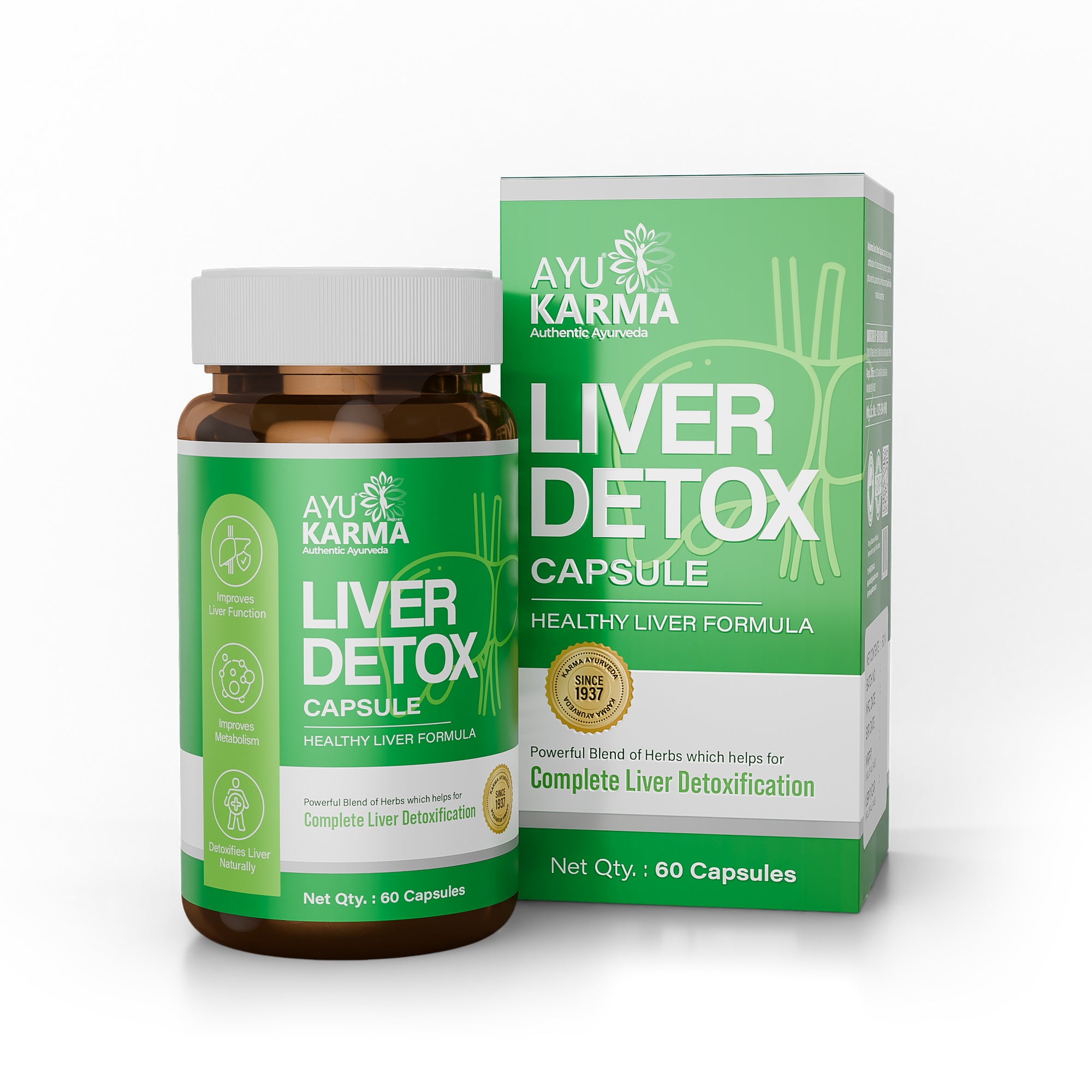
Doctor-recommended liver supplement that helps detoxify the liver, support healthy cholesterol, improve digestion & promote liver health. Developed by Dr. Puneet Dhawan with Karma Ayurveda philosophy.
Second Floor, 77, Block C, Tarun Enclave, Pitampura, New Delhi, Delhi, 110034

Certificate no- AH-2023-0186
JAN 05, 2026 - JAN 04, 2029

US FDA Reg. No.: 14568299376