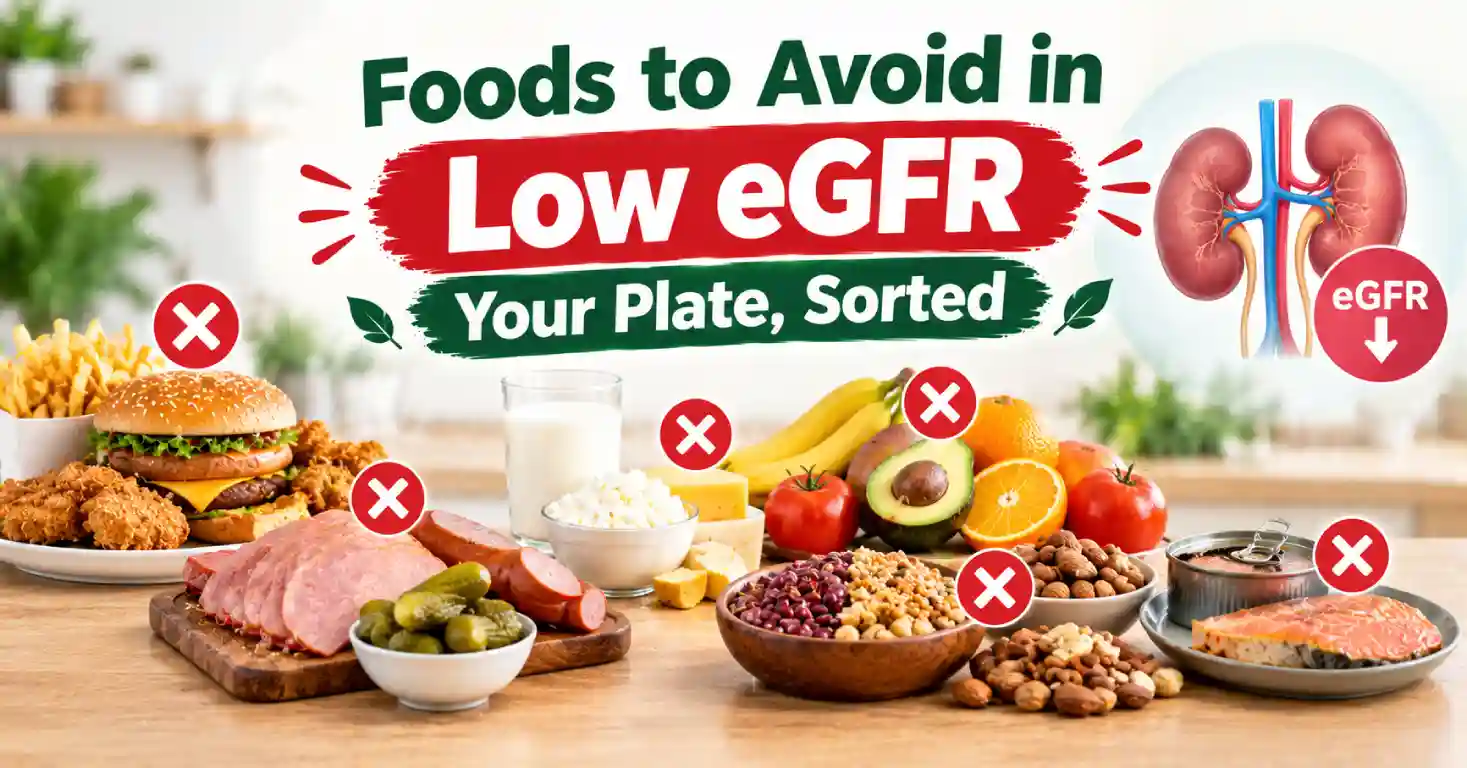
The foods to avoid in low eGFR include salty processed foods, phosphorus-containing colas and packaged meats, and, in the case of elevated blood levels, high-potassium foods like bananas and potatoes. Protein also has to be eaten in a measured amount, depending on the stage of the disease.
eGFR reflects the level of kidney function. As the level drops, the number of toxins that the kidneys can excrete decreases, and the person’s salt and mineral balance, as well as the amount of waste products retained in the body, begin to play a significant role in the course of the disease.
The Usual Suspects
Salt and salty snacks: Chips, pickles, instant noodles, papad and canned soups. McMahon and colleagues, in the Cochrane Database of Systematic Reviews (2021), found that limiting salt intake reduced blood pressure and swelling in patients with chronic renal disease.
Phosphorus additives: Dark colas, processed cheese and packaged meats. Sherman and Mehta, in the Clinical Journal of the American Society of Nephrology (2009), demonstrated that “enhanced” meat products contain much more phosphorus than fresh ones, and the difference is not always indicated on the packaging.
Potassium-rich foods: Bananas, potatoes, tomatoes, coconut water and oranges. Clase and colleagues, in Kidney International (2020), discuss how high potassium levels can affect patients with declining kidney function, but not everyone has to reduce the amount of these foods unless the test results indicate it.
Too much protein: Hahn and colleagues, in the Cochrane Database of Systematic Reviews (2020), reviewed the benefits of lower-protein diets for patients and found that they could slow the progression of the disease in certain cases. Your dietitian determines the amount of protein; not your fitness trainer.
Consult with Doctor on Video Call
Consult our senior Ayurvedic doctors via free video call. Get a personalized roadmap based on your medical reports, eliminating doshic blockages and restoring vitality.
Quick Comparison: Swap This For That
Reach less for | Try instead | Mood
Packaged chips | Unsalted popcorn | "Same crunch, less drama"
Cola | Plain water with lemon | "Boring but brilliant"
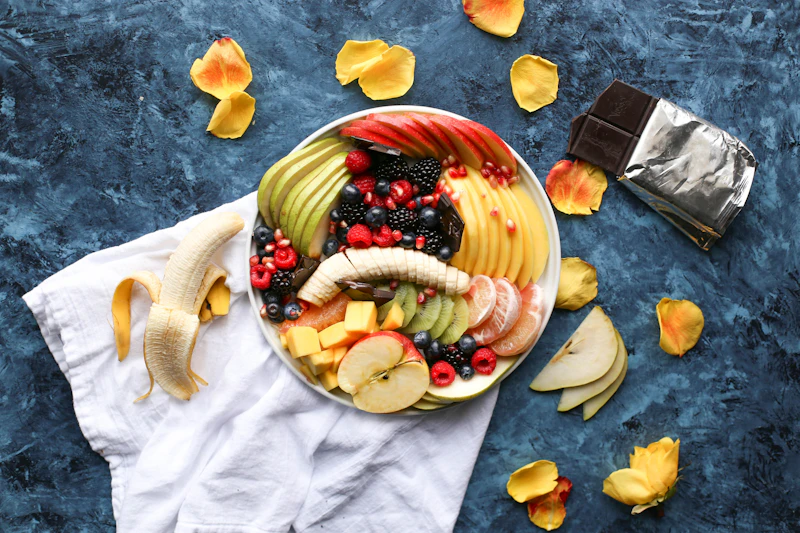
Banana | Apple or berries | "Fruit salad, but polite"
Usually, yes, and that's where the nuance lies. Goraya and colleagues, in Kidney International (2014), found that adding fruits and vegetables to the diet reduced the accumulation of acids and toxins in patients with moderately reduced eGFR. It means that not all plants are prohibited, but the ones to choose are subject to individual lab results. Annoying, but true.
Watch out for the amount of "phos" ingredients and sodium in the composition of foods
Try to cook fresh meals and season them with herbs and lemon
Soak and double boil potatoes and vegetables to reduce potassium content
Avoid ibuprofen or other pain relievers, if possible
Monitor blood pressure and sugar levels
Many readers also ask how to increase GFR. Unfortunately, kidney damage is often irreversible, and the task of increasing the function is more challenging and individual. A standard approach here includes maintaining blood pressure and sugar within the normal range, reducing the burden on the kidneys through medication, and following the standard recommendations of a nephrologist.
Where Ayurveda Fits In
People often seek kidney disease Ayurvedic treatment for auxiliary help because Ayurveda considers the work of the whole body, not just the kidneys. Dr. Puneet Dhawan, an Ayurvedic practitioner, often talks about this comprehensive approach.
You will hear about the best herbs for kidney treatment in Ayurveda, primarily punarnava, gokshura and varuna. There is not enough clinical research on the effects of Ayurvedic herbs on kidney function, so it is hard to tell which of them can be used in which case. Vanherweghem and colleagues, in The Lancet (1993), described a case of renal failure associated with a herbal slimming regimen, so "natural" does not always mean safe. Do not experiment on your own; always consult a specialist.
The Bottom Line
Limit salt and phosphorus-containing additives, as well as potassium (if indicated by test results) and follow the recommended amount of protein for your stage of the disease. If you want to take a more personalized, supportive approach, Karma Ayurveda for natural kidney disease treatment offers various methods. Many patients also read about the kidney disease treatment in Ayurveda to better understand their options within the framework of a standard treatment plan. In any case, your nephrologist should always be in the loop.
Key Takeaways
Salt, phosphorus additives and excessive protein are common threats
Limit potassium-rich foods only if indicated by test results
Fresh food is usually safer than processed
Prevent further loss of kidney function
Herbs can be harmful to the kidneys, choose carefully and consult a specialist
Work with a dietitian and nephrologist
Consult with Doctor on Video Call
Consult our senior Ayurvedic doctors via free video call. Get a personalized roadmap based on your medical reports, eliminating doshic blockages and restoring vitality.
FAQs
What foods should I avoid with low eGFR?
Salty processed foods, colas and, in some cases, potassium-rich foods.
Can I eat bananas with low eGFR?
It depends on the level of potassium in the blood; check the test results.
Is protein bad for weak filters?
Not bad, just best in the right amount for your stage.
Are herbal remedies safe with low eGFR?
Some aren't, so your doctor should clear any herb first.
Disclaimer
This blog is for general information only and isn't medical advice. Dietary needs in reduced kidney function vary widely, so please consult a qualified nephrologist or dietitian before changing your diet, taking supplements or trying herbs. Never ignore professional advice because of something you read online.