Unlocking Wellness Naturally
100% Ayurvedic Treatment

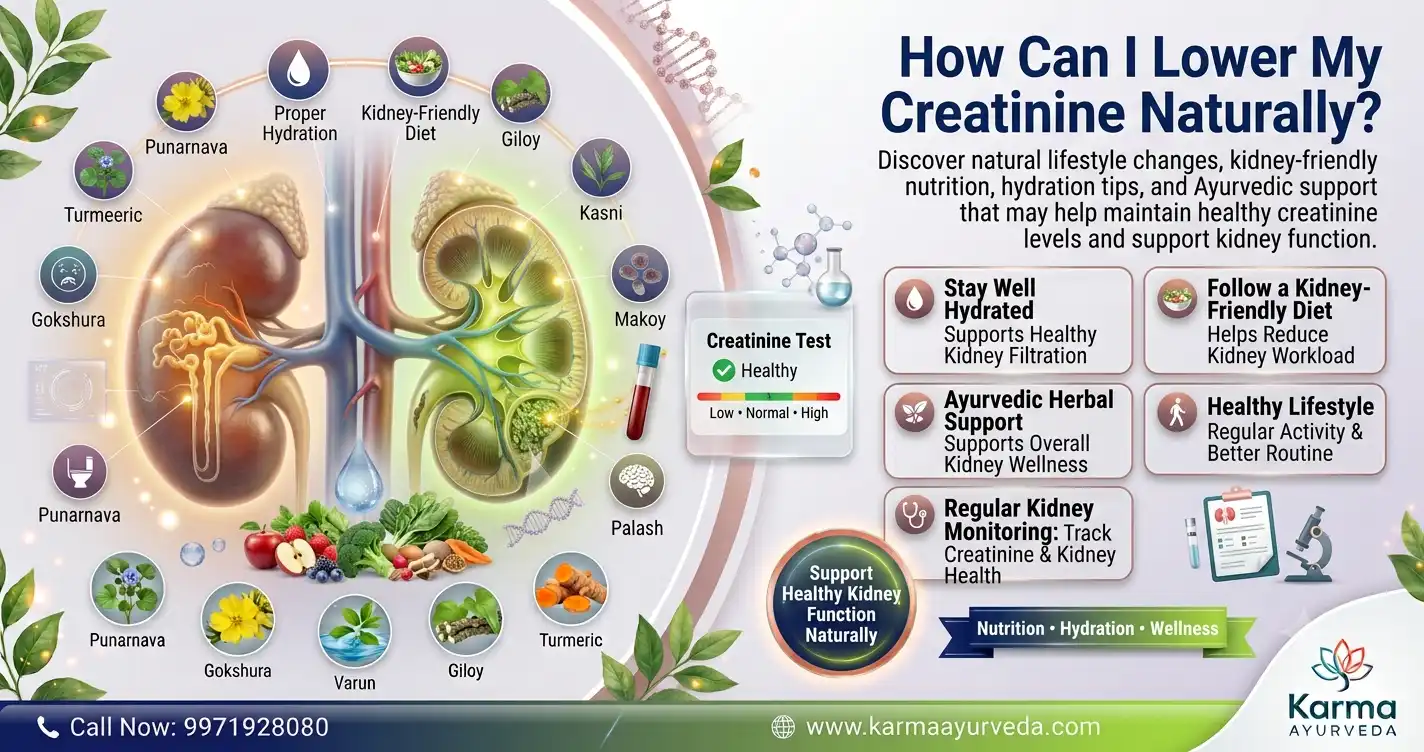
If you're wondering how to lower creatinine naturally, the short answer is this: you can't directly "flush out" creatinine overnight, but you may be able to lower high creatinine levels naturally by addressing the underlying cause and adopting kidney-friendly habits. If high creatinine is linked to chronic kidney disease (CKD) or another medical condition, lifestyle changes work best alongside proper medical care; not instead of it.
Take a deep breath. High creatinine isn't a disease by itself; it's a clue. Think of it as your kidneys sending a polite email saying, "Hey, we should probably talk."
The good news? While there isn't a magic food, miracle drink, or secret herb that instantly lowers creatinine, several healthy habits can support your kidneys and, in some cases, help improve creatinine levels by managing the underlying issue.
Creatinine is a waste product produced when your muscles use energy. Every day, your body makes a fairly steady amount of it, and healthy kidneys filter it out through urine.
When the kidneys aren't filtering efficiently, creatinine levels in the blood may rise.
A high creatinine result doesn't always mean severe kidney disease, but it does deserve proper evaluation.
Several factors can increase blood creatinine levels, including:
In other words, creatinine is more like a messenger than the actual problem.
Yes; but there's an important catch.
Natural methods don't directly remove creatinine from your blood. Instead, they may help improve the conditions affecting kidney function, which can allow creatinine levels to improve if the underlying cause is manageable.
That's why the goal isn't simply chasing a lower lab number; it's supporting healthier kidneys.
One of the simplest ways to support healthy kidneys is drinking enough fluids.
Dehydration can temporarily increase creatinine levels, so staying adequately hydrated helps the kidneys filter waste more efficiently.
However, if you have advanced kidney disease, heart failure, or fluid restrictions, always follow your doctor's advice regarding fluid intake.
Your kidneys enjoy water; but they don't need you carrying a gallon jug everywhere like you're training for a hydration Olympics.
High blood pressure is one of the leading causes of kidney damage.
Helpful habits include:
Keeping blood pressure under control helps protect kidney function over time.
If diabetes is present, stable blood sugar levels are essential.
Consistently high blood sugar damages the tiny blood vessels inside the kidneys, reducing their filtering ability.
Small improvements made every day often have a much bigger impact than occasional "healthy weeks."
A balanced kidney-friendly diet may include:
Depending on your kidney function, your healthcare provider may also recommend limiting:
Diet plans should always be personalized because kidneys, unfortunately, don't come with identical instruction manuals.
Protein is important; but more isn't always better.
Large amounts of protein powders or bodybuilding supplements may temporarily increase creatinine production in some people.
That doesn't mean protein is "bad." It simply means balance matters.
Regular physical activity supports:
Extremely intense exercise, however, may temporarily raise creatinine because muscles produce more of it during heavy exertion.
Moderation usually wins this race.
Smoking reduces blood flow to the kidneys and speeds up kidney damage.
Quitting smoking benefits almost every organ in the body; and yes, your kidneys are definitely on that guest list.
Some medications can affect kidney function or increase creatinine levels.
These may include:
Never stop medications on your own, but do discuss concerns with your healthcare provider.
While no food directly "removes" creatinine, many foods support overall kidney wellness.
Good choices often include:
Your exact diet depends on your kidney function, so always personalize it with professional guidance.
Depending on your kidney condition, your healthcare provider may recommend reducing:
It's less about banning foods forever and more about making smarter everyday choices.
Several well-known studies support lifestyle measures for protecting kidney health.
The Kidney Disease: Improving Global Outcomes (KDIGO) guidelines recommend controlling blood pressure, diabetes, dietary sodium, and maintaining a healthy lifestyle to slow kidney disease progression.
The CRIC Study demonstrated that better management of blood pressure, diabetes, and cardiovascular risk factors is associated with slower progression of chronic kidney disease.
The National Kidney Foundation emphasizes healthy nutrition, physical activity, smoking cessation, and individualized dietary planning as key components of kidney care.
These recommendations consistently support improving overall kidney health rather than focusing solely on lowering a laboratory number.
Myth: "Drinking 8 liters of water will lower creatinine."
Reality: Hydration helps, but more isn't always better.
Myth: "One herb can normalize creatinine overnight."
Reality: No reliable scientific evidence supports miracle cures.
Myth: "High creatinine always means kidney failure."
Reality: Not necessarily; it depends on the underlying cause.
Myth: "Lowering creatinine means curing kidney disease."
Reality: Creatinine is one marker, not the entire story.
Seek medical evaluation if high creatinine is accompanied by:
Early diagnosis often leads to better long-term kidney care.
If you're searching for how to lower creatinine naturally, remember this: healthy kidneys don't usually respond to shortcuts; they respond to consistency.
A balanced kidney-friendly diet, proper hydration, blood pressure control, diabetes management, regular exercise, and avoiding smoking can all support kidney health. While these habits may help improve creatinine levels in some people, the most important step is identifying and treating the underlying cause.
Your creatinine number is only one chapter of the story. The real goal is keeping your kidneys healthy enough to keep writing many more chapters.
This case study follows the journey of a patient with declining kidney function who was advised to prepare for dialysis or a kidney transplant after his serum creatinine level reached 2.4 mg/dL. Along with elevated creatinine, he experienced persistent weakness, fatigue, and reduced kidney filtration (eGFR), which affected his confidence and daily life. Seeking a natural and holistic approach, he chose to begin treatment at Karma Ayurveda.
After a detailed evaluation, the medical team developed a personalized treatment plan that included Ayurvedic herbal formulations, dietary guidance, lifestyle modifications, and regular monitoring. The treatment focused on supporting kidney function naturally, addressing the underlying factors contributing to renal dysfunction, and promoting overall well-being rather than simply managing symptoms.
Over the course of treatment, the patient experienced encouraging improvements. His serum creatinine level decreased from 2.4 mg/dL to 1.93 mg/dL, while his eGFR improved, indicating better kidney filtration and overall renal function. He also reported feeling more energetic and confident as his health progressed. His journey demonstrates how a comprehensive Ayurvedic approach, combined with consistent treatment and healthy lifestyle changes, may help support kidney health and improve quality of life. While outcomes vary from person to person, this case highlights the potential benefits of personalized, holistic care alongside appropriate medical supervision.
Healthy lifestyle changes may support kidney function, but treating the underlying cause is most important.
It can help if dehydration is the reason, but it won't reverse chronic kidney disease.
There are no miracle foods, but a balanced kidney-friendly diet supports healthier kidneys.
Moderate exercise supports kidney health, while very intense workouts may temporarily increase creatinine.
No, dehydration, medications, muscle mass, and other conditions can also raise creatinine levels.
This article is intended for educational purposes only and should not be considered medical advice. High creatinine levels can have many different causes, and proper evaluation is essential. Always consult a qualified healthcare professional before making changes to your diet, medications, supplements, or treatment plan. Natural lifestyle measures should complement; not replace; appropriate medical care.
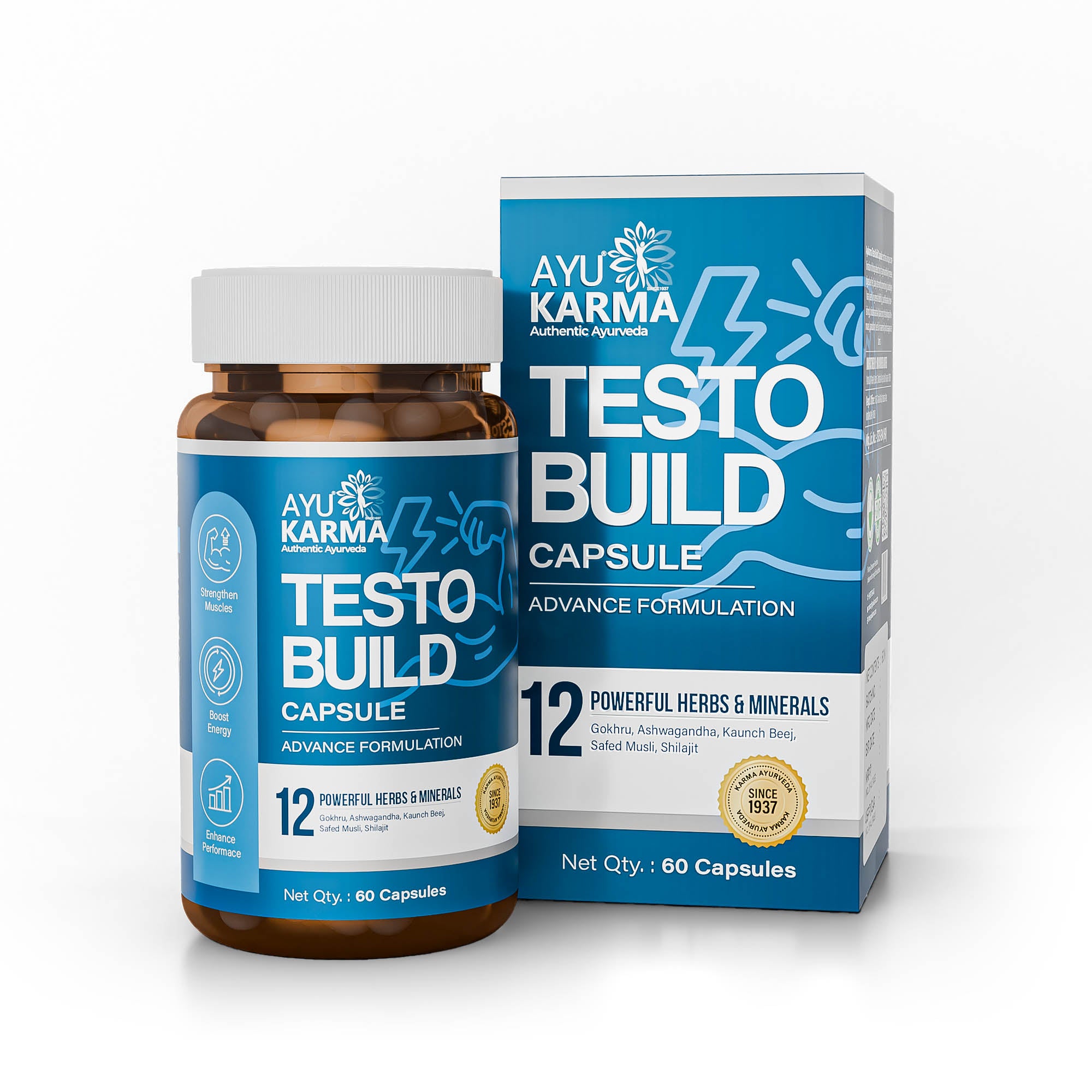
AyuKarma Testo Build Capsules combine 12 Ayurvedic herbs and minerals to support strength, energy, stamina, physical performance, nourishment and overall daily vitality.

AyuKarma Hair Lush Capsules combine Ayurvedic herbs to support hair growth, reduce hair fall, strengthen roots, nourish the scalp and promote healthier-looking hair.
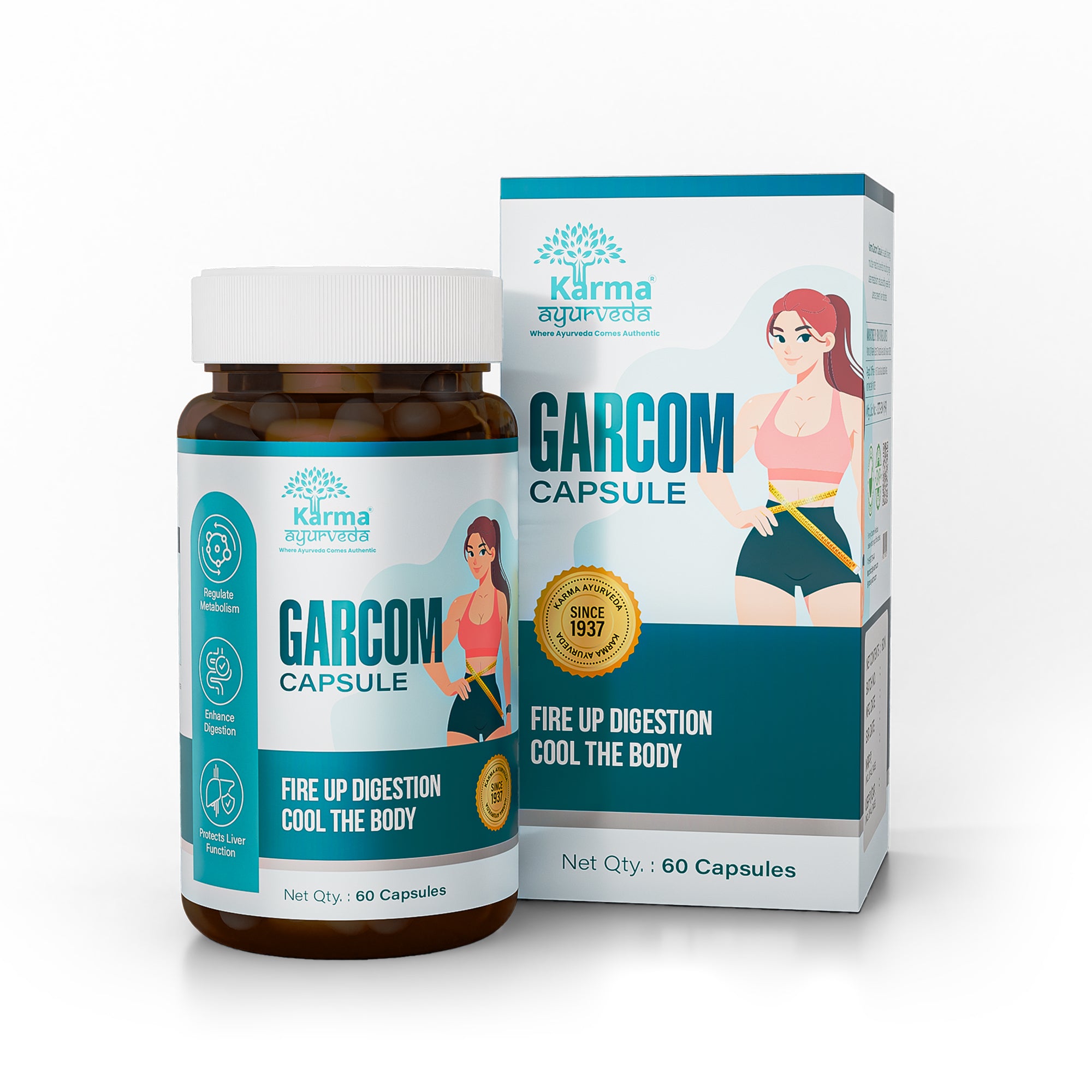
Karma Garcom Capsules contain Garcinia indica to support healthy metabolism, digestion, weight management, digestive comfort and daily wellness alongside a balanced lifestyle.
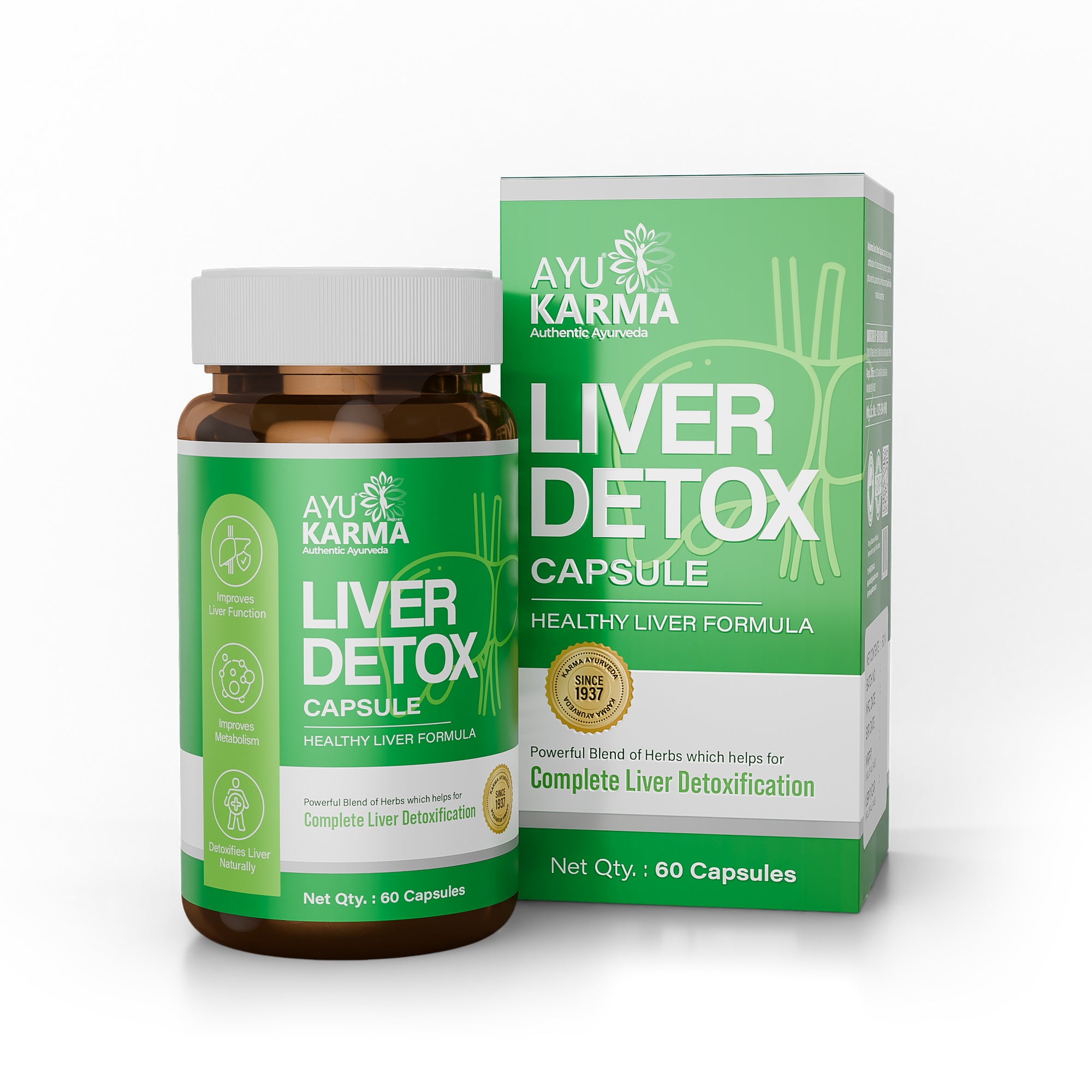
Doctor-recommended liver supplement that helps detoxify the liver, support healthy cholesterol, improve digestion & promote liver health. Developed by Dr. Puneet Dhawan with Karma Ayurveda philosophy.
Second Floor, 77, Block C, Tarun Enclave, Pitampura, New Delhi, Delhi, 110034

Certificate no- AH-2023-0186
JAN 05, 2026 - JAN 04, 2029

US FDA Reg. No.: 14568299376