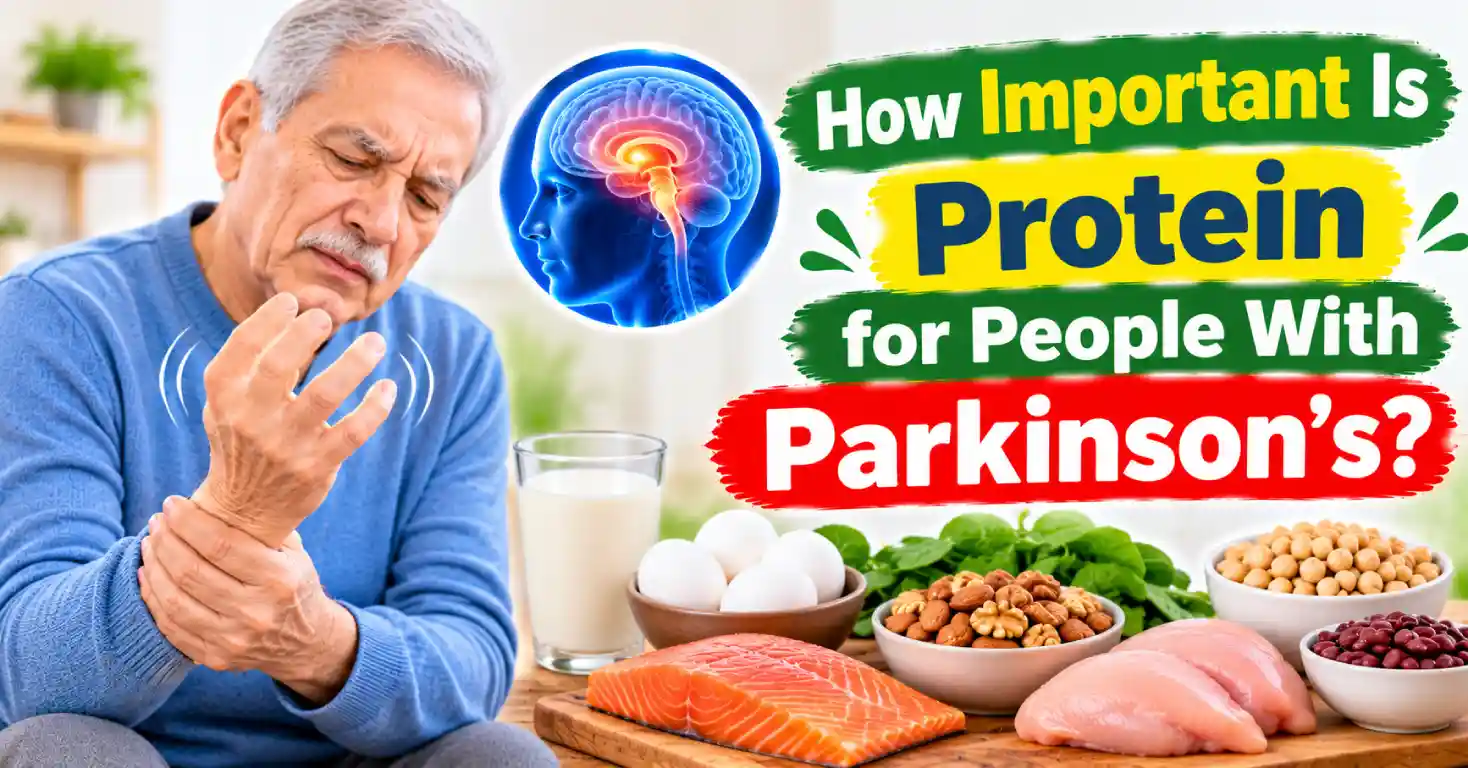
How Important Is Protein for People With Parkinson’s?
Protein matters a lot for people with Parkinson's; it's what keeps muscle mass and mobility intact; but the timing of it needs some real thought, because eaten at the wrong moment, it can actually block key medications from doing their job. Get the timing right, and you keep both your strength and your treatment working the way they should.
Living with a movement disorder often feels like a constant balancing act, and that's especially true when you're trying to coordinate meals with a prescription schedule. Protein is genuinely good for your body; it just needs a bit of tactical planning around when you eat it.
The Great Protein Paradox
Protein is the raw material your body uses to repair muscle, support immune function, and build neurotransmitters. The catch is that when protein breaks down into amino acids, those amino acids use the exact same transport system; both in the gut and across the blood-brain barrier; as Levodopa.
So, if you eat protein at the same time you take your medication, protein for Parkinson's patients can actually crowd out the medication for absorption. Less active medication makes it to the brain, and that means "off" periods; tremors or stiffness creeping back sooner than they should.
A study in the Journal of Neural Transmission found that amino acids compete directly with Levodopa right at the intestinal wall. Another paper in Movement Disorders backed this up, finding that a Protein Redistribution Diet (PRD); basically, shifting most of your daily protein to the evening meal; cut down on daytime motor fluctuations significantly, without reducing how much protein you're getting overall.
Balancing Protein and Timing
The goal isn't cutting protein out; it's shifting when you eat it.
- The 30/60 Rule: Take Levodopa at least 30 minutes before eating, or wait 60 minutes after a meal, so the medication gets a head start in your system.
- Light by day, heavier at night: Keep breakfast and lunch centered on complex carbs, healthy fats, and lighter plant-based options, and save the bigger protein portions for dinner.
- Stay hydrated: Drinking enough water helps food move through your stomach faster, so it's not sitting there alongside your medication longer than it needs to.
| Meal Time | Protein Strategy | Primary Goal |
|---|---|---|
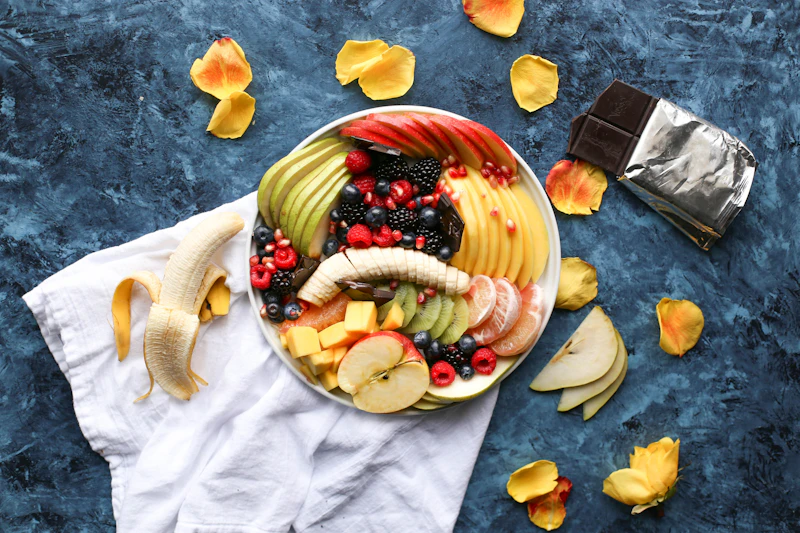
| Breakfast | Low protein (oatmeal, fruit, berries) | Clear path for morning doses |
| Lunch | Moderate protein (salad with light nuts/seeds) | Keep afternoon energy stable |
| Dinner | High protein (lentils, fish, lean meats) | Support muscle repair overnight |
Holistic Approaches and Natural Support
Managing a progressive neurological condition often means looking beyond just the medication schedule, and that's where a lot of people start exploring natural treatment for Parkinson's. Pairing modern medicine with holistic support can round out a care plan in a meaningful way.
Integrative practices; like the approach taken by Dr. Puneet Dhawan and the team at Karma Ayurveda for Parkinson's treatment; tend to focus on balancing the body's internal energies (Doshas), supporting gut health, and dialing down systemic inflammation. Since gut motility has a real effect on how well food and medication move through your system, herbal and dietary guidance from a natural practitioner can genuinely complement your daily routine.
If you're exploring a Ayurvedic Parkinson treatment plan, a few specific herbs tend to come up again and again:
- Ashwagandha (Withania somnifera): Known for supporting neuroprotection and helping combat physical fatigue and oxidative stress.
- Mucuna Pruriens: A natural source of L-dopa, often mentioned when people look into the best herbs for Parkinson's; though it absolutely needs professional monitoring to avoid dosing conflicts with existing medication.
- Brahmi (Bacopa monnieri): Supports cognitive function, memory, and nerve signaling.
- Gotu Kola: Traditionally used to support circulation and calm inflammation in the central nervous system.
When people go looking for the best medicines for Parkinson's, the reality is that pairing targeted therapies with structured nutrition is usually what actually holds mobility, strength, and quality of life together over time.
Key Takeaways
- Don't cut protein; muscle mass and repair genuinely depend on it.
- Timing matters; separate protein intake from medication by 30 to 60 minutes.
- Shift protein to evening; bigger portions at dinner help keep daytime motor function more stable.
- Consider natural support alongside medication; programs like Karma Ayurveda for Parkinson's treatment can offer supportive care for gut health and overall vitality.
FAQs
Does protein completely stop Parkinson's medication from working?
No; it doesn't stop it entirely, but competing amino acids can delay or reduce how much of it actually gets absorbed.
Should people with Parkinson's go on a low-protein diet?
No; cutting protein too low risks dangerous muscle loss. Shifting when you eat protein through the day is the better approach.
Can natural treatment for Parkinson's help alongside regular medication?
Yes; integrative approaches can support digestion, nerve health, and overall daily vitality alongside standard medical care.
What are the best herbs for Parkinson's support?
Ashwagandha, Mucuna Pruriens, and Brahmi are among the botanicals most commonly used in herbal protocols for neurological and motor support.
Disclaimer
This article is for informational purposes only and isn't medical advice, diagnosis, or treatment. Always talk to a qualified healthcare provider or neurologist before changing your diet, protein intake, or medication routine. Never put off professional medical advice or skip it because of something you read online.