Understanding Liver Scarring: From Early Inflammation to Cirrhosis
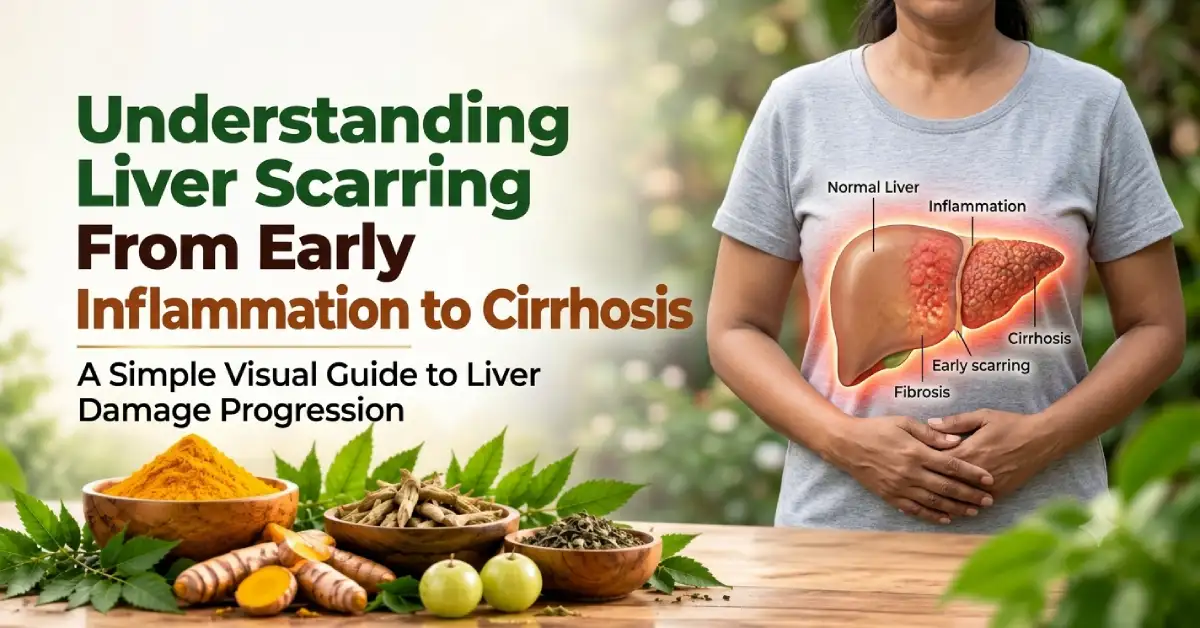
Liver damage turns into advanced scarring when ongoing inflammation pushes special liver cells to churn out dense collagen faster than the organ can keep up with repairs. Over time, that slow build-up of scar tissue chokes off internal blood flow, and soft, healthy tissue gradually turns into the rigid structure we call cirrhosis.
Think of your liver as the ultimate multitasker. It filters toxins, processes nutrients, balances hormones, and stores energy for when you need it. But like any hardworking engine, constant wear and tear eventually catches up with it. When it's under persistent stress; whether that's a poor diet, a chronic viral infection, or years of heavy drinking; the organ gets irritated. Instead of doing routine upkeep, it shifts into a kind of constant emergency-repair mode, laying down tough fiber that slowly chips away at how well it functions.
The Four Stages: How the Liver Changes Over Time
Severe scarring doesn't show up overnight. It usually creeps along quietly, over the course of several years, through four distinct phases:
Inflammation (Hepatitis): The liver swells in response to ongoing stress or injury. At this early stage, the tissue is irritated, but nothing structural has changed yet.
Fibrosis (Early Scarring): Constant swelling pushes hepatic stellate cells to overproduce extracellular matrix proteins; this is documented in a World Journal of Gastroenterology study on hepatic fibrogenesis. Soft tissue starts to harden as thin bands of scar tissue begin forming.
Advanced Fibrosis: Scar tissue works its way deeper into the liver, disrupting normal blood flow and cutting off healthy cells from the oxygen and nutrients they need.
Cirrhosis: The liver develops extensive, permanent scarring along with serious structural distortion. This is the point where finding an effective natural liver cirrhosis treatment strategy becomes genuinely important; for protecting whatever functional tissue remains and preserving quality of life.
Spotting the Early Warning Signs
Here's the tricky part: early liver distress rarely announces itself loudly. The first symptoms are so mild that most people just chalk them up to a rough week.
Persistent fatigue; feeling completely worn out even after a full eight hours of sleep.
Mild abdominal discomfort; a dull, quiet ache or sense of fullness in the upper right side of the belly.
Digestive issues; frequent bloating, appetite that mysteriously drops off, or mild nausea after a heavy meal.
Unusual skin changes; tiny, spider-like blood vessels showing up on the chest or shoulders, or palms that look unusually red.
Sudden sensitivity; a surprisingly low tolerance for medications, caffeine, or alcohol that never used to bother you.
When people start looking into supportive care, many come across Karma Ayurveda for liver cirrhosis treatment, a holistic approach led by Dr. Puneet Dhawan. This kind of integrative care tends to focus on whole-body wellness alongside the monitoring you'd normally get from conventional medicine.
Healthy Liver vs. Severely Scarred Liver; A Quick Comparison
| Metric | Normal Health | Advanced Stage (Cirrhosis) |
|---|---|---|
| Texture | Soft, smooth, and flexible | Rigid, bumpy, and nodular |
| Blood Circulation | Smooth, low-pressure flow | Restricted flow (Portal Hypertension) |
| Nutrient Synthesis | Highly efficient protein production | Compromised protein & enzyme synthesis |
| Toxin Clearance | Rapid filtration of daily waste | Sluggish metabolic processing |
| Self-Healing Ability | Exceptional capacity to regenerate | Severely limited recovery capacity |
Supporting Liver Health with Nature and Time-Tested Botanical Herbs
When you're trying to support an overworked liver, classical botanical herbs paired with gentle lifestyle habits can offer real nourishment. Working a natural treatment for cirrhosis into a supervised health plan is really about easing metabolic strain and reducing the ongoing stress the body's dealing with.
Researchers looking into liver cell health; including a study published in Biomedicine & Pharmacotherapy; have pointed to the protective role targeted antioxidants can play against oxidative stress in liver tissue.
Punarnava (Boerhavia diffusa): Traditionally used to reduce fluid retention and help maintain balanced fluid levels in the body.
Katuki (Picrorhiza kurroa): Long used in traditional herbalism to support bile flow and assist the body's natural detox processes.
Bhumi Amla (Phyllanthus niruri): Rich in protective antioxidants that help shield liver cells from everyday oxidative damage.
Kalmegh (Andrographis paniculata): Well regarded for soothing internal metabolic inflammation and supporting digestion.
Figuring out the best herbs for cirrhosis support, or discussing the best medicines for cirrhosis management, should always be a conversation you have with a qualified medical professional; not something you decide on your own. If you're looking for holistic guidance, consulting with Dr. Puneet Dhawan at Karma Ayurveda for liver cirrhosis treatment can offer a structured, plant-based approach tailored to your specific situation.
Pairing these herbs with a clean diet, zero alcohol, staying well-hydrated, and sticking to a structured natural treatment for cirrhosis lifestyle plan gives your body its best shot at staying balanced. Finding a genuine natural liver cirrhosis treatment isn't about chasing quick fixes; it's the consistent, day-to-day care that actually moves the needle.
Key Takeaways
- Catching it early matters most. Early inflammation and fibrosis are largely manageable; and often reversible; if you catch them before severe scarring sets in.
- Listen to the whisper symptoms. Constant fatigue, sudden digestive changes, and that dull upper-right abdominal ache are early signals worth paying attention to, not ignoring.
- Botanical support has a role. Herbs like Katuki, Punarnava, and Bhumi Amla; among the best herbs for cirrhosis; can offer natural antioxidant support.
- Integrative expertise helps. Working with specialists experienced in Karma Ayurveda for liver cirrhosis treatment, such as Dr. Puneet Dhawan, can help build an individualized plan that blends traditional botanical knowledge with everyday lifestyle changes.
Frequently Asked Questions
Can early-stage liver scarring be slowed down or reversed?
Yes; early fibrosis can often be managed or stabilized if the underlying cause of inflammation is addressed promptly.
What's the single best herb for cirrhosis management?
Herbs like Bhumi Amla and Katuki are widely valued for their protective antioxidant properties, but they tend to work best as part of a tailored protocol rather than used alone.
Are there best medicines for cirrhosis that cure the condition completely?
There's no single universal cure for advanced liver scarring, but targeted therapies focus on halting progression and managing symptoms effectively.
How does Karma Ayurveda support long-term liver health?
Under the guidance of experts like Dr. Puneet Dhawan, holistic centers focus on balancing the body's doshas through specialized herbal formulations and dietary adjustments.
Disclaimer
This article is for educational and informational purposes only and doesn't constitute formal medical advice, diagnosis, or treatment. Always consult a qualified healthcare professional or specialist before starting any new treatment, herbal regimen, or lifestyle change; especially if you already have an existing medical condition.