
Which Foods Should You Eat for Knee Pain?
If your knees sound like rusty door hinges every time you stand up, what you eat can actually help quiet that down and give you back some bounce. What's on your plate plays a genuinely big role in cooling inflammation, protecting cartilage, and making every step feel less like a negotiation.
Let's be honest; joint pain is the uninvited guest that never leaves. Climbing a flight of stairs, trying to enjoy a morning walk, or just standing up off the couch without an involuntary "groan" sound effect; achy joints have a way of making everything feel heavier than it should. But before you resign yourself to a life on the heating pad, check your kitchen first. Food isn't just fuel; it's honestly one of the smarter places to look for a natural treatment for knee pain that works from the inside out.
Why Does Your Joint Whine So Much?
Think of your joints like a car's suspension system. When everything's cushioned and oiled properly, the ride is smooth. But over time; wear and tear, old sports injuries, general inflammation; that cushioning thins out. The body responds to the added friction by sending in inflammatory chemicals, and that's where the swelling, stiffness, and that dull, familiar ache come from.
Food isn't going to hand you the knees of an eighteen-year-old sprinter overnight. But eating the right things acts a bit like a high-grade lubricant; it can quiet those inflammatory signals down and give your cartilage what it actually needs to stay resilient.
The Anti-Inflammatory Grocery List
Here's what's actually worth adding to your cart. Nothing exotic or hard to find; just real food from any regular grocery store.
1. Fatty Fish
Salmon, mackerel, sardines, and trout are loaded with Omega-3s, which actively work against the enzymes that drive inflammation. A study in the Annals of the Rheumatic Diseases found that people who ate more Omega-3s had less joint space loss and lower pain levels with osteoarthritis. If fish isn't your thing, walnuts, chia seeds, and flaxseeds are solid plant-based swaps among foods for knee pain relief.
2. Bright Berries & Cherries
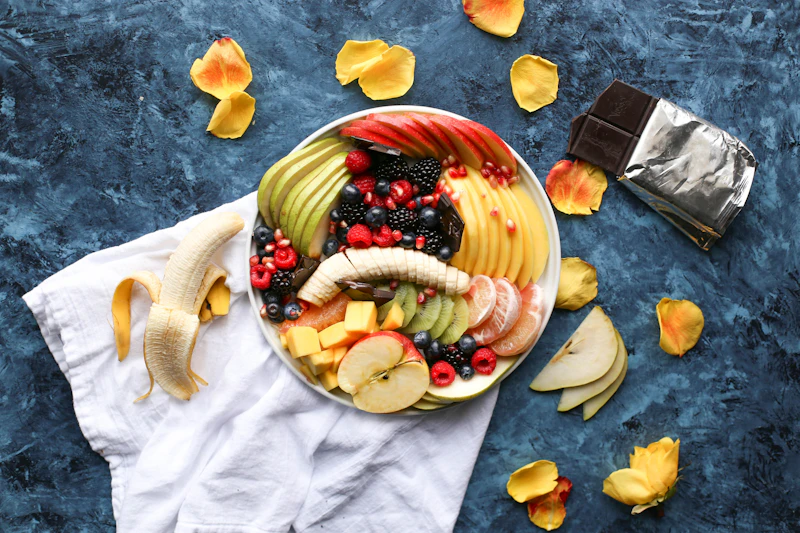
Blueberries, strawberries, raspberries, tart cherries; all rich in anthocyanins, the antioxidants behind their deep red and purple color. Research from the Arthritis Foundation found tart cherry juice in particular can noticeably lower inflammation markers like CRP. And honestly, they taste like dessert, so this one's an easy sell.
3. Leafy Greens & Cruciferous Veggies
Spinach, kale, broccoli; genuine powerhouses. Broccoli in particular contains sulforaphane, a compound that researchers at the University of East Anglia found actually blocks the enzymes responsible for breaking down joint cartilage. So yes, your mom was right; eat your broccoli if you're looking for real foods to eat for knee pain relief.
4. Golden Spices & Kitchen Herbs
Don't sleep on your spice rack. Turmeric contains curcumin, one of the most researched anti-inflammatory compounds out there. A study in the Journal of Medicinal Food found curcumin extracts worked about as well as some standard NSAIDs for easing joint stiffness; minus the stomach upset. Pair it with a pinch of black pepper and you boost absorption dramatically. Ginger's another one worth keeping around; it also works against inflammatory molecules.
5. Extra Virgin Olive Oil
Basically liquid gold. Extra virgin olive oil contains oleocanthal, a compound whose effects are surprisingly similar to ibuprofen. Drizzle it over salads or warm vegetables and you've turned an ordinary meal into a quiet natural knee pain treatment.
Herbal Allies and Traditional Approaches
Whole foods are the foundation, but certain herbs have been used for centuries to bring relief to tired joints. Looking into the best herbs for knee pain often leads people toward holistic systems like Ayurveda, where herbal formulation is genuinely treated like a craft.
Ingredients like Boswellia Serrata (Indian Frankincense), Ashwagandha, and concentrated curcumin extracts come up often as some of the best medicines for knee pain when sourced from clean, plant-based origins.
For anyone wanting more guided, expert-led care, structured herbal protocols can make a real difference. A lot of people turn to specialists like Dr. Puneet Dhawan, whose approach leans heavily on plant-based, root-cause healing. Programs like Karma Ayurveda for knee pain treatment combine customized diet plans with traditional herbs to work on systemic inflammation without leaning on heavy synthetic medication. Pairing smart nutrition with that kind of expert guidance tends to give the body the more complete support it's actually asking for.
What's Working vs. What's Wrecking Your Joints
Here's a quick, practical cheat sheet for swapping out the friction-causing stuff for joint-friendly alternatives:
| Food Category | The Joint-Friendly Champs | The Inflammation Troublemakers | Why It Matters |
|---|---|---|---|
| Fats & Oils | Extra virgin olive oil, avocado oil, walnut oil | Deep-fried oils, trans fats, corn oil | Healthy fats calm inflammation; processed oils trigger flare-ups. |
| Proteins | Wild salmon, sardines, lentils, beans | Heavily processed meats, high-fat red meat | Omega-3s actively protect joint cartilage. |
| Sweet Treats | Dark cherries, blueberries, dark chocolate (70%+) | Refined sugar, soda, processed pastries | Excess sugar creates AGEs that stiffen joints. |
| Spices & Herbs | Turmeric (with black pepper), ginger, garlic | Excessive refined salt, artificial seasonings | Natural spices block inflammatory pathways directly. |
What Foods Should You Avoid?
Knowing what to skip matters just as much as knowing what to add. If you're trying to keep inflammation in check, it's worth dialing back on:
- Refined sugars; soda, candy, baked goods all spike insulin and trigger inflammatory cytokines.
- Ultra-processed foods; fast food and packaged snacks often hide trans fats and refined omega-6 oils that throw the body's balance off.
- Excessive alcohol; it can disrupt gut health and amplify inflammation, which is a big reason your legs feel extra stiff the morning after.
Key Takeaways
- Load up on anti-inflammatory foods; fatty fish, leafy greens, berries, and extra virgin olive oil, ideally daily.
- Use your spices; turmeric and ginger, used generously, genuinely help target joint discomfort.
- Protect your cartilage; cruciferous vegetables like broccoli contain sulforaphane, which helps slow cartilage breakdown.
- Consider holistic care; traditional herbal approaches, like Karma Ayurveda for knee pain treatment or guidance from practitioners like Dr. Puneet Dhawan, can offer more structured support.
- Cut back on the bad stuff; refined sugar, deep-fried food, and processed meats all contribute to unnecessary flare-ups.
Frequently Asked Questions
What is the fastest natural knee pain treatment using diet?
Sticking consistently with anti-inflammatory foods; tart cherry juice, ginger tea, fatty fish; can start easing stiffness within a few weeks.
Can herbs really help as a natural treatment for knee pain?
Yes. Turmeric, ginger, and boswellia all contain active compounds shown to lower inflammatory markers in joint tissue.
Are there natural best herbs for knee pain I can cook with daily?
Turmeric, fresh ginger, garlic, and rosemary are all easy to work into daily cooking and carry real anti-inflammatory benefits.
How does Dr. Puneet Dhawan approach joint care?
The approach leans on holistic, herbal, and diet-based remedies aimed at the root causes of systemic inflammation.
Disclaimer
This article is for informational and educational purposes only and isn't professional medical advice. Always talk to a qualified healthcare provider or physician before making major changes to your diet, starting a new herbal protocol, or treating a chronic joint condition.