Unlocking Wellness Naturally
100% Ayurvedic Treatment


The short answer? There isn't one magic number that works for every kidney patient. Some people need to drink more water, while others; especially those with advanced chronic kidney disease (CKD) or on dialysis; may actually need to limit fluids.
Sounds confusing? Don't worry. By the end of this blog, you'll know why your neighbor's "drink 4 liters a day" advice might be the worst thing for your kidneys. (Sorry, Uncle Sharma. Your WhatsApp wisdom doesn't always apply.)
Our kidneys love balance; not too much, not too little. Think of them like a well-trained security guard. Give them the right amount of work, and they perform beautifully. Overload them or starve them of water, and things can get messy.
Let's break it down in the simplest way possible.
Your kidneys filter waste, remove extra fluid, balance minerals, and help regulate blood pressure.
Water helps by:
But here's the catch...
If your kidneys aren't working well, drinking excessive water doesn't magically "wash them clean." That's a myth that refuses to retire.
Here's the honest answer:
It depends on:
In other words, kidneys don't believe in one-size-fits-all fashion.
The key word here is individualized.
Many people believe:
"More water = healthier kidneys."
Unfortunately, kidneys didn't sign that agreement.
When kidney function declines, excess fluid may build up because the kidneys can't remove it efficiently.
Too much water can lead to:
Think of it like pouring water into a bucket with a clogged drain. Eventually, it's going to overflow.
Now let's not swing to the opposite extreme.
Not drinking enough water may cause:
Basically, kidneys also dislike drama. They prefer consistency.
Doctors don't randomly pick a number.
They look at:
Sometimes the recommendation might be:
"Drink according to thirst."
Other times it may be:
"Limit fluids to 1–1.5 liters daily."
That's why copying someone else's fluid plan isn't a great idea.
Watch out for:
These can suggest fluid retention, especially in advanced kidney disease.
Look for:
Again, these symptoms aren't exclusive to dehydration, but they're worth discussing with your healthcare provider.
No.
This is probably one of the biggest misconceptions.
Many patients with early CKD continue to produce normal amounts of urine and may not need fluid restriction at all.
Fluid restriction becomes more common when:
Surprise!
It's not just water.
Fluids include:
Yes, even that "just one bowl of soup" joins the fluid party.
Fluid restriction can be frustrating.
A few tricks that may help include:
Your brain often wants a giant glass of water. Sometimes your mouth just wants a little comfort.
Not necessarily.
If creatinine is temporarily elevated due to dehydration, proper hydration may help.
However, in chronic kidney disease, drinking extra water usually doesn't lower creatinine simply because more water went in.
The underlying kidney condition still needs appropriate medical management.
Several scientific studies support individualized hydration rather than excessive water intake.
1. CKD Water Intake Trial (WIT)
The CKD Water Intake Trial evaluated whether increasing water intake slowed kidney disease progression. The study found that simply drinking more water did not produce a significant improvement in kidney function compared with usual intake.
2. KDIGO Clinical Practice Guidelines for Chronic Kidney Disease
The KDIGO (Kidney Disease: Improving Global Outcomes) Guidelines recommend personalized fluid advice based on kidney function, urine output, and overall clinical condition rather than universal high-water intake recommendations.
3. National Kidney Foundation Guidance
The National Kidney Foundation emphasizes that fluid needs vary widely among people with kidney disease and should be individualized, especially for patients with advanced CKD or dialysis.
The takeaway from research is refreshingly simple: drink the amount your kidneys can handle; not the amount social media recommends.
See? Your kidneys are basically asking for balance; not extremes.
Here are some simple habits that can make hydration easier:
Your kidneys appreciate teamwork.
So, how much water should kidney patients drink?
The answer depends entirely on the individual. While healthy hydration supports overall kidney health, drinking excessive water isn't a treatment for chronic kidney disease, and drinking too little can create problems of its own.
The goal isn't to drink the most water. It's to drink the right amount for your specific condition. That's something your healthcare provider can determine based on your kidney function, urine output, and overall health.
Your kidneys don't expect perfection. They just appreciate consistency; and perhaps a little less advice from random internet "health experts."
Raees Kosar from Bihar was diagnosed with advanced kidney disease after his health declined rapidly. He experienced persistent fatigue, swelling in his limbs, nausea, and loss of appetite, all of which severely affected his daily life. Medical reports revealed a serum creatinine level of 6.7 mg/dL and an eGFR of 10 ml/min, indicating critically reduced kidney function. Based on these findings, he was advised to undergo a kidney transplant. Seeking a non-surgical alternative, Raees chose to begin treatment at the Karma Ayurveda clinic in Bengaluru.
Following a detailed assessment, he received a personalized Ayurvedic treatment plan that included herbal formulations, a kidney-friendly diet, lifestyle modifications, and regular monitoring. The treatment focused on supporting kidney function naturally, reducing the burden on the kidneys, and improving overall health through a holistic approach rather than relying on invasive procedures.
Over the following months, Raees experienced steady improvements in both his symptoms and kidney function. His serum creatinine level decreased from 6.7 mg/dL to 4.3 mg/dL, while his eGFR improved, indicating better kidney performance. He also reported increased energy, reduced swelling, and an overall improvement in his quality of life. His journey demonstrates how personalized Ayurvedic care, combined with consistent treatment and appropriate medical supervision, may help support kidney health and enhance overall well-being. While individual outcomes vary, his experience highlights the potential benefits of a holistic approach to kidney care.
The right amount depends on your kidney function, urine output, and your doctor's advice.
No, extra water cannot repair damaged kidneys, though staying properly hydrated supports overall kidney health.
Yes, many dialysis patients need a personalized fluid limit based on urine output and treatment schedule.
Only dehydration-related creatinine may improve with hydration; chronic kidney disease usually requires broader medical management.
Not necessarily; urine color alone cannot determine kidney health.
This article is intended for educational purposes only and should not replace professional medical advice, diagnosis, or treatment. Fluid requirements vary significantly among individuals with kidney disease. Always consult your nephrologist or healthcare provider before making changes to your daily fluid intake, diet, or treatment plan. Never rely solely on general hydration advice if you have chronic kidney disease or are receiving dialysis.
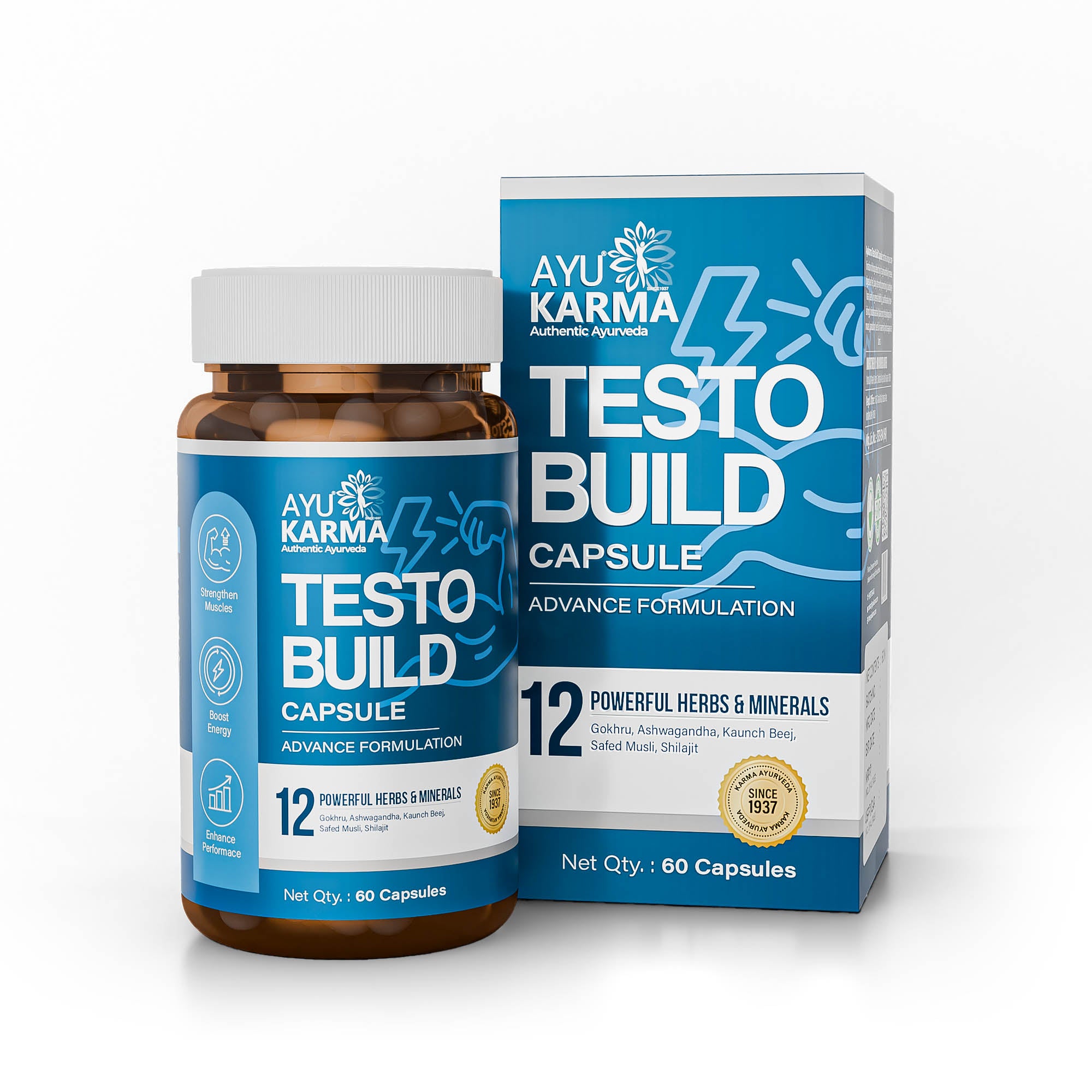
AyuKarma Testo Build Capsules combine 12 Ayurvedic herbs and minerals to support strength, energy, stamina, physical performance, nourishment and overall daily vitality.

AyuKarma Hair Lush Capsules combine Ayurvedic herbs to support hair growth, reduce hair fall, strengthen roots, nourish the scalp and promote healthier-looking hair.

Karma Garcom Capsules contain Garcinia indica to support healthy metabolism, digestion, weight management, digestive comfort and daily wellness alongside a balanced lifestyle.
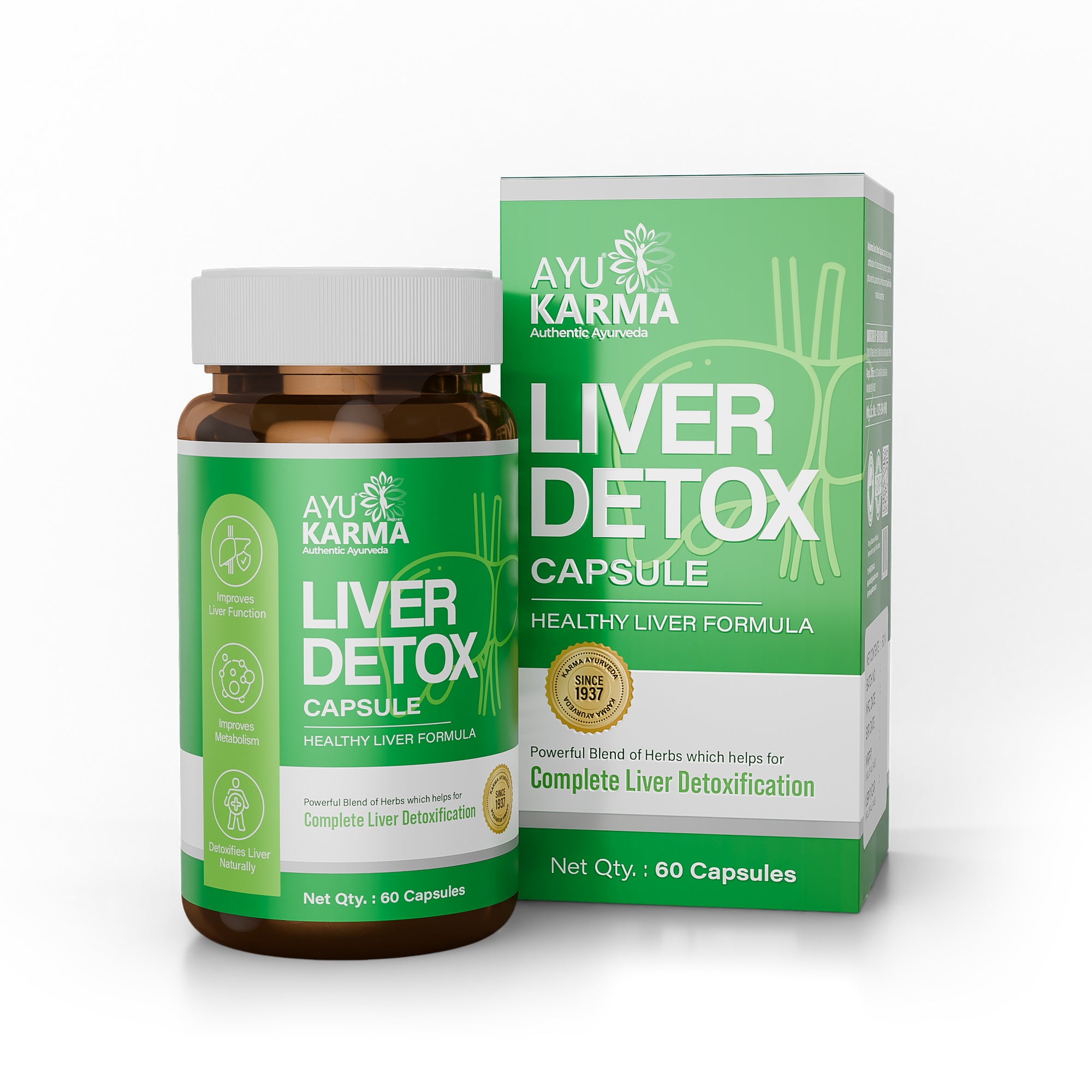
Doctor-recommended liver supplement that helps detoxify the liver, support healthy cholesterol, improve digestion & promote liver health. Developed by Dr. Puneet Dhawan with Karma Ayurveda philosophy.
Second Floor, 77, Block C, Tarun Enclave, Pitampura, New Delhi, Delhi, 110034

Certificate no- AH-2023-0186
JAN 05, 2026 - JAN 04, 2029

US FDA Reg. No.: 14568299376