Unlocking Wellness Naturally
100% Ayurvedic Treatment

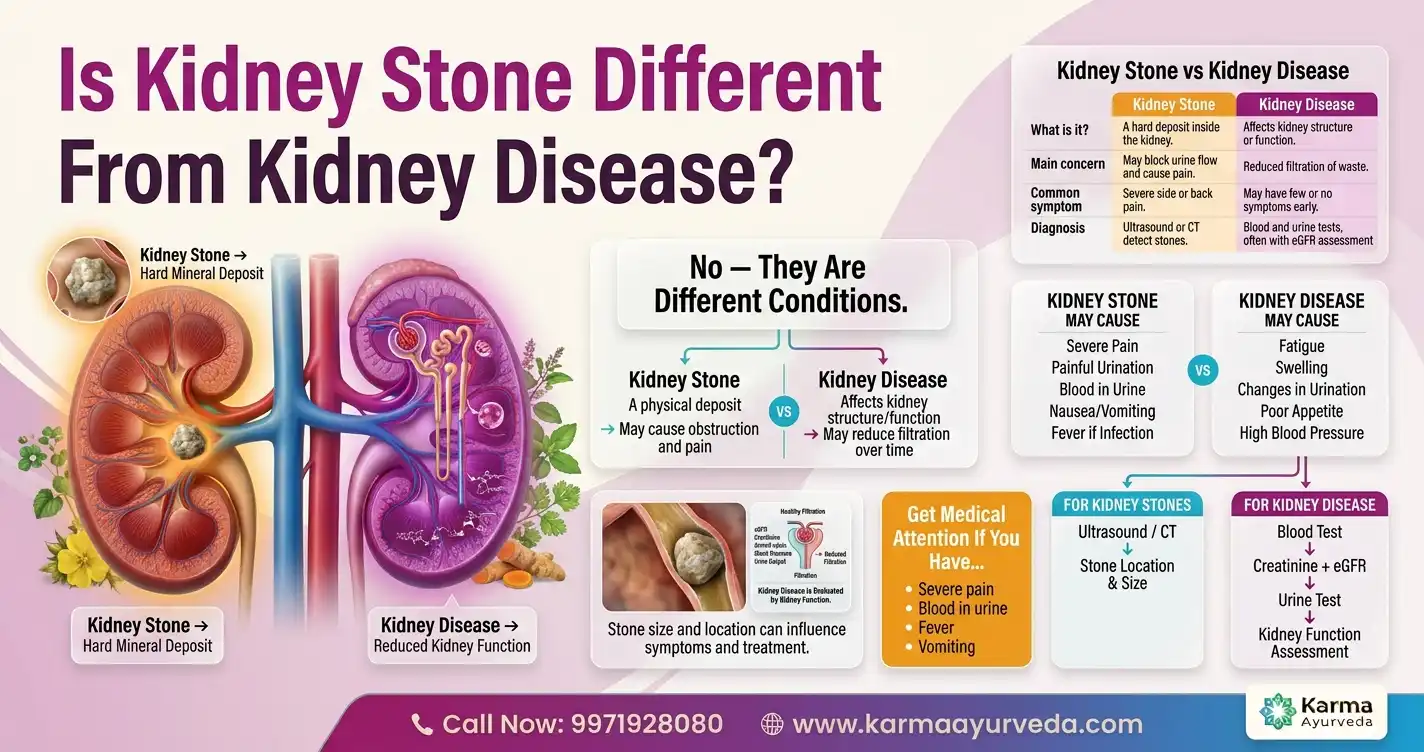
Yes, a kidney stone is different from kidney disease. A kidney stone is a hard deposit that forms inside the urinary system, while kidney disease is a broader term for conditions that damage the kidneys or reduce their ability to filter blood properly.
The confusion is understandable. Both have “kidney” in the name, both can affect kidney function, and unfortunately, the kidneys do not come with a giant “this is what’s wrong” dashboard. But the two conditions are not the same.
A kidney stone is a hard, pebble-like material that forms when certain minerals and salts become too concentrated in urine and crystallize. Calcium oxalate stones are the most common, but uric acid, struvite and cystine stones can also occur. (NIDDK)
Think of it as a tiny unwanted houseguest that decided to move into your urinary tract without asking.
Some stones are very small and pass through the urine without causing much trouble. Others can become lodged in the ureter, the tube connecting the kidney to the bladder, and cause some seriously unpleasant pain.
Common kidney stone symptoms include:
A stone can sometimes cause no symptoms at all, especially when it is small. (NIDDK)
Kidney disease is a much broader term. It means there is damage or a structural problem affecting the kidneys and their ability to work properly.
One of the most important forms is chronic kidney disease (CKD). CKD develops when kidney damage or reduced kidney function persists over time. The kidneys may gradually become less efficient at removing waste and excess fluid from the blood. (NIDDK)
Unlike kidney stones, early CKD often has no obvious symptoms. That is one reason it can be surprisingly sneaky.
When kidney disease becomes more advanced, symptoms can include:
Blood and urine tests are often needed to identify kidney disease, especially in the early stages. (NIDDK)
Here is the simple version:
Kidney Stone:
Kidney Disease:
So, kidney stones and kidney disease are not interchangeable terms.
A person can have a kidney stone without having chronic kidney disease. Likewise, someone can have CKD without ever having had a kidney stone.
Here is where things get a little more interesting.
Usually, a kidney stone does not automatically mean kidney disease is going to develop. In fact, NIDDK notes that kidney stones rarely cause permanent kidney damage when they are appropriately treated. (NIDDK)
However, complicated, untreated or recurrent kidney stones can affect kidney health.
A stone that remains stuck may block urine flow. Repeated obstruction, infections or other complications can put stress on the kidneys and, in some cases, contribute to loss of kidney function. NIDDK lists kidney stones with complications among possible causes of CKD. (NIDDK)
Research has also found an association between kidney stones and later kidney problems.
For example, a 2012 cohort study published in the Clinical Journal of the American Society of Nephrology, “Kidney stones and kidney function loss: a cohort study,” followed a large population and found that people who experienced kidney stones had higher risks of advanced CKD, doubling of serum creatinine and end-stage kidney disease. Importantly, the researchers also noted that the absolute increase in risk was small. (PubMed)
A 2017 meta-analysis published in Urolithiasis, involving more than 4.7 million participants across eight cohorts, also found an association between nephrolithiasis and CKD. The pooled relative risk for CKD was 1.52, while the association with end-stage kidney disease was stronger. (PubMed)
More recently, a nationwide Korean cohort study involving more than 439,000 adults found that people with urolithiasis requiring procedural treatment had a higher risk of developing CKD than matched controls, with an adjusted hazard ratio of 1.41. (PubMed)
That does not mean every person with a stone will develop CKD. It simply reinforces why recurrent or complicated stones should not be brushed off as “just a stone.”
Several factors can increase the chance of developing kidney stones, including:
The exact prevention strategy depends on the type of stone. For some people, increasing fluid intake is helpful; dietary changes involving sodium, animal protein, calcium or oxalate may also be recommended depending on the stone type. (NIDDK)
And yes, water gets another appearance here. The humble glass of water really does have excellent job security.
Chronic kidney disease causes are much broader.
The two leading causes in adults are:
Other causes can include glomerular diseases, inherited kidney conditions, autoimmune disorders, infections, certain medications or toxins, acute kidney injury and complications from urinary obstruction, including complicated kidney stones. (NIDDK)
This is why saying “I have a kidney problem” is a little like saying “my car has a problem.” Helpful? Not very. The cause matters.
The tests can overlap, but doctors are looking for different things.
For kidney stones, evaluation may include:
Imaging can help determine the stone’s size and location and whether it is blocking urine flow. (NIDDK)
For kidney disease, doctors commonly look at:
Because early CKD may not cause symptoms, testing can be especially important for people with diabetes, high blood pressure, heart disease or a family history of kidney failure. (NIDDK)
Yes, absolutely.
Having one does not automatically exclude the other.
For example, someone may have CKD caused by long-standing diabetes and separately develop a kidney stone. Another person may have recurrent complicated stones that contribute to declining kidney function.
That is why persistent symptoms, recurrent stones or abnormal kidney-function tests deserve proper medical evaluation rather than guesswork.
Seek prompt medical attention if you have severe or persistent pain, fever or chills, vomiting, blood in the urine, difficulty urinating or symptoms suggesting infection.
A blocked urinary tract combined with infection can become a medical emergency. Larger stones or stones causing significant obstruction or pain may require treatment to remove or break them apart. (NIDDK)
And if you already have chronic kidney disease, do not assume that a new stone is harmless just because you have experienced stones before. Your overall kidney function matters.
So, is a kidney stone different from kidney disease? Yes.
A kidney stone is one specific urinary problem, while kidney disease is a much broader category involving kidney damage or impaired kidney function. The two can exist separately, but complicated or recurrent stones may increase the risk of kidney problems over time.
The good news is that neither deserves panic. They do, however, deserve attention. If you have recurring stones, unusual urine changes, swelling, persistent pain or abnormal kidney test results, getting the right diagnosis is far more useful than trying to decode your kidneys like a mysterious crossword puzzle.
No, a kidney stone is a separate condition, although complicated stones can sometimes contribute to kidney damage.
Yes, especially when stones repeatedly obstruct urine flow, cause infections or remain untreated.
Yes, many people develop kidney stones while their overall kidney function remains normal.
CKD does not automatically cause stones, but some kidney and metabolic conditions associated with CKD can increase stone risk.
It depends on the situation, but advanced kidney disease generally represents a more persistent loss of kidney function than an uncomplicated stone.
This article is intended for general educational purposes and should not replace medical diagnosis or treatment. Kidney stones and kidney disease can have different causes and complications. If you have severe pain, fever, difficulty urinating, blood in urine, abnormal kidney tests or recurring stones, consult a qualified healthcare professional for appropriate evaluation and treatment.
Continue using AI Cursor?Keep it onTurn Off
Continue using AI Cursor?Keep it onTurn Off
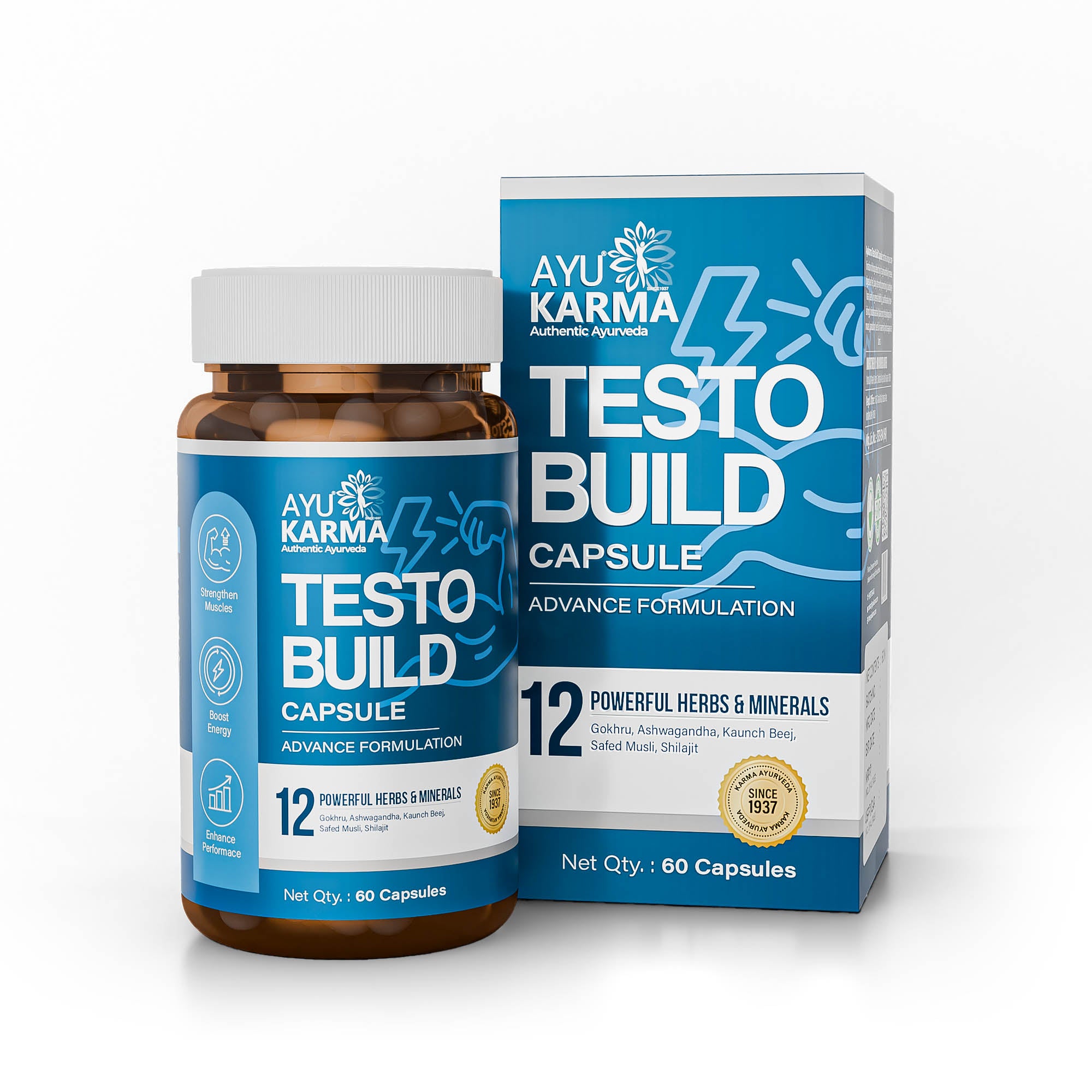
AyuKarma Testo Build Capsules combine 12 Ayurvedic herbs and minerals to support strength, energy, stamina, physical performance, nourishment and overall daily vitality.

AyuKarma Hair Lush Capsules combine Ayurvedic herbs to support hair growth, reduce hair fall, strengthen roots, nourish the scalp and promote healthier-looking hair.
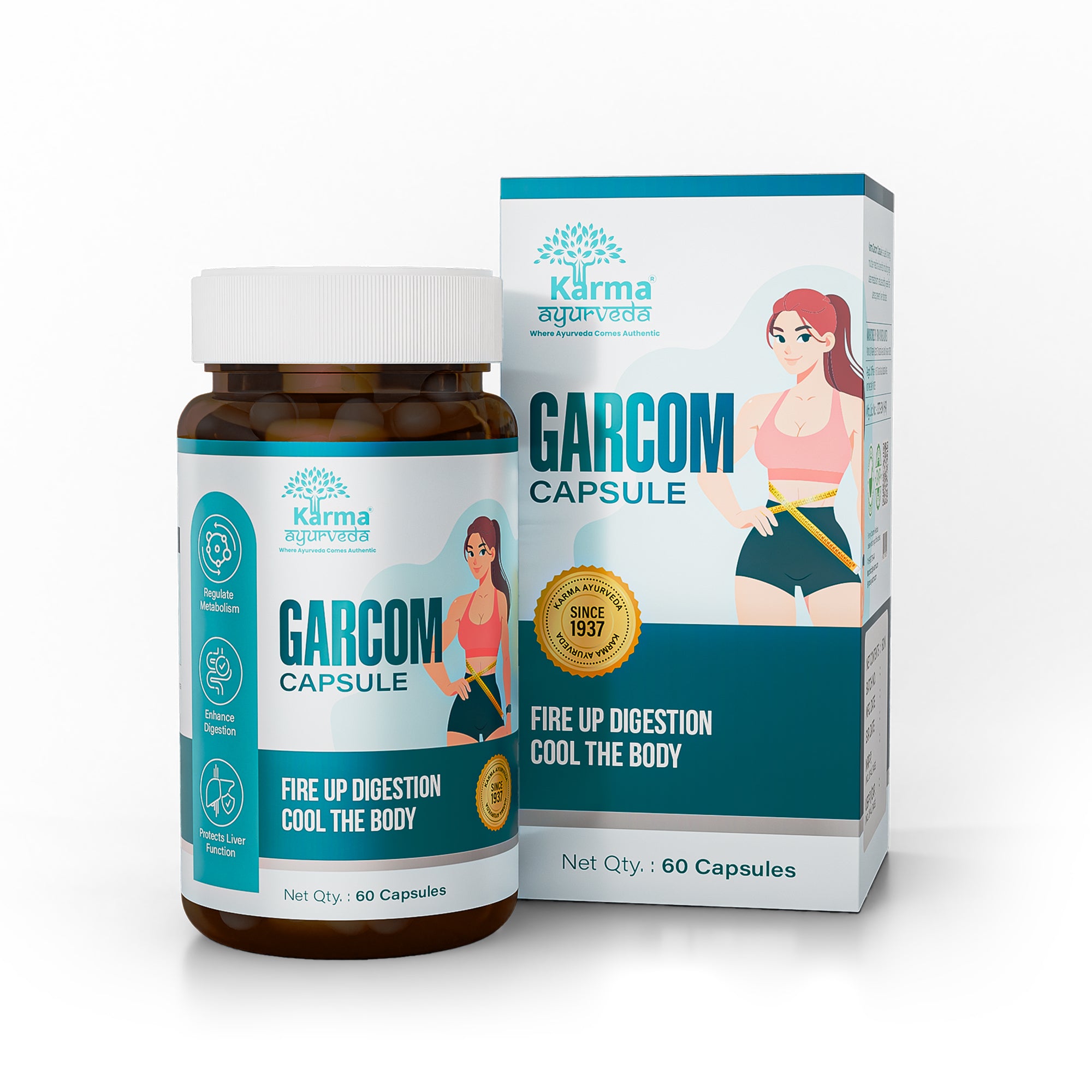
Karma Garcom Capsules contain Garcinia indica to support healthy metabolism, digestion, weight management, digestive comfort and daily wellness alongside a balanced lifestyle.
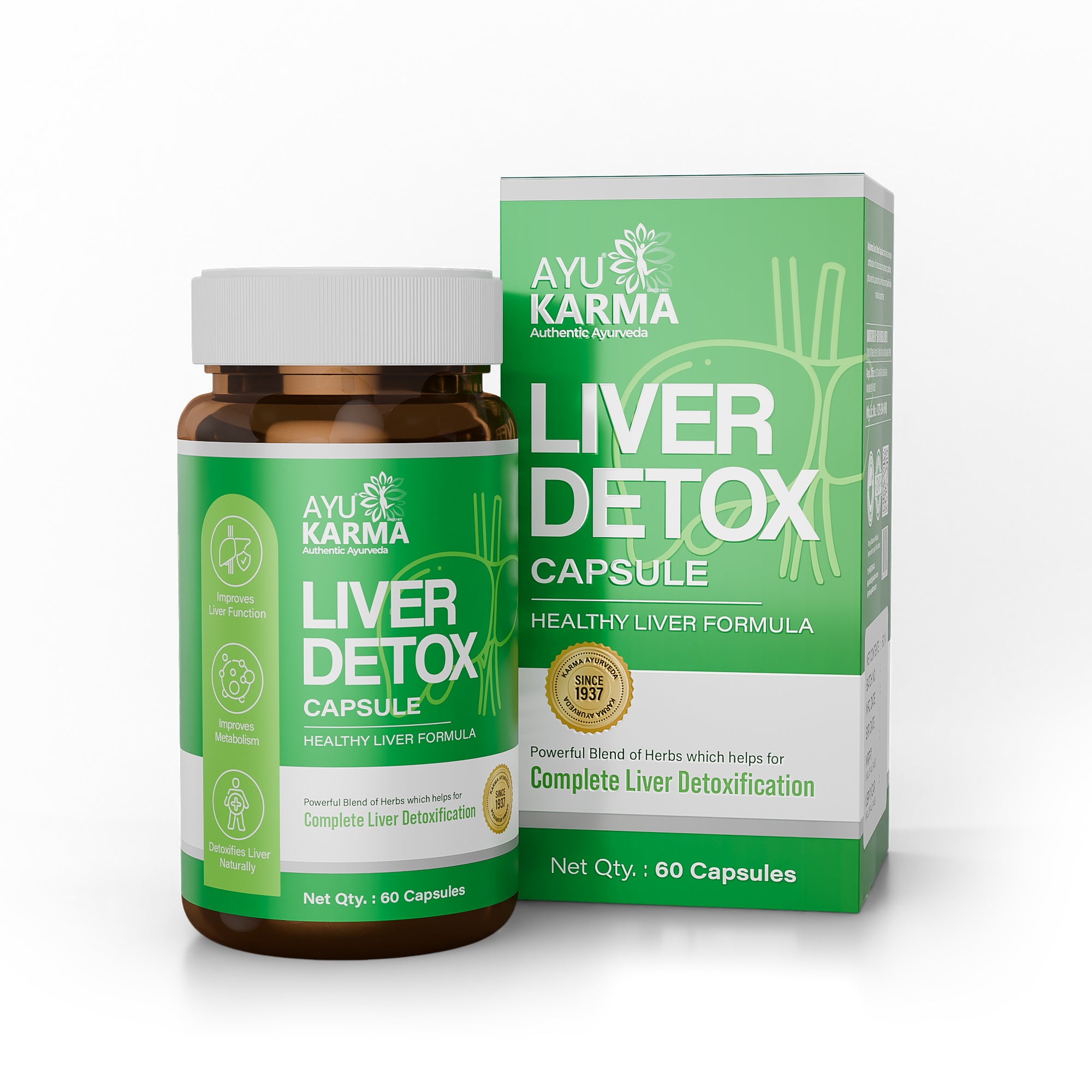
Doctor-recommended liver supplement that helps detoxify the liver, support healthy cholesterol, improve digestion & promote liver health. Developed by Dr. Puneet Dhawan with Karma Ayurveda philosophy.
Second Floor, 77, Block C, Tarun Enclave, Pitampura, New Delhi, Delhi, 110034

Certificate no- AH-2023-0186
JAN 05, 2026 - JAN 04, 2029

US FDA Reg. No.: 14568299376