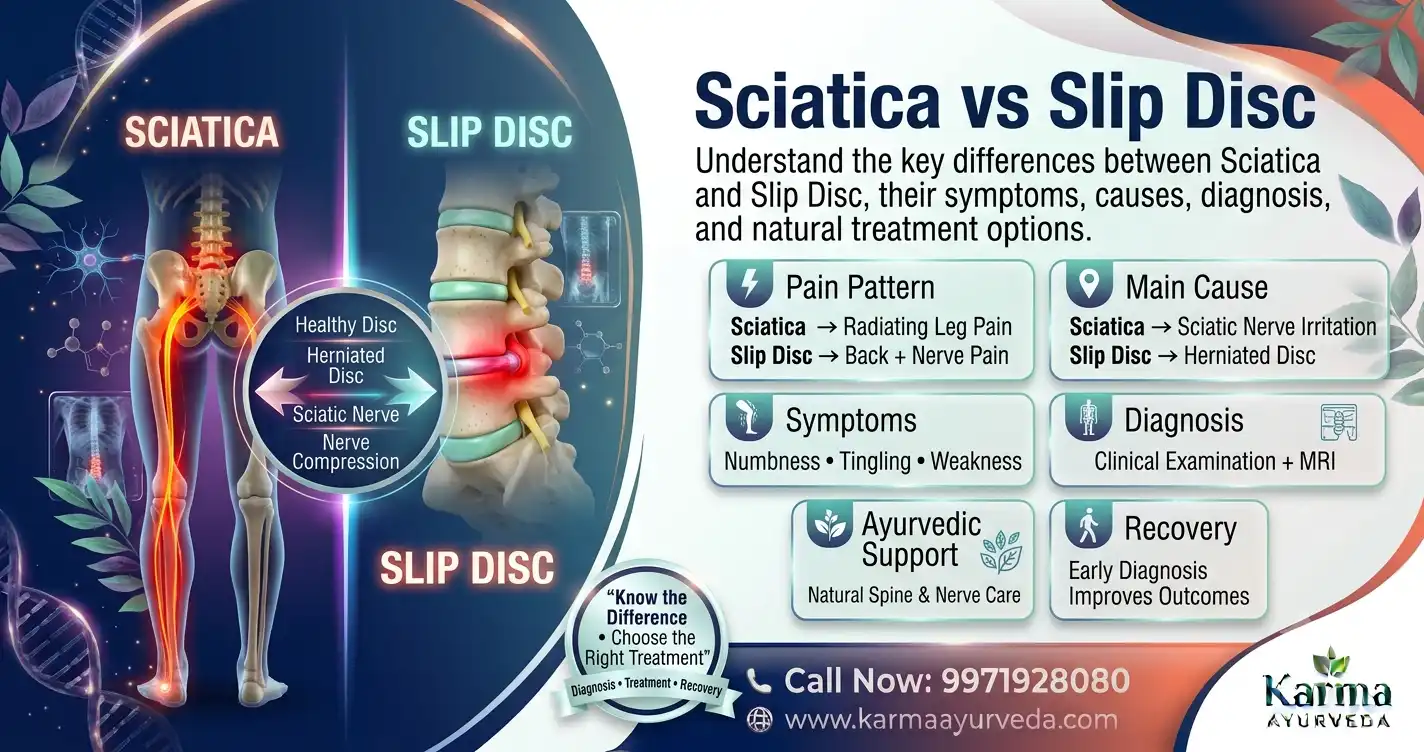
A slip disc is the physical structural damage to a spinal cushion, whereas sciatica is the shooting nerve pain that happens when that damaged cushion pinches the sciatic nerve. In plain English: a slip disc is the root cause, and sciatica is the screaming symptom.
If you have ever bent down to pick up a dropped pen and suddenly felt a bolt of electricity shoot straight down your buttock and all the way to your big toe, welcome to the club nobody wanted to join. It is easy to get confused when your doctor starts tossing around terms like "herniated nucleus pulposus," "sciatica," and "slipped disc" as if they are distinct entries in a horror anthology. But once you break down the mechanics, understanding Sciatica vs Slip Disc is actually surprisingly simple.
To understand what is happening in your lower back, imagine your spine as a stack of 24 heavy-duty bones (vertebrae) separated by little rubbery shock absorbers called intervertebral discs.
Each disc is essentially a jelly donut. It has a tough, fibrous outer ring (the dough) and a soft, gel-like center (the jelly). Their entire life goal is to absorb impact every time you jump, sit, twist, or attempt to lift heavy grocery bags in a single trip.
Despite the name, your disc does not actually "slip" out of your spine like a wet soap bar across a shower floor. It is firmly tethered between your vertebrae.
A "slipped disc"; which medical professionals formally call a herniated, bulging, or ruptured disc; happens when the tough outer ring gets torn or weak. When that happens, the squishy center bulges outward.
Here is the catch: a slipped disc by itself might not even hurt! If the bulging disc squeezes out into empty space without hitting any surrounding nerves, you might never know it is there. In fact, imaging studies published in StatPearls (NIH) show that up to 30% of adults with zero back pain actually have bulging or herniated discs on their MRI scans.
Sciatica is not a structural injury in itself; it is a neurological complaint.
Running right behind your spinal discs is the sciatic nerve; the thickest and longest single nerve in the human body. It branches out from your lower spine, travels down through your buttocks, and runs all the way down each leg to your feet.
When a slipped disc bulges out and physically presses against this nerve (or sprays inflammatory chemical proteins onto it), the nerve gets furious. It sends sharp, burning, zapping signals down its entire pathway. That radiating agony is sciatica.
Here is a quick cheat sheet to help you tell the difference between the physical malfunction and the nerve reaction:
You do not just have to take our word for it; medical research clearly maps out this cause-and-effect relationship:
When your nerve is throwing a temper tantrum, staying completely immobile in bed for weeks can actually make things worse by weakening the core muscles supporting your back. Instead, conservative care focusing on circulation, gentle movement, and nerve calming is widely recommended.
In traditional Indian medicine, sciatica is referred to as Gridhrasi (named after the gait of a vulture, describing how a person walks when protecting a painful leg). Ayurveda views this condition primarily as an aggravated Vata dosha imbalance; characterized by dryness, nerve instability, and stiffness in the lower body.
A comprehensive Sciatica Ayurvedic treatment regimen usually combines warm herbal therapies, gentle detoxification, and nourishment for the nervous system:
If you are looking to incorporate self-massage (Abhyanga) at home, choosing the right formulation makes a world of difference:
While most cases subside with conservative Sciatica home treatment, keep an eye out for red flag symptoms that require immediate medical attention:
A slip disc is an injury where a spinal disc bulges out, whereas sciatica is the shooting nerve pain that happens when that disc presses against the sciatic nerve.
Yes, sciatica can also be caused by piriformis muscle spasms, spinal canal narrowing, or joint arthritis compressing the nerve.
Mahanarayana Thailam and Dhanwantharam Thailam are two of the most widely recommended Ayurvedic oils for easing nerve irritation and back stiffness.
Most mild-to-moderate disc herniations and sciatic pain subside within 4 to 8 weeks through conservative care and movement.
This article is for informational and educational purposes only and does not constitute formal medical advice, diagnosis, or treatment. Always consult a qualified healthcare professional or spine specialist before starting any new treatment, exercise routine, or Ayurvedic remedy for lower back and nerve pain.
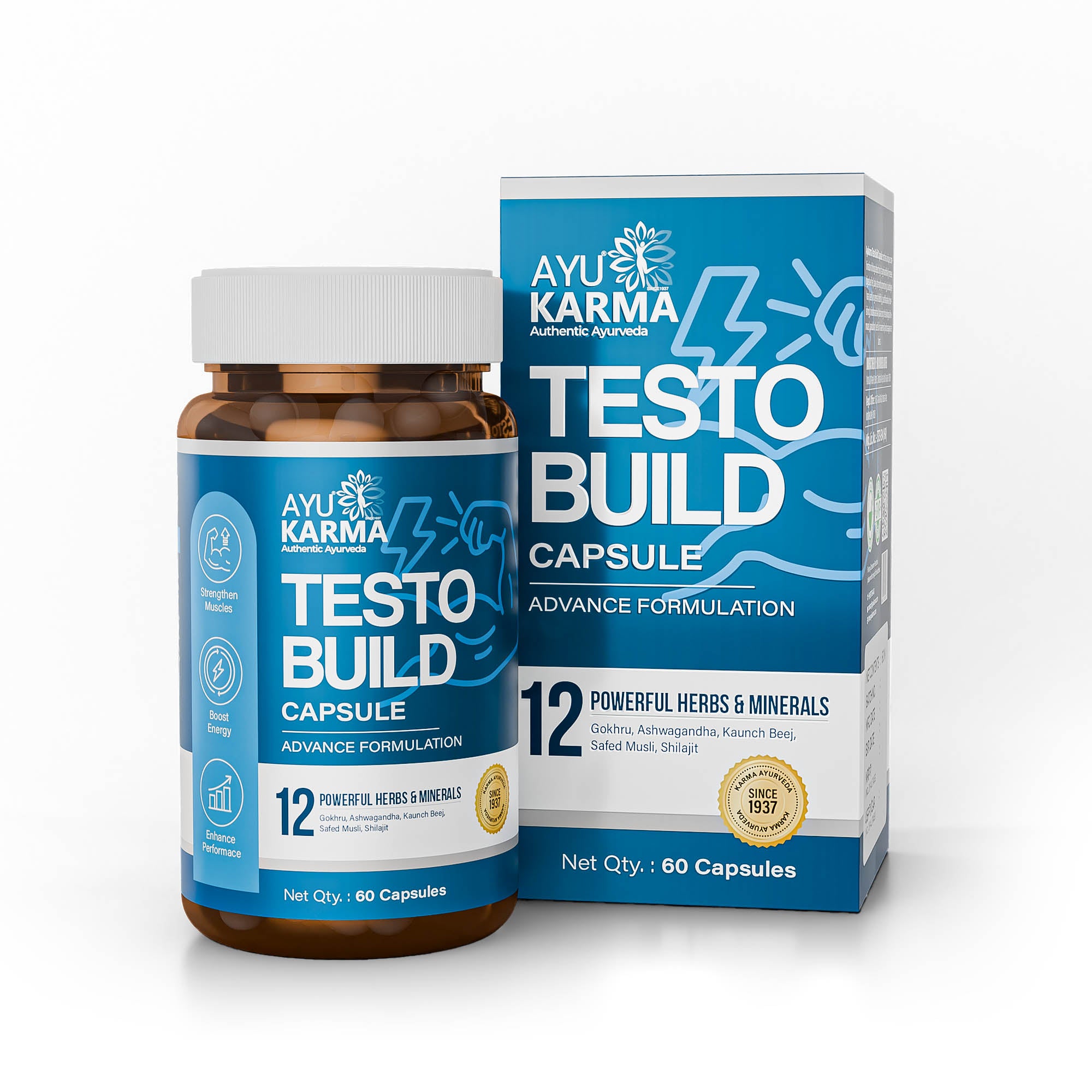
AyuKarma Testo Build Capsules combine 12 Ayurvedic herbs and minerals to support strength, energy, stamina, physical performance, nourishment and overall daily vitality.
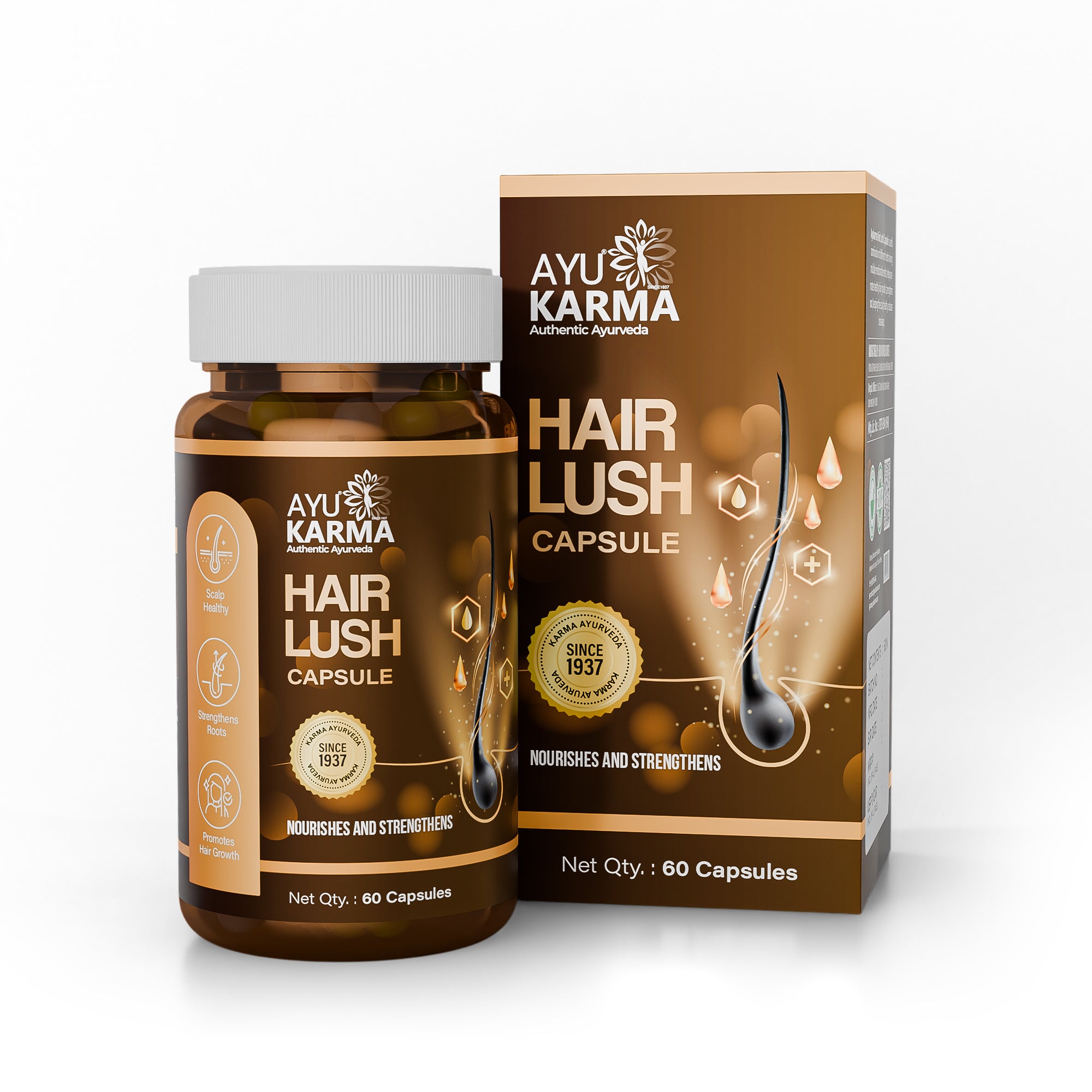
AyuKarma Hair Lush Capsules combine Ayurvedic herbs to support hair growth, reduce hair fall, strengthen roots, nourish the scalp and promote healthier-looking hair.
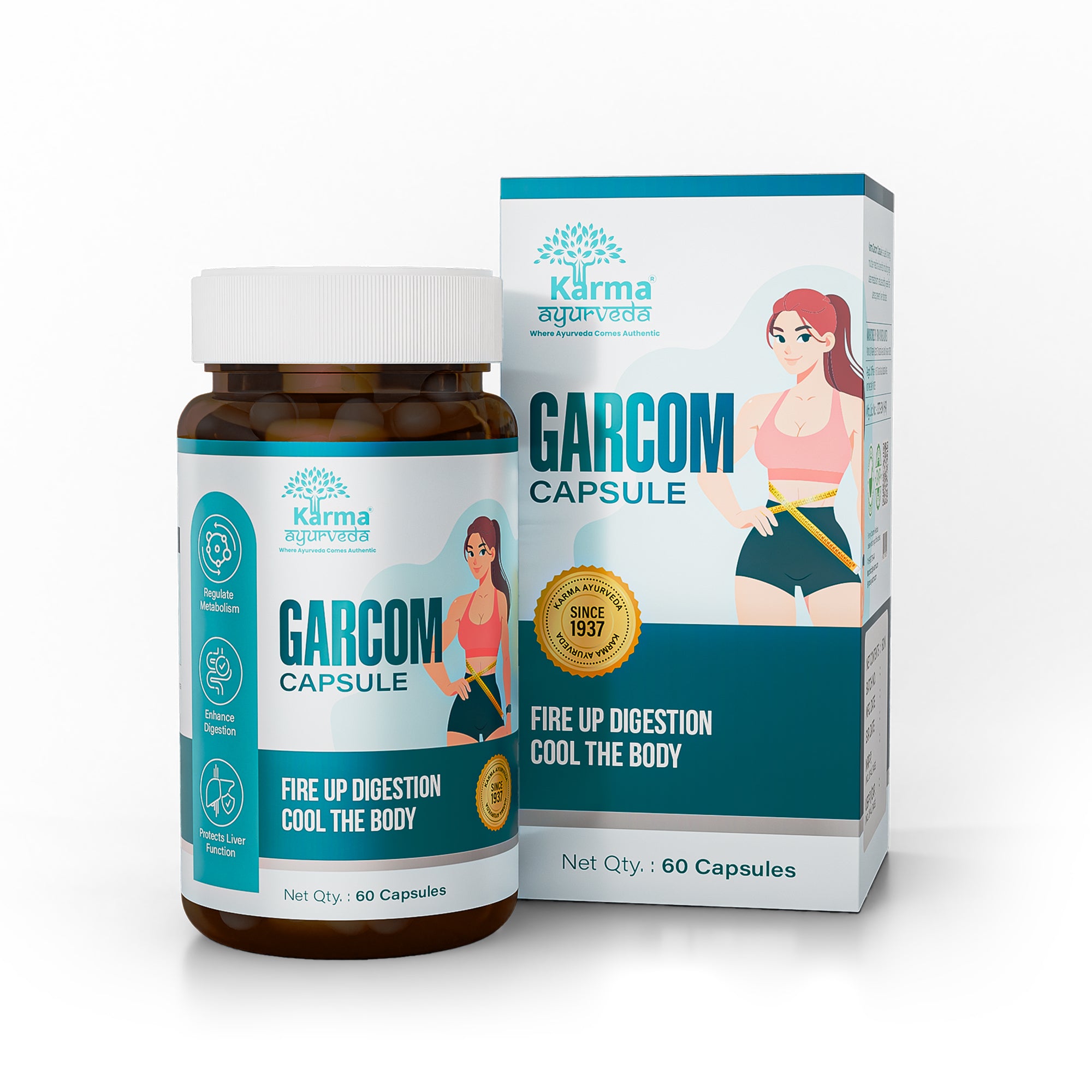
Karma Garcom Capsules contain Garcinia indica to support healthy metabolism, digestion, weight management, digestive comfort and daily wellness alongside a balanced lifestyle.
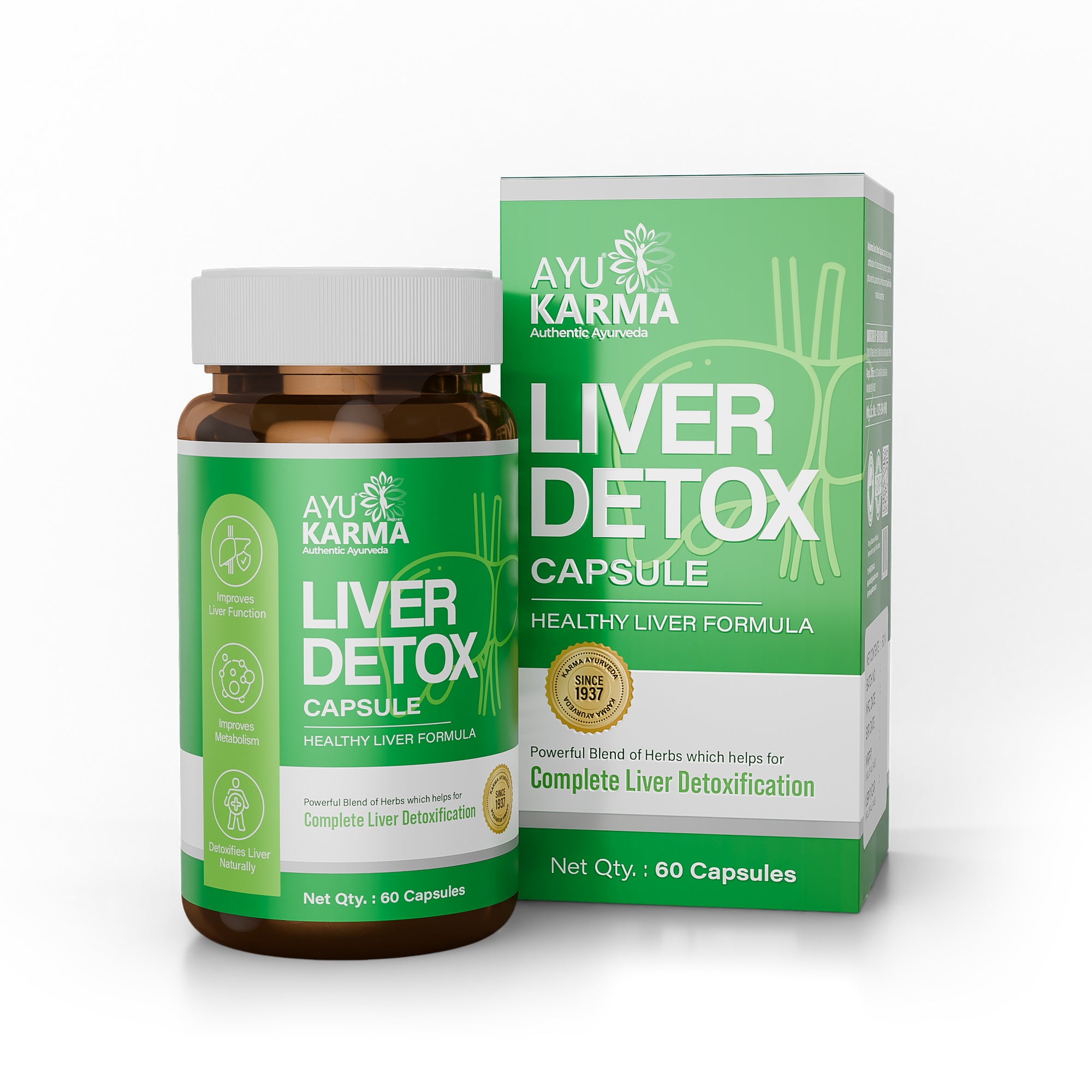
Doctor-recommended liver supplement that helps detoxify the liver, support healthy cholesterol, improve digestion & promote liver health. Developed by Dr. Puneet Dhawan with Karma Ayurveda philosophy.
Second Floor, 77, Block C, Tarun Enclave, Pitampura, New Delhi, Delhi, 110034

Certificate no- AH-2023-0186
JAN 05, 2026 - JAN 04, 2029

US FDA Reg. No.: 14568299376