Unlocking Wellness Naturally
100% Ayurvedic Treatment

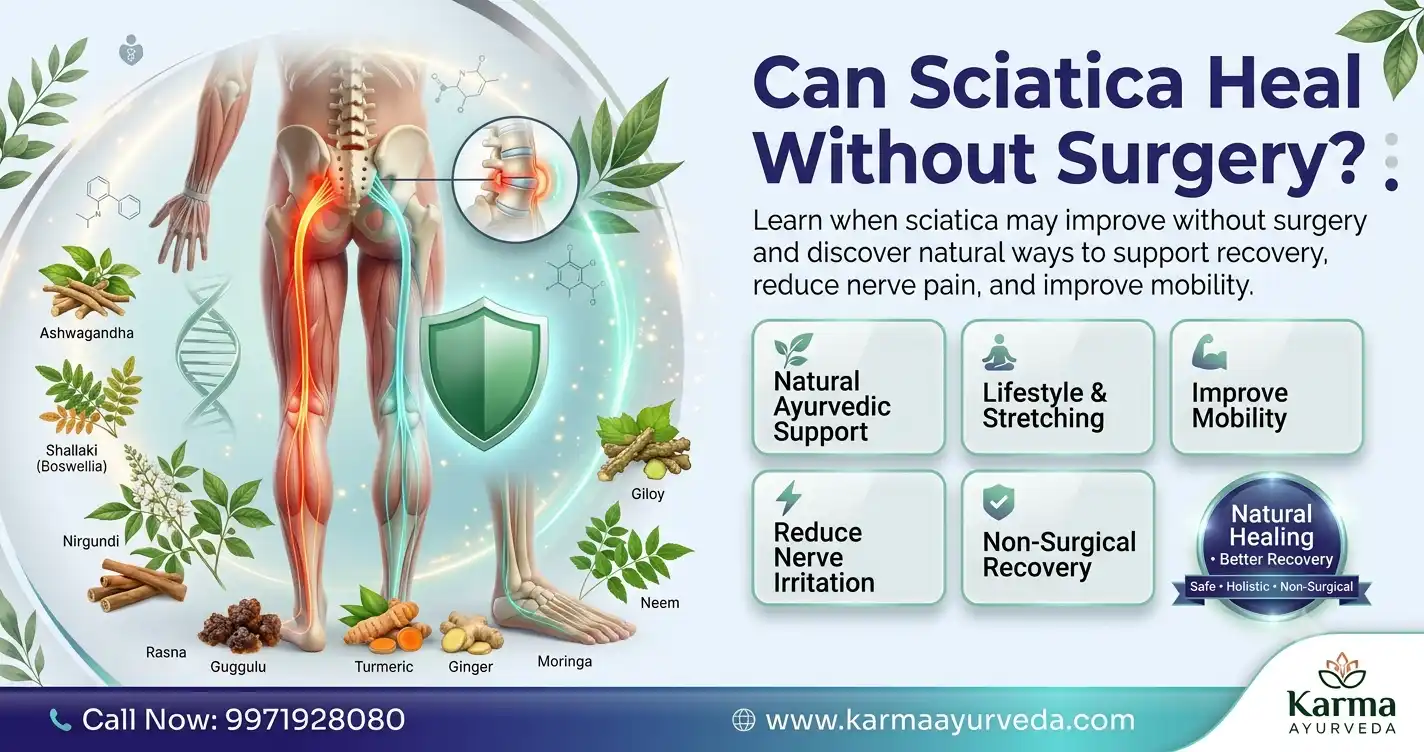
Yes, sciatica can absolutely heal without surgery in the vast majority of cases. In fact, around 80% to 90% of people suffering from sciatica get completely better with time, conservative care, and a bit of patience; no scalpel or hospital gown required.
If you are currently sitting on a heating pad, lying on the floor in a bizarre shape, or wondering if you can trade your lower back for a working model on eBay, welcome. Take a deep breath. That electric, burning pain shooting down your leg feels like your spine is personally seeking revenge, but your body is actually surprisingly good at repairing itself.
Let's break down how sciatica heals naturally, what science says, how holistic approaches can accelerate your recovery, and why you probably won't be visiting an operating room anytime soon.
Before we talk about healing, let me introduce the culprit. Your sciatic nerve is the thickest, longest nerve in your entire body. It runs all the way from your lower back, down through your hips and buttocks, and all the way to your feet.
When everything is going smoothly, you don't even notice it's there. But when a spinal disc bulges, slips out of place, or gets inflamed, it presses on this nerve root. The nerve reacts the only way it knows how: by sending intense, fiery shockwaves down your leg.
Common symptoms include:
It feels dramatic, but here is the secret: nerve pain feels terrifyingly severe even when the underlying physical damage is temporary and reversible.
You don't have to take my word for it; medical research backs this up completely.
For decades, spinal researchers have tracked patients with herniated discs and nerve compression. Time and again, studies show that the human body treats a herniated disc like a temporary trespasser.
In a landmark systematic review published in Clinical Rehabilitation (and supported by dozens of follow-up studies in the New England Journal of Medicine by Dr. Wilco Peul and colleagues), researchers discovered something amazing: herniated disc material often shrinks or disappears entirely on its own.
Your body's immune system detects the extruded disc tissue outside its normal space, recognizes it as out-of-place, and sends white blood cells (macrophages) to clean it up. Over weeks and months, the herniated fragment gets dehydrated and absorbed, taking the pressure off your nerve.
The long-running Spine Patient Outcomes Research Trial (SPORT), led by Dr. James Weinstein, tracked hundreds of patients with lumbar disc herniations over several years. The study found that while surgery offers faster initial relief for severe cases, long-term outcomes (at 2 to 8 years) were virtually identical between patients who chose surgery and those who chose conservative non-surgical care.
So, if you aren't rushing into an operating theater, what should you actually do while your body cleans up the mess?
The old-school advice was strictly two weeks of bed rest. Modern medicine now knows that prolonged bed rest makes sciatica worse because weak muscles can't support your spine.
Instead, practice active rest. Walk short distances on flat surfaces, stretch gently, and change positions frequently. If sitting hurts, use a standing desk or lie down for 15-minute bursts between light activities.
Targeted movement encourages blood flow to the nerve and strengthens the deep core muscles supporting your spinal column.
While modern physical therapy works wonders, millions of people worldwide turn to ancient holistic systems like Ayurveda to manage systemic inflammation and speed up nerve recovery.
Ayurveda views sciatica (known historically as Gridhrasi) as a imbalance in the Vata dosha; the biological energy that controls movement, nerve impulses, and circulation in the body. When Vata becomes dry, cold, or aggravated, it leads to stiffness, sharp shooting pain, and nerve dysfunction.
If you are seeking a complete Ayurvedic treatment for Sciatica, the focus shifts from just numbing pain to balancing the body, soothing the nerve, and rebuilding disc strength through natural therapies:
When exploring specialized care, institutions like Karma Ayurveda Hospital have gained widespread recognition for offering structured Karma Ayurveda for Sciatica treatment programs. By combining time-tested herbomineral protocols with customized lifestyle guidance, seeking expert Sciatica Ayurvedic treatment helps manage symptoms naturally without chemical side-effects. Consulting experienced practitioners ensures you get access to the Best Ayurvedic medicines for Sciatica tailored specifically to your unique body constitution (Prakriti).
Feature / Aspect
While 9 out of 10 people heal without surgery, there are rare cases where an operation is not just optional; it's mandatory. You should seek emergency medical attention immediately if you experience any of the following:
If you don't have these red flags, congratulations! You have time to let your body do what it does best: heal.
Healing takes time, but you can speed things up by adopting good daily habits:
Sciatica is painful, frustrating, and incredibly disruptive; there is no denying that. But having a herniated disc or a pinched sciatic nerve is not a lifelong sentence to pain, nor does it mean you are destined for an operating table.
With time, smart physical movement, anti-inflammatory living, and holistic options like Karma Ayurveda Hospital offering structured conservative care, your body has an astounding ability to repair itself. Listen to your body, give it the right environment to heal, and remember that this fiery pain is temporary. You will get your back; and your life; back!
Yes, mild to moderate sciatica often resolves naturally within 4 to 8 weeks as inflammation subsides and the body reabsorbs disc tissue.
Most non-surgical recoveries happen within 6 to 12 weeks with conservative care, though severe herniations may take a few months longer.
A combination of targeted nerve-flossing exercises, short-term ice/heat therapy, active walking, and soothing therapies like Ayurvedic Kati Basti provides rapid symptom relief.
You should consider surgery if you experience progressive leg weakness, loss of bowel/bladder control, or severe unrelenting pain that fails to improve after 6 to 8 weeks of conservative care.
This blog is for informational and educational purposes only and should not be taken as professional medical advice. Always consult a qualified physician, spine specialist, or healthcare provider before starting any new treatment, exercise routine, or herbal protocol for back pain or sciatica.
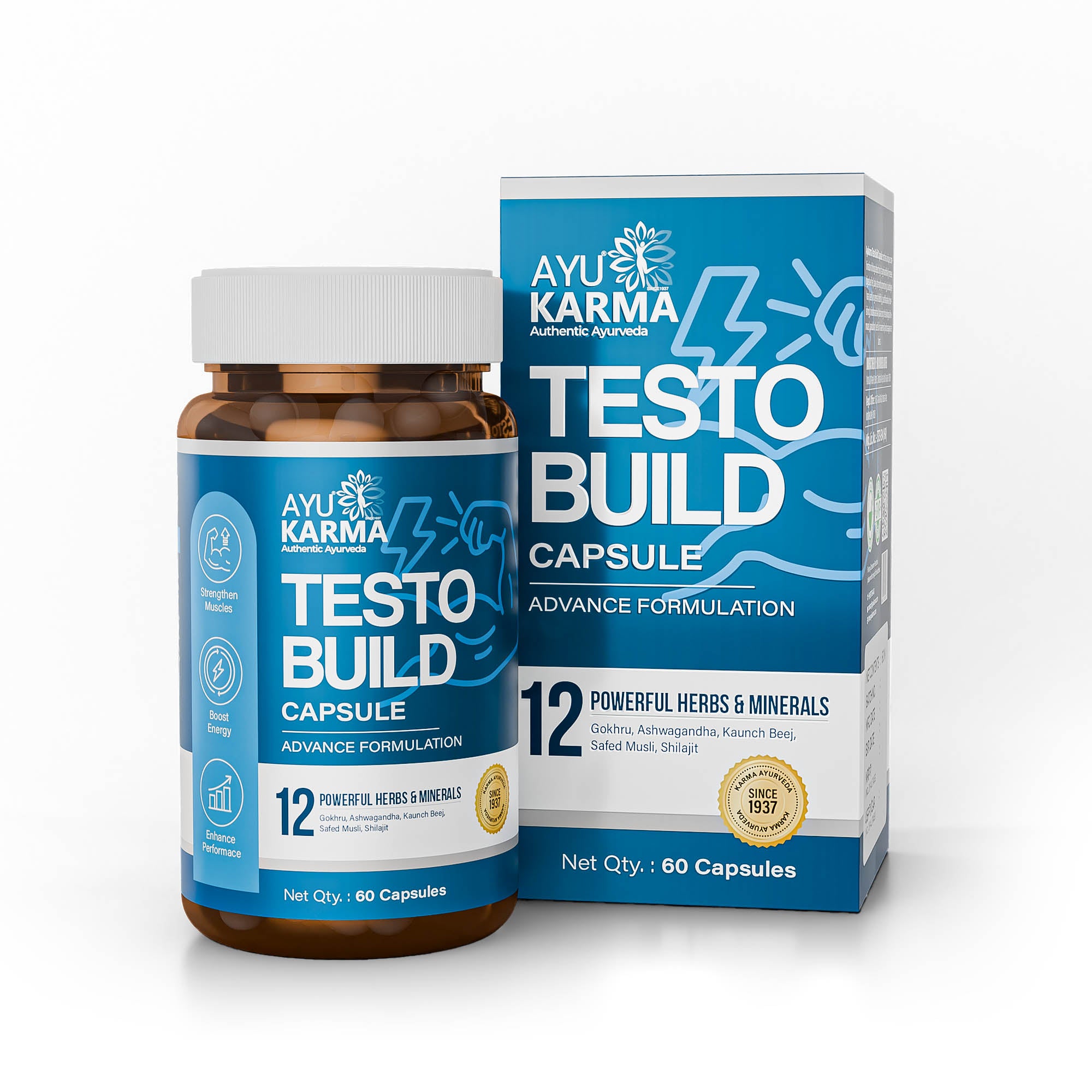
AyuKarma Testo Build Capsules combine 12 Ayurvedic herbs and minerals to support strength, energy, stamina, physical performance, nourishment and overall daily vitality.
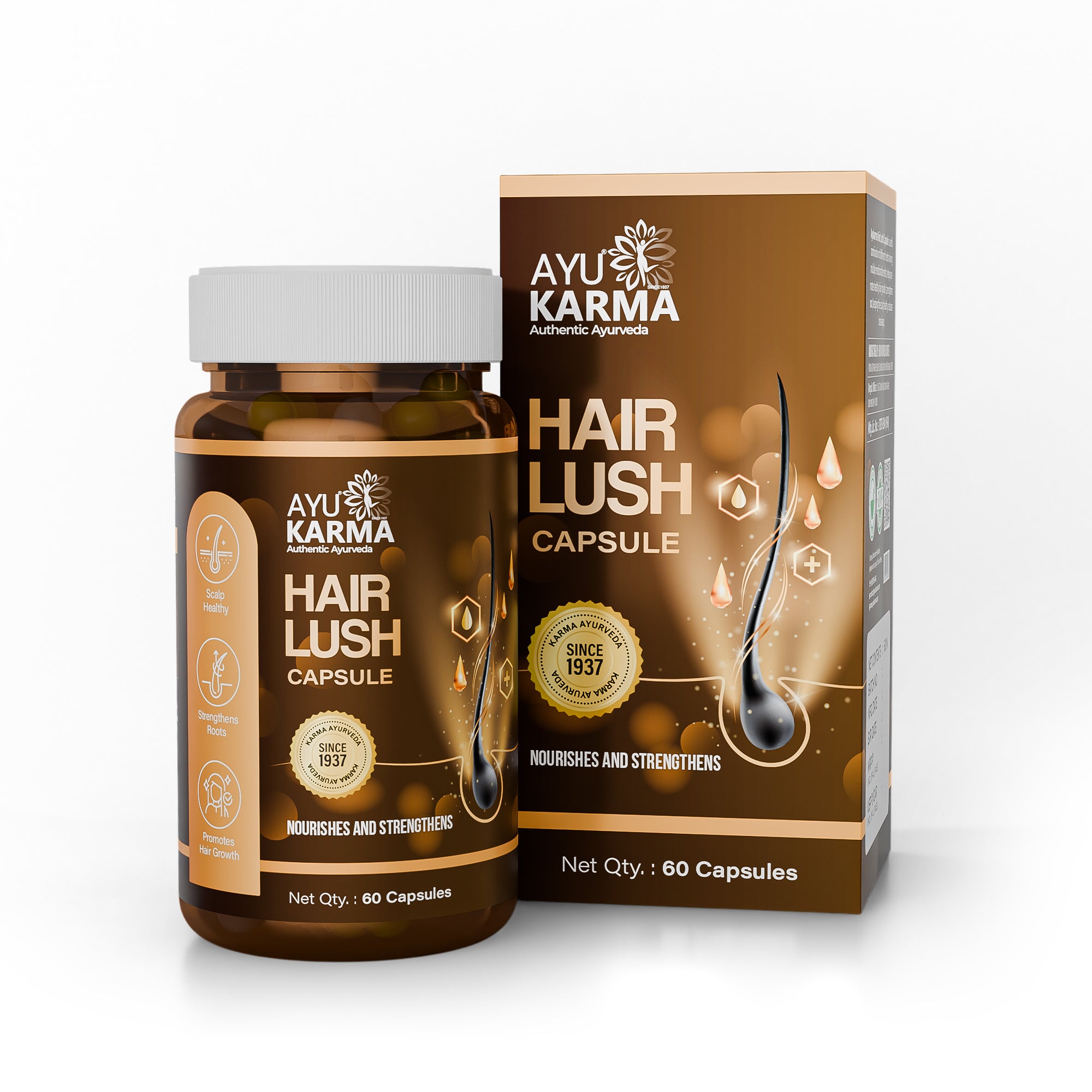
AyuKarma Hair Lush Capsules combine Ayurvedic herbs to support hair growth, reduce hair fall, strengthen roots, nourish the scalp and promote healthier-looking hair.
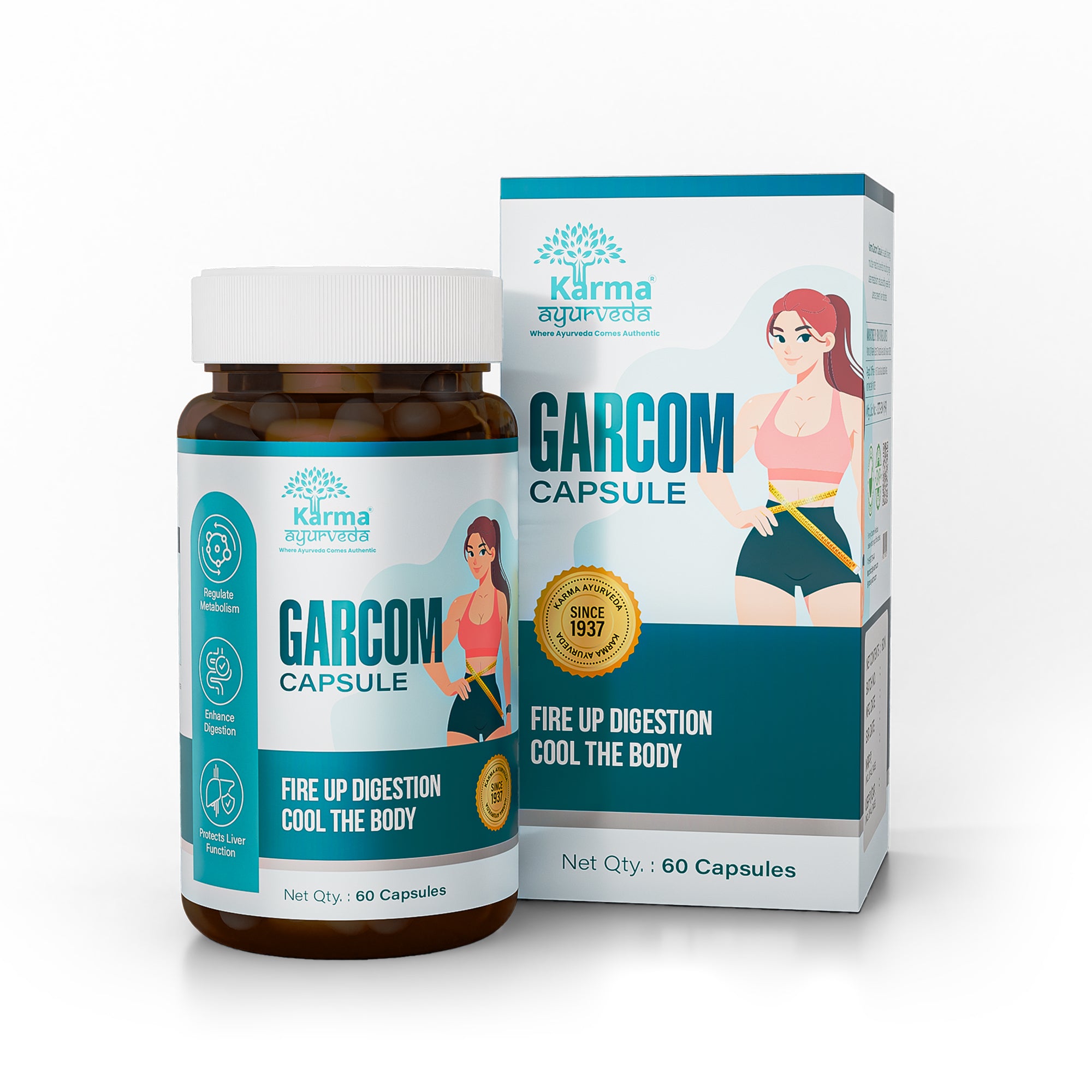
Karma Garcom Capsules contain Garcinia indica to support healthy metabolism, digestion, weight management, digestive comfort and daily wellness alongside a balanced lifestyle.
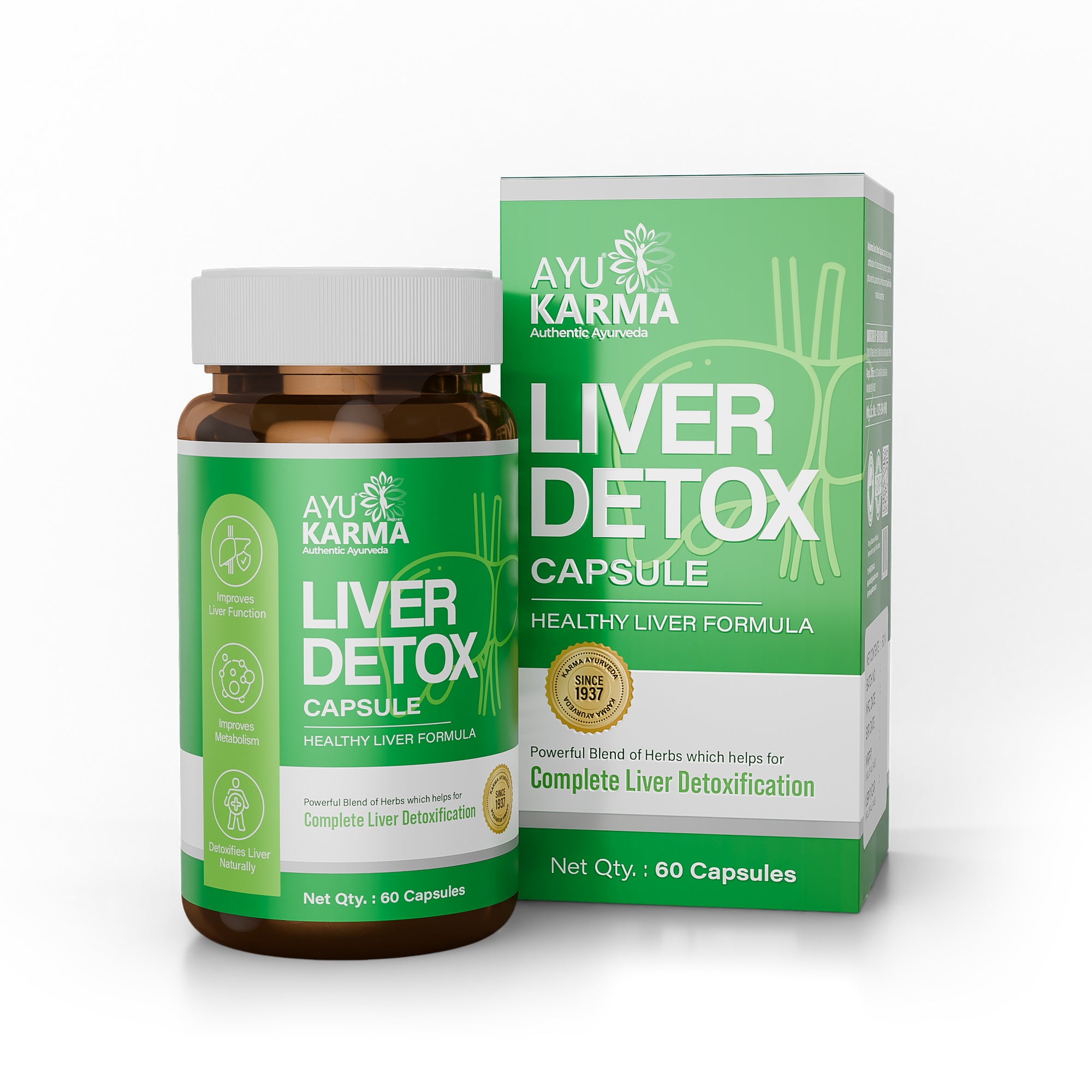
Doctor-recommended liver supplement that helps detoxify the liver, support healthy cholesterol, improve digestion & promote liver health. Developed by Dr. Puneet Dhawan with Karma Ayurveda philosophy.
Second Floor, 77, Block C, Tarun Enclave, Pitampura, New Delhi, Delhi, 110034

Certificate no- AH-2023-0186
JAN 05, 2026 - JAN 04, 2029

US FDA Reg. No.: 14568299376