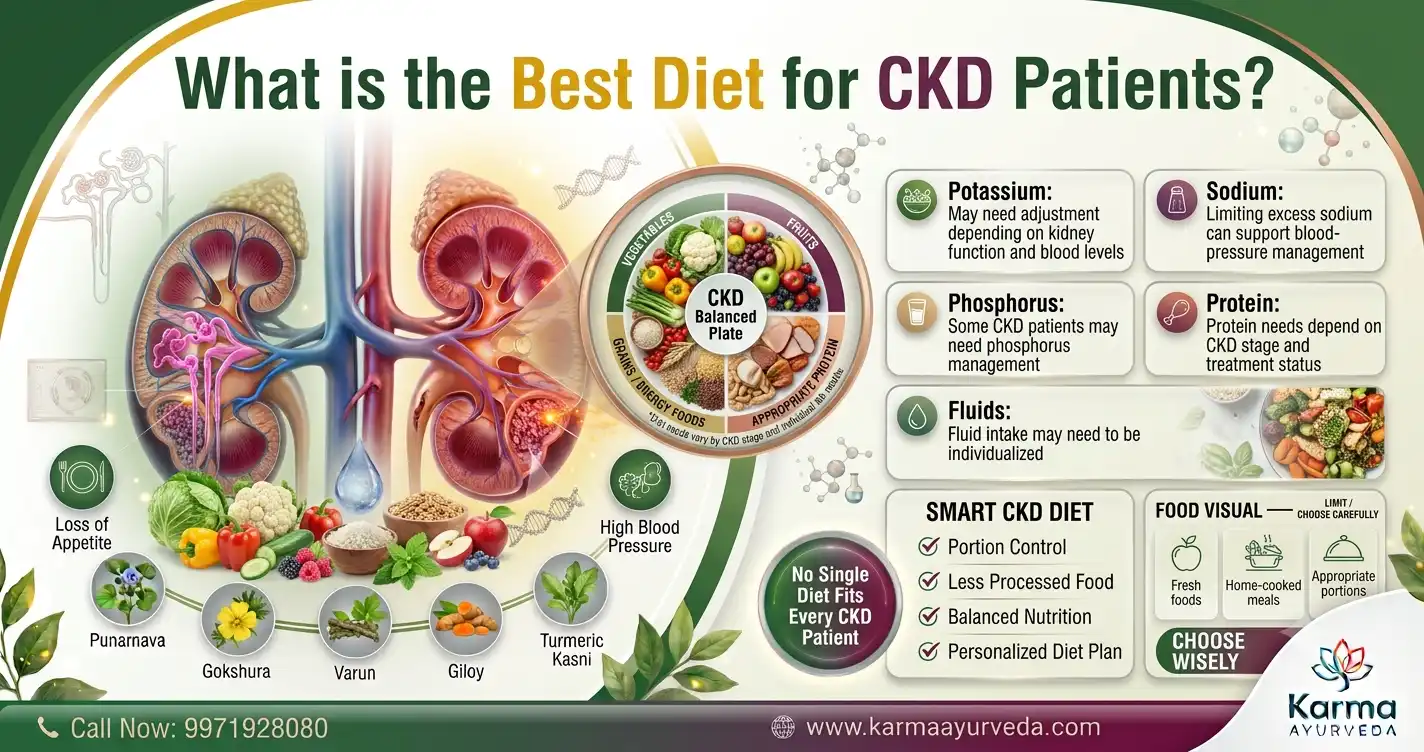
The short answer? The best diet for CKD patients isn't a single rigid meal plan, but a carefully personalized, plant-dominant diet that minimizes kidney workload while keeping you well-nourished. Think of it as a custom nutrition blueprint tailored to your specific stage of chronic kidney disease, designed to protect your remaining kidney function without forcing you to survive on cardboard.
If you or a loved one just got diagnosed with CKD, your first reaction was probably a mix of panic and a sudden, burning urge to empty your pantry. It feels like every website on the internet tells you to cut out every food you’ve ever enjoyed. Potatoes? Gone. Bananas? Forbidden. Salt? A distant memory. Before you break down and order a lifetime supply of plain unseasoned white rice, take a deep breath. Managing renal nutrition doesn't mean giving up flavor or happiness. It’s simply about changing how you support two of the hardest-working organs in your body.
Your kidneys are essentially two high-powered, highly sophisticated coffee filters sitting near your lower back. Every single day, they filter roughly 120 to 150 quarts of blood to remove waste and extra fluid. When you have chronic kidney disease stages, those tiny filters get damaged.
When you eat, your body breaks down food into nutrients, leaving behind waste products that travel through your bloodstream. Healthy kidneys handle this garbage collection without missing a beat. But when kidney function drops, those waste products start backing up like a citywide plumbing strike.
The goal of a CKD friendly diet isn't to starve you. It's to reduce the amount of "garbage" your body produces in the first place, giving your overworked kidneys a much-needed break.
Navigating kidney disease meal planning usually comes down to managing four major culprits: protein, sodium, potassium, and phosphorus. Let's break them down without the overly dense medical jargon.
Protein is essential for building muscle and repair, but when your body breaks it down, it creates a waste product called urea. High levels of urea make your kidneys work double shifts.
A landmark 2020 study published in the New England Journal of Medicine highlighted that plant-based protein sources exert significantly lower intraglomerular pressure; meaning plant proteins put far less physical stress on the kidney's filtering units than red meat does.
Sodium attracts water. When your kidneys can't flush out extra sodium, fluid builds up in your blood vessels, spiking your blood pressure and making your heart work overtime. A low-sodium target (usually under 2,000 mg per day) is standard for managing CKD through diet.
Potassium helps your muscles and nerves work right, but too much or too little in your blood can cause dangerous heart arrhythmias. Not every CKD patient needs to restrict potassium; it depends entirely on your blood work!
When phosphorus levels climb, your body pulls calcium out of your bones to keep things balanced, leaving you with weak, brittle bones. Processed foods are loaded with hidden inorganic phosphorus additives, which your body absorbs almost 100%.
For decades, the standard advice was to eat meat and avoid high-potassium veggies. Modern science has completely flipped that script. Enter the PLADO diet (Plant-Dominant Low-Protein Diet).
A study published in Journal of the American Society of Nephrology (JASN) found that plant-rich diets slow down the decline of kidney function, reduce acid buildup in the blood (metabolic acidosis), and lower inflammation. Plants contain organic phosphorus, which your gut only absorbs about 40% to 50% of, compared to the nearly complete absorption of chemical additives in packaged foods.
To give you a realistic picture of how different eating styles affect your kidney health, let's look at how popular diets compare when put under the renal microscope.
Diet Type: Plant-Dominant (PLADO)
Kidney Friendliness: (Gold Standard)
The Honest Verdict: Reduces acid load, lowers urea production, and protects remaining kidney filters.
Diet Type: DASH Diet (Modified)
Kidney Friendliness: (Great with tweaks)
The Honest Verdict: Excellent for blood pressure; needs custom potassium adjustments for advanced CKD.
Diet Type: Mediterranean Diet
Kidney Friendliness: (Very Good)
The Honest Verdict: Great for heart health and reducing systemic inflammation.
Diet Type: Keto / Carnivore
Kidney Friendliness: (Proceed with caution)
The Honest Verdict: Extremely high in protein and acid load; puts heavy structural strain on failing kidneys.
You don't need to throw out every recipe you love. Dietary management of renal failure is mostly about smart substitution.
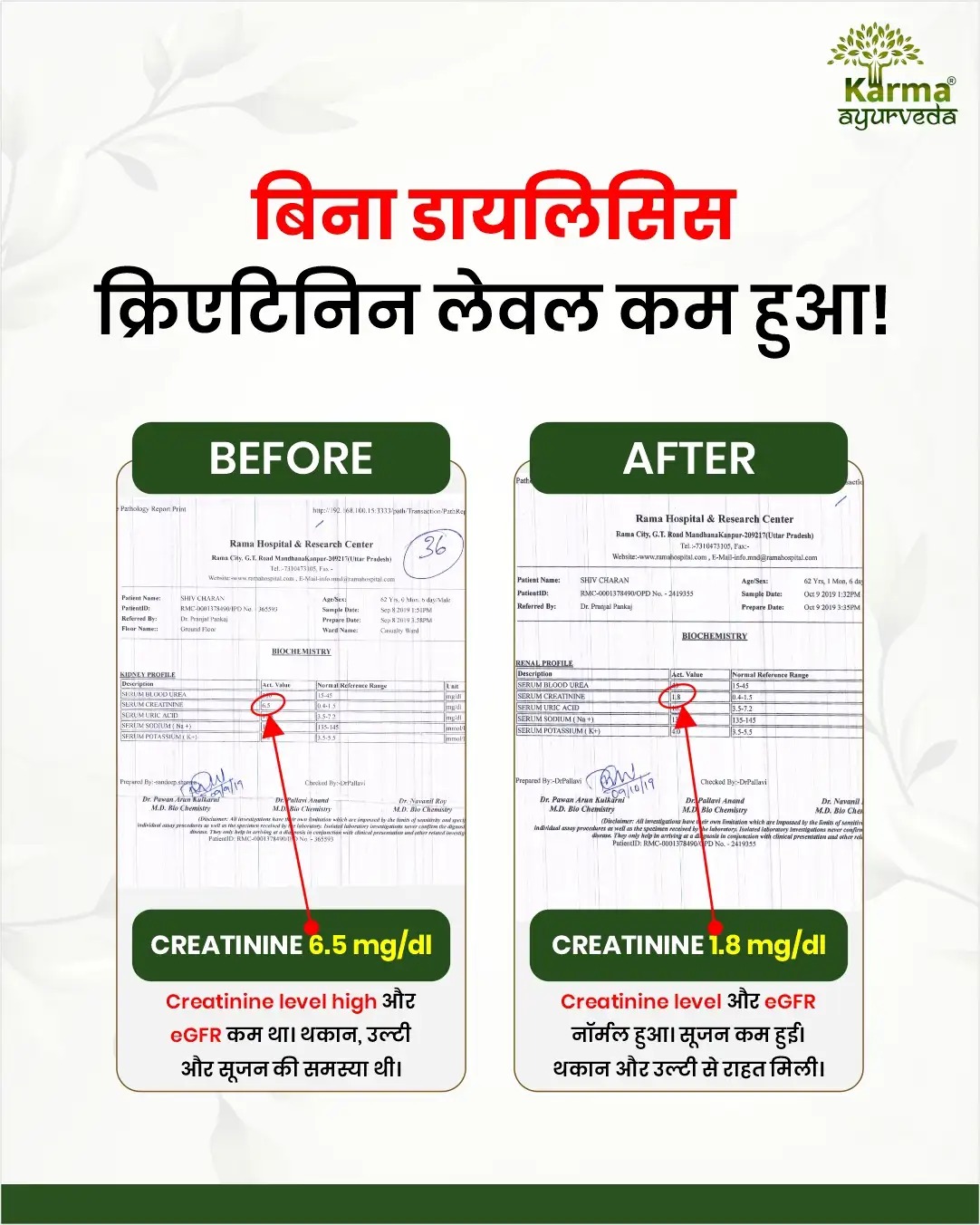
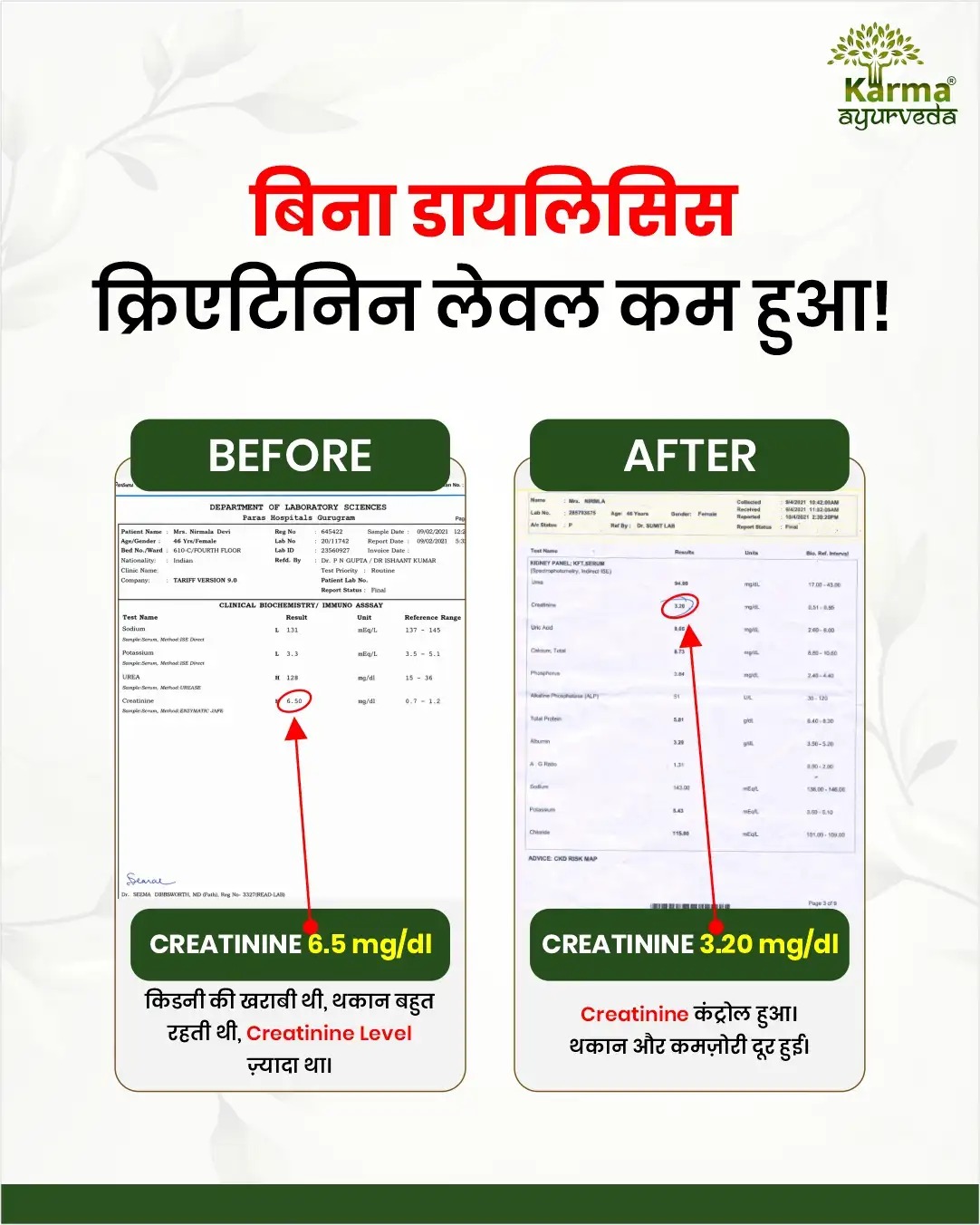
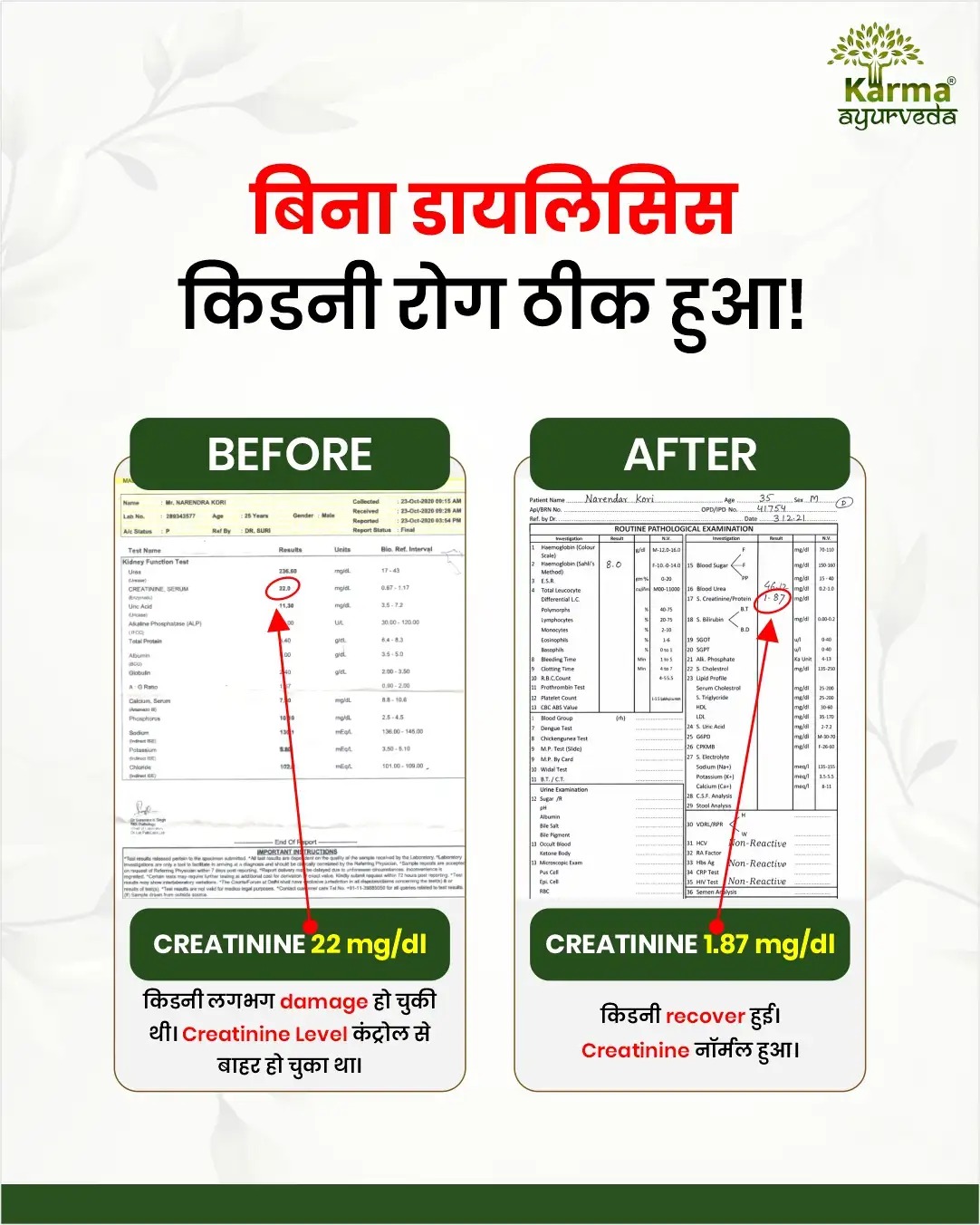
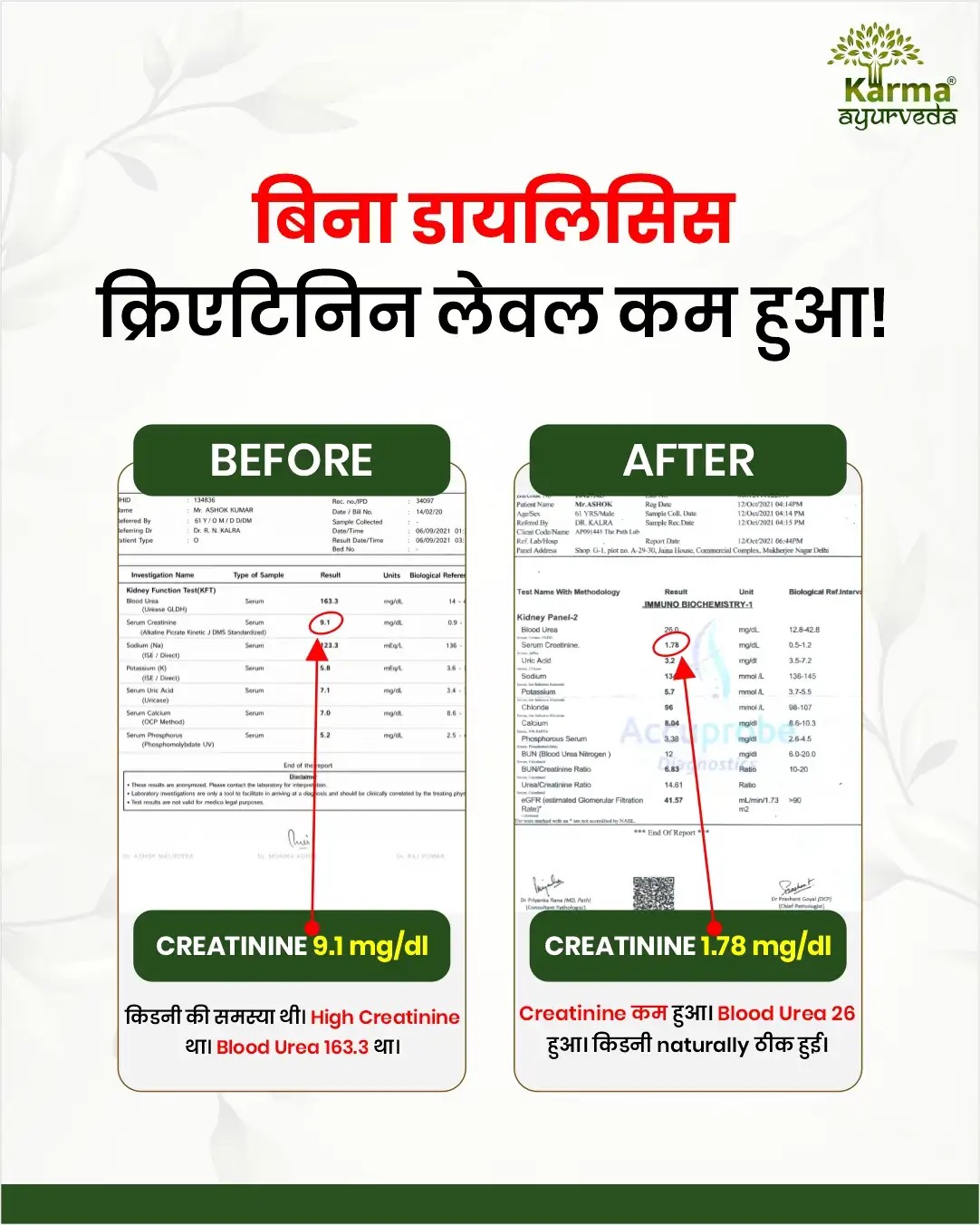
Harpal Singh was experiencing severe kidney problems that had begun to affect every aspect of his daily life. He suffered from persistent nausea, loss of appetite, weakness, and pain in his limbs, making routine activities increasingly difficult. Medical investigations revealed a serum creatinine level of 8.95 mg/dL, indicating significantly impaired kidney function. Concerned about his condition, his daughter searched for natural treatment options and brought him to Karma Ayurveda for specialized Ayurvedic care.
Following a comprehensive evaluation, Harpal Singh received a personalized treatment plan that included Ayurvedic herbal formulations, dietary guidance, lifestyle modifications, and regular medical monitoring. The treatment aimed to support kidney function naturally, address the underlying causes of his condition, and improve his overall health rather than focusing only on symptom relief.
Within a short period, Harpal Singh began experiencing noticeable improvements. His nausea subsided, his appetite gradually returned, and the pain in his limbs reduced significantly, allowing him to become more active and comfortable in his daily routine. Follow-up reports showed a remarkable improvement in kidney function, with his serum creatinine level decreasing from 8.95 mg/dL to 0.95 mg/dL after approximately one and a half months of treatment. Today, he enjoys a better quality of life with improved energy and well-being. His journey demonstrates how personalized Ayurvedic care, combined with consistent treatment and appropriate medical supervision, may help support kidney health and overall wellness.
There is no single magic food, but low-potassium, antioxidant-rich fruits like berries and bell peppers are widely beneficial for overall renal nutrition.
Yes, moderate coffee intake is generally fine for CKD patients as long as you monitor added dairy, potassium, and fluid restrictions.
Yes, steel-cut or rolled oats are great fiber sources for kidney health, though portion control helps manage phosphorus levels.
Fluid needs vary completely by stage; early CKD usually requires normal hydration, while advanced stages or dialysis require strict fluid limits set by your doctor.
No, bananas are only restricted if your specific blood test results show elevated potassium levels (hyperkalemia).
This article is for educational and informational purposes only and does not constitute medical advice. Renal nutrition must be highly individualized based on personal blood chemistry, underlying health conditions, and CKD stage. Always consult your nephrologist or a registered renal dietitian before making significant changes to your diet, fluid intake, or lifestyle.
AyuKarma Testo Build Capsules combine 12 Ayurvedic herbs and minerals to support strength, energy, stamina, physical performance, nourishment and overall daily vitality.
AyuKarma Hair Lush Capsules combine Ayurvedic herbs to support hair growth, reduce hair fall, strengthen roots, nourish the scalp and promote healthier-looking hair.
Karma Garcom Capsules contain Garcinia indica to support healthy metabolism, digestion, weight management, digestive comfort and daily wellness alongside a balanced lifestyle.
Doctor-recommended liver supplement that helps detoxify the liver, support healthy cholesterol, improve digestion & promote liver health. Developed by Dr. Puneet Dhawan with Karma Ayurveda philosophy.
AyuKarma Muscle Magic Capsules combine Ayurvedic herbs to support appetite, digestion, nourishment, healthy weight gain, muscle strength and daily vitality for adults.
AyuKarma Obes-Fit Capsules combine Ayurvedic herbs to support appetite control, digestion, metabolism, healthy weight management, energy and overall wellness alongside an active lifestyle.
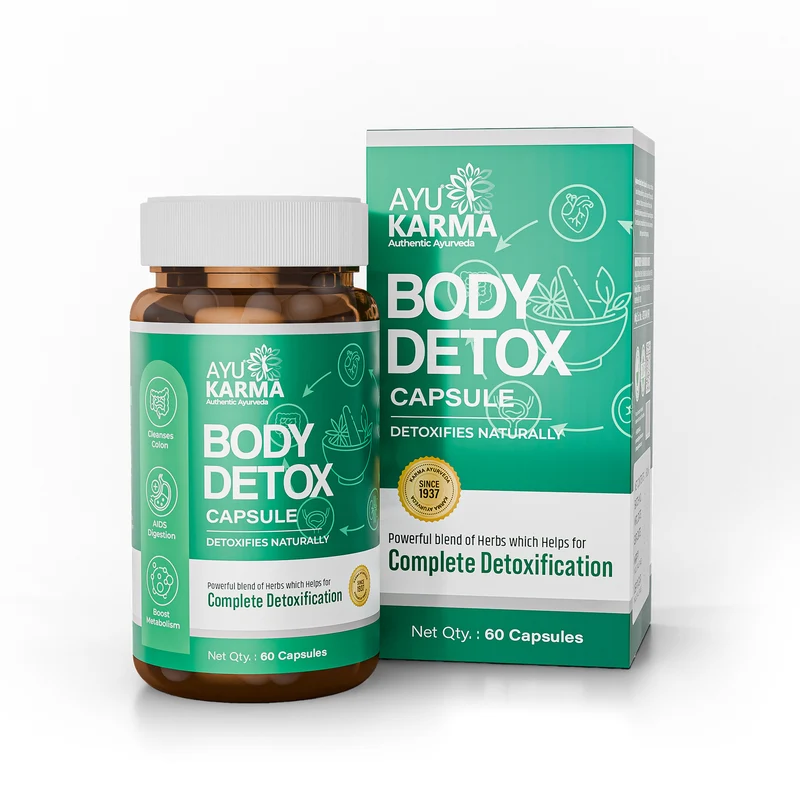
AyuKarma Body Detox Capsules combine Ayurvedic herbs to support natural detoxification, digestion, colon cleansing, metabolism, gut wellness and overall rejuvenation for daily vitality.
Doctor-recommended ayurvedic medicine to control diabetes, manage blood sugar levels & reduce diabetes-related complications in diabetic patients. Developed by Dr. Puneet Dhawan with the Karma Ayurveda philosophy.
Doctor-recommended Ayurvedic gut supplement that helps relieve occasional constipation, promote smooth bowel movement, reduce gas & bloating and improve digestion. Developed by Dr. Puneet Dhawan with Karma Ayurveda philosophy.
Doctor-recommended Ayurvedic joint supplement that helps relieve joint pain & stiffness, improve flexibility and support smoother, more comfortable movement. Developed by Dr. Puneet Dhawan with Karma Ayurveda philosophy.
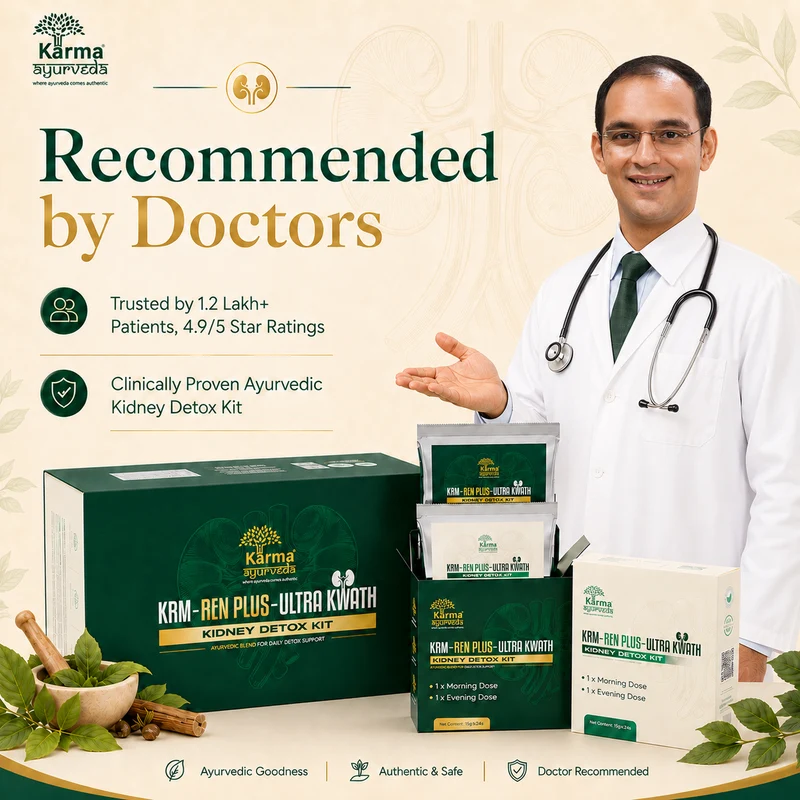
Ayurvedic Kidney Detox Kit for individuals with high creatinine, high BP, diabetes, high uric acid, alcohol consumption habits, frequent painkiller use or early signs of kidney stress.
Second Floor, 77, Block C, Tarun Enclave, Pitampura, New Delhi, Delhi, 110034