Unlocking Wellness Naturally
100% Ayurvedic Treatment


For adult men, a normal blood creatinine level generally ranges between 0.7 to 1.3 mg/dL, while for adult women, it typically falls between 0.6 to 1.1 mg/dL. Values can vary slightly depending on the specific testing laboratory, muscle mass, age, and daily hydration status.
When a routine blood test report lands on the desk, seeing numbers, decimals, and strange medical acronyms can easily trigger a rapid internet search spree. However, understanding your creatinine level is far less intimidating once the underlying biological mechanics are stripped of confusing medical jargon. In plain terms, creatinine is simply a natural byproduct of daily muscle use that your kidneys work around the clock to filter out.
To understand your normal creatinine level, it helps to look at how muscles operate. Muscles rely on a molecule called creatine for quick energy during movement. Once that energy is consumed, creatine breaks down into a waste product called creatinine. This waste enters the bloodstream, where two bean-shaped organs—your kidneys—filter it out into urine.
Because muscles produce creatinine at a relatively steady rate every single day, healthy kidneys clear it out at a similarly steady rate. Consequently, a serum creatinine test serves as an exceptionally reliable barometer for overall kidney function. If kidney filtration slows down, creatinine accumulates in the blood; if kidneys filter efficiently, levels stay comfortably low.
Because muscle tissue generates creatinine, bodily frame and mass heavily influence the numbers listed on a creatinine reference range chart. Naturally, someone built like a professional powerlifter will produce more daily waste than a petite marathon runner, even if both possess perfectly healthy kidneys.
Here is a straightforward overview comparing where different body types and health scenarios typically land on a creatinine lab test:
Group / Scenario: Average Adult Woman
Typical Range (mg/dL): 0.6 – 1.1
What’s Really Going On? Normal baseline balance between daily muscle wear and kidney clearance.
Group / Scenario: Average Adult Man
Typical Range (mg/dL): 0.7 – 1.3
What’s Really Going On? Slightly higher baseline due to greater overall muscle density.
Group / Scenario: Bodybuilders & Athletes
Typical Range (mg/dL): 1.2 – 1.6+
What’s Really Going On? High muscle mass or heavy lifting creates extra waste; kidneys are often totally fine!
Group / Scenario: Dehydrated Individual
Typical Range (mg/dL): 1.2 – 1.5
What’s Really Going On? Blood volume drops, temporarily concentrating waste numbers on lab paper.
Group / Scenario: Pregnant Individuals
Typical Range (mg/dL): 0.4 – 0.8
What’s Really Going On? Blood flow to kidneys increases during pregnancy, flushing waste faster.
Group / Scenario: Severe Low Muscle Mass
Typical Range (mg/dL): 0.2 – 0.5
What’s Really Going On? Lower muscle mass yields low waste production, not necessarily super-kidneys.
Discovering high creatinine levels on a medical report can feel alarming, but elevated numbers do not automatically signify kidney damage. Several everyday factors can temporarily push your serum creatinine test outside the normal boundary:
A notable study published in the Journal of the American Society of Nephrology demonstrated that muscle mass variations account for nearly 30% of individual differences in baseline creatinine. This finding highlights why isolated lab values should never be interpreted in a vacuum.
While less frequent than high readings, low creatinine levels also happen. Unusually low numbers usually point to a shortage of muscle tissue rather than a problem with kidney clearance:
Research featured in Mayo Clinic Proceedings emphasizes that dietary habits, particularly vegetarian diets and heavy weight training, cause significant baseline swings in blood creatinine levels that must be accounted for before diagnosing medical issues.
Doctors rarely look at your normal creatinine level in isolation. Instead, they plug that number into an equation alongside your age and sex to calculate your estimated glomerular filtration rate (eGFR).
Think of creatinine as the raw speedometer reading and eGFR as the actual traffic speed. While creatinine measures waste concentration, eGFR estimates what percentage of filtering power your kidneys maintain:
According to clinical practice guidelines from the National Kidney Foundation, evaluating eGFR in combination with urine protein tests provides a far more accurate picture of kidney health than relying on a single isolated blood test. Furthermore, a study published in the American Journal of Kidney Diseases confirmed that acute fluid loss skews creatinine numbers, proving that simple hydration status can drastically change lab results from one day to the next.
Maintaining healthy kidney function does not require complex medical interventions. A few steady, everyday habits can keep your filtration system humming smoothly:
Anil Dhoongra from Delhi was diagnosed with severe Chronic Kidney Disease (CKD) in 2018 and had become dependent on regular dialysis. After completing an initial four-month Ayurvedic treatment at Karma Ayurveda, he was able to stop dialysis and experienced significant improvement. However, years later, a relapse occurred due to thickened blood, which affected circulation and placed additional stress on his kidneys, leading to a rise in kidney function markers.
Medical reports showed his serum creatinine had increased to 4.0 mg/dL, while blood urea reached approximately 70 mg/dL, indicating reduced kidney function. To address the relapse, he resumed treatment at Karma Ayurveda with a personalized plan that included Ayurvedic herbal formulations, kidney-supportive herbs, dietary modifications, and lifestyle guidance. The treatment focused on improving blood circulation, supporting kidney function, and restoring overall balance rather than simply managing symptoms.
Follow-up reports showed encouraging improvements. His serum creatinine decreased from 4.0 mg/dL to 2.13 mg/dL, while blood urea reduced from around 70 mg/dL to 40 mg/dL. Along with these clinical changes, his fatigue subsided, circulation improved, and he regained his energy and daily independence. Anil’s journey highlights how a holistic Ayurvedic approach, combined with consistent care, may help support kidney health and improve quality of life alongside appropriate medical supervision.
Navigating lab results can feel confusing, but learning about your normal creatinine level provides actionable insight into your body's silent filtration system. Rather than viewing a single number as a definitive verdict, view it as one piece of a broader health puzzle. By keeping up with hydration, eating a balanced diet, and discussing lab trends with a qualified medical professional, keeping your kidneys happy and healthy becomes a manageable everyday habit.
A creatinine level consistently above 2.0 mg/dL in adults usually signals significant kidney strain requiring prompt medical evaluation.
Proper hydration can lower artificially elevated creatinine caused by dehydration, but it will not repair underlying structural kidney damage.
Yes, intense weightlifting or strenuous workouts temporarily break down muscle tissue and naturally raise blood creatinine levels for up to 48 hours.
Low creatinine is rarely dangerous on its own, as it typically reflects low muscle mass, pregnancy, or a low-protein diet.
Creatinine elevated by temporary factors like dehydration or intense exercise usually normalizes within 24 to 72 hours after rehydrating and resting.
This article is intended solely for educational and informational purposes and does not constitute medical advice, diagnosis, or treatment. Always consult a qualified healthcare professional regarding any medical condition or blood test results. Never disregard professional medical advice or delay seeking it because of information read here.
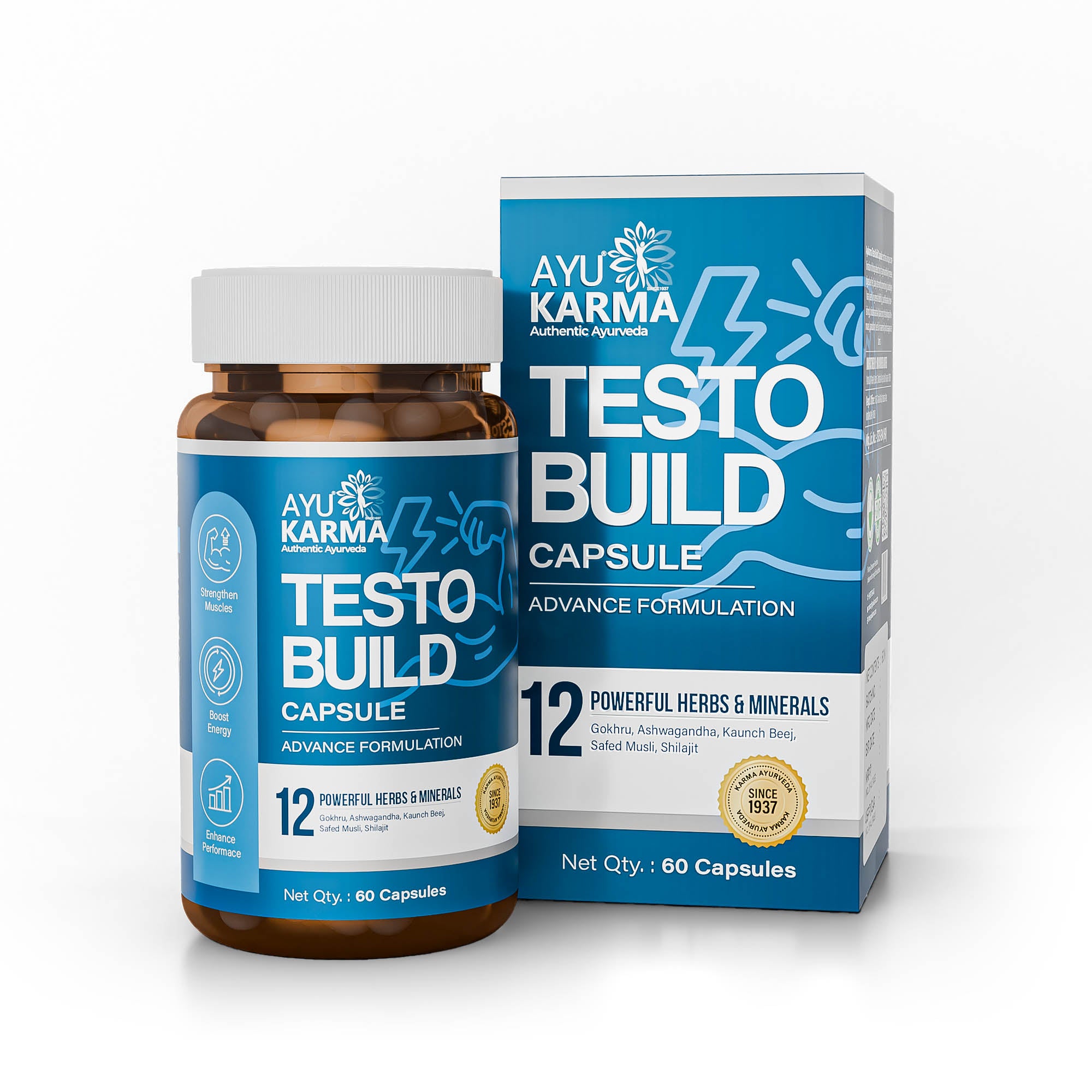
AyuKarma Testo Build Capsules combine 12 Ayurvedic herbs and minerals to support strength, energy, stamina, physical performance, nourishment and overall daily vitality.

AyuKarma Hair Lush Capsules combine Ayurvedic herbs to support hair growth, reduce hair fall, strengthen roots, nourish the scalp and promote healthier-looking hair.

Karma Garcom Capsules contain Garcinia indica to support healthy metabolism, digestion, weight management, digestive comfort and daily wellness alongside a balanced lifestyle.
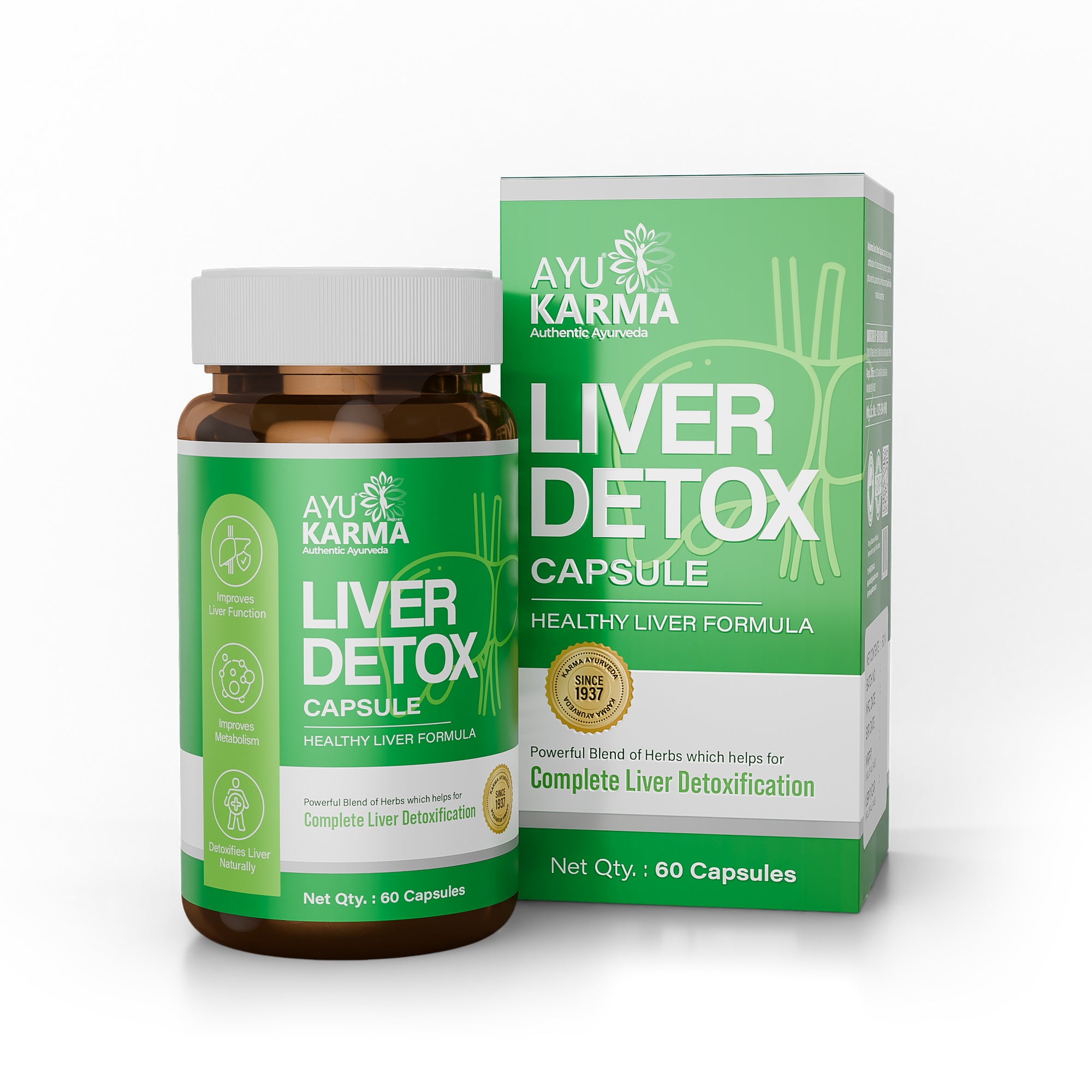
Doctor-recommended liver supplement that helps detoxify the liver, support healthy cholesterol, improve digestion & promote liver health. Developed by Dr. Puneet Dhawan with Karma Ayurveda philosophy.
Second Floor, 77, Block C, Tarun Enclave, Pitampura, New Delhi, Delhi, 110034

Certificate no- AH-2023-0186
JAN 05, 2026 - JAN 04, 2029

US FDA Reg. No.: 14568299376