Unlocking Wellness Naturally
100% Ayurvedic Treatment

.webp)
If you’ve ever felt your muscles getting weak, your first thought might be: “Did I skip too many workouts?” Or worse, “Am I just getting old?”
But in Motor Neuron Disease (MND), muscle weakness has nothing to do with effort, motivation, or bad posture. This is why many people start looking for deeper explanations and supportive approaches, including Ayurvedic treatment for MND, to understand the condition more holistically.
The muscles are not lazy. They’re simply not getting the messages they need.
Let’s break this down in the simplest, friendliest way possible; no medical mumbo jumbo, no scary words, and definitely no blaming the muscles.
Muscles are team players. They don’t move unless someone tells them to.
That “someone” is the motor neuron.
Think of motor neurons as friendly messengers. Their job is to carry messages from the brain to the muscles that say things like:
When everything is working well, the message travels smoothly, the muscle listens, and movement happens. Easy. In MND, the messenger gets sick, which is why many people explore supportive care options such as Ayurvedic treatment for MND alongside conventional understanding.
In Motor Neuron Disease, the motor neurons slowly stop working and eventually die. No drama, no loud warning bells; just a quiet breakdown.
When this happens:
Eventually, the muscle gives up, not emotionally, but physically. This explains why MND medicine treatment often focuses on nerve support, balance, and overall system health rather than blaming the muscles themselves.
Imagine your phone loses signal. You can tap “send” all you want, but the message won’t go through. That’s exactly what happens in MND. The brain is still trying to send instructions, but the broken neurons can’t deliver them.
Without regular instructions, muscles don’t know what to do. So, they start to weaken. Not because they want to. Not because they’re damaged at first. But because they’re disconnected; something that people seeking natural treatment for MND often want to understand before making care decisions.
Muscles need two things to stay strong:
In MND, both are affected. When a muscle isn’t used properly, it begins to shrink. This is called muscle wasting, but honestly, that name sounds harsher than it needs to be. Think of it like a shop that shuts down because no customers come in anymore.
It’s a slow process, not an overnight collapse, which is why long-term supportive approaches like Ayurvedic treatment for MND are often discussed for overall quality of life.
This is important.
The weakness in MND is not like:
Rest doesn’t magically fix it. Exercise doesn’t “push through” it. The problem isn’t in the muscle; it’s in the communication line. So, telling someone with MND to “try harder” is about as helpful as telling a broken TV to “just show the channel.”
One confusing thing about MND is that it doesn’t follow a neat rulebook.
Some people notice weakness in:
Because different motor neurons control different muscles, MND doesn’t hit all neurons at the same time. This is why experts like Karma Ayurveda hospital often emphasize understanding the pattern of nerve involvement rather than comparing symptoms between individuals.
Along with weakness, people with MND may notice:
These happen because damaged neurons send mixed or faulty signals. The muscle gets confused. Again, it’s not the muscle misbehaving. It’s following bad instructions.
Let’s say this clearly and kindly:
Muscles in MND are not broken to begin with. They are strong, willing, and ready. They just lose their connection to the brain. If muscles had feelings, they’d probably be saying,
“Hey! I’m here! I just need the signal!”
Knowing why muscles become weak in MND helps in many ways:
This understanding often becomes the first step for families exploring supportive options, including Ayurvedic treatment for MND, to manage daily challenges with more clarity.
Muscles become weak in MND because:
No laziness. No lack of effort. Just a communication breakdown.
MND is tough, no doubt about it. But understanding what’s happening inside the body takes away some of the mystery and a lot of the guilt. This awareness is also why many people look beyond symptoms and toward supportive care paths like Ayurvedic treatment for MND.
So next time someone asks why muscles become weak in MND, you can tell them:
“It’s not the muscles giving up. It’s the message that never arrives.”
Muscle weakness in MND happens because motor neurons stop sending signals from the brain to the muscles, causing muscle shrinkage over time.
Yes, muscle weakness is often one of the earliest symptoms of MND and may start in the hands, legs, or face.
While MND has no cure, early management, therapies, and supportive treatments may help slow muscle weakness progression.
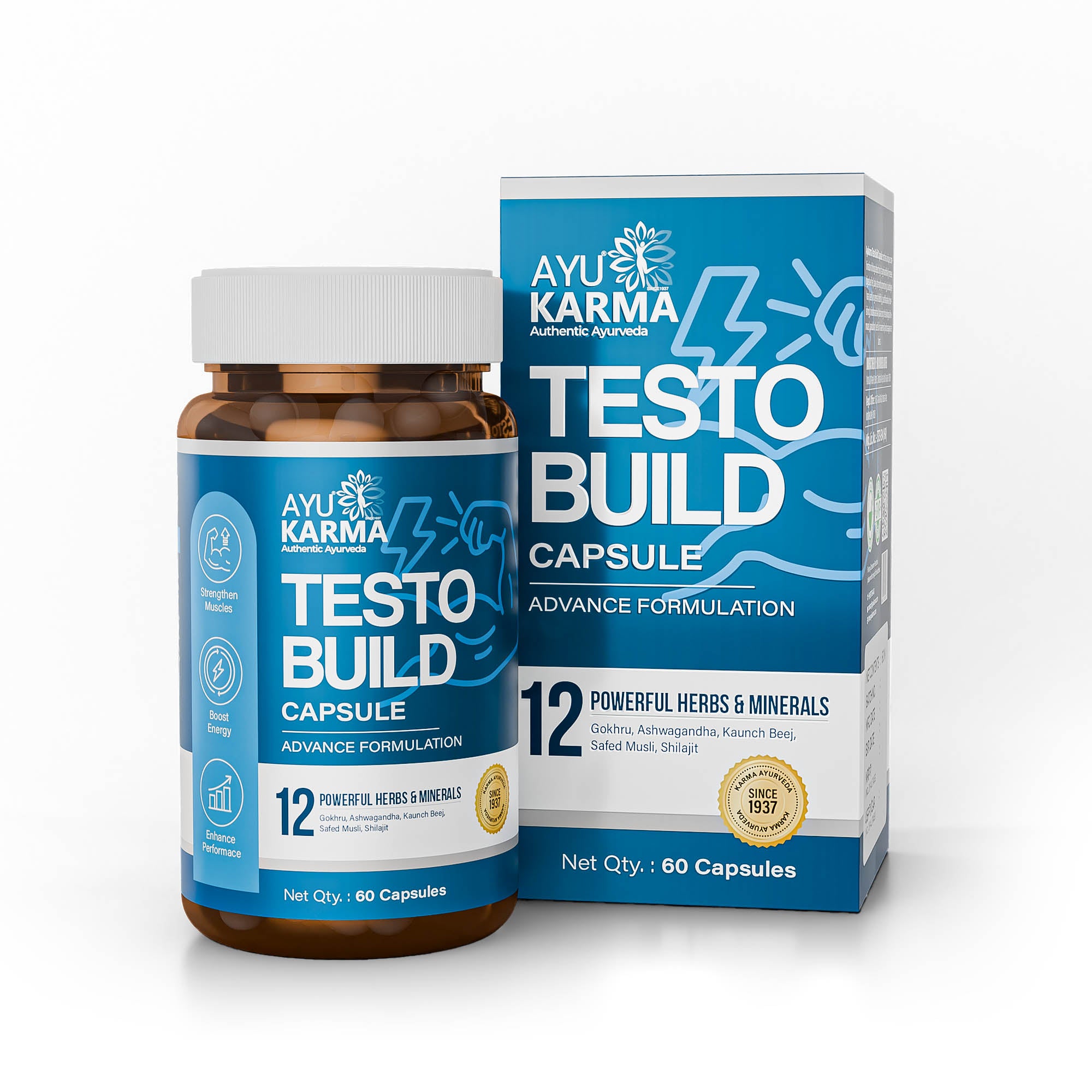
AyuKarma Testo Build Capsules combine 12 Ayurvedic herbs and minerals to support strength, energy, stamina, physical performance, nourishment and overall daily vitality.
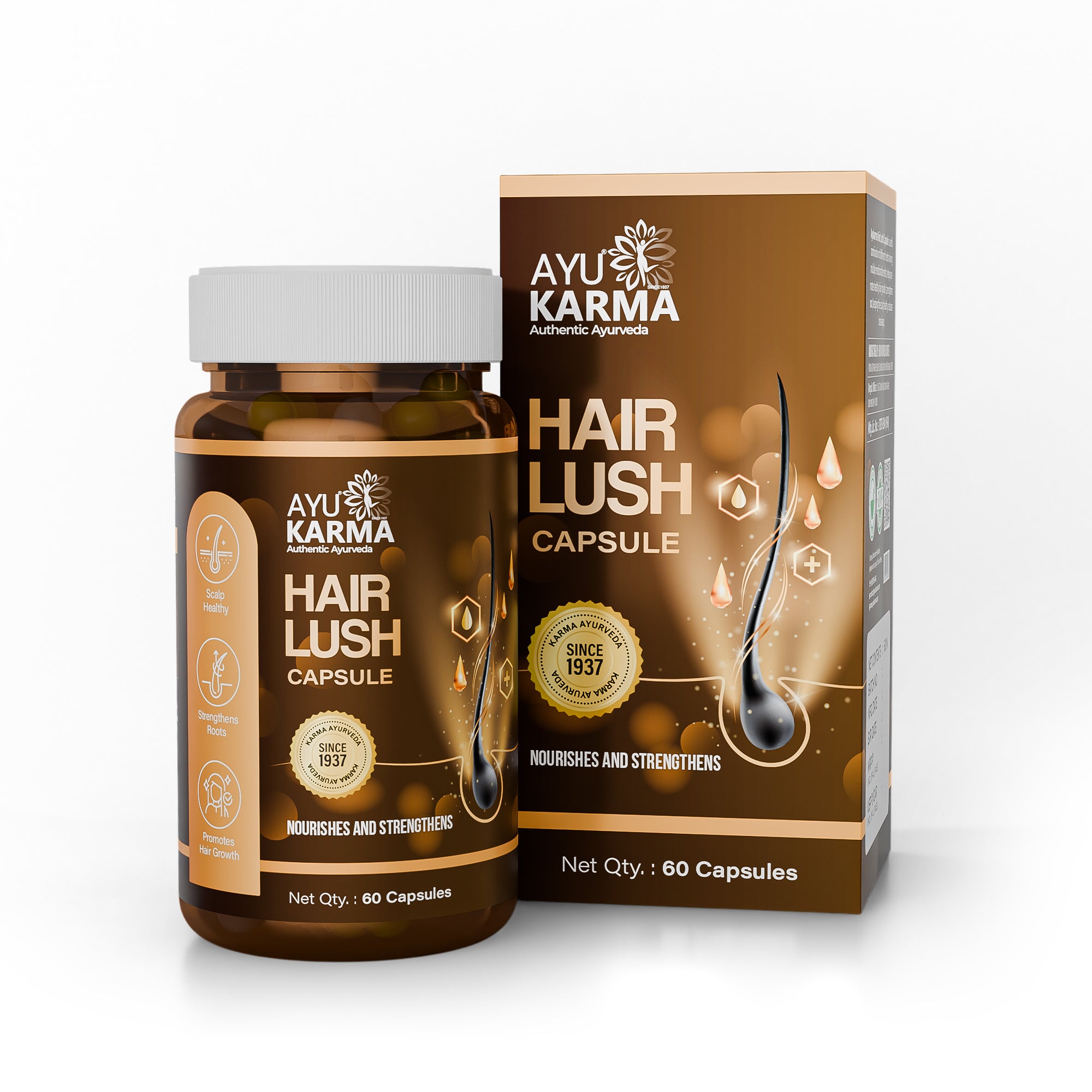
AyuKarma Hair Lush Capsules combine Ayurvedic herbs to support hair growth, reduce hair fall, strengthen roots, nourish the scalp and promote healthier-looking hair.
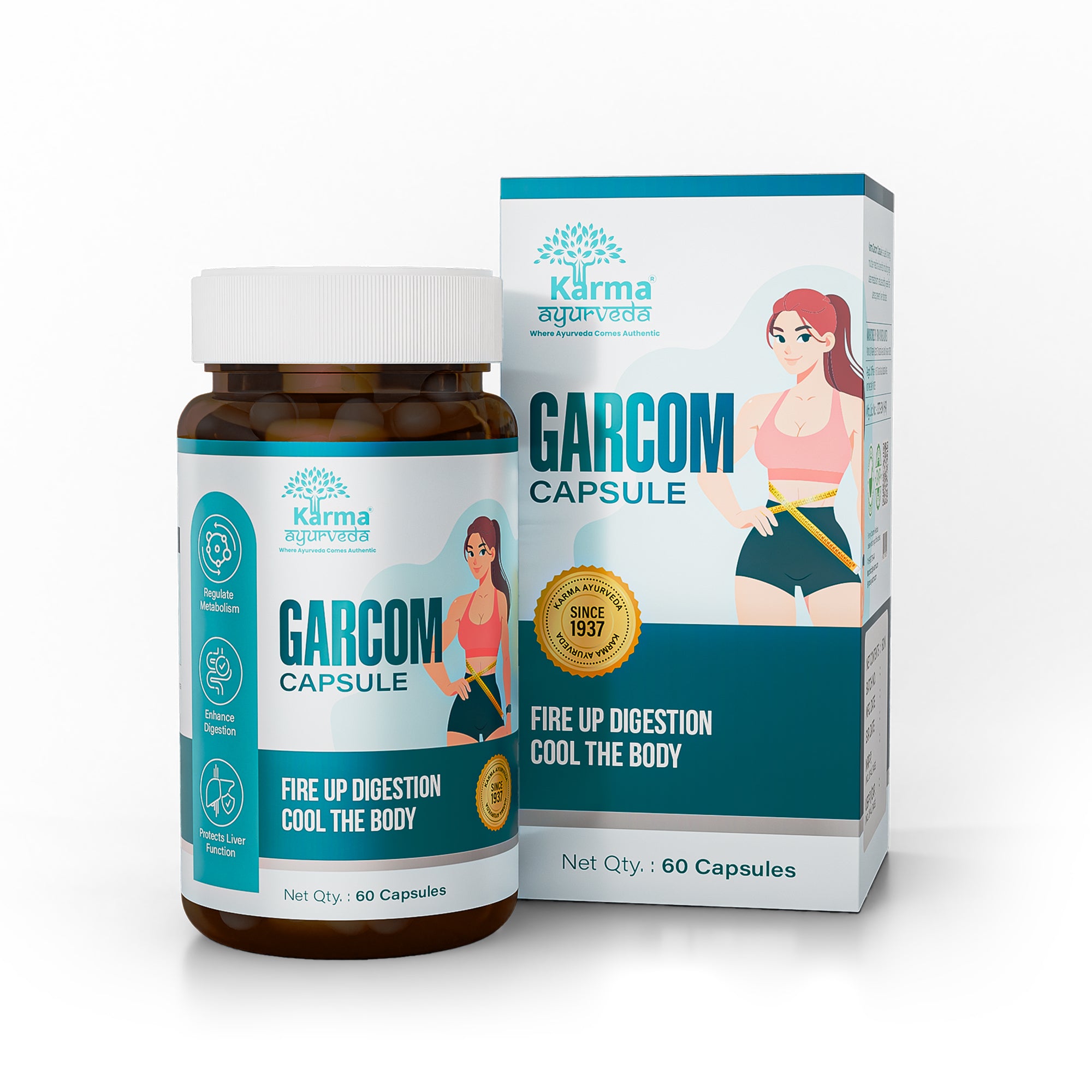
Karma Garcom Capsules contain Garcinia indica to support healthy metabolism, digestion, weight management, digestive comfort and daily wellness alongside a balanced lifestyle.
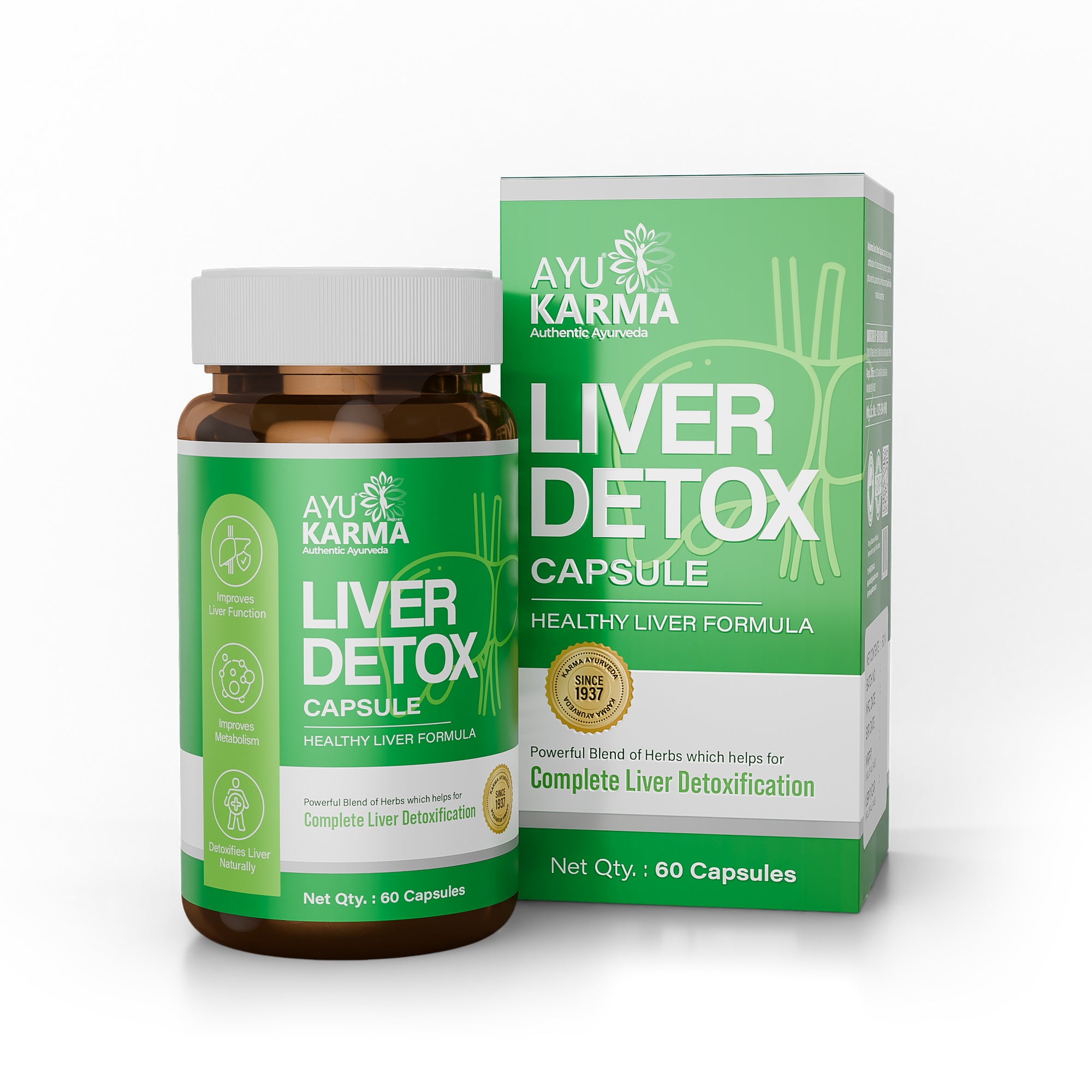
Doctor-recommended liver supplement that helps detoxify the liver, support healthy cholesterol, improve digestion & promote liver health. Developed by Dr. Puneet Dhawan with Karma Ayurveda philosophy.
Second Floor, 77, Block C, Tarun Enclave, Pitampura, New Delhi, Delhi, 110034

Certificate no- AH-2023-0186
JAN 05, 2026 - JAN 04, 2029
US FDA Reg. No.: 14568299376