Unlocking Wellness Naturally
100% Ayurvedic Treatment

.webp)
Motor Neuron Disease (MND) sounds like one of those big, scary medical terms that makes people quietly close the browser tab and promise themselves they’ll “read about it later.” Let’s not do that. Instead, let’s talk about it calmly, clearly, and with a little humor to keep things human. Along with medical awareness, many people today also explore supportive approaches like Ayurvedic treatment for MND to focus on overall balance and quality of life.
MND is a condition that affects the nerves (motor neurons) that control muscles. When these nerves stop working properly, muscles slowly weaken. The tricky part is that the early symptoms are often subtle and easy to brush off as “just one of those days.” Understanding these early signs can help people make informed choices, whether they’re looking at clinical care or options such as Ayurvedic treatment for MND as a complementary approach.
Let’s walk through the early signs together; no panic, no jargon, just real talk.
We all have days when our muscles feel like they didn’t get the memo. But early MND-related weakness is different. You might notice that one hand feels weaker than the other, or that your grip isn’t what it used to be.
Maybe opening a jar suddenly feels like an Olympic event. Or you drop things more often and blame it on being “clumsy.” While clumsiness happens to everyone, repeated weakness in the same area deserves attention. Muscles aren’t lazy by nature; if they keep underperforming, something else might be going on. At this stage, some individuals begin researching holistic support options like MND Ayurvedic treatment alongside medical advice.
That little twitch in your arm or leg? Totally normal. Happens to everyone, especially after caffeine, stress, or a bad night’s sleep. But with MND, muscle twitching (called fasciculations) can be frequent, visible, and oddly persistent.
It may feel like popcorn popping under your skin. It doesn’t hurt, but it does make you wonder if your muscles are trying to communicate in Morse code. Occasional twitching is fine. Twitching that sticks around and teams up with weakness? That’s worth checking out, especially if you’re also exploring supportive paths such as Ayurvedic medicine for MND.
Early speech changes can be easy to miss. Words might come out slightly slurred, or you may find yourself repeating things more often because people don’t quite catch what you said.
It’s not about forgetting words; it’s about muscles in the mouth and tongue not cooperating as smoothly as before. If people keep asking you to “say that again,” and it’s happening often, don’t just blame it on background noise or fast talking.
If swallowing starts feeling like a complicated task instead of something you do without thinking, take note. Early MND can affect the muscles involved in chewing and swallowing.
You might cough while eating, choke on liquids, or feel like food is moving slower than usual. This isn’t about eating too fast or talking with your mouth full. It’s about a consistent change that doesn’t seem normal for you. Many people, at this point, start looking into integrative care, including Natural treatment for MND, to support daily functioning.
Muscle cramps are common, especially after exercise or dehydration. But cramps linked to MND can be frequent and intense, showing up even when you haven’t done much physical activity.
Imagine sitting peacefully and suddenly your calf decides to stage a dramatic protest. When cramps happen often and come with weakness or stiffness, they deserve a second look.
Everyone gets tired. Life is exhausting. But MND-related fatigue isn’t just about feeling sleepy; it’s about muscles tiring out very quickly.
You might notice that tasks you’ve done for years now require more effort. Walking short distances feels harder. Climbing stairs becomes a slow, thoughtful process. This kind of fatigue doesn’t magically disappear after rest and often prompts people to seek specialized care at places like Karma Ayurveda Hospital, along with conventional consultations.
Early MND can affect how you walk. You might trip more often, drag one foot slightly, or feel unsteady without knowing why.
It’s not dramatic falling-over stuff at first. It’s subtle. You may joke that the floor is “attacking you,” but if it keeps happening, your body might be trying to send a message.
Reading about symptoms can be helpful, but it can also turn you into a full-time worrier. The key thing to remember is this: having one of these symptoms does not mean you have MND.
However, if symptoms are persistent, getting worse, or happening together, especially muscle weakness combined with twitching or speech changes, it’s time to talk to a healthcare professional. Early evaluation helps rule things out and allows people to consider supportive options, including lifestyle changes and Ayurvedic treatment for MND, sooner rather than later.
Motor Neuron Disease is serious, but knowledge is power and calm knowledge is even better. Listening to your body doesn’t mean panicking over every twitch or cramp. It means noticing patterns and respecting changes.
Your body is pretty good at communicating. Sometimes it whispers before it shouts. Paying attention to those whispers, with curiosity instead of fear, is one of the kindest things you can do for yourself.
Early symptoms of Motor Neuron Disease include muscle weakness, twitching, speech difficulty, cramps, and changes in walking or balance.
Yes, early MND symptoms are often subtle and may feel like normal fatigue or clumsiness, which is why they are commonly overlooked.
You should consult a doctor if muscle weakness, twitching, or speech problems persist or worsen over time.
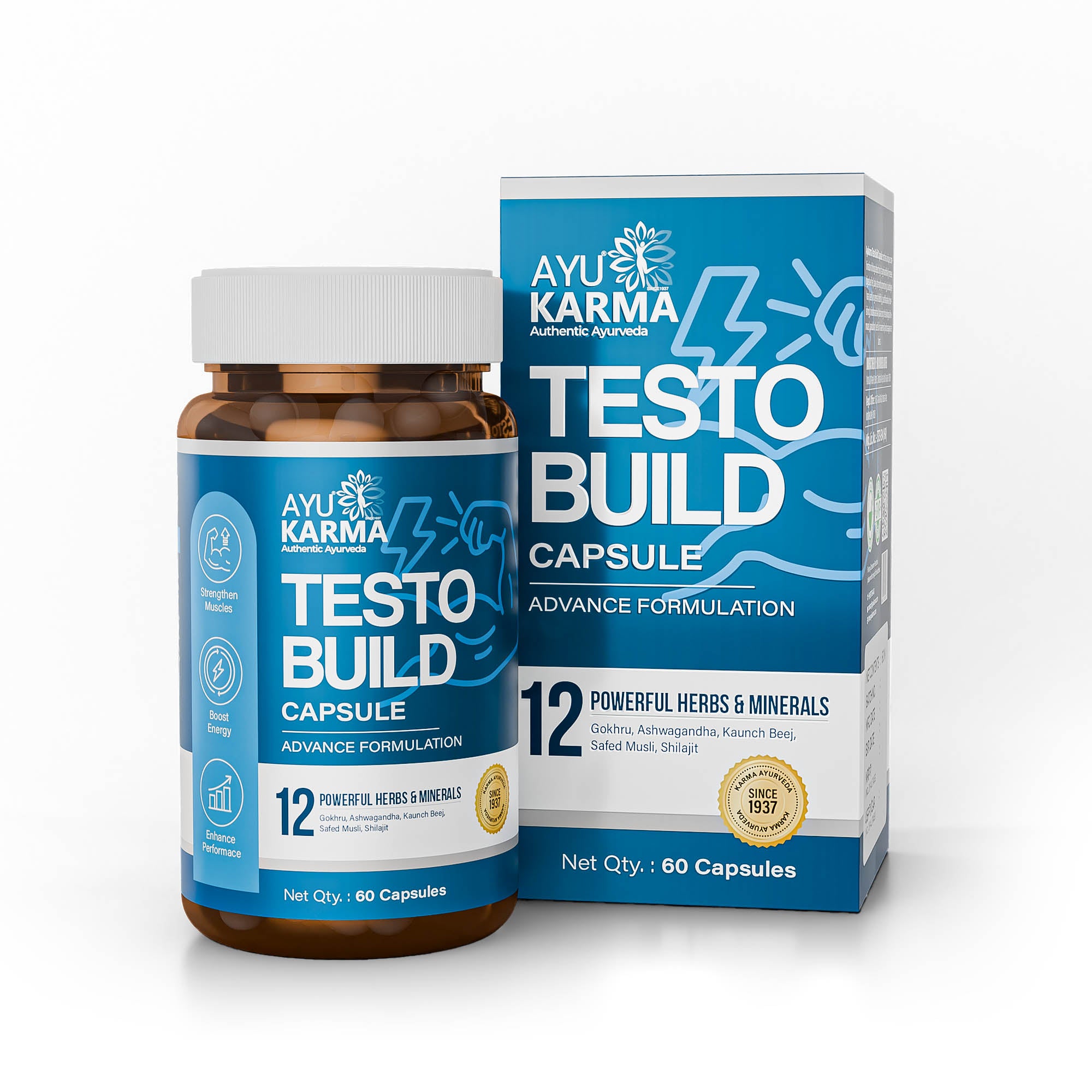
AyuKarma Testo Build Capsules combine 12 Ayurvedic herbs and minerals to support strength, energy, stamina, physical performance, nourishment and overall daily vitality.

AyuKarma Hair Lush Capsules combine Ayurvedic herbs to support hair growth, reduce hair fall, strengthen roots, nourish the scalp and promote healthier-looking hair.
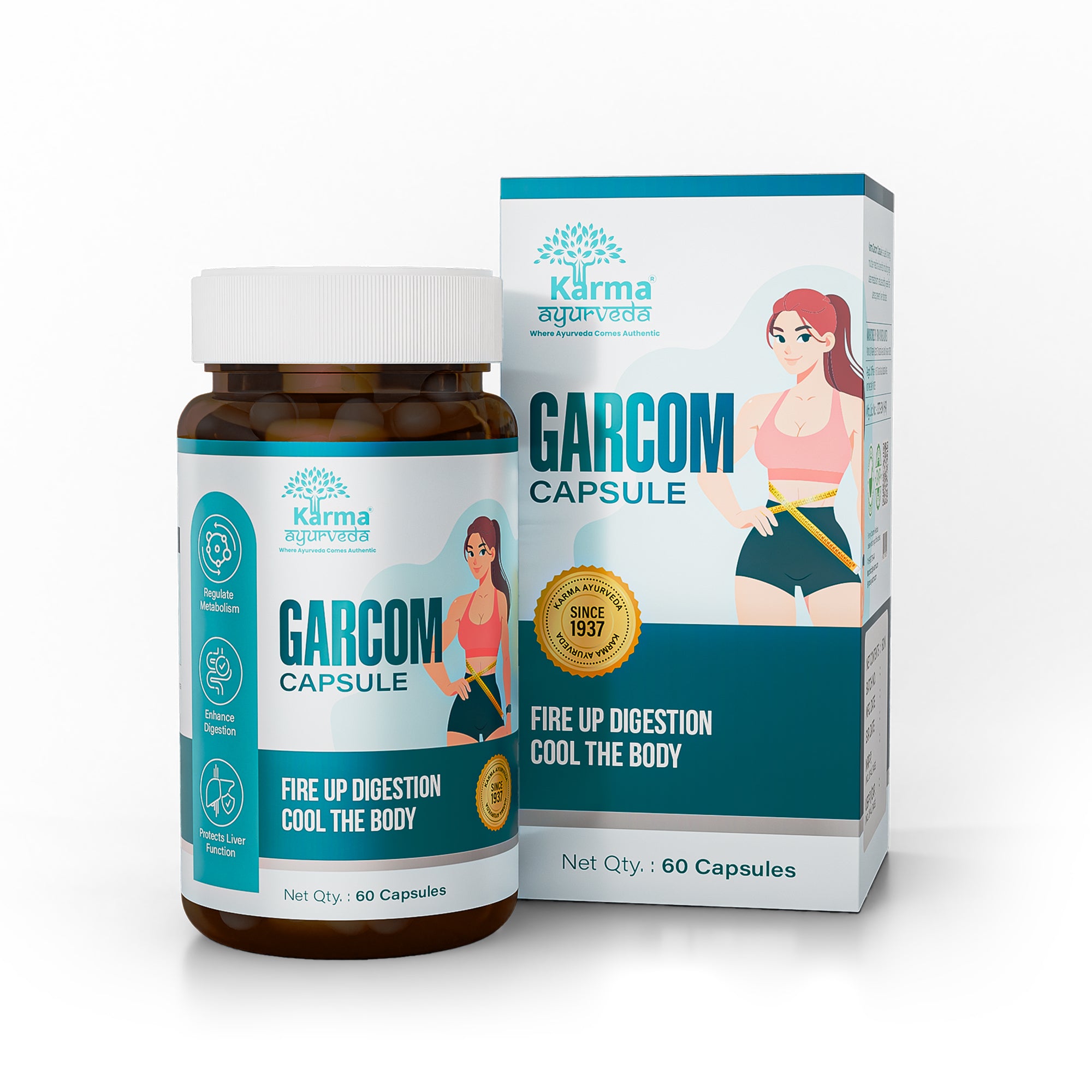
Karma Garcom Capsules contain Garcinia indica to support healthy metabolism, digestion, weight management, digestive comfort and daily wellness alongside a balanced lifestyle.
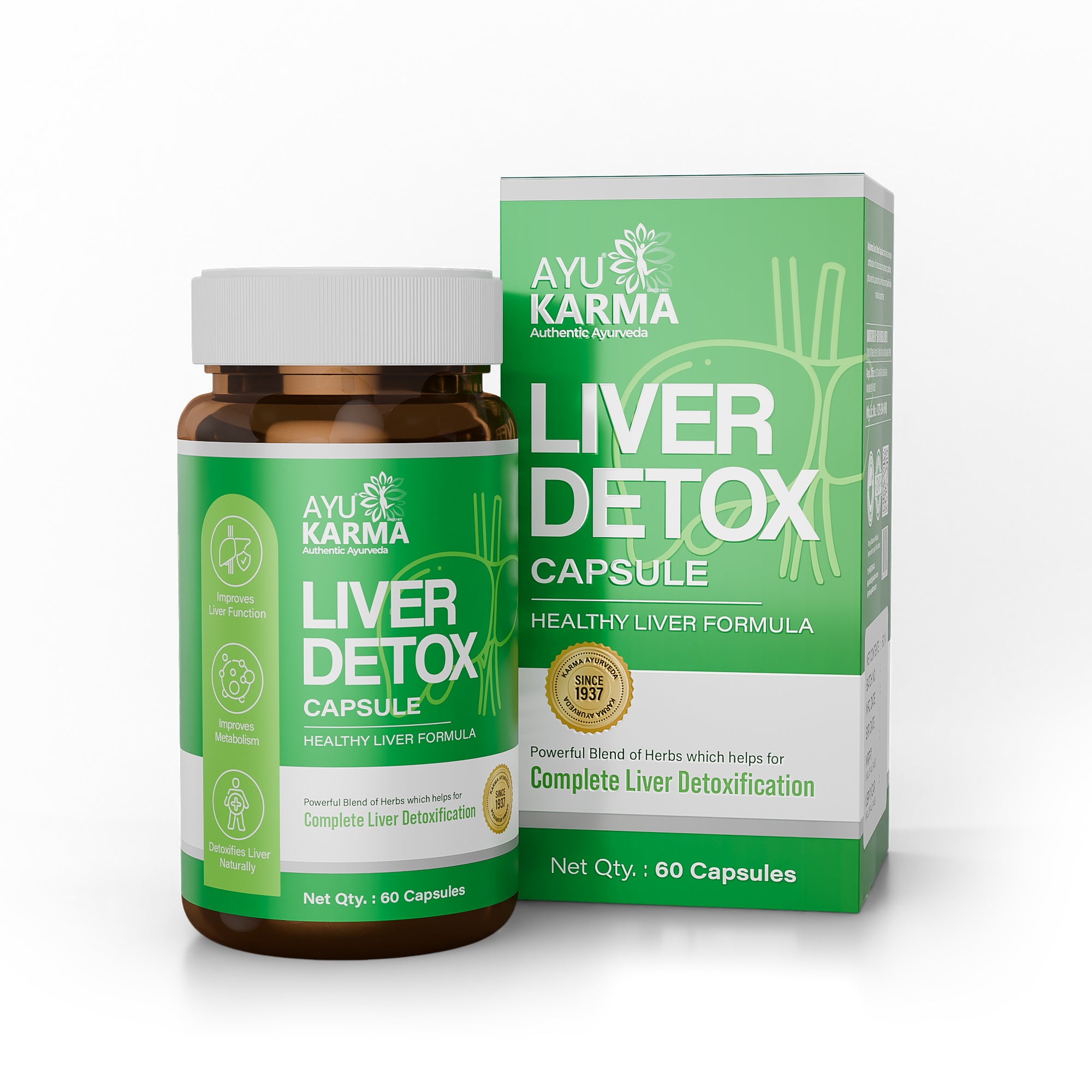
Doctor-recommended liver supplement that helps detoxify the liver, support healthy cholesterol, improve digestion & promote liver health. Developed by Dr. Puneet Dhawan with Karma Ayurveda philosophy.
Second Floor, 77, Block C, Tarun Enclave, Pitampura, New Delhi, Delhi, 110034
Certificate no- AH-2023-0186
JAN 05, 2026 - JAN 04, 2029

US FDA Reg. No.: 14568299376