Ways of Preventing Cervical Cancer
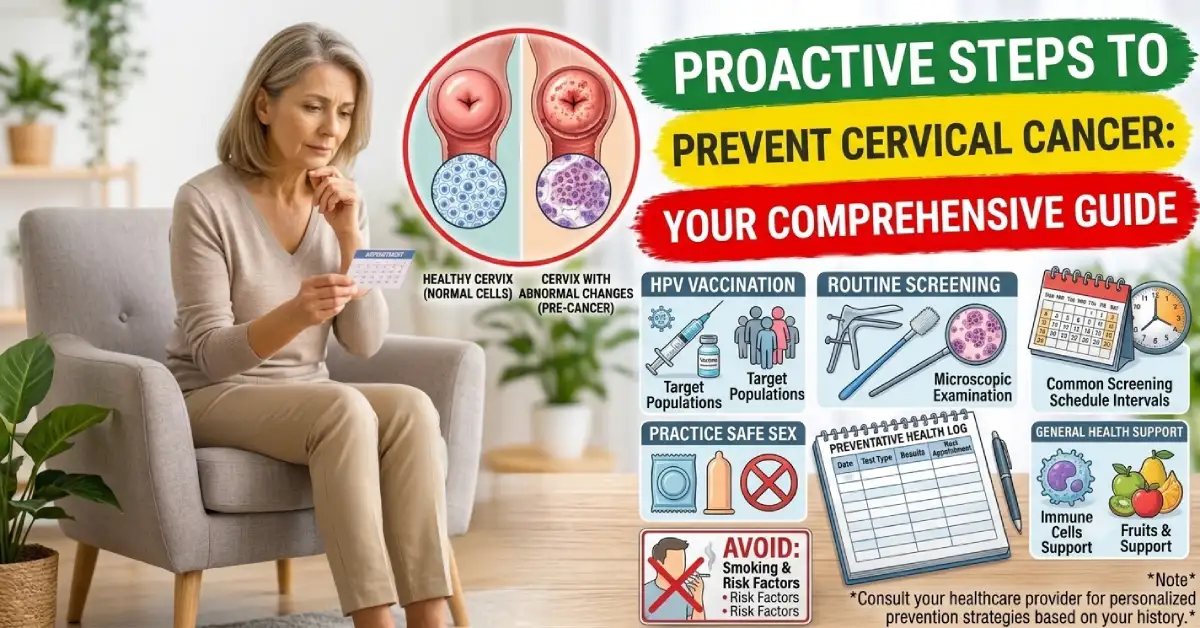
Three steps can help you avoid cervical cancer: get HPV vaccine, go for regular screening (Pap or HPV tests), and avoid smoking cigarettes. Almost all cases of this disease are connected with the long-term HPV infection, thus reducing the risk of contracting it is very important. This is why many people ask how to avoid cervical cancer and look for practical ways to lower their risk.
Not many cancers are so clear in their treatment and it is a great thing indeed. In addition, readers are always curious how the Ayurvedic medicine for cervical cancer works, and that is what we are going to explore below.
First, let's identify the culprit: HPV.
Human papillomavirus (HPV) is extremely common. Almost everyone who is sexually active has it at some point and usually the organism clears it. However, when certain high-risk types of HPV are not cleared within years and slowly modify cervix cell changes, problems begin. It's like a guest who overstays at your place for a decade.
Big Three protections
- HPV vaccination, it should preferably occur before sexual exposure, although catch-up HPV vaccine is helpful as well
- regular cervical screening with Pap smear or HPV test
- Quitting smoking or never starting
Numbers are promising, however:
- A large Swedish study of more than 1.6 million women carried out by Lei and colleagues in 2020, which was published in the New England Journal of Medicine, provided data on the significantly lower risk of invasive cancer associated with HPV vaccination, especially when it was performed at younger ages (before 17).
- An analysis performed by Falcaro and colleagues (The Lancet, 2021) showed dramatic decreases in cervical cancer and precancerous lesions in the vaccinated population in England.
Smoking matters too. Based on the pooled analysis carried out by the International Collaboration of Epidemiological Studies of Cervical Cancer (International Journal of Cancer, 2003), this risk is higher in women who are HPV-positive.
Vaccine vs. Screening: Who Does What?
| Tool | Its function | Its personality |
|---|---|---|
| Human Papillomavirus vaccine | Prevents the spread of troublesome strains | The bouncer. |
| Pap or HPV test | Spots changes early, before they become serious | Smoke detector. |
| Condoms | Help decrease risk, not fully eliminate risk of HPV infection | Good addition to safe sex, but not a substitute. |
The bouncer and the smoke alarm are needed. One cannot replace the other.
Everyday Habits Worth Building
Here are some Home tips for avoiding cervical cancer that really have evidence backing them up:
- Book a screening appointment immediately once it is due, even if you feel perfectly okay
- Use protection for sex, because according to the study made by Winer and colleagues (New England Journal of Medicine, 2006) condoms reduce the infection with HPV in young girls.
- Reduce risky behavior and talk openly with partners
- Eat fruits, vegetables and whole grains
- Keep a healthy weight and stay active
- Manage your stress levels and get enough sleep as lack of sleep and high levels of stress reduce immune functions and make you vulnerable to infections
Unglamorous? Yes. Effective? Also yes.
Signs Worth Not Ignoring
The first symptoms of the diseases are not always evident. Therefore, screenings are so important. In the later stages, observe following symptoms:
- Bleeding between periods, after sex or after menopause
- Unusual or Foul-Smelling Discharge
- Pain in the pelvic region or during intercourse
Don't play the waiting game with nothing. A quick visit is a much better alternative to a unpleasant surprise.
Ayurvedic Perspective
Ayurveda focuses on strengthening overall health through diet, daily routine, stress balance and herbs. Many people read about cervical cancer Ayurvedic treatment as a supportive, whole-person approach together with conventional care, but it should never replace screening, vaccination or oncology treatment.
Now the most honest part – most of the studies on herbs' impact on cancer have been conducted in laboratories, not in people. The review Aggarwal et al. has conducted in 2003 showed the ways how curcumin, an active component in turmeric, impacts cancer pathways. And though it's interesting to learn, lab research isn't a proof of efficacy in humans.
If you are interested in finding out what herbs are effective against cervical cancer in Ayurveda, these are commonly mentioned for general health and wellbeing:
- Haridra (turmeric)
- Ashwagandha
- Guduchi (giloy)
- Amla
These are among the best herbs for cervical cancer treatment in Ayurveda commonly discussed for general health and wellbeing. Please do not take any of them as something that protects you from HPV. Spices are good for dinner, not for avoiding Pap smears.
People exploring Ayurvedic treatment for cervical cancer should discuss it with a qualified healthcare professional and continue recommended screening and conventional care.
Conclusion
The main ways to prevent this disease are vaccination, screening and Taking Care of Yourself. As a practitioner, Dr. Puneet Dhawan emphasizes that personal approach is necessary in providing patients with the correct treatment because each person has his own medical history. Some people may also explore Karma Ayurveda for cervical cancer treatment as a supportive approach, but it should not replace recommended medical care.
Key Takeaways
- HPV causes nearly all cases, and the vaccine blocks the main high-risk strains.
- Regular Pap or HPV screening catches changes early.
- Smoking raises risk, so quitting helps.
- Condoms, a healthy lifestyle and good sleep add extra support.
- Ayurveda may support wellbeing but never replaces screening or treatment.
FAQs
Can cervical cancer be prevented completely?
Not 100%, but vaccination plus regular screening slashes the risk dramatically.
At what age should I get the HPV vaccine?
Ideally in early adolescence, though your doctor can advise on catch-up doses later.
How often should I get screened?
Usually every 3 to 5 years, depending on your age and test type, so ask your doctor.
Does HPV always lead to cancer?
Nope, most infections clear on their own without causing any trouble.
Can Ayurveda cure cervical cancer?
No herb has been proven to cure it, so use Ayurveda only as supportive care.
Disclaimer
This blog is for general information only and is not medical advice. Cervical health needs proper screening and diagnosis, so please consult a qualified healthcare professional before starting any herb, supplement or therapy, and never delay vaccination, screening or prescribed cancer treatment.