Unlocking Wellness Naturally
100% Ayurvedic Treatment

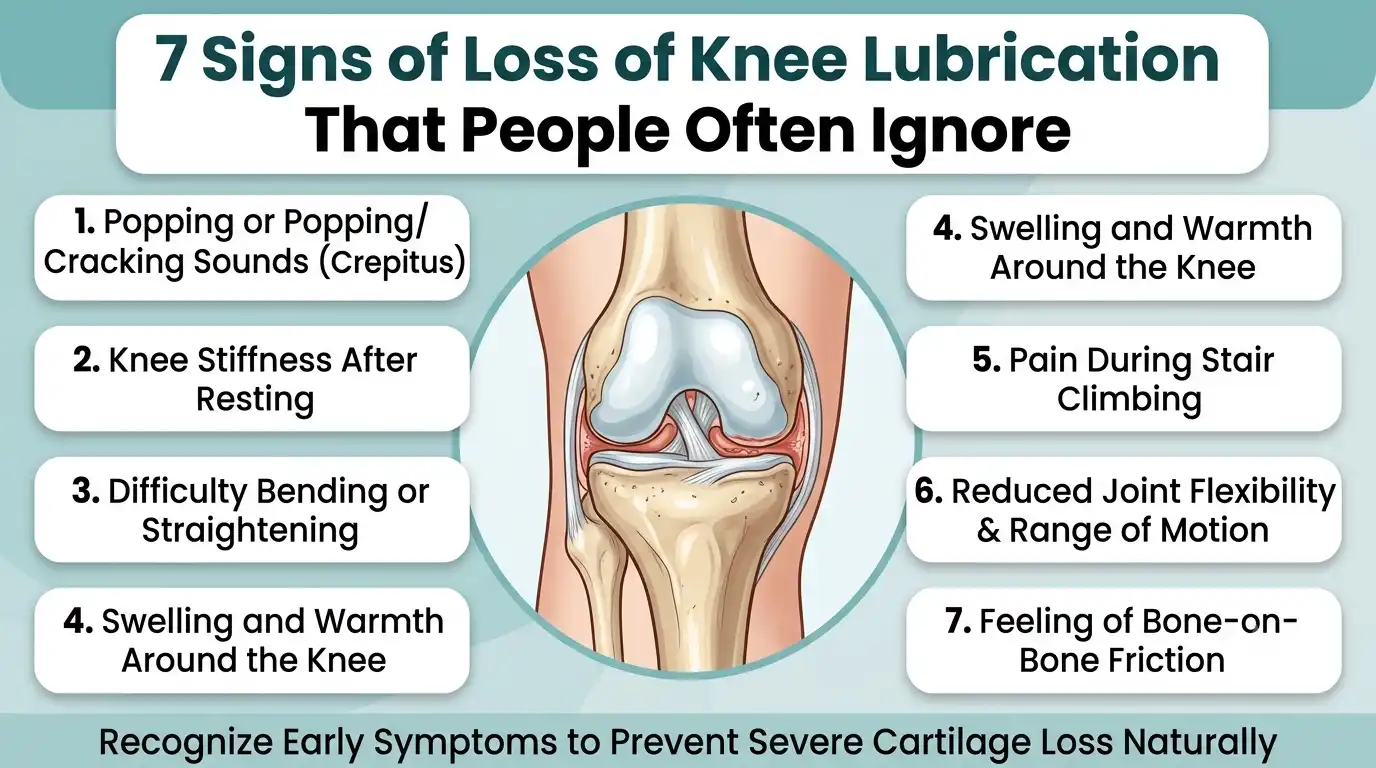
If your knees feel stiff, make a little “creak” when you stand up, or hurt after sitting for a while, loss of knee lubrication may be one of the things worth discussing with a healthcare professional. However, these symptoms do not automatically mean your knees have literally “run out of fluid”; cartilage wear, inflammation, muscle weakness, injuries, and osteoarthritis can cause similar complaints.
The knee is a wonderfully complicated little piece of engineering. It lets you walk, squat, climb stairs, dance at weddings, and occasionally complain loudly when you stand up from the sofa. Inside the joint, synovial fluid helps reduce friction between the moving surfaces, while cartilage provides a smooth, resilient covering over the ends of the bones.
Research on joint lubrication has shown that synovial fluid contains components such as hyaluronan and proteoglycan 4 that contribute to the lubrication of cartilage surfaces. Studies have also found changes in the lubricating properties of synovial fluid in osteoarthritis.
So, what are the signs of loss of knee lubrication that people commonly brush aside?
Let’s talk about them.
First, a small but important clarification.
People often use the phrase “knee lubrication” to describe the condition of the joint when it feels less smooth, stiff, or painful. The knee doesn't have a little oil tank that simply becomes empty one morning.
Synovial fluid is produced within the joint, and its quality and composition can change with inflammation, injury, aging, and joint disease. Cartilage can also become thinner or damaged.
That combination can make movement feel less comfortable.
A 2007 study published in Osteoarthritis and Cartilage examined how synovial fluid contributes to boundary lubrication of cartilage and highlighted the importance of the fluid-cartilage interface in reducing friction. ([PubMed])
In other words, your knees really do have their own tiny lubrication system. Pretty impressive, considering they never even got an oil change.
You sit through a movie, a long meeting, or a road trip, and when you finally stand up, your knees seem to say, “Excuse me, we need a moment.”
Stiffness after prolonged sitting is a common knee complaint.
You may notice:
This doesn't prove there is loss of knee lubrication, but it can indicate that something in the joint isn't moving as comfortably as it once did.
Persistent or worsening stiffness deserves attention rather than being dismissed as “just getting older.”
That little crunching sound when you bend your knee can be surprisingly dramatic.
Some people describe it as clicking, cracking, grinding, or creaking. Doctors may refer to some of these sensations as crepitus.
Occasional painless clicking isn't necessarily a problem. But when the sounds come with:
…it is worth getting the knee assessed.
Cartilage changes associated with osteoarthritis can contribute to these symptoms, so the sound alone shouldn't be interpreted as proof that lubrication has disappeared.
Stairs can reveal knee problems rather quickly.
If climbing stairs, getting out of a chair, squatting, or getting up from the floor consistently causes knee discomfort, it may indicate that the joint is struggling with load and movement.
Several conditions can cause this, including osteoarthritis, patellofemoral pain, tendon problems, muscle weakness, or previous injury.
So rather than immediately searching for the best medicines for knee pain, it can be more useful to first understand why the knee hurts.
The treatment should match the problem.
This is one of the descriptions people commonly use when talking about loss of knee lubrication.
You may feel as though your knee doesn't glide as smoothly as before, particularly when bending and straightening it.
Again, the sensation doesn't necessarily mean your synovial fluid has disappeared.
Research into cartilage lubrication has shown that the interaction between cartilage and synovial fluid is quite sophisticated, involving several molecules and lubrication mechanisms.
If the sensation keeps returning or comes with pain and stiffness, a professional evaluation makes more sense than trying to “add lubrication” on your own.
Swelling is another symptom people sometimes ignore until their trousers start giving them attitude.
Knee swelling can happen for many reasons, including inflammation, injury, osteoarthritis, bursitis, or other joint conditions.
When swelling repeatedly appears after walking, exercise, or prolonged standing, it shouldn't automatically be blamed on reduced lubrication.
Inflammation itself can affect the environment inside the joint, and studies of osteoarthritic synovial fluid have found changes in its properties and lubricating ability.
If swelling is sudden, severe, hot, red, or accompanied by fever or an inability to bear weight, medical attention is particularly important.
Remember when you could squat down, sit cross-legged, or bend your knees without thinking about it?
If you now find yourself carefully negotiating every movement, that's worth noticing.
Reduced knee movement may occur because of:
It's not necessarily a sign of loss of knee lubrication, but it can be a sign that the knee needs some attention.
The sooner the underlying reason is identified, the easier it may be to build an appropriate management plan.
Perhaps the biggest red flag is also the easiest to ignore.
You have pain. It gets better. You forget about it.
Then it returns.
And the cycle repeats.
Occasional discomfort after an unusually demanding day isn't necessarily alarming. But recurring knee pain; especially pain that gradually becomes more frequent; shouldn't simply be accepted as a permanent membership benefit of adulthood.
Osteoarthritis is one possible cause, and evidence-based guidelines recommend approaches such as exercise, strengthening, weight management when appropriate, and self-management for people with knee osteoarthritis. ([PubMed])
The important bit: symptoms overlap. A diagnosis can't be made simply by checking whether your knee makes noise.
There isn't one magic trick that puts the knee back to factory settings. Sadly, knees don't come with a reset button.
But several habits can support knee function.
Gentle, regular movement is generally preferable to avoiding activity altogether.
Walking, strengthening exercises, swimming, cycling, and appropriately modified mobility work can help maintain function.
The American College of Rheumatology/Arthritis Foundation guideline strongly recommends exercise for knee osteoarthritis and conditionally recommends yoga. ([PubMed])
Yoga for knee pain may be useful for some people when movements are appropriately modified.
The Ottawa Panel review found evidence that Hatha yoga may improve pain and physical function in people with knee osteoarthritis. ([PubMed])
The key word is appropriate. A knee that hurts doesn't need an Olympic-level demonstration of flexibility.
For people with knee osteoarthritis who are overweight or obese, weight management can reduce stress on the knee and is strongly recommended in major clinical guidelines. ([PubMed])
If your knee repeatedly swells, locks, gives way, or becomes increasingly painful, get it assessed.
Ayurveda has traditionally used dietary practices, lifestyle measures, external therapies, movement practices, and herbs as part of approaches to joint discomfort.
People searching for Ayurvedic remedies for knee pain, Ayurvedic knee pain treatment, Joint pain treatment in Ayurveda, or Natural treatment for knee may come across herbs such as turmeric, ginger, boswellia, or ashwagandha.
However, “natural” doesn't automatically mean “safe for everyone,” and herbs can interact with medicines or may not be appropriate for certain health conditions.
A systematic review of herbal medicines for knee osteoarthritis included 24 randomized trials involving 2,399 participants and reported potential symptom benefits, while also noting the need for additional research on safety and effectiveness. ([PubMed])
A randomized controlled trial published in Osteoarthritis and Cartilage, titled “Effectiveness of an Ayurveda treatment approach in knee osteoarthritis,” compared a multimodal Ayurvedic approach with conventional conservative care over 12 weeks.
This is interesting evidence, but it doesn't mean every Ayurvedic product or treatment will work for every person.
And when it comes to terms such as knee cartilage regeneration ayurveda or Ayurvedic knee cartilage treatment, it's important to keep expectations realistic: evidence for actual human cartilage regeneration is much more limited than evidence for improving symptoms and function.
If you're considering Karma Ayurveda for knee treatment or consulting Dr. Puneet Dhawan, discuss your symptoms, diagnosis, existing medicines, and test results openly so the approach can be tailored to you.
There isn't one universally Best medicine for knee swelling in ayurveda or one best herbs for joint pain that works for everybody.
The cause of swelling matters.
Likewise, searching for the best medicines for knee pain without knowing whether the pain comes from osteoarthritis, an injury, inflammation, or another condition can send you in the wrong direction.
A personalised evaluation is much more useful than choosing a medicine based on a catchy label.
There is no reliable home method that can simply refill synovial fluid like topping up engine oil.
Instead, focus on overall joint health:
This is where Knee pain natural treatment can mean something sensible: supporting movement, strength, weight management, sleep, nutrition, and appropriate care rather than hunting for one miraculous ingredient.
The signs of loss of knee lubrication aren't as straightforward as a dry joint making a squeaky noise. Stiffness, grinding, swelling, reduced movement, and recurring pain can all be clues that something is happening inside the knee; but they can have several different causes.
The good news is that knee discomfort doesn't automatically mean you have to stop moving and start treating your knees like priceless museum exhibits.
Regular movement, appropriate strengthening, healthy weight management, and timely assessment can all play an important role in maintaining knee function. For osteoarthritis, clinical guidelines support exercise and several other non-surgical approaches, while research into Ayurvedic and herbal approaches continues to develop.
The smartest approach is usually not to ask, “How do I add lubrication to my knees?” but rather, “Why are my knees hurting, and what can I do about the underlying problem?”
It can be associated with painful joint conditions, but knee pain has many possible causes and cannot be blamed on lubrication alone.
Stiffness, grinding, swelling and reduced movement may occur, but only a proper assessment can identify what's actually happening inside the joint.
Yes, appropriately modified yoga may help some people with knee osteoarthritis improve pain and function.
Some Ayurvedic approaches and herbal preparations have shown potential for symptom relief, although evidence varies and more research is needed.
Cartilage has limited natural healing capacity, so claims of complete cartilage regeneration should be treated cautiously and discussed with a qualified professional.
This article is for general educational purposes and does not replace medical diagnosis or treatment. Knee pain and swelling can have many causes, and symptoms alone cannot confirm loss of lubrication or cartilage damage. Consult a qualified healthcare professional before starting medicines, herbs, supplements, exercise programs, or Ayurvedic treatments, particularly if symptoms are severe or persistent.
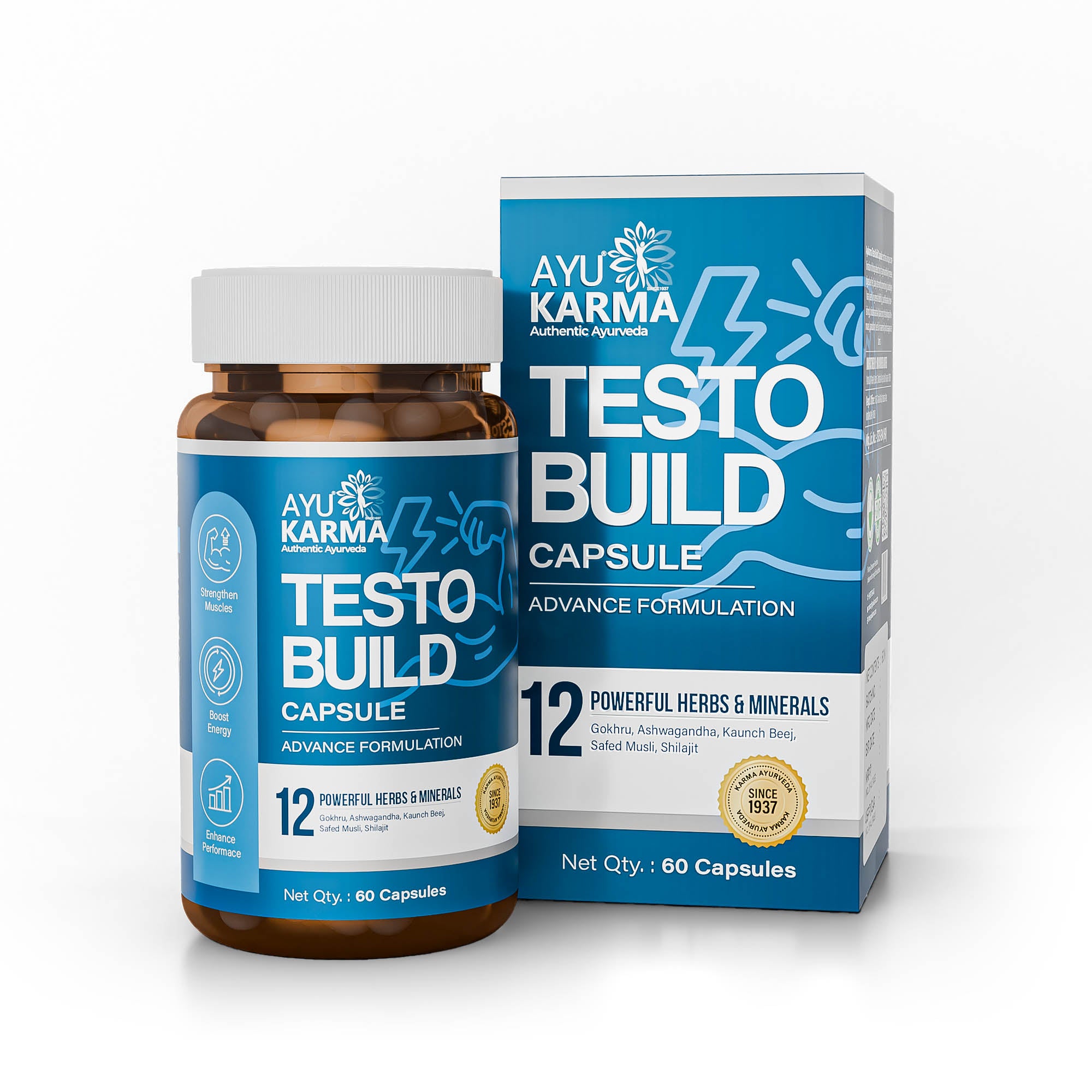
AyuKarma Testo Build Capsules combine 12 Ayurvedic herbs and minerals to support strength, energy, stamina, physical performance, nourishment and overall daily vitality.
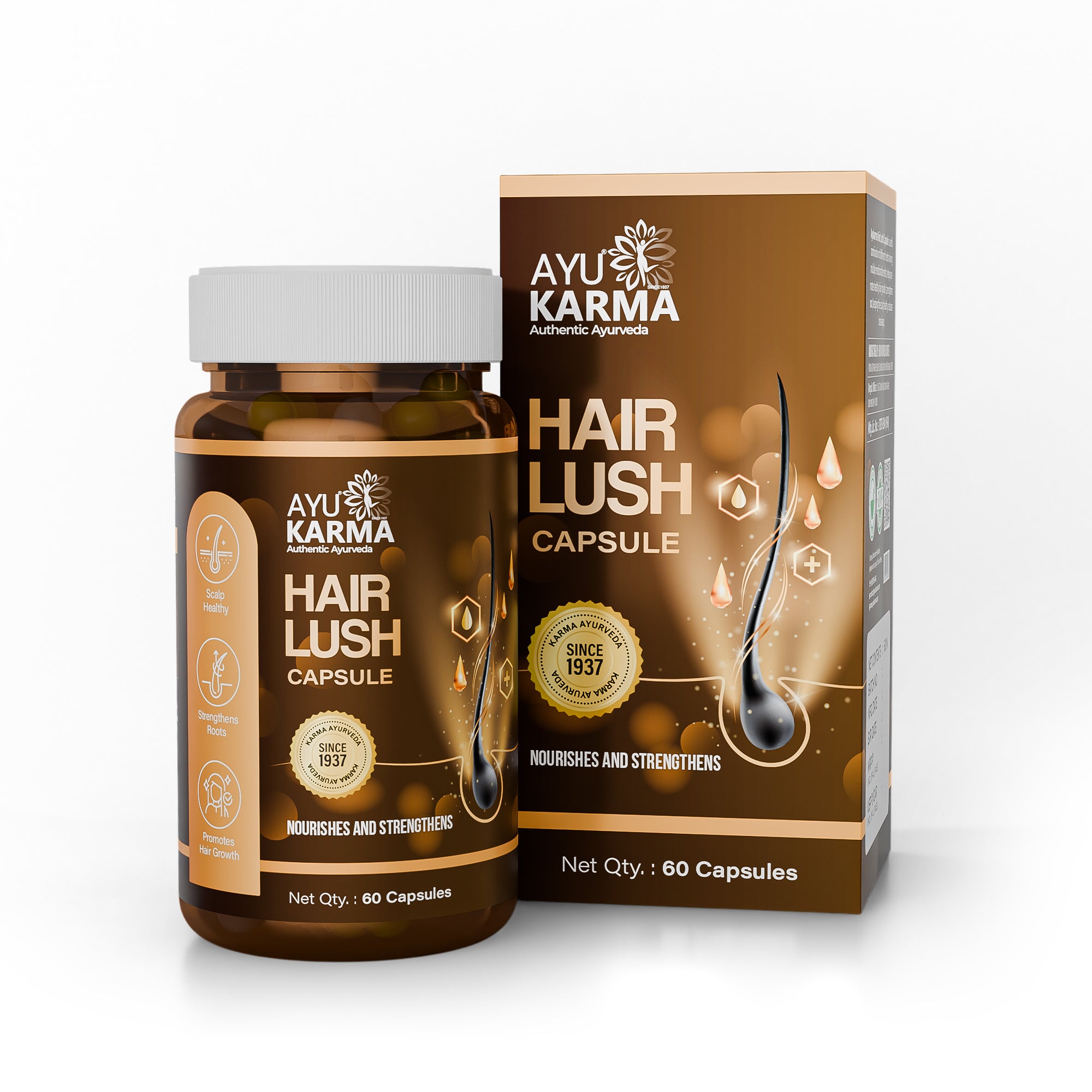
AyuKarma Hair Lush Capsules combine Ayurvedic herbs to support hair growth, reduce hair fall, strengthen roots, nourish the scalp and promote healthier-looking hair.
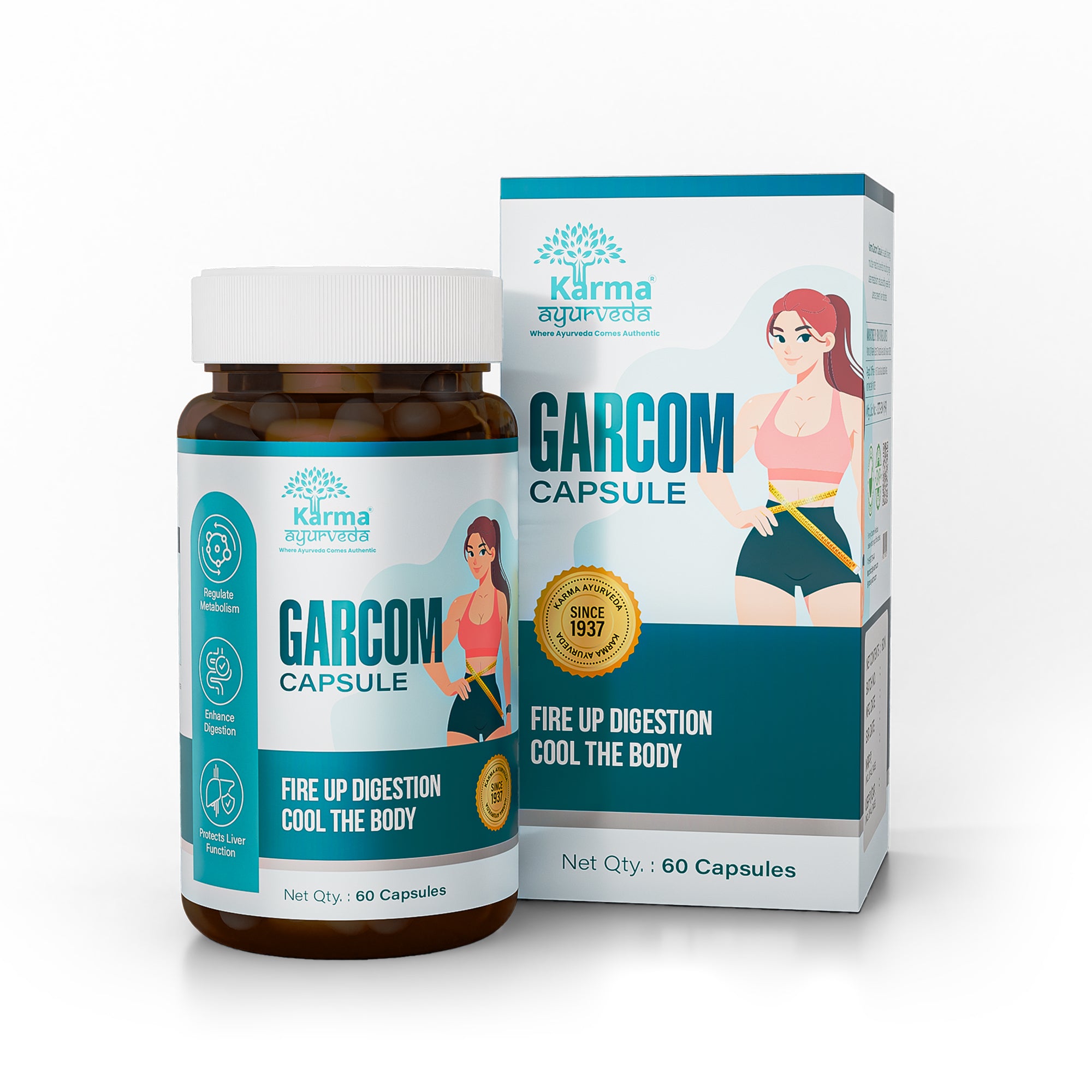
Karma Garcom Capsules contain Garcinia indica to support healthy metabolism, digestion, weight management, digestive comfort and daily wellness alongside a balanced lifestyle.
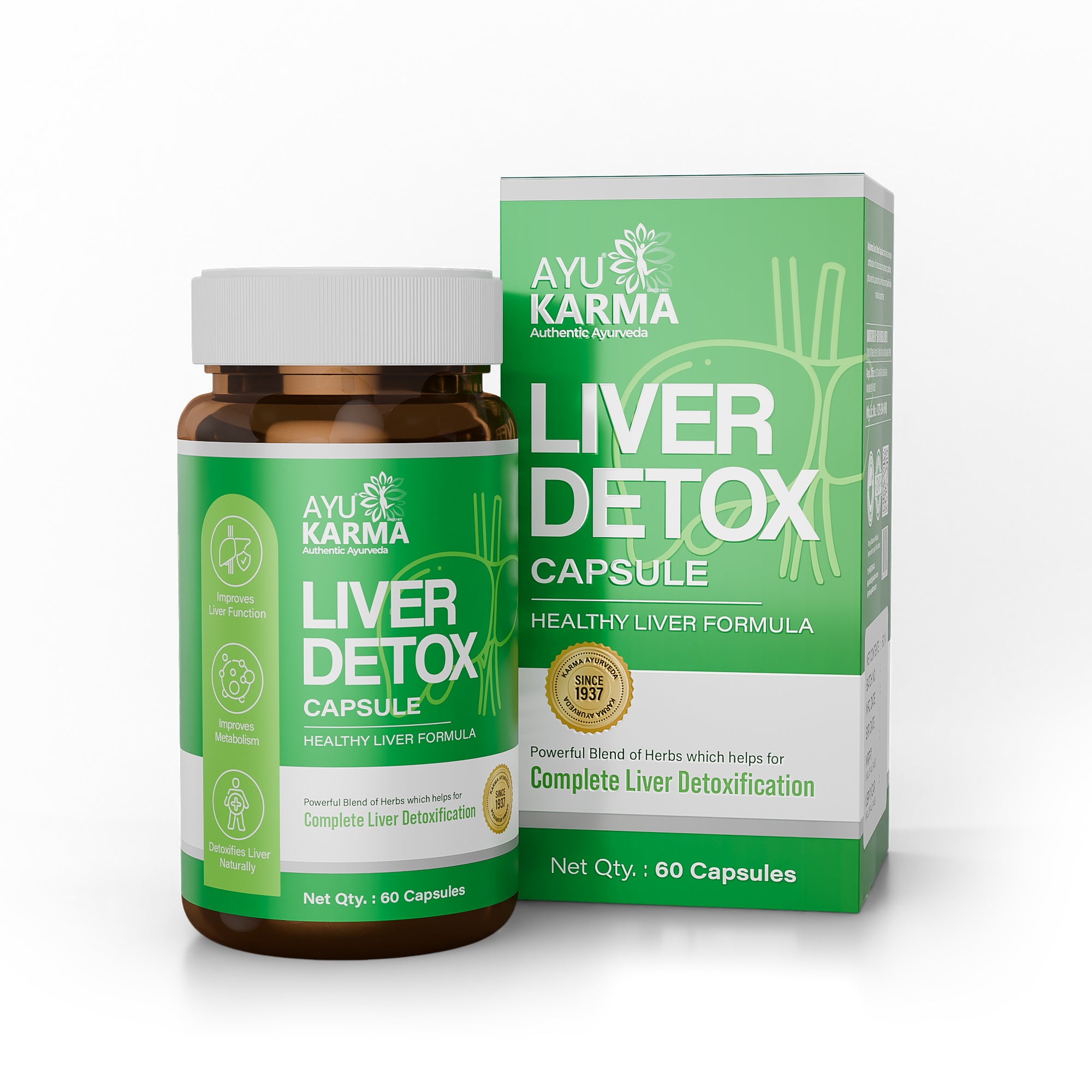
Doctor-recommended liver supplement that helps detoxify the liver, support healthy cholesterol, improve digestion & promote liver health. Developed by Dr. Puneet Dhawan with Karma Ayurveda philosophy.
Second Floor, 77, Block C, Tarun Enclave, Pitampura, New Delhi, Delhi, 110034

Certificate no- AH-2023-0186
JAN 05, 2026 - JAN 04, 2029

US FDA Reg. No.: 14568299376