Unlocking Wellness Naturally
100% Ayurvedic Treatment


If you want better digestion, healthier kidney function, and long-term wellness, Ayurveda starts with something surprisingly simple: take care of digestion, daily habits, sleep, food, and hydration before problems pile up.
In other words, your gut and your kidneys may have different jobs, but they are very much part of the same team; and neither appreciates being treated like an afterthought.
Key Takeaways
Your digestive system does much more than simply process your lunch.
The gut contains trillions of microorganisms that interact with food, produce metabolites, communicate with the immune system, and influence the intestinal barrier. When this ecosystem is disrupted, digestion may not be the only thing affected.
Bloating, irregular bowel movements, excessive gas, abdominal discomfort, and changes in appetite can all be signs that your digestive routine needs some attention.
And no, this doesn't mean you need to spend your weekend drinking green juice and apologizing to your intestines.
It means going back to basics.
Ayurveda has traditionally placed considerable emphasis on Agni, or digestive capacity. While Ayurvedic concepts don't map perfectly onto modern physiology, the broader idea; that food, digestion, metabolism, and lifestyle influence health; is increasingly relevant to modern research.
How to improve gut health in Ayurveda
A practical Ayurvedic approach can include:
The goal isn't perfection. It is consistency.
The connection between gut health and overall wellness is one of the most interesting areas of modern health research.
Your intestinal microbiome produces numerous compounds as it processes food. Some of these metabolites may support health, while others can become problematic when microbial balance and dietary patterns are unfavorable.
Researchers are particularly interested in short-chain fatty acids such as butyrate, which are produced when certain gut bacteria ferment dietary fiber.
A 2023 systematic review titled Gut Microbiota in Chronic Kidney Disease: From Composition to Modulation towards Better Outcomes examined 69 eligible studies and described significant changes in gut microbial composition among people with chronic kidney disease.
More recent reviews have further explored this relationship through what is known as the gut-kidney axis.
One 2024 review, The Gut-Kidney Axis in Chronic Kidney Diseases, discussed how microbial imbalance may contribute to the production of compounds such as indoxyl sulfate and p-cresyl sulfate, while also emphasizing that more research is needed before microbiome-based approaches become routine treatments.
That's an important distinction: fascinating science doesn't automatically equal a proven treatment.
Think of the gut and kidneys as two departments in the same company.
One handles digestion and microbial metabolism. The other filters waste and helps regulate fluid, electrolytes, acid-base balance, and blood pressure.
When renal function declines, changes in the gut environment can occur. At the same time, altered microbial activity may influence the substances reaching the circulation and ultimately being handled by the kidneys.
This two-way relationship is called the gut-kidney axis.
A recent review in Biomedicines describes how chronic kidney disease can be associated with reduced beneficial short-chain-fatty-acid-producing bacteria and increased production of gut-derived uremic toxins.
So, when discussing kidney health, it makes sense to think beyond a single organ.
Ayurveda doesn't have to mean complicated routines involving 17 herbs, three copper vessels, and waking up before the sun has even made up its mind.
A sensible lifestyle foundation is much simpler.
1. Eat according to your individual needs
A balanced diet generally includes:
However, people with established renal disease may require specific dietary adjustments.
For example, someone with reduced filtration may need individualized guidance regarding potassium, phosphorus, protein, sodium, and fluid intake.
So, "healthy food" isn't automatically healthy in unlimited quantities for everyone.
2. Don't ignore hydration
Water is important for normal physiological function, but more isn't always better.
Someone with normal renal function may have very different fluid requirements from someone experiencing advanced chronic kidney disease, heart failure, edema, or fluid restrictions.
That's why blindly following the internet's favorite "drink four litres a day" advice isn't particularly clever.
Hydration should be individualized.
3. Keep your blood pressure and blood sugar in check
High blood pressure and diabetes are major contributors to chronic renal damage.
Regular monitoring, prescribed treatment, appropriate nutrition, physical activity, and routine medical follow-ups can therefore be more valuable than chasing the latest wellness trend.
The phrase Ayurvedic remedies for leaky gut and digestion is increasingly popular online, but it deserves a little caution.
"Leaky gut" generally refers to increased intestinal permeability; a real biological phenomenon being studied in several conditions. However, it is not a universal explanation for every digestive complaint, and online claims about "repairing a leaky gut" often run considerably ahead of the evidence.
Traditional Ayurvedic practices may include dietary adjustments and herbs traditionally used for digestive comfort, but the right approach depends on the person.
Some commonly discussed Ayurvedic ingredients include:
These aren't interchangeable medicines, and "natural" doesn't automatically mean risk-free.
For example, herbs and supplements can interact with medications or be inappropriate for people with certain medical conditions.
Let's clear up one thing first: your body already has sophisticated systems for eliminating waste. Your kidneys, liver, lungs, skin, and gastrointestinal tract are doing that work every day.
So daily Ayurvedic drinks for digestion and detox should be viewed as supportive dietary habits; not magical cleansing potions.
Some simple options people traditionally use include:
The important part is the overall routine, not finding one superstar drink that supposedly fixes everything.
A complete guide to Ayurvedic kidney care should not begin with a miracle herb.
It should begin with understanding what is actually happening.
Useful health markers can include:
If someone already has chronic kidney disease, these numbers matter far more than whether a particular drink is trending on Instagram.
Ayurvedic care may be considered as a complementary wellness approach, but it shouldn't replace appropriate diagnosis, monitoring, or prescribed treatment.
Modern research increasingly points toward dietary patterns rather than isolated "superfoods."
A 2025 review examining nutrition and the kidney-gut axis reported that dietary fiber, whole grains, Mediterranean-style eating patterns, and other nutrition strategies may positively influence gut microbiota, although human evidence remains incomplete and individual responses vary.
That gives us a fairly practical takeaway.
Build meals around:
If you're dealing with advanced renal disease, however, some high-potassium or high-phosphorus foods may need to be limited. That's where individualized professional guidance becomes important.
This is the part nobody wants to hear because there is no fancy bottle involved.
Regular physical activity supports cardiovascular health. Adequate sleep helps regulate numerous metabolic and hormonal processes. Chronic stress can influence appetite, sleep, digestive symptoms, and everyday lifestyle choices.
In Ayurveda, daily routine; or Dinacharya; has traditionally been considered important for maintaining balance.
Modern language may differ, but the basic message isn't wildly different:
Eat reasonably well. Move your body. Sleep properly. Manage stress. Repeat.
Not particularly glamorous. Extremely useful.
Probiotics are another area where marketing sometimes runs faster than science.
A 2023 systematic review and meta-analysis examined 82 randomized controlled trials involving more than 10,000 people with IBS. It found that some probiotic strains or combinations may help certain symptoms, but the certainty of evidence varied considerably.
So rather than asking, "Which probiotic fixes my gut?" a better question is:
Do I actually need one, and which strain has evidence for my specific problem?
That small change in thinking can save you money; and possibly a cupboard full of supplements you forgot you bought.
The connection between gut health and overall wellness becomes much easier to understand when you stop looking for one cause or one cure.
Your health is influenced by dozens of everyday factors:
Ayurveda's emphasis on individualized routines can fit naturally into this broader picture, provided traditional practices are used thoughtfully and alongside appropriate medical care.
The same applies to Ayurvedic remedies for leaky gut and digestion: they may be part of a broader wellness routine, but persistent symptoms deserve proper evaluation rather than endless experimentation at home.
Good gut health and healthy renal function aren't separate conversations. The emerging science around the gut-kidney axis shows that digestion, microbial activity, metabolism, inflammation, and renal health can influence one another.
A practical Ayurvedic lifestyle focuses on the fundamentals: nourishing food, sensible hydration, regular movement, adequate rest, stress management, and attention to individual needs.
And perhaps the best wellness rule of all is this: don't wait until your body starts shouting to begin listening to it.
This article is for general educational purposes and does not replace medical diagnosis, treatment, or individualized dietary advice. People with chronic kidney disease, digestive disorders, diabetes, hypertension, or those taking medications should consult an appropriately qualified healthcare professional before making significant dietary, herbal, or supplement changes.
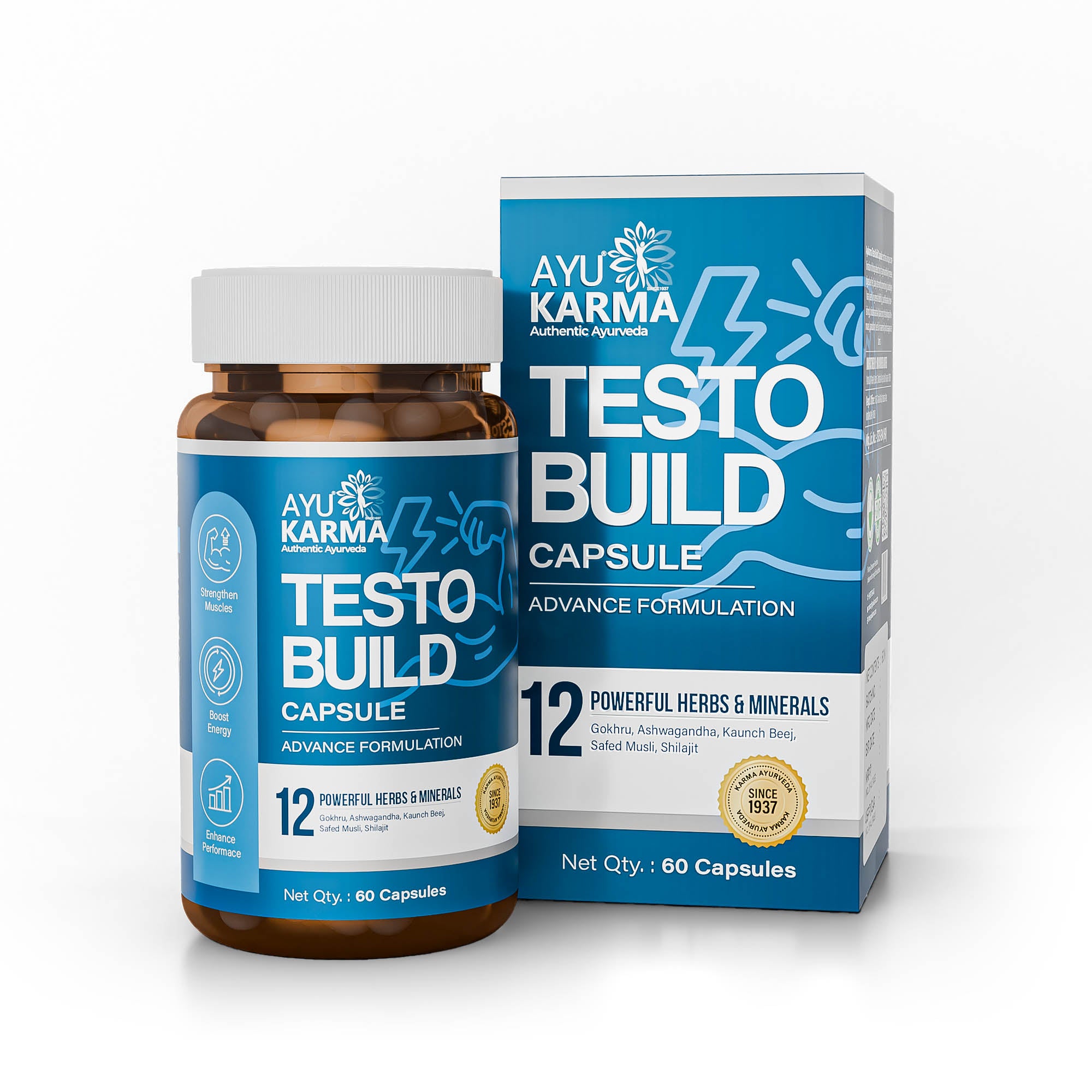
AyuKarma Testo Build Capsules combine 12 Ayurvedic herbs and minerals to support strength, energy, stamina, physical performance, nourishment and overall daily vitality.

AyuKarma Hair Lush Capsules combine Ayurvedic herbs to support hair growth, reduce hair fall, strengthen roots, nourish the scalp and promote healthier-looking hair.

Karma Garcom Capsules contain Garcinia indica to support healthy metabolism, digestion, weight management, digestive comfort and daily wellness alongside a balanced lifestyle.
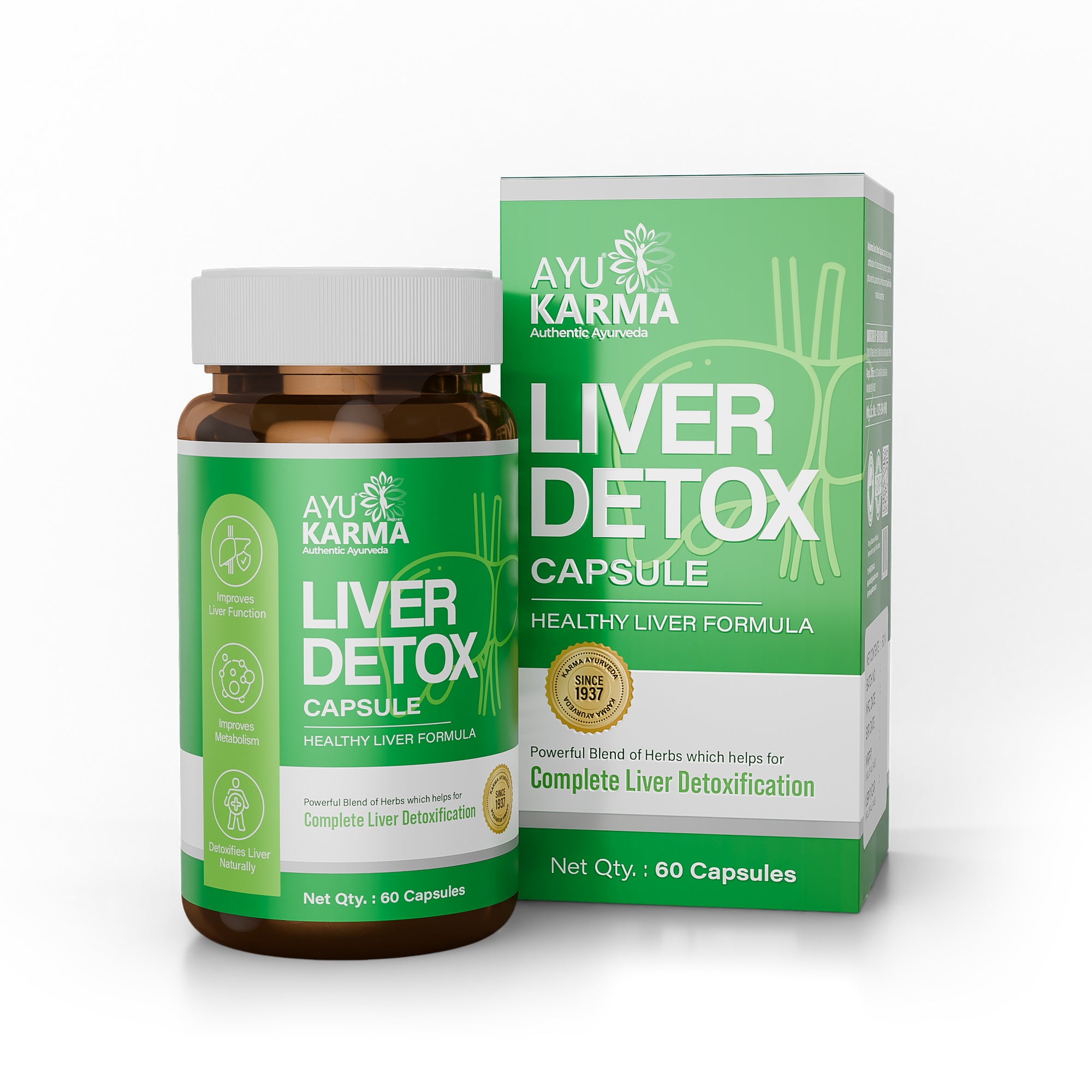
Doctor-recommended liver supplement that helps detoxify the liver, support healthy cholesterol, improve digestion & promote liver health. Developed by Dr. Puneet Dhawan with Karma Ayurveda philosophy.
Second Floor, 77, Block C, Tarun Enclave, Pitampura, New Delhi, Delhi, 110034

Certificate no- AH-2023-0186
JAN 05, 2026 - JAN 04, 2029

US FDA Reg. No.: 14568299376