Unlocking Wellness Naturally
100% Ayurvedic Treatment

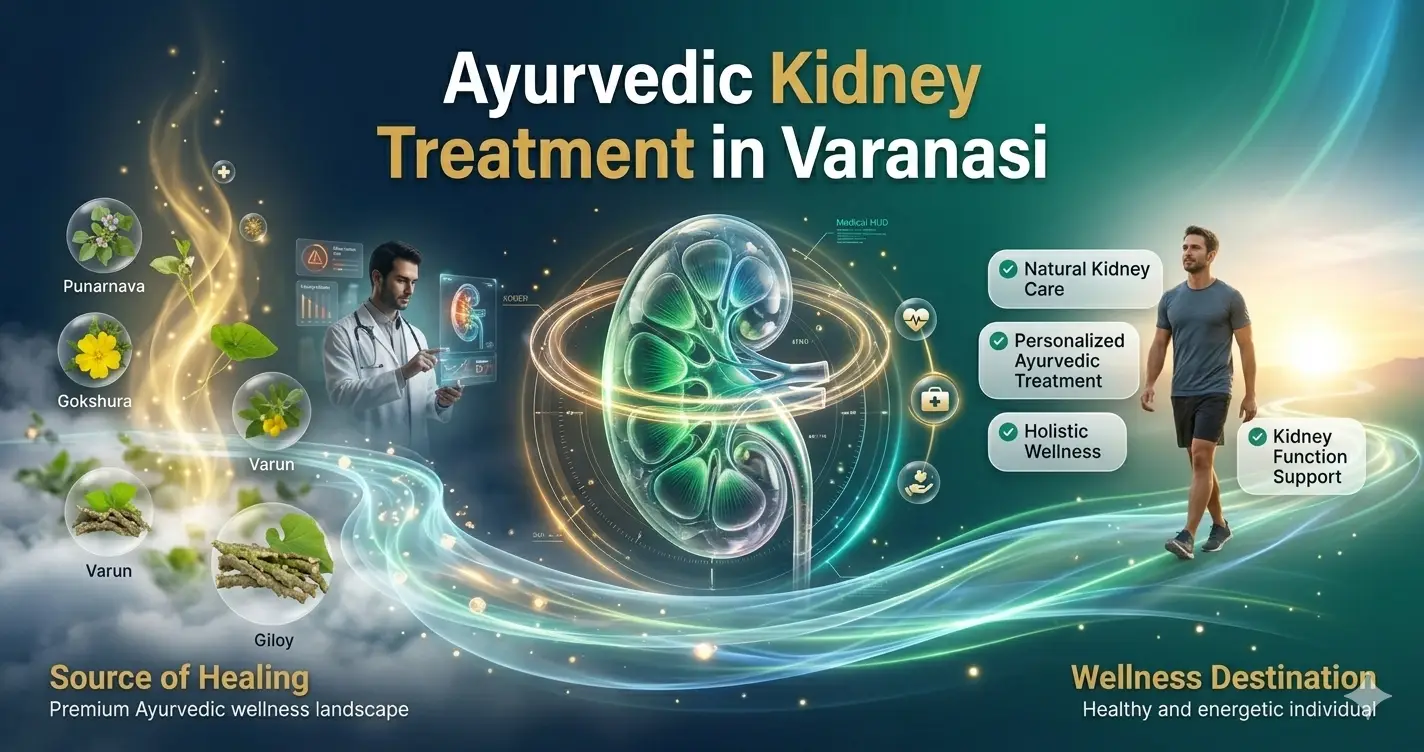
Varanasi is famous for its ghats, spiritual energy, delicious street food, and narrow lanes that somehow fit cars, bikes, cows, and people all at once! But amidst the beauty and chaos of the city, kidney health is becoming a growing concern for many residents.
Kidney diseases often develop silently. Unlike your neighbor's loud generator during a power cut, kidney problems usually don't make much noise in the beginning. By the time symptoms appear, significant damage may already have occurred.
This is where Ayurveda offers a natural and holistic approach. Instead of focusing only on symptoms, Ayurveda aims to support overall kidney function, improve lifestyle habits, and help maintain better health naturally. Many patients today are exploring Ayurvedic kidney treatment in Varanasi as a complementary approach to kidney care.
Let's understand kidney diseases, their causes, symptoms, and how Ayurveda may help support kidney health.
Ayurveda has been practiced in India for thousands of years. It focuses on balancing the body's natural systems through herbs, dietary changes, lifestyle modifications, and detoxification methods.
Many people seek kidney Ayurvedic treatment because it takes a holistic approach rather than addressing only laboratory reports. The goal is to support kidney function, improve digestion, strengthen immunity, and promote overall wellness.
Several factors contribute to kidney-related issues among people living in Varanasi:
Let's be honest. Sometimes we treat our kidneys like forgotten roommates. We expect them to work 24/7 while surviving on spicy snacks, sugary drinks, and very little water!
Over time, these habits may affect kidney function.
CKD is a long-term condition in which kidney function gradually declines over time. Early diagnosis and proper management are important to slow disease progression.
Kidney failure occurs when the kidneys lose most of their ability to filter waste and excess fluids from the body.
Elevated creatinine levels may indicate reduced kidney function. Patients often look for supportive therapies and lifestyle modifications to help manage this condition.
Proteinuria refers to the presence of excess protein in urine and may be an early sign of kidney damage.
This condition causes excessive protein loss through urine and often leads to swelling in different parts of the body.
PKD is a genetic disorder characterized by multiple fluid-filled cysts developing in the kidneys.
Simple kidney cysts are common and often harmless, but larger or multiple cysts may require monitoring and medical attention.
Kidney disease symptoms can vary depending on the stage and type of condition.
Common signs include:
If your body starts sending these warning messages, don't hit the "ignore" button like those software update notifications.
Several factors may increase the risk of kidney disease:
Understanding these risk factors helps in early prevention and better kidney care.
Ayurveda focuses on identifying the root cause of imbalance and supporting the body's natural healing mechanisms.
The Ayurvedic approach may include:
Many patients seek kidney disease treatment in Ayurveda because it emphasizes overall wellness rather than symptom management alone.
Ayurvedic practitioners often recommend specific kidney Ayurvedic medicine formulations based on individual health conditions and body constitution.
Consulting an experienced kidney disease Ayurvedic doctor is important for receiving personalized treatment recommendations.
Potential benefits include:
Many people appreciate Ayurveda because it doesn't just ask, "What is the problem?" It also asks, "Why did the problem develop in the first place?"
A proper diet plan for kidney disease plays an important role in kidney health.
Helpful tips include:
Some commonly discussed kidney disease home remedies include:
However, home remedies should never replace professional medical advice.
Healthcare has become more accessible than ever. Patients in Varanasi can now consult kidney experts through online platforms from the comfort of their homes.
Online consultations may help with:
This is particularly beneficial for elderly patients and those living in nearby towns and villages.
For decades, Karma Ayurveda has been providing Ayurvedic support for kidney patients across India and internationally.
Reasons patients choose Karma Ayurveda include:
Many patients searching for a trusted kidney hospital in Varanasi often explore Karma Ayurveda's kidney care services and consultation options.
Ayurveda focuses on holistic wellness and may help support overall kidney health through herbs, diet, and lifestyle changes.
Treatment should always be taken under the guidance of a qualified Ayurvedic practitioner and healthcare professional.
Patients are generally advised to limit processed foods, excess salt, and unhealthy fats based on individual medical advice.
Lifestyle modifications, dietary changes, and professional medical care may help support kidney health.
Many healthcare providers now offer online consultation services for kidney-related concerns.
Yes. A personalized diet plan for kidney disease can play a significant role in managing kidney health.
Karma Ayurveda is an Ayurvedic healthcare institution focused on providing holistic kidney care through traditional Ayurvedic principles, herbal formulations, dietary guidance, and lifestyle recommendations.
This content is medically reviewed according to generally accepted kidney health information and Ayurvedic principles. Patients should consult qualified healthcare professionals before making treatment decisions.
Several scientific studies support the importance of lifestyle management, dietary interventions, and integrative approaches in kidney care.
For more research and scientific studies, click here
This article is intended for educational purposes only. It does not replace professional medical advice, diagnosis, or treatment. Always consult a qualified healthcare provider regarding any kidney-related condition.
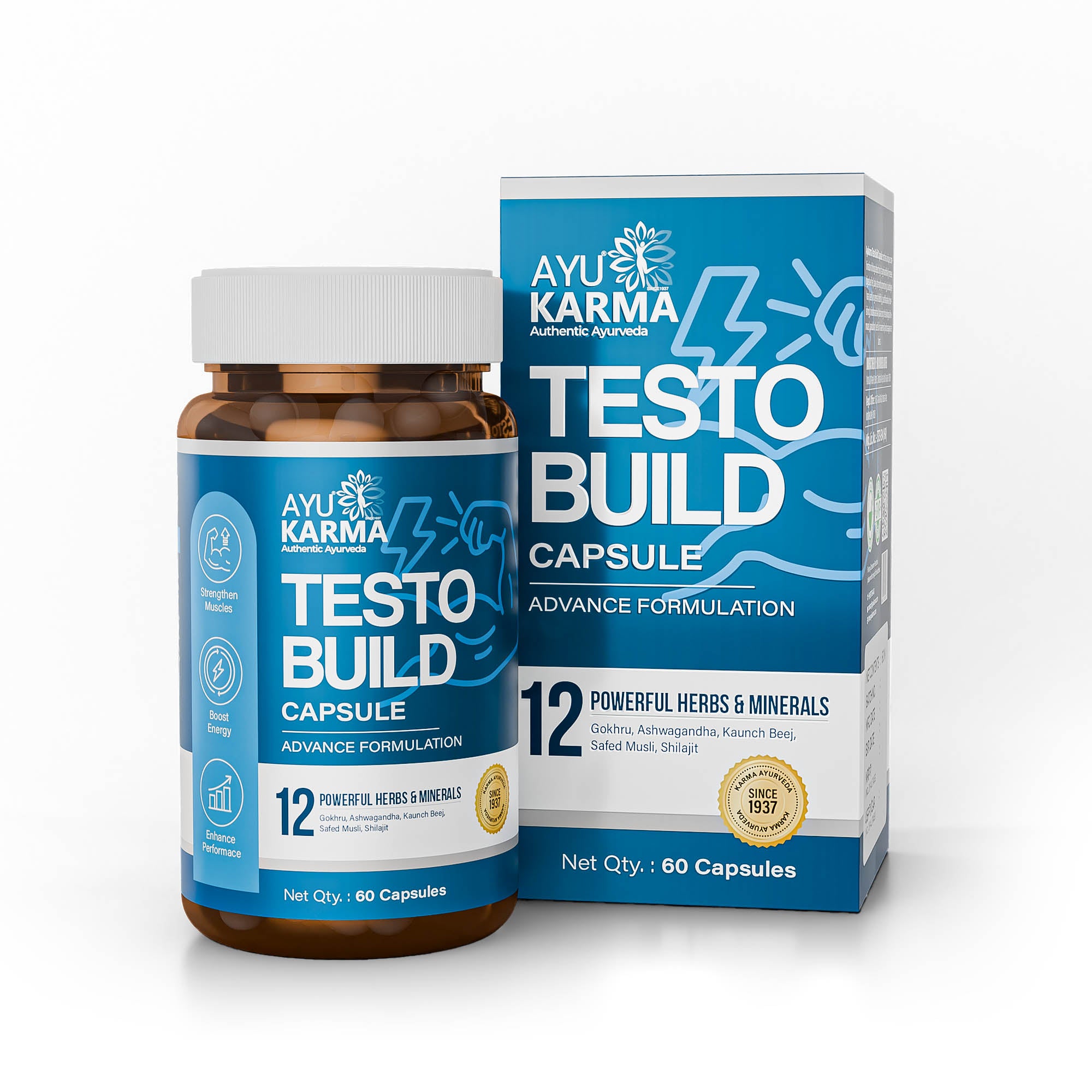
AyuKarma Testo Build Capsules combine 12 Ayurvedic herbs and minerals to support strength, energy, stamina, physical performance, nourishment and overall daily vitality.

AyuKarma Hair Lush Capsules combine Ayurvedic herbs to support hair growth, reduce hair fall, strengthen roots, nourish the scalp and promote healthier-looking hair.

Karma Garcom Capsules contain Garcinia indica to support healthy metabolism, digestion, weight management, digestive comfort and daily wellness alongside a balanced lifestyle.
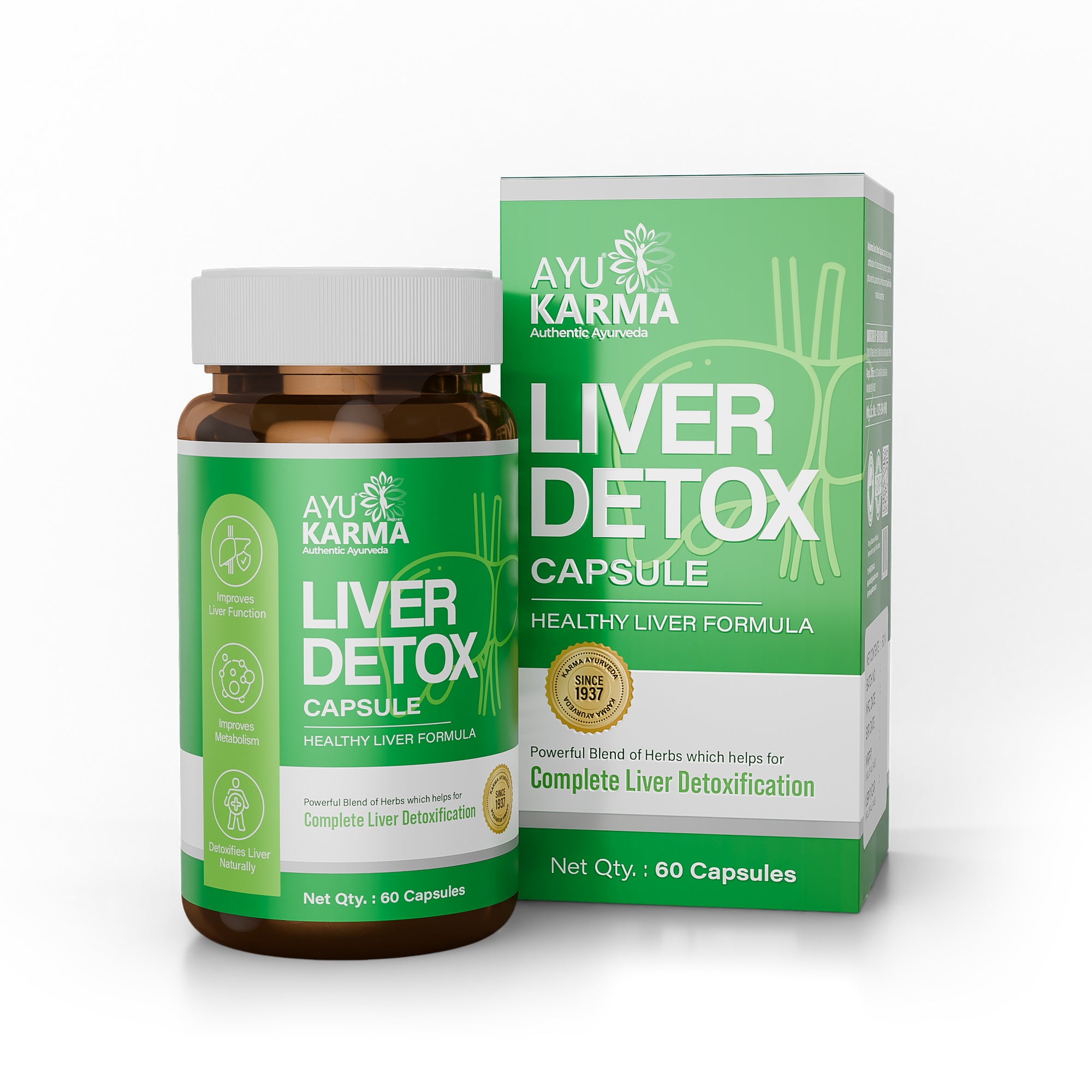
Doctor-recommended liver supplement that helps detoxify the liver, support healthy cholesterol, improve digestion & promote liver health. Developed by Dr. Puneet Dhawan with Karma Ayurveda philosophy.
Second Floor, 77, Block C, Tarun Enclave, Pitampura, New Delhi, Delhi, 110034

Certificate no- AH-2023-0186
JAN 05, 2026 - JAN 04, 2029

US FDA Reg. No.: 14568299376