Unlocking Wellness Naturally
100% Ayurvedic Treatment

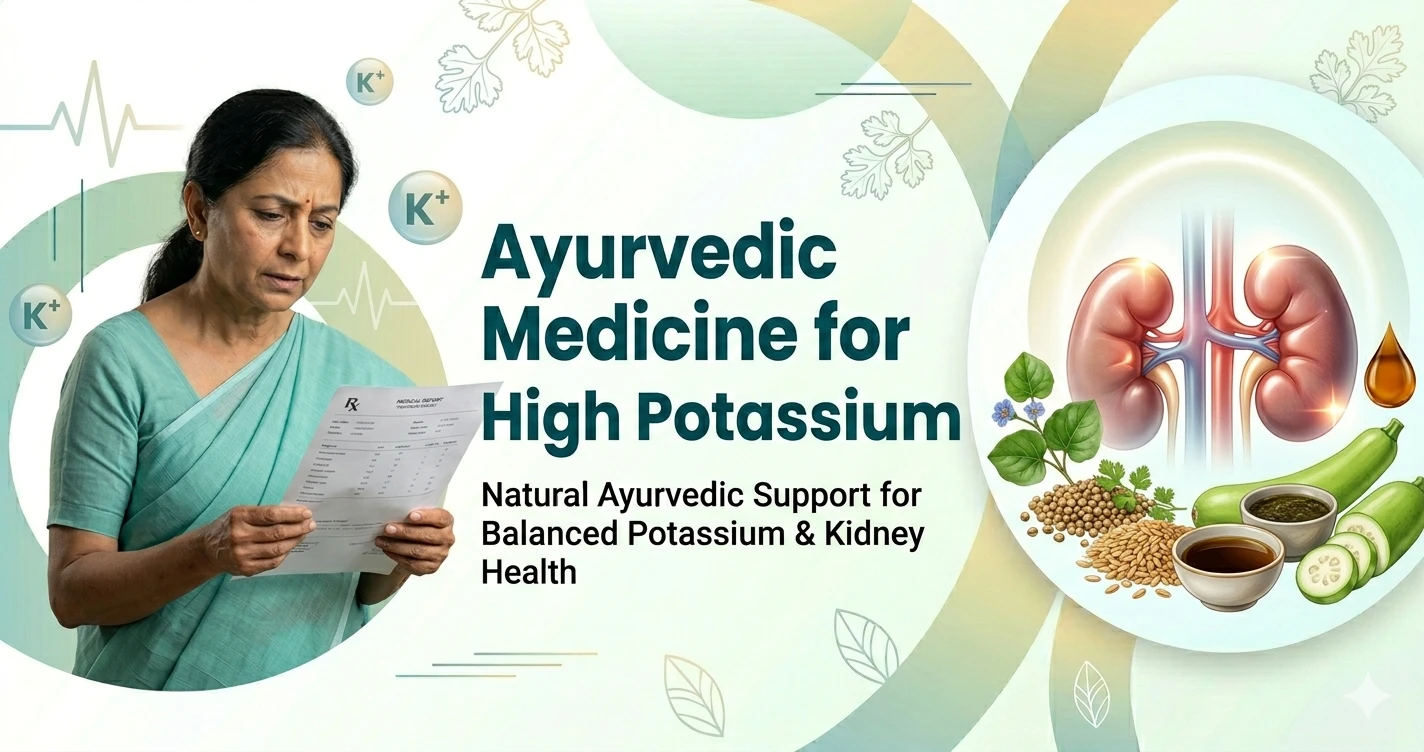
Most of us don’t think about potassium until a doctor says, “Your potassium levels are high.” And suddenly, you’re Googling like crazy, wondering if that banana you ate yesterday betrayed you. Relax, you’re not alone.
High potassium, also known as hyperkalemia, is becoming increasingly common, especially among people dealing with kidney issues. Many people today are searching for Ayurvedic medicine for high potassium because they want a safer and more natural way to manage their health.
Potassium is essential for your body. It helps your muscles function, keeps your heart rhythm steady, and supports nerve signals. But when potassium levels rise too much, it can become dangerous.
High potassium usually happens when your kidneys are unable to remove excess potassium from the body. This is why people often look for Ayurveda for kidney disease as a long-term solution.
Common symptoms include:
Sometimes there are no symptoms at all, which makes regular checkups important.
Ayurveda doesn’t directly use the term hyperkalemia, but it explains the condition through imbalance in the body. When toxins (Ama) build up and the kidney channels (Mutravaha Srotas) are disturbed, issues like high potassium can occur.
This is why many people turn to natural treatment for hyperkalemia through Ayurveda. Instead of just lowering potassium levels, Ayurveda focuses on improving the root cause; your kidney function.
Now let’s talk about the real heroes; herbs. Ayurvedic herbs don’t just target one symptom; they work holistically.
Some commonly used herbs include:
These herbs are widely used as part of herbal remedies for kidney health, making them a reliable option for long-term wellness.
Now comes the tricky part; food. Yes, even “healthy” food can sometimes work against you.
If you’re wondering how to reduce potassium levels naturally, here are some simple tips:
Ayurveda always promotes balance, not restriction. So no, you don’t have to break up with all your favorite foods; just don’t overdo them.
You don’t need a complicated routine. Just a few mindful habits can support your healing journey.
When combined with Ayurvedic medicine for high potassium, these habits can significantly improve your condition.
Modern treatments often focus on quick fixes, which are important in emergencies. But Ayurveda takes a deeper approach.
This is why many people prefer Ayurveda for kidney disease as a sustainable and natural healing method.
At Karma Ayurveda Hospital, patients receive personalized care focused on natural healing. Under the expert guidance of Dr. Puneet Dhawan, treatments are designed to improve kidney function and manage conditions like high potassium effectively.
The hospital offers a combination of herbal medicines, dietary plans, and lifestyle guidance. Their approach is centered on using herbal remedies for kidney health and promoting overall wellness without relying heavily on invasive procedures.
This makes them a trusted choice for people looking for a natural treatment for hyperkalemia in a safe and holistic way.
High potassium is serious, but it’s not the end of the world. With the right knowledge and approach, it can be managed effectively.
Ayurveda gives you the tools to heal naturally. By following the right diet, using the right herbs, and making simple lifestyle changes, you can take control of your health.
So, the next time someone says “avoid bananas,” you’ll smile and say, “I’ve got this under control.”
Punarnava is commonly used in Ayurvedic medicine for high potassium due to its kidney-supporting properties.
Yes, it focuses on improving kidney function, which helps in how to reduce potassium levels naturally.
Yes, when taken under expert guidance, herbal remedies for kidney health are safe and effective.
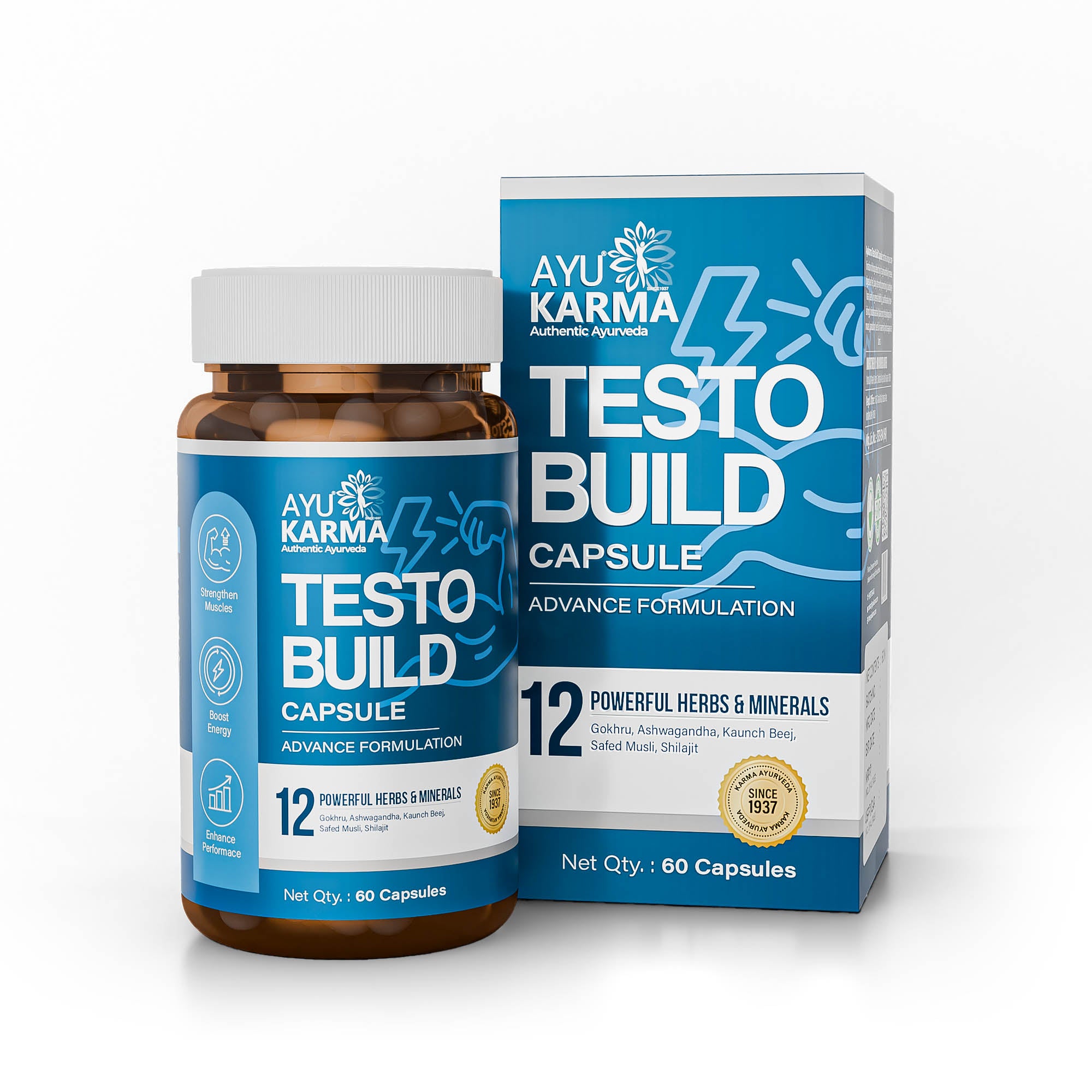
AyuKarma Testo Build Capsules combine 12 Ayurvedic herbs and minerals to support strength, energy, stamina, physical performance, nourishment and overall daily vitality.

AyuKarma Hair Lush Capsules combine Ayurvedic herbs to support hair growth, reduce hair fall, strengthen roots, nourish the scalp and promote healthier-looking hair.
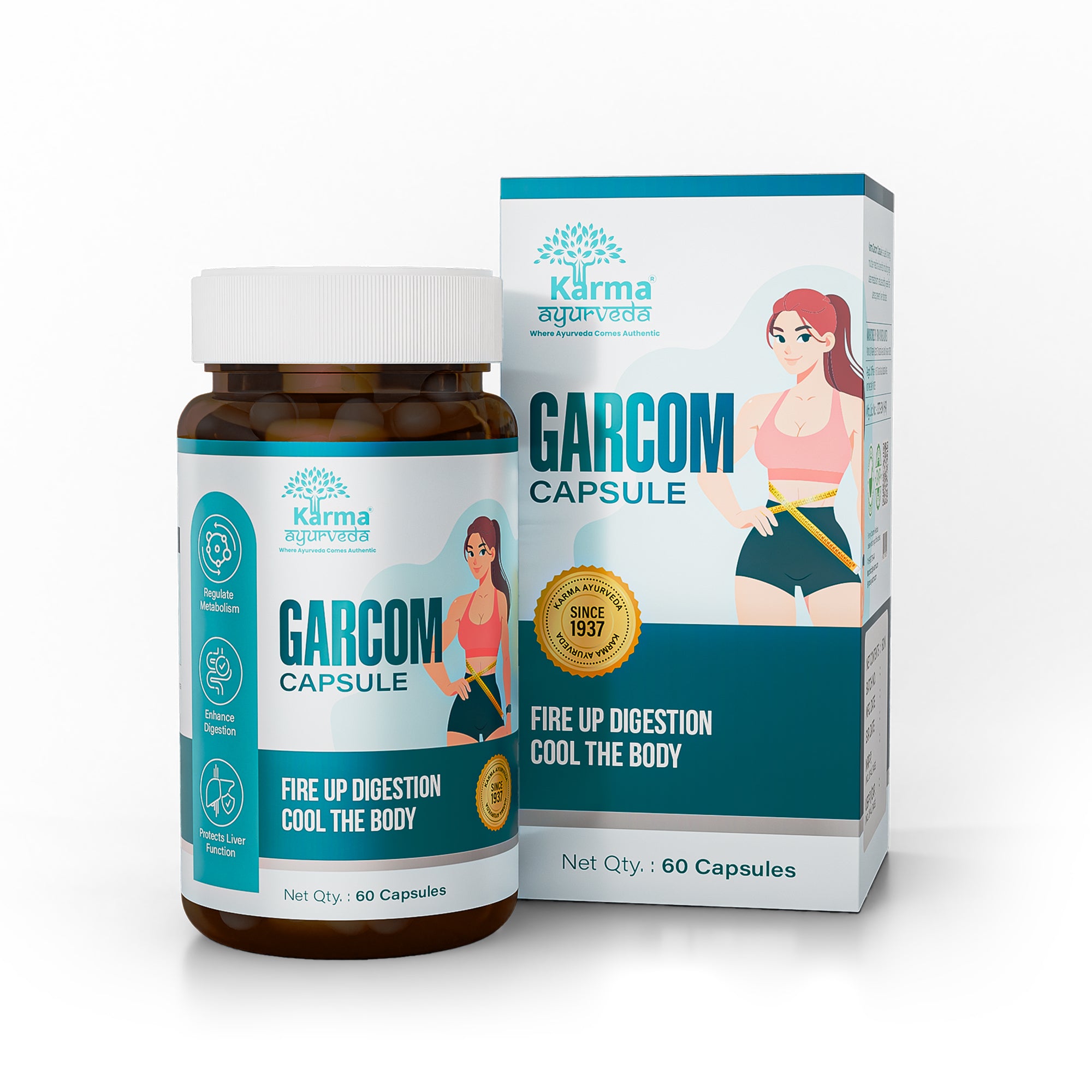
Karma Garcom Capsules contain Garcinia indica to support healthy metabolism, digestion, weight management, digestive comfort and daily wellness alongside a balanced lifestyle.
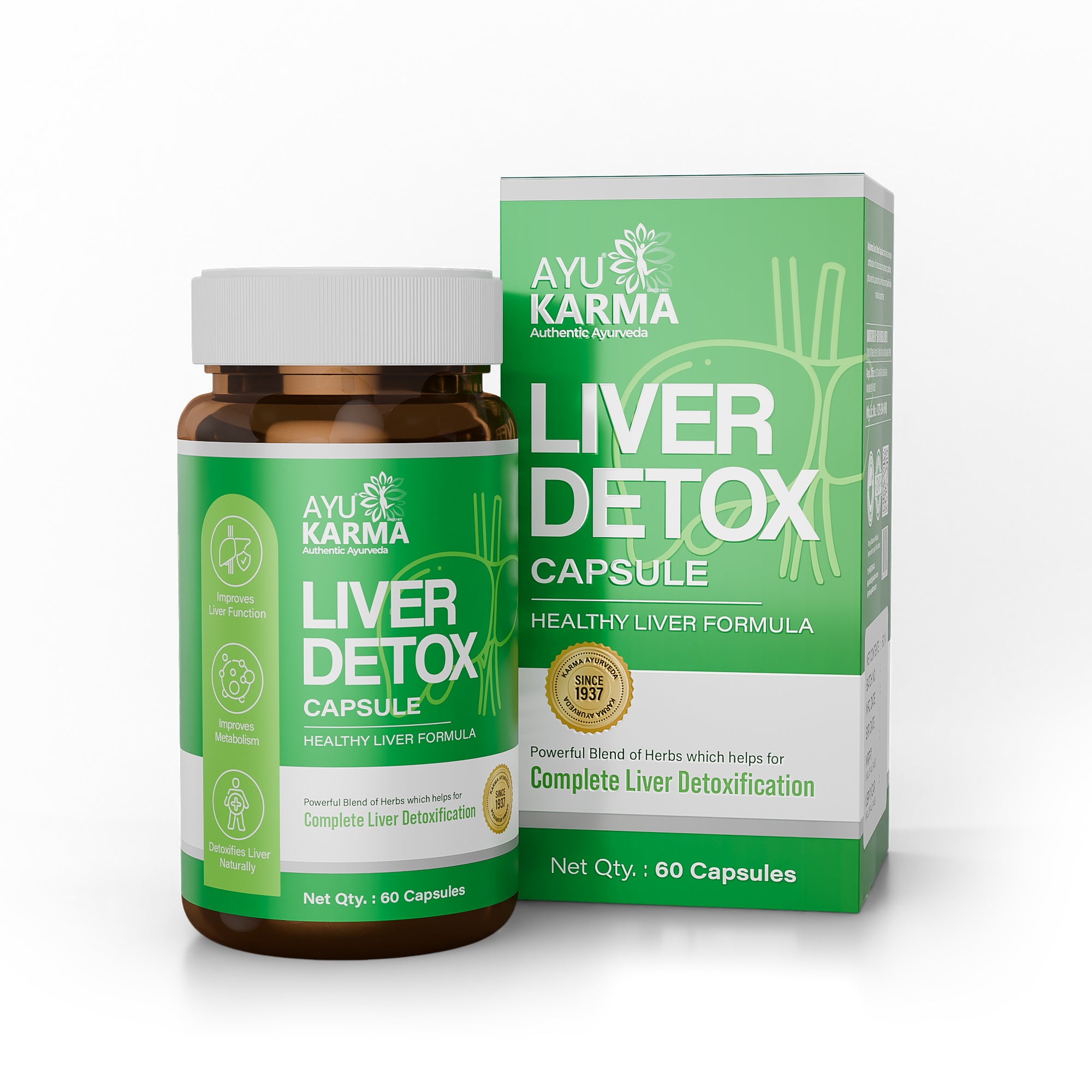
Doctor-recommended liver supplement that helps detoxify the liver, support healthy cholesterol, improve digestion & promote liver health. Developed by Dr. Puneet Dhawan with Karma Ayurveda philosophy.
Second Floor, 77, Block C, Tarun Enclave, Pitampura, New Delhi, Delhi, 110034

Certificate no- AH-2023-0186
JAN 05, 2026 - JAN 04, 2029

US FDA Reg. No.: 14568299376