
Kidney Patients Can Have These 3 Breakfast Options
Let's get one thing out of the way: kidney disease does not sentence you to a lifetime of dry toast. There are real options. Three that actually work for a lot of people are vegetable poha, a simple bowl of oats porridge, and vegetable upma; though how much of each, and what goes into them, comes down to your own potassium, phosphorus, protein and sodium numbers.
Honestly, the whole hunt for the best breakfast for kidney patients is a bit of a trap if you think it ends with one answer. It doesn't. It starts with knowing your own labs. What's fine for one CKD patient might genuinely not be fine for the guy next door; even if they're eating off the same plate.
Why Breakfast Matters When You Have Kidney Disease
By the time breakfast rolls around, you've usually gone eight-plus hours without eating. That makes it a decent opportunity to get some energy in without loading up on sodium, phosphorus, potassium, or more protein than you need.
The National Kidney Foundation is pretty clear about this: people with CKD may need to watch sodium, potassium, phosphorus, calcium and protein; but which of those matter, and how much, depends entirely on the person and their labs. There's no one-size-fits-all kidney diet, no matter what a blog headline promises you.
So really, the best foods for kidney patients is the wrong question to start with. The right one is: what fits my stage, my latest reports?
Someone with high potassium is working with a different breakfast than someone whose potassium is sitting normal. Someone on dialysis has different protein needs than someone who isn't. None of this is one-size-fits-all, and anyone telling you otherwise is selling something.
Anyway. Let's actually talk breakfast.
1. Vegetable Poha
Poha is one of those breakfasts that's somehow survived every food trend of the last fifty years without needing a rebrand. No superfood powder, no fifteen-step recipe; just flattened rice, some vegetables, a bit of seasoning.
And with a few tweaks, it can fit reasonably well into a kidney-conscious plate.
Making it work for you
A simple version might look like:
- Flattened rice (poha)
- Onion
- A small amount of suitable vegetables
- Fresh coriander, if that's fine for you
- A squeeze of lemon, if permitted
- A little oil
- Mild spices instead of a heavy hand with salt
Portion size and ingredient choice do the heavy lifting here. If your potassium's running high, certain vegetables might need to be swapped out or cooked differently. If phosphorus is the concern, that's where processed ingredients and anything with phosphate additives need to get cut back.
And please; don't turn your poha into a salt festival. Pickles, packaged namkeen, ready-made masala mixes... they add up fast.
Sodium matters here specifically because it can push blood pressure up and cause fluid issues in CKD. A systematic review in the Journal of the Academy of Nutrition and Dietetics found that sodium-focused nutrition therapy actually improved blood pressure and urinary sodium outcomes in CKD patients; so, this isn't just cautious advice, there's data behind it.
Bottom line: homemade poha, salt kept in check, the right vegetables; that beats a box of processed breakfast cereal every single time.
2. Homemade Oats Porridge
Oats are the easy answer when you want something warm and quick. But here's the catch nobody mentions: "oats are healthy" doesn't mean "unlimited oats are fine if you have CKD."
Quantity and toppings are where people go wrong.
Plain oats cooked in water, or a milk alternative that suits your needs, is a reasonable base. Where it goes sideways is when the bowl turns into dessert; heaps of sugar, chocolate, packaged toppings, processed nut mixes.
A sensible bowl looks more like:
- Plain oats
- Water or a suitable liquid
- A small portion of a fruit that works for you
- A pinch of cinnamon for flavor
- Minimal added sugar, if any
If your potassium or phosphorus is elevated, your dietitian might steer you toward different fruit, a different milk, or fewer toppings altogether; and that's worth listening to, because nuts, seeds, dairy and a lot of processed breakfast products are sneaky sources of phosphorus, while certain fruits can spike potassium fast.
The National Kidney Foundation's advice here is practical: check labels for sodium, added sugar, protein and phosphate additives; anything with "phos" in the ingredient name is worth a second look.
So yes, oats can stay. Just don't invite the entire toppings drawer to the party.
3. Vegetable Upma
Upma is another old reliable; made mostly from semolina (rava/sooji), quick to cook, and adjustable depending on what you need.
A basic bowl might include:
- Semolina
- Onion
- Suitable vegetables, in controlled portions
- Fresh herbs
- Mild spices
- A modest amount of oil
- Salt, kept limited
Same rule as before; the vegetables need to match your labs. If you've been told to watch potassium, throwing in more vegetables isn't automatically the healthier move. In CKD, "more vegetables" and "the right vegetables in the right amount" are two different things, and mixing them up is a common mistake.
This is exactly why a plan built around you beats a generic food chart pulled off the internet.
Quick Comparison: Which Breakfast Looks Better?
| Breakfast | Why it works | Watch out for |
|---|---|---|
| Vegetable Poha | Light, familiar, easy to adjust | Salt, packaged toppings |
| Oats Porridge | Filling, simple | Toppings, phosphorus and potassium |
| Vegetable Upma | Easy homemade option | Salt and vegetable portions |
There's no outright winner among the three. Your blood reports get the final say; think of them as the one judge who couldn't care less how good your breakfast looks on Instagram.
What Makes a Breakfast Kidney-Friendly?
There's no single magic ingredient that makes a breakfast "kidney-friendly." It's the overall load that matters; sodium, potassium, phosphorus, protein, calories, fluid, blood sugar, blood pressure, all of it together.
The National Kidney Foundation points out that dietary needs shift depending on your CKD stage, your labs, whether you have diabetes, your blood pressure, dialysis status, transplant status, medications; a long list of moving parts. Which means the breakfast that works great for your neighbor might need real adjustments before it works for you.
What About Fruits in the Morning?
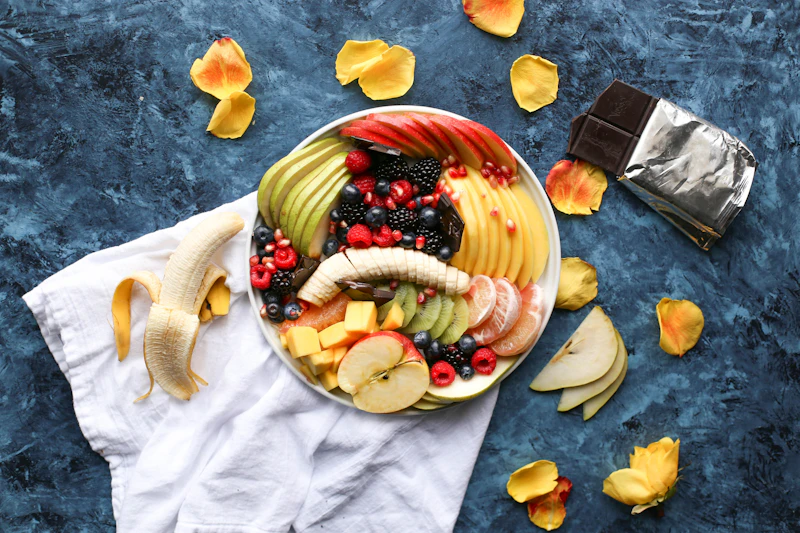
Fruit isn't off-limits just because you have CKD; but it's also not something to eat without thinking, either. If your potassium is high, your doctor may ask you to cut back on certain high-potassium fruits or watch your portions.
At the same time, banning every fruit out of caution isn't the answer either. That just makes the diet miserable for no reason. The goal is a plan tailored to you; not punishment dressed up as discipline.
What Does Research Say About Plant-Based Foods?
There's a growing body of research on plant-heavy eating patterns and CKD, and it's worth paying attention to.
A 2025 systematic review and meta-analysis in the Journal of Renal Nutrition, pulling from over 121,000 participants, found that healthier plant-based eating patterns were tied to lower CKD incidence and slower progression; but the researchers were careful to note that the quality of the plant-based diet is what actually matters.
The Chronic Renal Insufficiency Cohort (CRIC) Study, which followed 2,539 people with CKD, found something similar: sticking to healthy plant-based patterns was linked to lower mortality risk, while unhealthy plant-based eating was linked to faster CKD progression.
A separate 2024 prospective study found the same pattern; people who stuck to a genuinely healthful plant-based diet had lower mortality, while an unhealthful plant-based diet swung the other way.
The takeaway is pretty simple, if a little blunt: eating "plant-based" doesn't mean living off packaged chips just because potatoes are, technically, a plant. Fresh, minimally processed food is where the actual benefit lives.
What About Ayurveda and Kidney Health?
A lot of people end up searching for Ayurvedic treatment for kidney disease, natural treatment for kidney disease, or natural kidney treatment while looking for something outside conventional medicine.
Ayurveda leans heavily on diet, lifestyle, digestion and individualized care; which sounds appealing. But anyone with reduced kidney function needs to be careful before adding herbs or supplements into the mix. Some herbal products carry minerals, potassium or compounds that aren't a great match for impaired kidney function, even if they're marketed as "natural."
So, if Ayurvedic treatment for kidney disease is something you're considering, bring it up with a healthcare professional who actually knows your diagnosis, your medications and your labs; not just a forum thread.
Same goes for anyone hunting for the best medicines for kidney disease. There isn't one. Treatment depends on the underlying cause, stage, blood pressure, diabetes, urine protein, electrolytes; the whole picture. And the search for best herbs for kidney disease deserves the same caution. "Natural" is not a synonym for "safe for everyone with CKD."
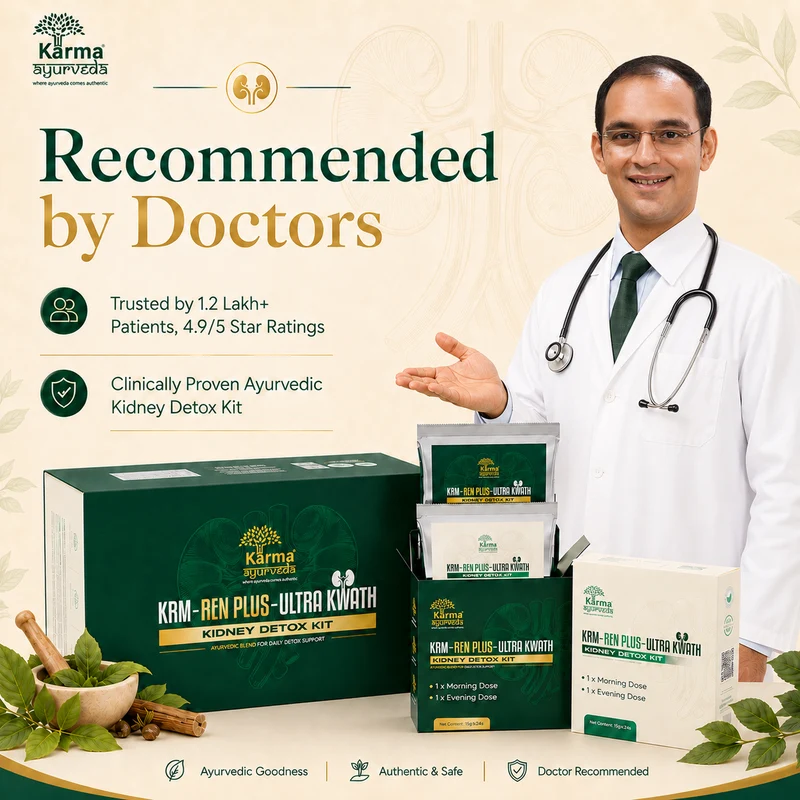
If you're researching Ayurvedic approaches, you'll likely come across names like Dr. Puneet Dhawan and Karma Ayurveda; but whatever you decide should still be based on your actual diagnosis and a real medical evaluation, not just a name that keeps showing up in search results.
And one unrelated thing worth clearing up: Karma Ayurveda for knee pain treatment is a completely different search from anything related to CKD diet. Your breakfast doesn't need to solve every ailment in the human body before 9 a.m.; that phrase shouldn't get tangled up with kidney-specific advice.
Breakfast Foods to Be Careful With
A handful of everyday breakfast staples get trickier with CKD:
- Packaged cereals with added phosphorus
- Processed meats
- Instant noodles
- Salt-heavy ready-to-eat foods
- Packaged bakery items
- Processed cheese
- Salted nuts
- Pickles and chutneys loaded with salt
- Large amounts of high-potassium fruit, if potassium restriction applies
- Excessive protein powders or supplements
Processed foods deserve extra scrutiny because of phosphate additives; they're often hiding in plain sight under ingredient names containing "phos."
One Important Point About Protein
Protein advice tends to confuse people more than almost anything else on this list. One person will tell you protein is essential, another will tell you to cut it back; and both of them can be right, just for different people.
People with CKD who aren't on dialysis often get different protein guidance than those who are. The National Kidney Foundation notes that dialysis status alone can shift protein needs significantly.
So don't drop protein from your breakfast entirely because someone online said it's "bad for kidneys." And don't start chugging three scoops of protein powder before sunrise because an influencer does. Your protein needs are yours; figure them out with someone who actually has your labs in front of them.
Can Breakfast Help Support Better Kidney Care?
It can; but it's one piece, not the whole picture. Long-term management usually involves:
- Taking prescribed medicines as directed
- Keeping an eye on blood pressure
- Managing blood sugar
- Checking creatinine and eGFR when advised
- Monitoring urine protein
- Maintaining a healthy body weight
- Sticking to an individualized eating plan
- Staying within fluid limits, if you've been given one
- Skipping unnecessary supplements
- Keeping up with medical appointments
Research keeps pointing toward overall diet quality mattering more than any single "superfood." A 2024 review found plant-rich eating patterns may help with things like metabolic acidosis, phosphorus handling, and gut-derived uremic toxins in CKD.
In short; don't spend two hours obsessing over the "perfect" breakfast while ignoring everything else on this list.
FAQs
1. What is the best breakfast for kidney patients?
Homemade poha, oats, or vegetable upma in the right portions can all work; but which one, and how much, depends on your potassium, phosphorus, protein and sodium levels.
2. Can kidney patients eat oats for breakfast?
Yes, in most cases; just adjust the portion and toppings based on what your own numbers call for.
3. Can I eat poha if I have kidney disease?
Generally, yes, especially when it's homemade with controlled salt and the right vegetables.
4. Should kidney patients completely avoid fruits?
No. Fruit doesn't need to disappear entirely; it's about choosing the right ones in the right amounts based on your potassium levels.
5. Are herbal remedies safe for kidney patients?
Not automatically. Talk to a qualified healthcare professional before adding any herbs or supplements.
Key Takeaways
- Vegetable poha, homemade oats, and vegetable upma can all be solid breakfast choices for many CKD patients.
- There's no single best breakfast for kidney patients; needs genuinely differ from person to person.
- The best foods for kidney patients come down to potassium, phosphorus, sodium, protein and your overall health picture.
- Keep packaged, processed, salt-heavy breakfast foods to a minimum.
- Plant-rich diets show promise in CKD research, but the quality of what you're eating matters more than the label.
- Don't start herbs, supplements, or a natural kidney treatment without talking to a professional first.
- Natural treatment for kidney disease isn't a substitute for medically guided CKD care.
- If you're looking into Ayurvedic treatment for kidney disease, make sure it's tailored to your actual diagnosis and labs.
- Let your latest blood and urine reports guide your restrictions; not a random food list you found online.
Disclaimer
This article is for general educational purposes only and isn't a substitute for medical advice, diagnosis, or treatment. Dietary needs in CKD vary a lot, especially with changes in potassium, phosphorus, protein, fluid limits, and dialysis status. Talk to your doctor or a qualified renal dietitian before making any significant changes to your diet, medications, or supplements.